
It was a normal sunny afternoon in Hollywood, but what transpired on the sidewalk that day rattled even the most hardened tabloids. Pictures later emerged of Andy Dick slumped over on cement stairs — glasses on the ground beside him, friends and bystanders rushing to revive him, one shouting to grab a dose of Narcan. By nightfall, Andy spoke to reporters: he was alive, but declined to share what had happened.
That shocking scene is just the latest chapter in a roller-coaster life that has seen immense talent, self-destruction, redemption attempts, and repeated setbacks. In this post, I want to walk you through Andy’s story — his rise, his demons, and what his journey can teach us about fame, addiction, and second chances.
Who Is Andy Dick? (And Why Does He Matter)
Andy Dick — born Andrew Thomlinson on December 21, 1965 — is a veteran American comedian and actor known for his bizarre, offbeat humor and wild energy.
- He trained at comedy institutions like The Second City and iO Theater, which helped shape his improv skills.
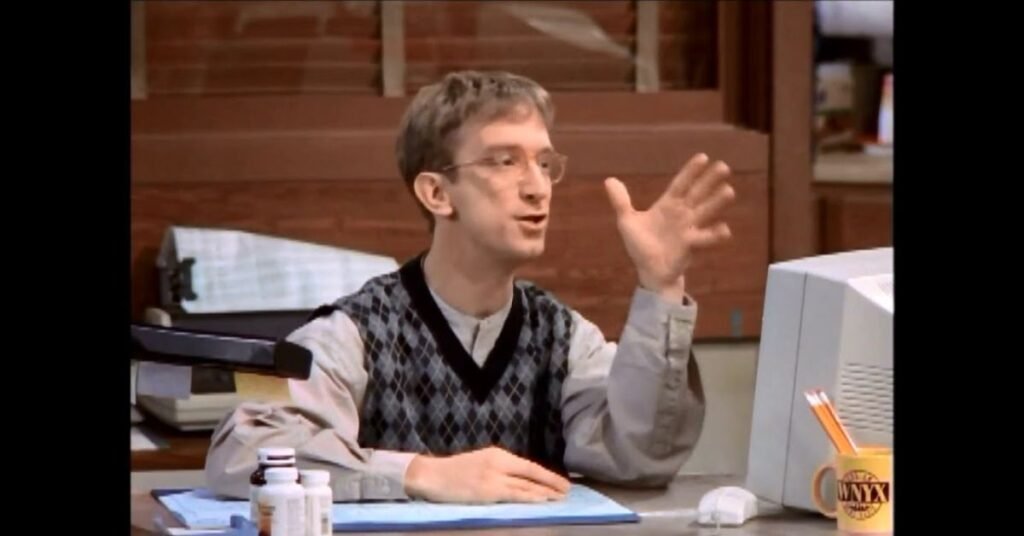
- On television, he gained popularity in shows like NewsRadio (NBC) in the 1990s, and later had his own sketch-comedy series on MTV: The Andy Dick Show.
- Beyond TV, he has appeared in numerous films — sometimes as off-beat or supporting characters — and lent his voice to animated projects.
In short: Andy Dick is someone whose comedy once made people laugh — and whose life reminds us how fragile success can be when personal demons are involved.

The Highs — What Made Andy Shine
Comedy with a Twist
Andy never played it safe. His comedy was chaotic, edgy, and often unpredictable — a style many found refreshing, especially in a period of sitcoms and “safe” comedy. His presence in shows like NewsRadio brought a certain quirky energy that made him stand out.
Variety — From TV to Movies to Voice Work
Unlike many performers stuck to one medium, Andy moved fluidly across formats: stand-up, sketch comedy, films, voice acting. That flexibility helped him remain relevant even as trends changed.
Resilience — Always Bouncing Back (Sometimes)
Even as controversies piled up, Andy tried to stay in the game. Years of experience, a recognizable face, and a dedicated — if niche — fan base meant that he often got second (or third) chances. His story shows that resilience in entertainment sometimes matters just as much as raw talent.
The Lows — When Comedy and Life Collide
But behind the laughs was a darker story. Andy’s career has long been haunted by personal struggles, many of which played out in public.
- He battled drug and alcohol addiction for decades — by one count, he had entered rehab 20 times.
- There have been repeated legal troubles: arrests for public intoxication, allegations of sexual misconduct, and a 2022 conviction for sexual battery involving an Uber driver. He was ordered to register as a sex offender.
- In 2025 (just recently), he was found unresponsive in the street — apparent overdose — only to be revived thanks to bystanders and Narcan.
These aren’t just tabloid headlines — they show how addiction and trauma can follow someone, no matter how talented or famous.
Lessons We Can Learn — Why Andy’s Story Matters
While Andy’s life is extreme in many ways, there are takeaways that apply more broadly:
- Talent ≠ Immunity: Being funny or successful doesn’t protect one from mental health issues or addiction.
- Support Matters — early, often: Long-term recovery often needs more than rehab sessions — it needs community, consistency, and accountability.
- Second chances are fragile: Repeated missteps can erode trust, reputation, relationships — sometimes irreversibly.
- Public scrutiny adds pressure: For public figures, every low is magnified — which can make recovery even harder.
What Could (or Should) Have Helped — A Hypothetical “Recovery Playbook”
If you were advising someone like Andy (or someone in a similar situation), here’s what a thoughtful, supportive plan might look like:
- Comprehensive Therapy — not just detox
- Beyond rehab, encourage ongoing therapy (mental-health counseling, trauma therapy, addiction specialists).
- Group therapy (support groups) can provide empathy and accountability.
- Stable Support Network
- Friends/family who show up consistently, not just during crises.
- A sober community: peers who understand and encourage sobriety.
- Structured Routine & Healthy Habits
- Exercise, healthy eating, hobbies — finding purpose outside substance use.
- Creative outlets: maybe writing, art, low-stress work — something meaningful but manageable.
- Transparency & Boundaries
- Avoiding triggers (certain people, places, habits).
- Being honest with oneself and with trusted supporters.
- Relapse Plan & Safe Environment
- Have a clear plan if things go wrong: trusted contacts, hotlines, medical support.
- If in show business — maybe step back from high-pressure roles until stability is regained.
ALSO READ: Nanny Outfits: What to Wear for a Job That Is Anything but Ordinary
Why It’s So Hard — Common Pitfalls & Mistakes to Avoid
- Thinking “one rehab stint fixes it.” Long-term recovery rarely works that way.
- Isolation: addiction and shame thrive in solitude. No one should recover alone.
- Denial: ignoring red flags — emotional, physical, legal — festers into bigger problems.
- Hoping “fame” or “talent” will save the day. Often, it just adds more pressure.
Real-World Use Cases — When Lessons from Andy Matter
- Someone dealing with addiction who’s scared of being judged or “cancelled.” Andy’s story shows they’re not alone, but also how important it is to get help.
- Creative professionals struggling with substance abuse or mental-health issues. The pressure to perform + public scrutiny can magnify vulnerable moments.
- Friends or family of someone with addiction. It’s a cautionary tale, but also a reminder recovery is possible — with patience, structure, and care.
Final Takeaway
Andy Dick’s life is a dramatic mix of laughter and pain — a mirror of how fame, talent, and tragedy can collide. His story reminds us that behind the jokes and spotlight, there are humans with fragile hearts and complex lives. But it also shows that recovery, healing, and reinvention — though difficult — are possible, and worth striving for.
Whether you admire him, criticize him, or just feel sad for him — there’s value in acknowledging human complexity. And maybe, in learning from others’ mistakes, we find a better path forward.
FAQs
Q: Why did Andy Dick react positively to Narcan?
A: According to recent reports, after bystanders administered Narcan (which reverses opioid overdoses), Andy regained consciousness. Paramedics responded, but he reportedly declined hospital transport.
Q: Has Andy ever publicly admitted to his addiction struggles?
A: Yes — in past interviews, Andy revealed he entered rehab many times (by 2016, he had reportedly gone through detox ~20 times).
Q: Does his talent excuse past misdeeds?
A: That’s complicated. While talent draws attention, many believe accountability — especially in cases involving addiction and harm to others — is essential. Andy’s legal issues and public controversies show that consequences often catch up, regardless of fame.
Q: What can fans or outsiders do to help someone like Andy?
A: Compliment support over judgment. Encourage treatment, offer empathy (if appropriate), and recognize that addiction and recovery are long, messy processes — not quick fixes.

Hannah Price is a digital journalist who covers breaking news, global events, and trending stories with accuracy and speed. She has previously contributed to several online magazines and has built a reputation for verifying facts before publishing. Hannah believes in responsible reporting and aims to present stories in a way that readers can trust.