

Introduction
If you have ever caught yourself thinking, “I want to start a business, but I don’t know which one will actually work,” you are not alone. Over the past decade, I have watched countless people dive into entrepreneurship with big dreams, only to burn out because they chose ideas that sounded exciting but lacked real-world demand. Choosing from the top 10 most successful businesses to start is not about chasing trends or copying what looks good on social media. It is about understanding human behavior, market gaps, and business models that have proven their ability to survive economic ups and downs.
This topic matters now more than ever. Rising costs of living, job insecurity, and digital transformation have pushed millions to look for income streams they can control. Some want a side hustle that grows slowly and safely. Others want a scalable business that can replace a full-time job. In this guide, I will walk you through exactly what makes a business successful today, which industries consistently perform well, and how to approach each option with clarity instead of guesswork. By the end, you will not just have a list, but a framework to decide which business fits your skills, budget, and long-term goals.
Understanding What “Most Successful Businesses” Really Means
Before we jump into the list, let us slow down and define success, because this is where many beginners get it wrong. When we talk about the top 10 most successful businesses to start, we are not talking about overnight millionaires or viral startups that explode and disappear just as fast. True success in business is a mix of profitability, sustainability, scalability, and personal alignment.
Think of it like building a house. A flashy exterior might look impressive, but without a solid foundation, it will crack under pressure. Successful businesses are built on recurring demand, clear customer pain points, and models that allow steady growth. For example, people will always need food, healthcare, education, and services that save time or money. That is why many of the most profitable businesses are surprisingly “boring” on the surface.
Another key factor is adaptability. A successful business today must be flexible enough to evolve with technology and consumer behavior. The pandemic taught us that companies able to move online, automate processes, or pivot their offerings survived while others vanished. Finally, success is personal. A solo consultant making consistent income with low stress may be more successful than a high-revenue startup drowning in expenses and pressure. Keep this broader definition in mind as we explore the options.
The Top 10 Most Successful Businesses to Start Today



4
When you analyze markets across different economies, certain business types repeatedly rise to the top. These businesses share one thing in common: they solve real problems and can be started without massive capital. The following list is based on long-term performance, demand stability, and scalability.
Digital marketing services continue to dominate because every business needs visibility. From SEO and social media management to paid advertising and content creation, companies are constantly outsourcing these skills. E-commerce businesses remain powerful thanks to global reach and niche targeting. Online education and coaching thrive because people are willing to pay for skills that improve their income or lifestyle. Software-as-a-service products succeed by offering subscription-based solutions to specific problems. Real estate-related services, health and wellness businesses, local service businesses, freelancing and consulting, content creation, and subscription boxes round out the list because they combine demand with flexibility.
What makes these businesses successful is not just the industry, but how you position yourself within it. A niche-focused e-commerce store often outperforms a generic one. A specialized consultant earns more than a generalist. Success comes from depth, not breadth.
Benefits and Real-World Use Cases
One of the biggest advantages of choosing from the top 10 most successful businesses to start is risk reduction. You are not reinventing the wheel. These models have been tested by thousands of entrepreneurs across different markets. For instance, a digital marketing consultant can start as a freelancer, build a portfolio, and eventually grow into an agency. This gradual scaling allows income to grow alongside experience.
Another benefit is flexibility. Many of these businesses can be run remotely, making them ideal for people who want location independence or work-life balance. An online course creator can record content once and sell it repeatedly. A SaaS founder can serve global customers without physical inventory. Local service businesses, on the other hand, are perfect for those who prefer hands-on work and strong community ties.
Real-world use cases vary widely. A stay-at-home parent might start a niche blog that turns into a content-driven business. A corporate professional might launch a consulting practice based on years of industry experience. A student might build an e-commerce brand around a trending but sustainable niche. The beauty of these businesses is that they adapt to different life stages and goals while offering strong earning potential.
Step-by-Step Guide to Choosing and Starting the Right Business

4
Starting one of the top 10 most successful businesses to start does not begin with a logo or a website. It starts with clarity. First, assess your skills, interests, and resources honestly. What problems can you solve better than others? What experience do you already have? This self-audit prevents you from choosing a business that looks profitable but drains your energy.
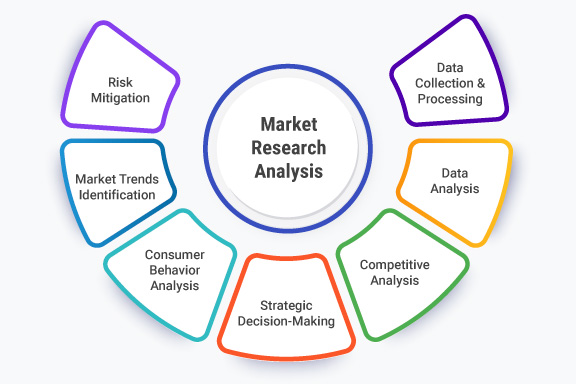
Next comes market research. Look for real demand, not just hype. Study competitors, read customer reviews, and identify gaps. This step is where many people rush and regret it later. Then, validate your idea with a minimum viable offer. This could be a pilot service, a pre-sale, or a simple landing page. Validation saves time and money.
Once validated, focus on building systems, not just sales. Document processes, automate repetitive tasks, and invest in tools that save time. Finally, scale thoughtfully. Growth should be sustainable, not chaotic. The most successful entrepreneurs treat their business like a long-term asset, not a short-term gamble.
Tools, Comparisons, and Practical Recommendations
Every successful business relies on the right tools, but tools should support strategy, not replace it. For digital businesses, website builders, email marketing platforms, analytics tools, and project management software are essential. Free tools are excellent for beginners, but paid options often save time and offer better insights as you scale.
For example, free design tools are fine at the start, but professional branding software offers consistency as your brand grows. Accounting software reduces financial stress and errors. Customer relationship tools help manage leads and clients efficiently. The key is to start lean and upgrade intentionally.
Comparing free versus paid tools comes down to cost versus convenience. Free tools often require more manual work. Paid tools offer automation and support. My recommendation is to invest in tools that directly impact revenue or efficiency. Avoid shiny tools that look impressive but do not move the needle.
Common Mistakes and How to Fix Them
Even the most successful business ideas fail when execution is poor. One common mistake is trying to do everything at once. Entrepreneurs often launch with too many services or products, confusing customers and themselves. The fix is focus. Start with one core offer and do it exceptionally well.
Another mistake is ignoring cash flow. Profit on paper means nothing if money is not coming in consistently. Track expenses, price services correctly, and build emergency buffers. Many also underestimate marketing, assuming good products sell themselves. They do not. Visibility is non-negotiable.
Lastly, many founders quit too early. Most successful businesses take time to gain traction. The solution is setting realistic timelines and measuring progress with meaningful metrics instead of emotions. Consistency often beats brilliance in the long run.
Conclusion
Choosing from the top 10 most successful businesses to start is less about luck and more about alignment, strategy, and patience. These businesses work because they are rooted in real demand and adaptable models. Whether you want freedom, financial security, or creative expression, there is a business here that can support that goal if approached thoughtfully.
Take your time, do your research, and start small but intentional. Entrepreneurship is not a race; it is a long-distance run. If this guide helped clarify your direction, explore one idea deeply and take the first practical step today.
FAQS
What is the easiest business to start with low investment?
Service-based businesses like consulting, freelancing, or digital marketing require minimal upfront costs and rely mainly on skills.
Which business is most profitable long term?
Businesses with recurring revenue models, such as SaaS or subscription services, tend to be highly profitable over time
Can I start these businesses while working full-time?
Yes, many of the top 10 most successful businesses to start can begin as side projects and scale gradually.
How long does it take to see results?
Most businesses take six to twelve months to gain consistent traction, depending on effort and market demand.
Do I need technical skills to succeed?
Not necessarily. Many tools simplify technical tasks, and skills can be learned or outsourced.

Michael Grant is a business writer with professional experience in small-business consulting and online entrepreneurship. Over the past decade, he has helped brands improve their digital strategy, customer engagement, and revenue planning. Michael simplifies business concepts and gives readers practical insights they can use immediately.