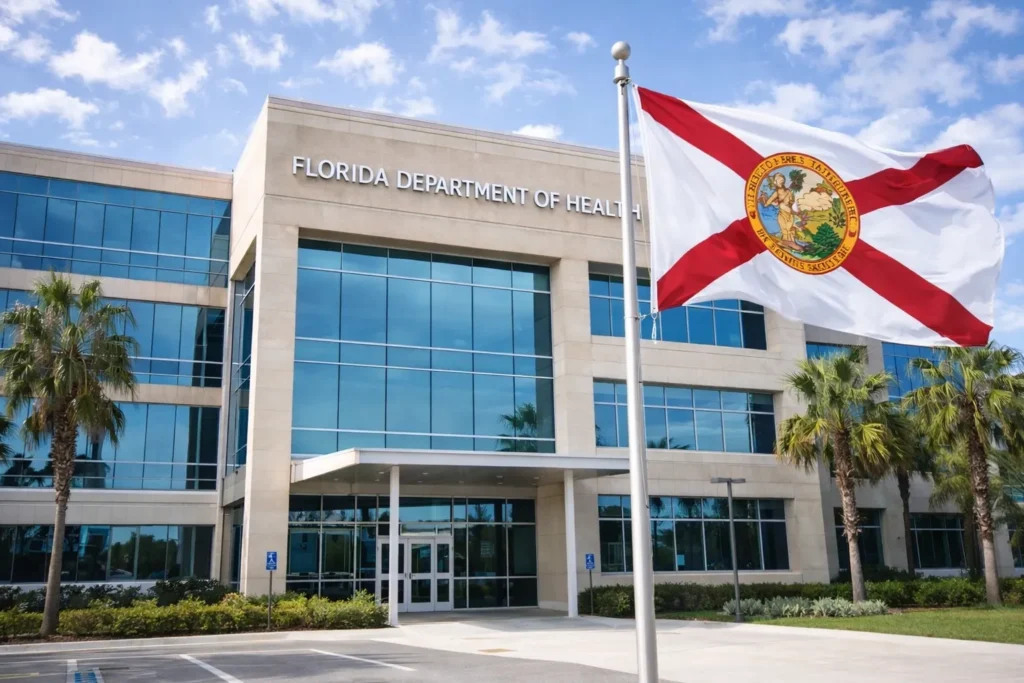
The Florida Health Department, officially known as the Florida Department of Health (FDOH), serves as the cornerstone of public health for the Sunshine State. Whether you are a new resident looking for immunization records, a healthcare professional seeking licensure, or a family in need of nutritional support, understanding the vast array of services provided by this agency is crucial. Its mission is to protect, promote, and improve the health of all people in Florida through integrated state, county, and community efforts.
This guide aims to demystify the complex network of services offered by the FDOH. We will walk you through everything from accessing vital records like birth certificates to understanding the regulatory role the department plays in maintaining safety standards across the state. By the end of this article, you will have a clear roadmap for utilizing these essential resources to better your health and the health of your community.
What is the Florida Department of Health?
The Florida Department of Health is the first integrated department of health in the nation. This unique structure means that the state office in Tallahassee works in tandem with 67 county health departments (CHDs) to ensure consistency and efficiency. While the central office sets policies and strategic goals, the local county departments are the boots on the ground, delivering direct care and environmental health services to residents.
This integrated system allows for a swift response to public health emergencies, such as hurricanes or disease outbreaks, while also managing day-to-day community needs. The department’s responsibilities are vast, covering areas that many residents might not immediately associate with “health,” such as septic tank regulation and beach water quality monitoring.
Core Mission and Vision
The primary goal of the organization is to be the healthiest state in the nation. To achieve this, they focus on several strategic priorities:
- Disease Prevention: Implementing programs to stop the spread of infectious diseases.
- Health Equity: Ensuring all Floridians have the opportunity to attain their full health potential.
- Regulatory Efficiency: Streamlining the licensing process for medical professionals.
- Emergency Preparedness: Preparing for and responding to natural and man-made disasters.
Essential Services for Residents
The FDOH provides a wide spectrum of services directly to the public. These services are often accessed through local county health departments.
1. Vital Statistics and Records
One of the most common reasons residents interact with the Florida Health Department is to obtain vital records. The Bureau of Vital Statistics maintains the official records of births, deaths, fetal deaths, marriages, and dissolutions of marriage (divorces).
- Birth Certificates: Essential for enrolling children in school, obtaining a passport, or verifying identity. You can order these online, by mail, or in person at local offices.
- Death Certificates: Required for settling estates and claiming insurance benefits.
- Marriage and Divorce Records: Often needed for legal name changes or remarriage.
It is important to note that while the state maintains these records, specific privacy laws restrict who can access them. For example, birth certificates less than 100 years old are generally restricted to the registrant, parents, or legal guardians.
2. Family Health and WIC Services
Supporting families is a major pillar of the department’s work. The Women, Infants, and Children (WIC) program is a federally funded nutrition program administered by the FDOH.
What WIC Provides:
- Healthy Foods: Vouchers or EBT cards to purchase specific nutritional foods like milk, eggs, cheese, and produce.
- Nutrition Education: Counseling on healthy eating habits for pregnant women and young children.
- Breastfeeding Support: Access to lactation consultants and peer counselors.
- Referrals: Connecting families to other healthcare and social services.
Eligibility for WIC is based on income and nutritional risk. It serves pregnant, breastfeeding, and postpartum women, as well as infants and children up to age five.
3. Immunizations and Vaccinations
Preventing disease through vaccination is a top priority. The department manages the Florida SHOTS (State Health Online Tracking System), a centralized online registry that helps healthcare providers and parents track immunization records.
Key Immunization Services:
- School Requirements: Florida requires specific vaccinations for children attending public and private schools. Local health departments offer these shots, often at low or no cost for eligible children.
- Travel Vaccinations: Some county departments offer vaccines required for international travel, such as Yellow Fever or Typhoid.
- Seasonal Flu and COVID-19: The department coordinates statewide campaigns to ensure easy access to seasonal vaccines.
4. Disease Control and Prevention
The FDOH is the primary agency responsible for tracking and controlling communicable diseases. This involves surveillance, investigation, and education.
- HIV/AIDS Services: Florida has a robust program for HIV prevention and care. This includes the AIDS Drug Assistance Program (ADAP), which helps eligible individuals access medication. They also offer free or low-cost testing and counseling.
- STD Testing: Confidential testing and treatment for sexually transmitted diseases are standard services at most county locations.
- Tuberculosis (TB) Control: The department provides screening, diagnosis, and case management for active TB cases to prevent spread within the community.
Environmental Health and Safety
Beyond clinical services, the Florida Health Department plays a critical regulatory role in maintaining a safe environment.
Water Quality and Beach Safety
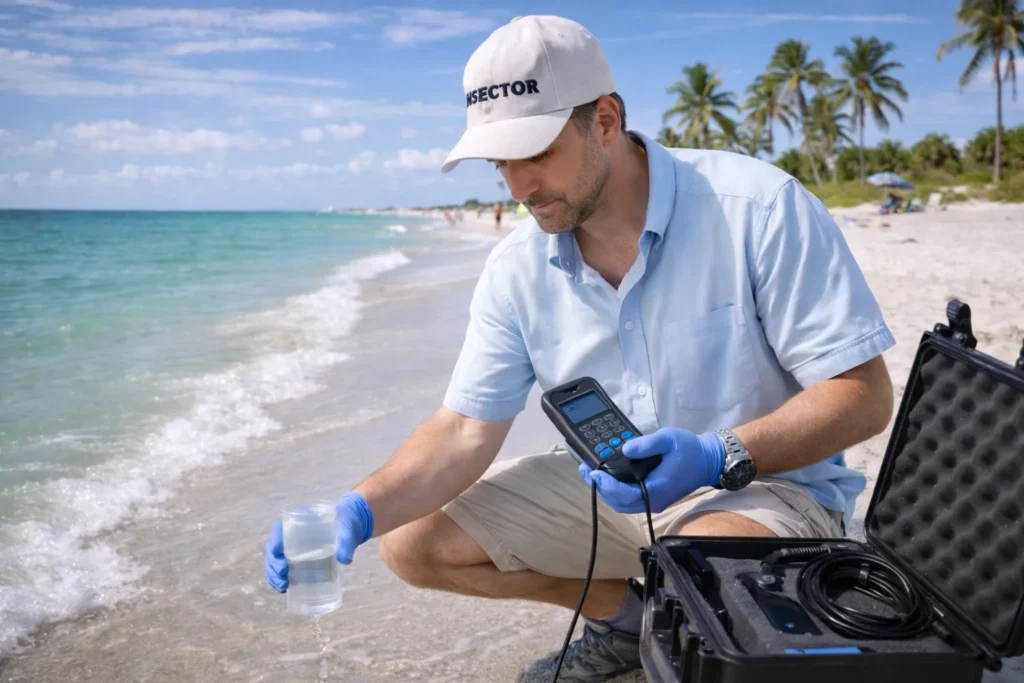
Florida is defined by its water. The department runs the Florida Healthy Beaches Program, which monitors water quality at beaches across the state.
- Enterococcus Bacteria: They test for this bacteria, which can indicate fecal pollution. If levels are high, the department issues health advisories to warn swimmers of potential illness.
- Public Pools and Spas: The department regulates and inspects public swimming pools to ensure proper chlorination and safety equipment are in place.
Food Hygiene and Sanitation
While restaurants are regulated by a different agency (the Department of Business and Professional Regulation), the FDOH regulates food service in specific institutions.
- Schools and Civic Organizations: They inspect cafeterias in schools, assisted living facilities, and detention centers.
- Group Care Facilities: Ensuring sanitary conditions in group homes and residential treatment centers.
Onsite Sewage Treatment (Septic Systems)
A significant portion of Florida relies on septic systems. The Environmental Health section permits and inspects the installation and repair of these systems to prevent groundwater contamination. This is vital for protecting Florida’s unique aquifer system.
Medical Quality Assurance and Licensing
For healthcare professionals, the Florida Health Department is the licensing authority. The Division of Medical Quality Assurance (MQA) regulates virtually every healthcare practitioner in the state.
Who Needs a License?
The list is extensive and includes:
- Medical Doctors (MDs) and Osteopathic Physicians (DOs)
- Nurses (RNs, LPNs, APRNs)
- Dentists and Dental Hygienists
- Pharmacists
- Physical Therapists
- Mental Health Counselors
- Massage Therapists
- EMTs and Paramedics
The MQA Services Portal
The MQA maintains an online portal where professionals can apply for licenses, renew existing ones, and update their practitioner profiles. For the public, this portal offers a “License Verification” search tool.
Why Use License Verification?
Before visiting a new doctor or specialist, patients can use this tool to verify that the provider has an active, clear license and check for any disciplinary actions or public complaints.
Emergency Preparedness and Response
Florida is prone to hurricanes, and the FDOH serves as the lead agency for Emergency Support Function 8 (Health and Medical Services).
Hurricane Response
During a storm, the department coordinates:
- Special Needs Shelters: Staffing shelters equipped for residents with medical needs that cannot be managed in a general population shelter.
- Deployment of Teams: Sending medical strike teams to impacted areas.
- Post-Storm Safety: Advising the public on water safety (boil water notices), carbon monoxide dangers, and mold prevention.
Public Health Emergencies
Whether it’s a Zika virus outbreak or a global pandemic, the department leads the epidemiological investigation, public messaging, and resource distribution (such as PPE or vaccines) to mitigate the threat.
Children’s Medical Services (CMS)
Children with special health care needs require specialized support. The Children’s Medical Services (CMS) plan is a collection of programs for children with serious or chronic medical conditions.
CMS Managed Care Plan:
This serves children eligible for Medicaid who have special needs. It provides a system of care that includes:
- Care Coordination: Families are assigned a care coordinator to help navigate appointments, therapies, and equipment needs.
- Network of Specialists: Access to pediatric specialists who are credentialed to treat complex conditions.
Early Steps:
This program offers early intervention services for infants and toddlers (birth to 36 months) who have significant developmental delays. By intervening early, the program aims to improve long-term developmental outcomes.
How to Locate Your Local County Health Department
Because Florida uses an integrated system, your point of contact will almost always be your local County Health Department (CHD).
Finding Your Local Office
You can easily locate your nearest office by visiting the main FDOH website and using the “Find a County Health Department” tool. Each of the 67 counties has its own dedicated page listing specific hours, locations, and available services.
Note on Service Variation:
While core services (like vital statistics and communicable disease control) are consistent, other clinical services can vary by county. For example, some larger counties might offer comprehensive dental clinics or primary care, while smaller rural counties might focus primarily on preventive services and WIC. Always call ahead or check the specific county website to confirm they offer the service you need.
The Role of Technology: Florida Health Connect
The department has increasingly embraced digital solutions to improve access to care. Telehealth initiatives and online portals are becoming more common.
- Telehealth: Some county health departments utilize telehealth for certain appointments, such as follow-ups or counseling, improving access for those in rural areas or with transportation barriers.
- Electronic Health Records: The move toward digitized records improves continuity of care if a patient moves from one county to another within the state system.
Addressing Health Equity in Florida
A critical component of the department’s modern mission is closing the health gap among different demographic groups. The Office of Minority Health and Health Equity works to ensure that all Floridians have equal access to resources.
Key Initiatives:
- Closing the Gap Grant Program: Funding community organizations that work to reduce racial and ethnic health disparities in areas like maternal health, cancer, and diabetes.
- Cultural Competency Training: Ensuring FDOH staff are trained to provide care that respects the diverse cultural health beliefs and practices of Florida’s population.
Conclusion
The Florida Health Department is a sprawling, multifaceted organization that touches the lives of residents in ways both visible and invisible. From the birth certificate you hold to the clean water you swim in, and the licensed doctor you visit, the FDOH is working in the background. Understanding how to navigate this system empowers you to take charge of your family’s well-being. Whether you need nutritional assistance through WIC, are seeking a professional license, or simply need a flu shot, the network of county health departments stands ready to serve. By utilizing these resources, we contribute to the collective goal of making Florida the healthiest state in the nation.
Frequently Asked Questions (FAQs)
Q1: How do I get a copy of my birth certificate in Florida?
A1: You can obtain a Florida birth certificate through the Bureau of Vital Statistics. You have three options: order online via VitalChek (the state’s approved vendor), visit your local County Health Department in person, or mail an application to the state office in Jacksonville. You will need valid photo identification and the appropriate fee.
Q2: Does the Florida Health Department offer primary care doctors?
A2: It depends on the county. While the primary focus of the FDOH is public health (prevention, immunization, disease control), some County Health Departments do operate clinics that offer primary care services, dental care, and women’s health services. You must check with your specific local office to see what clinical services are available.
Q3: How do I check if my doctor has a valid license in Florida?
A3: You can verify a healthcare provider’s license using the Medical Quality Assurance (MQA) Search Services portal on the Florida Health Department website. This tool allows you to see if the license is active and if there is any history of disciplinary action.
Q4: Is WIC the same as Food Stamps (SNAP)?
A4: No. WIC (Women, Infants, and Children) is a specific nutrition program administered by the Health Department for pregnant/postpartum women and young children. SNAP (Supplemental Nutrition Assistance Program) is administered by the Department of Children and Families and provides broader food assistance. However, many families are eligible for both.
Q5: Who regulates septic tanks in Florida?
A5: The Florida Department of Health regulates onsite sewage treatment and disposal systems (septic tanks). If you need a permit to install, repair, or abandon a septic system, you must apply through your local County Health Department’s Environmental Health section.

Sofia Bennett is a fashion writer and style observer known for her clean sense of aesthetics and trend analysis. She has covered fashion shows, reviewed designer collections, and interviewed independent creators. Sofia specializes in connecting fashion with real-life lifestyle choices, helping readers understand what looks good — and why.