The Health Department Virginia, officially known as the Virginia Department of Health (VDH), serves as the primary safeguard for public health across the Commonwealth. Whether you are a new parent seeking birth certificates, a restaurant owner needing a health inspection, or a resident looking for immunization clinics, this agency is your central resource. Understanding the extensive network of services provided by the VDH is crucial for maintaining personal wellness and ensuring community safety.
In this detailed guide, we will explore the structure, functions, and critical services offered by the state’s health department. From environmental health regulations to family wellness programs, we will break down how to access these resources effectively. By the end of this article, you will have a clear roadmap for navigating the public health system in Virginia.
What is the Virginia Department of Health?
The Virginia Department of Health is a state agency dedicated to protecting the health and promoting the well-being of all people in Virginia. Headquartered in Richmond, the VDH operates through a decentralized network of 35 health districts. These districts cover every county and city in the Commonwealth, ensuring that public health services are accessible at the local level.
While the central office establishes statewide policies and manages federal funding, the local health departments are the boots on the ground. They are responsible for delivering direct patient care, conducting environmental inspections, and responding to local health emergencies. This structure allows the Health Department Virginia to tailor its services to the unique needs of diverse communities, from the urban centers of Northern Virginia to the rural counties of Appalachia.
The Mission and Core Values
The mission of the VDH is simple yet profound: “To protect the health and promote the well-being of all people in Virginia.” To achieve this, the department operates under several core values:
- Health Equity: Ensuring that every Virginian has the opportunity to attain their full health potential, regardless of their social or economic circumstances.
- Scientific Integrity: Basing decisions and policies on the best available scientific evidence and data.
- Preparedness: maintaining a state of readiness to respond to natural disasters, disease outbreaks, and other public health emergencies.
- Community Partnership: Collaborating with local organizations, healthcare providers, and community leaders to improve health outcomes.
Essential Services for Virginia Residents
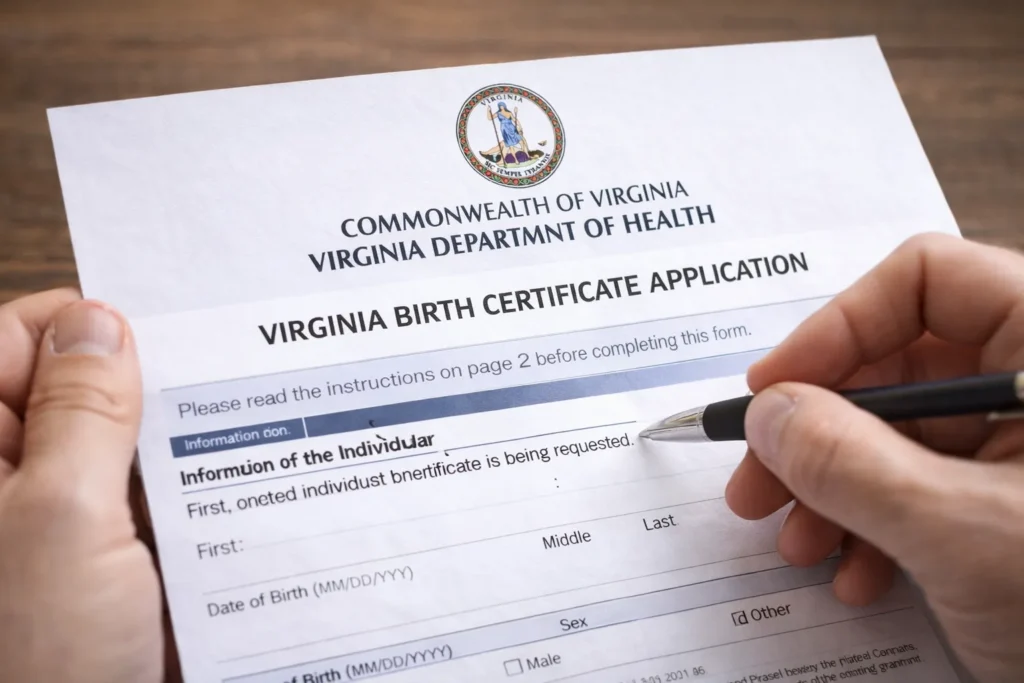
The VDH offers a vast array of services that touch nearly every aspect of daily life. These services are typically accessed through local health district offices.
1. Vital Records and Statistics
One of the most frequent interactions residents have with the health department is obtaining vital records. The Office of Vital Records manages the official documentation of life events in the Commonwealth.
- Birth Certificates: Essential for school registration, obtaining a driver’s license, or applying for a passport. These records are available for births that occurred in Virginia from 1853 to the present.
- Death Certificates: Required for settling estates, claiming life insurance, and Social Security benefits.
- Marriage and Divorce Records: Often needed for legal name changes or remarriage.
- Stillbirth Certificates: Providing documentation for fetal deaths.
How to Access Records:
Residents can request these documents in several ways:
- In-Person: At the central Office of Vital Records in Richmond or at full-service DMV locations.
- By Mail: Sending a completed application and fee to the central office.
- Online: Through approved third-party vendors like VitalChek.
It is important to note that Virginia has strict laws regarding who can obtain these records to protect privacy and prevent identity theft. Generally, only immediate family members (parents, spouses, children, siblings) are eligible to request certified copies of vital records.
2. Family Health and WIC Services
Supporting the health of mothers, infants, and children is a top priority for the Health Department Virginia. The Women, Infants, and Children (WIC) program is a cornerstone of this support.
What is WIC?
WIC is a federally funded nutrition program that provides healthy foods, nutrition education, breastfeeding support, and referrals to healthcare for eligible women and children.
Who is Eligible?
- Pregnant women.
- Breastfeeding women (up to one year postpartum).
- Non-breastfeeding postpartum women (up to six months).
- Infants and children up to age five.
- Applicants must meet income guidelines and have a nutritional risk assessed by a health professional.
Additional Family Services:
- Home Visiting Programs: Nurses or social workers visit expectant and new parents to provide guidance on infant care, development, and safety.
- Family Planning: Local health departments offer reproductive health services, including birth control counseling, STI testing, and education.
- Dental Health: Some districts provide dental clinics for children and pregnant women who lack dental insurance.
3. Immunization and Disease Prevention
Preventing the spread of infectious diseases is a fundamental responsibility of public health. The VDH manages statewide immunization efforts to protect residents from vaccine-preventable diseases.
Immunization Services:
- Childhood Vaccines: Ensuring children receive required shots for school entry, such as measles, mumps, rubella (MMR), polio, and chickenpox.
- Adult Vaccines: Offering flu shots, shingles vaccines, and tetanus boosters.
- Travel Clinics: Some larger health districts offer specialized vaccines required for international travel, along with health advice for travelers.
Disease Surveillance:
The department constantly monitors for outbreaks of diseases like influenza, COVID-19, Lyme disease, and foodborne illnesses. Epidemiologists analyze data to identify trends and implement control measures to stop the spread of infection.
4. Environmental Health Services
The Health Department Virginia plays a critical regulatory role in maintaining a safe environment. The Office of Environmental Health Services oversees programs that directly impact the air you breathe, the water you drink, and the food you eat.
Food Safety and Hospitality:
- Restaurant Inspections: Environmental health specialists conduct regular inspections of restaurants, cafeterias, and mobile food units to ensure compliance with food safety regulations.
- Permitting: Any establishment serving food to the public must obtain a permit from the local health department.
- Foodborne Illness Investigation: If a foodborne outbreak is suspected, the department investigates to identify the source and prevent further illness.
Onsite Sewage and Water Services:
A significant portion of Virginia residents rely on private wells and septic systems.
- Septic System Permitting: The department issues permits for the installation and repair of onsite sewage systems to prevent groundwater contamination.
- Well Water Testing: Residents can access resources and testing services to ensure their private well water is safe to drink.
Marinas and Shellfish Sanitation:
Given Virginia’s extensive coastline, protecting water quality is vital. The Division of Shellfish Safety monitors growing areas for oysters and clams to ensure they are safe for harvest and consumption. They also inspect marinas to prevent pollution.
Emergency Preparedness and Response
The VDH is the lead agency for Emergency Support Function 8 (Health and Medical) in the Commonwealth’s emergency response plan. This means they coordinate the medical response during disasters.
Responding to Natural Disasters
Virginia is prone to various natural hazards, including hurricanes, floods, and winter storms.
- Shelter Support: The health department coordinates medical staffing for emergency shelters, ensuring that residents with special medical needs are cared for during evacuations.
- Public Safety Messaging: Issuing advisories on water safety (boil water notices), food safety after power outages, and carbon monoxide prevention.
Public Health Emergencies
In the event of a pandemic or biological threat, the VDH leads the charge.
- Medical Countermeasures: Managing the Strategic National Stockpile distribution of medicines and supplies to affected areas.
- Mass Vaccination: Setting up large-scale clinics to administer vaccines or distribute prophylactics during an outbreak.
- Information Hub: Serving as the primary source of accurate, up-to-date health information for the public and media.
Medical Examiner and Forensics
The Office of the Chief Medical Examiner (OCME) operates under the Virginia Department of Health. This office is responsible for investigating deaths that occur in the Commonwealth under specific circumstances.
When is the Medical Examiner Involved?
The OCME investigates deaths that are:
- Sudden, unexpected, or violent.
- Suspicious or unexplained.
- Occurring in police custody or state institutions.
- Resulting from trauma or injury, regardless of the time elapsed.
The goal is to determine the cause and manner of death. This information is critical for criminal investigations, public health surveillance (such as tracking opioid overdose deaths), and providing closure to families.
Health Equity and Minority Health
Recognizing that health outcomes vary significantly across different demographic groups, the VDH established the Office of Health Equity (OHE). This office works to identify and address health disparities.
Key Focus Areas:
- Rural Health: Virginia has a large rural population that faces unique challenges, such as physician shortages and transportation barriers. The OHE works to improve access to care in these underserved areas.
- Minority Health: Addressing higher rates of chronic diseases like diabetes, hypertension, and heart disease in minority communities through targeted education and outreach programs.
- Primary Care Access: Designating “Health Professional Shortage Areas” to attract doctors and nurses to underserved communities through scholarship and loan repayment programs.
Licensing and Regulation of Healthcare Facilities
While individual healthcare practitioners (like doctors and nurses) are licensed by the Department of Health Professions, the Health Department Virginia is responsible for licensing and regulating healthcare facilities.
Facilities Regulated by VDH:
- Hospitals
- Nursing Homes and Skilled Nursing Facilities
- Hospice Programs
- Home Care Organizations
- Outpatient Surgical Centers
The Office of Licensure and Certification conducts inspections to ensuring these facilities meet state and federal standards for quality of care and patient safety. They also investigate complaints filed by patients or their families regarding care received in these institutions.
How to Locate and Contact Your Local Health District
Virginia is divided into 35 health districts, each serving a specific geographic area. Because the system is decentralized, your primary point of contact for services will be your local district office.
Finding Your Local Department
The VDH website features a “Local Health Districts” directory. You can search by your county or city to find the specific contact information, address, and website for your local office.
Why Contact Local Offices Directly?
- Appointment Scheduling: Clinical services like immunizations and WIC appointments are scheduled locally.
- Specific Programs: Some districts offer unique programs based on local needs, such as diabetes prevention classes or car seat safety checks, which may not be available statewide.
- Environmental Permits: Applications for septic permits or restaurant inspections must be filed with the local environmental health office.
Digital Resources and Telehealth
The VDH has modernized its approach to service delivery, offering more digital tools to improve access for residents.
- VDH Website: A comprehensive hub of information on everything from beach water monitoring results to communicable disease data dashboards.
- Telehealth Services: In response to the COVID-19 pandemic and the need for greater access in rural areas, many local health districts have expanded telehealth capabilities for services like WIC counseling and infectious disease follow-ups.
- Online Portals: Systems like the Virginia Immunization Information System (VIIS) allow healthcare providers and schools to access vaccination records securely.
Addressing the Opioid Crisis
Like many states, Virginia has been impacted by the opioid epidemic. The Health Department Virginia plays a central role in the state’s response strategy.
Harm Reduction Programs:
- Comprehensive Harm Reduction: Authorized in certain areas, these programs offer needle exchanges to prevent the spread of HIV and Hepatitis C among people who inject drugs.
- Naloxone Distribution: The VDH facilitates the distribution of Naloxone (Narcan), a life-saving medication that can reverse opioid overdoses. They provide training to law enforcement, community groups, and families on how to administer it.
- Addiction Recovery: Connecting individuals with substance use disorders to treatment and recovery resources.
School Health Guidelines
The health department works closely with the Virginia Department of Education to set health standards for schools.
- School Entrance Requirements: Defining which physical exams and immunizations are required for enrollment.
- Health Guidelines: Providing protocols for managing communicable diseases in schools (like flu or lice) and managing chronic conditions like asthma and diabetes in the classroom.
- School Nurse Support: Offering training and resources to school nurses who serve as the frontline health providers for students.
Conclusion
The Health Department Virginia is an intricate network designed to protect the Commonwealth’s most valuable asset: its people. From the vital records that document our beginnings to the medical examiners who investigate our endings, the VDH is present at every stage of life. It ensures the food we eat is safe, the water we drink is clean, and that our communities are prepared for emergencies.
Navigating this system doesn’t have to be complicated. By understanding the division of labor between the central office and local health districts, residents can quickly find the resources they need. Whether you are seeking a septic permit, a birth certificate, or nutritional support for your family, the dedicated professionals at the Virginia Department of Health are there to serve. Engaging with these public health resources is a proactive step toward a healthier life for you and a safer environment for your community.
Frequently Asked Questions (FAQs)
Q1: How do I schedule an appointment with the Health Department Virginia?
A1: Appointments are managed by local health districts. You must locate your specific city or county health department using the VDH website and contact them directly. Most clinical services, such as immunizations, WIC, and family planning, require an appointment, although some clinics may offer walk-in hours.
Q2: Can I get a copy of my marriage license from the health department?
A2: Yes, the Office of Vital Records maintains marriage records. You can request a certified copy in person at a full-service DMV, by mail to the central office in Richmond, or online through VitalChek. Note that records are generally only available to the bride, groom, or immediate family members.
Q3: How do I report a restaurant for unsanitary conditions?
A3: Complaints regarding restaurant sanitation or suspected foodborne illness should be directed to the Environmental Health division of the local health department where the restaurant is located. You can usually file a complaint by phone or via an online form on the district’s website.
Q4: Does the VDH offer primary care doctors?
A4: Generally, the health department does not function as a primary care provider for general medical needs. Their clinical focus is on public health services like immunizations, STI testing, and family planning. However, many districts partner with “Safety Net” providers and Community Health Centers to refer uninsured residents to low-cost primary care.
Q5: What should I do if I lost my vaccination card?
A5: You can access your immunization records through the Virginia Immunization Information System (VIIS) portal. While you cannot directly log in to change records, you can request a copy of your record through the VDH website or by contacting your local health department or primary care provider, who can access the system.

Sofia Bennett is a fashion writer and style observer known for her clean sense of aesthetics and trend analysis. She has covered fashion shows, reviewed designer collections, and interviewed independent creators. Sofia specializes in connecting fashion with real-life lifestyle choices, helping readers understand what looks good — and why.