
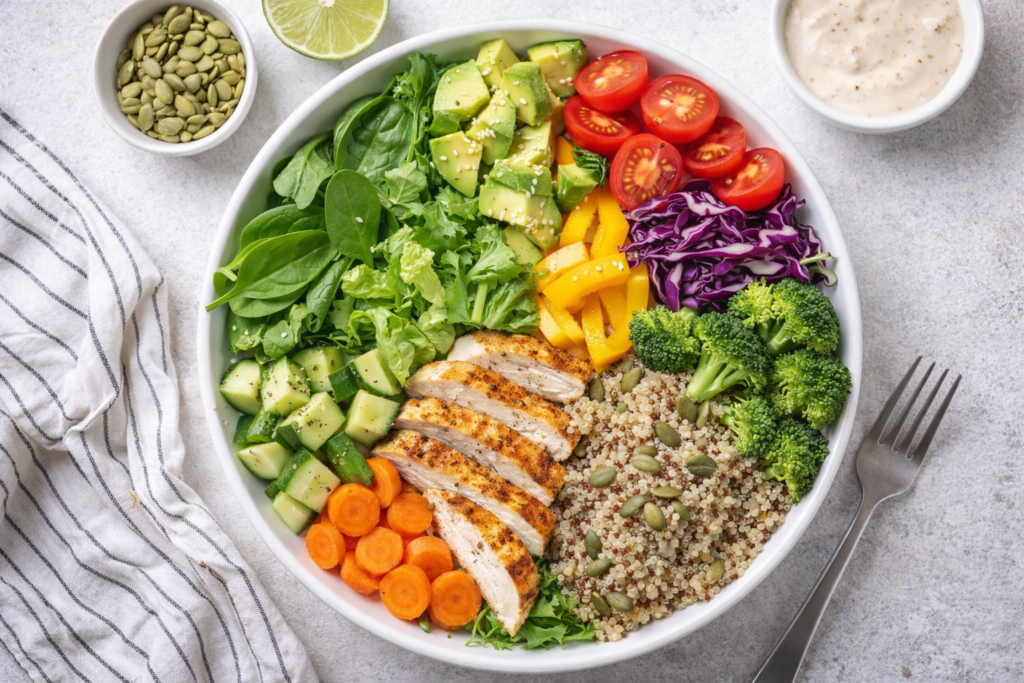
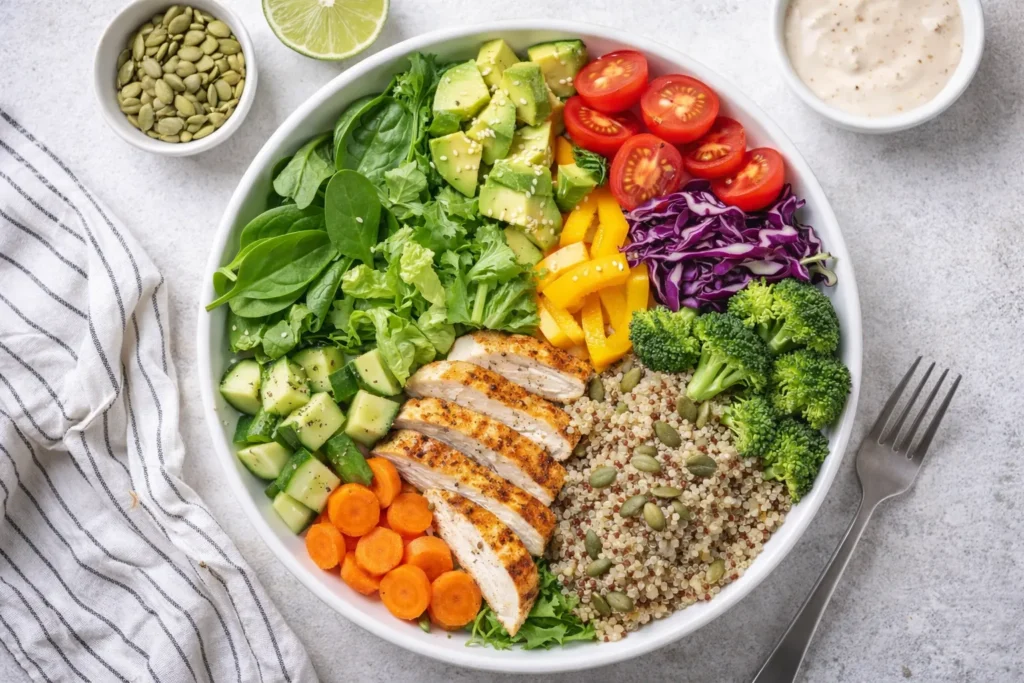
Eating well shouldn’t feel like a chore. The best recipes for health are those that nourish your body, delight your taste buds, and fit seamlessly into your busy life. When food is both delicious and nutritious, healthy eating becomes a sustainable and joyful practice rather than a restrictive diet. This guide is designed to provide you with inspiration and practical recipes that prove you don’t have to choose between flavor and wellness. We will explore what makes a recipe truly healthy and share ideas for every meal of the day.
From energizing breakfasts that kickstart your morning to satisfying dinners that help you unwind, these meals are packed with whole foods, essential nutrients, and incredible flavor. Get ready to transform your kitchen into a hub of health and wellness, one delicious meal at a time.
The Philosophy of Healthy Eating: More Than Just Calories
Before diving into recipes, it’s important to understand the principles behind healthy cooking. A truly healthy meal is about much more than just counting calories or cutting out food groups. It’s about creating a balanced plate that provides the macronutrients and micronutrients your body needs to thrive.
The Building Blocks of a Healthy Plate
A simple way to structure your meals is to follow the “healthy plate” model. Aim to fill your plate with:
- 50% Fruits and Vegetables: These are packed with vitamins, minerals, fiber, and antioxidants. A colorful plate usually indicates a wide variety of nutrients.
- 25% Lean Protein: Protein is essential for building and repairing tissues, supporting muscle mass, and keeping you feeling full. Good sources include chicken, fish, beans, lentils, tofu, and Greek yogurt.
- 25% Whole Grains or Complex Carbohydrates: Unlike refined carbs, whole grains provide sustained energy and are rich in fiber, B vitamins, and minerals. Think quinoa, brown rice, oats, and whole-wheat bread.
- A Dash of Healthy Fats: Healthy fats are crucial for brain health, hormone production, and absorbing fat-soluble vitamins. Include sources like avocado, nuts, seeds, and olive oil in moderation.
By focusing on this balance, you create meals that are naturally satisfying and nutrient-dense, supporting everything from your energy levels to your immune system.
Energizing Breakfast Recipes for Health
Breakfast sets the tone for your entire day. A nutrient-rich morning meal can stabilize your blood sugar, improve focus, and prevent overeating later. Ditch the sugary cereals and start your day with one of these powerful options.
1. The Ultimate Green Smoothie
This smoothie is a quick and easy way to pack a huge nutritional punch into your morning. It’s loaded with greens, protein, and healthy fats to keep you full and focused.
Ingredients:
- 1 large handful of fresh spinach or kale
- 1/2 frozen banana (for creaminess and natural sweetness)
- 1/2 cup frozen pineapple or mango chunks
- 1 scoop of unflavored or vanilla protein powder
- 1 tablespoon of chia seeds or ground flaxseed
- 1 tablespoon of almond butter
- 1 cup of unsweetened almond milk or water
Instructions:
- Add all ingredients to a high-speed blender.
- Blend on high until completely smooth, about 60-90 seconds.
- Pour into a glass and enjoy immediately.
Why it’s healthy: Spinach provides iron and vitamins K and A, while the protein powder and almond butter offer a satisfying combination of protein and healthy fats. Chia seeds add fiber and omega-3 fatty acids.
2. Savory Oatmeal with a Fried Egg
Oatmeal doesn’t have to be sweet. This savory version transforms the classic breakfast into a hearty, protein-packed meal that feels like a breakfast-for-dinner treat.
Ingredients:
- 1/2 cup old-fashioned rolled oats
- 1 cup water or vegetable broth
- 1 teaspoon olive oil
- 1 large egg
- A handful of spinach or arugula
- 1 tablespoon grated Parmesan cheese (optional)
- Salt, pepper, and red pepper flakes to taste
- Optional toppings: Sliced avocado, sautéed mushrooms, hot sauce
Instructions:
- In a small saucepan, bring the water or broth to a boil. Add the oats, reduce heat, and simmer for 5-7 minutes, stirring occasionally, until the liquid is absorbed.
- While the oats are cooking, heat the olive oil in a small non-stick skillet over medium heat. Crack the egg into the skillet and cook to your desired doneness (sunny-side up or over-easy works best).
- Once the oats are cooked, stir in the spinach or arugula until it wilts. Season with salt and pepper.
- Pour the oatmeal into a bowl, top with the fried egg, Parmesan cheese, and any other desired toppings.
Why it’s healthy: This meal provides a perfect balance of complex carbs from the oats, protein from the egg, and vitamins from the greens.
Wholesome and Quick Lunch Ideas
Lunch is your chance to refuel and power through the afternoon. These recipes are designed to be quick to assemble, easy to pack for work, and delicious enough to look forward to.
1. Mediterranean Quinoa Salad Jars
Meal prep is your best friend for healthy lunches. These salad jars are a game-changer—they keep your ingredients fresh and crisp until you’re ready to eat.
Ingredients (for one jar):
- Dressing (bottom layer): 2 tablespoons olive oil, 1 tablespoon lemon juice, 1/2 teaspoon dried oregano, salt, and pepper.
- Hard Vegetables (next layer): 1/4 cup chopped cucumber, 1/4 cup chopped bell peppers, 2 tablespoons chopped red onion.
- Grains and Protein (middle layer): 1/2 cup cooked quinoa, 1/2 cup chickpeas (canned, rinsed).
- Softer Items (next layer): 1/4 cup cherry tomatoes (halved), 2 tablespoons crumbled feta cheese.
- Greens (top layer): A large handful of mixed greens or romaine lettuce.
Instructions:
- Layer the ingredients in a large mason jar in the order listed above. The key is to keep the dressing at the bottom and the greens at the top to prevent sogginess.
- Seal the jar and store it in the refrigerator for up to 4 days.
- When ready to eat, simply shake the jar vigorously to distribute the dressing, then pour it into a bowl.
Why it’s healthy: This salad is a powerhouse of plant-based protein, fiber, and healthy fats. The variety of vegetables provides a wide range of vitamins and antioxidants.
2. 10-Minute Black Bean and Corn Salsa Chicken
This recipe is perfect for using leftover chicken or a store-bought rotisserie chicken. It comes together in minutes and can be served in a whole-wheat wrap, over a bed of greens, or with a side of brown rice.
Ingredients:
- 1 cup cooked and shredded chicken breast
- 1/2 cup canned black beans, rinsed
- 1/2 cup frozen or canned corn
- 1/4 cup chopped red onion
- 1/4 cup chopped cilantro
- 1 jalapeño, finely diced (optional)
- Juice of 1 lime
- Salt and pepper to taste
Instructions:
- In a medium bowl, combine the shredded chicken, black beans, corn, red onion, cilantro, and jalapeño (if using).
- Squeeze the lime juice over the mixture and toss to combine.
- Season with salt and pepper to your liking.
- Serve immediately or store in the refrigerator for a quick lunch.
Why it’s healthy: It’s packed with lean protein from the chicken and fiber from the black beans, making it a filling and blood-sugar-stabilizing meal.
Satisfying and Simple Dinner Recipes
Dinner should be a time to relax and enjoy a comforting, nourishing meal. These recipes are simple enough for a weeknight but special enough for a weekend.
1. One-Pan Lemon Herb Salmon and Veggies
One-pan meals are the ultimate solution for a busy weeknight. They are easy to prepare, easy to cook, and even easier to clean up.
Ingredients:
- 2 (6-ounce) salmon fillets, skin on or off
- 1 bunch of asparagus, tough ends trimmed
- 1 pint of cherry tomatoes
- 1 red onion, cut into wedges
- 2 tablespoons olive oil, divided
- 1 teaspoon dried oregano
- 1 teaspoon dried basil
- Salt and pepper to taste
- 1 lemon, half sliced, half for juice
Instructions:
- Preheat your oven to 400°F (200°C). Line a large baking sheet with parchment paper.
- In a large bowl, toss the asparagus, cherry tomatoes, and red onion with 1 tablespoon of olive oil, oregano, basil, salt, and pepper. Spread the vegetables in a single layer on the prepared baking sheet.
- Roast the vegetables for 10-12 minutes.
- While the vegetables are roasting, pat the salmon fillets dry with a paper towel. Rub them with the remaining 1 tablespoon of olive oil and season with salt and pepper.
- Remove the baking sheet from the oven. Push the vegetables to the sides to make space for the salmon in the center. Place the salmon fillets on the sheet and top each with a few lemon slices.
- Return the pan to the oven and roast for another 12-15 minutes, or until the salmon is cooked through and flakes easily with a fork.
- Squeeze the juice from the remaining lemon half over the salmon and vegetables before serving.
Why it’s healthy: Salmon is an excellent source of omega-3 fatty acids, which are critical for heart and brain health. The variety of vegetables adds fiber and essential nutrients.
2. Hearty Lentil and Vegetable Stew
This vegan stew is a perfect example of how recipes for health can be incredibly comforting and hearty. Lentils are a fantastic source of plant-based protein and fiber.
Ingredients:
- 1 tablespoon olive oil
- 1 large onion, chopped
- 2 carrots, chopped
- 2 celery stalks, chopped
- 3 cloves garlic, minced
- 1 cup brown or green lentils, rinsed
- 6 cups vegetable broth
- 1 (14.5-ounce) can of diced tomatoes, undrained
- 1 teaspoon dried thyme
- 1 bay leaf
- 2 cups chopped kale or spinach
- Salt and pepper to taste
Instructions:
- Heat the olive oil in a large pot or Dutch oven over medium heat. Add the onion, carrots, and celery. Sauté for 5-7 minutes until softened.
- Add the minced garlic and cook for another minute until fragrant.
- Stir in the rinsed lentils, vegetable broth, diced tomatoes, thyme, and bay leaf.
- Bring the stew to a boil, then reduce the heat to low, cover, and let it simmer for 40-50 minutes, or until the lentils are tender.
- Remove the bay leaf. Stir in the kale or spinach and cook for another 3-5 minutes until the greens are wilted.
- Season generously with salt and pepper to taste. Serve hot.
Why it’s healthy: This stew is a fiber-rich, low-fat, and protein-packed meal. The combination of lentils and vegetables supports digestive health and provides long-lasting energy.
Healthy Snacks and Treats
Snacking is not the enemy of health—as long as you choose wisely. These snacks will satisfy your cravings and provide a bridge of energy between meals.
1. Roasted Chickpeas
A crunchy, savory snack that is far healthier than a bag of potato chips.
Ingredients:
- 1 (15-ounce) can chickpeas, rinsed and drained
- 1 tablespoon olive oil
- 1/2 teaspoon smoked paprika
- 1/4 teaspoon garlic powder
- Salt to taste
Instructions:
- Preheat oven to 400°F (200°C).
- Dry the chickpeas thoroughly with a paper towel. This is the key to getting them crispy.
- In a bowl, toss the chickpeas with olive oil and spices until evenly coated.
- Spread them in a single layer on a baking sheet.
- Roast for 20-30 minutes, shaking the pan halfway through, until golden and crispy. Let them cool slightly before eating.
2. No-Bake Energy Bites
Perfect for a pre-workout boost or an afternoon pick-me-up.
Ingredients:
- 1 cup old-fashioned rolled oats
- 1/2 cup creamy peanut butter or almond butter
- 1/3 cup honey or maple syrup
- 1/4 cup ground flaxseed
- 2 tablespoons chia seeds
- 1 teaspoon vanilla extract
- 1/4 cup mini dark chocolate chips (optional)
Instructions:
- In a medium bowl, mix all ingredients until well combined.
- Chill the mixture in the refrigerator for 30 minutes to make it easier to handle.
- Roll the mixture into small, one-inch balls.
- Store in an airtight container in the refrigerator for up to a week.
Conclusion
Embracing recipes for health is about making a positive and lasting change to your lifestyle. It’s about discovering the joy of cooking with whole, vibrant ingredients and feeling the incredible benefits of nourishing your body from the inside out. The meals shared here are just a starting point. Use them as inspiration to experiment in your own kitchen. Swap vegetables, try different spices, and find the healthy flavor combinations that you love. When you focus on creating food that is both delicious and good for you, you build a foundation for lifelong health and wellness.
Frequently Asked Questions (FAQs)
Q1: How can I make my favorite unhealthy recipes healthier?
A1: There are several simple swaps you can make. Use whole-wheat flour instead of white flour, replace sour cream with plain Greek yogurt, bake or air-fry instead of deep-frying, and load up on extra vegetables in pasta sauces or casseroles. Reducing the amount of sugar and salt by a quarter is often unnoticeable but makes a big difference.
Q2: What are some essential healthy ingredients to always have on hand?
A2: A well-stocked pantry is key. Good items to have include: canned beans and lentils, quinoa, brown rice, rolled oats, low-sodium broth, canned tomatoes, olive oil, nuts, seeds, and a variety of dried herbs and spices. In your fridge, keep eggs, Greek yogurt, and plenty of fresh vegetables.
Q3: I don’t have a lot of time to cook. What is the best strategy for me?
A3: Meal prepping is a great strategy. Dedicate a few hours on the weekend to wash and chop vegetables, cook a batch of whole grains like quinoa or brown rice, and grill some chicken breasts. Having these components ready makes assembling quick and healthy meals during the week much easier. One-pan dinners are also a fantastic time-saver.
Q4: Can healthy food really taste good?
A4: Absolutely! The key to delicious healthy food is learning how to build flavor. Use fresh herbs, spices, citrus juice (lemon and lime), garlic, onions, and high-quality vinegars. Roasting vegetables brings out their natural sweetness, and a good sear on a piece of fish or chicken creates incredible flavor.
Q5: Are smoothies actually a healthy choice?
A5: Smoothies can be very healthy, but they can also be sugar bombs if not made correctly. To keep them healthy, focus on including a source of protein (protein powder, Greek yogurt), healthy fat (avocado, nut butter), and fiber (chia seeds, flaxseed, leafy greens). Limit high-sugar fruits and avoid adding fruit juices or sweeteners.

Sofia Bennett is a fashion writer and style observer known for her clean sense of aesthetics and trend analysis. She has covered fashion shows, reviewed designer collections, and interviewed independent creators. Sofia specializes in connecting fashion with real-life lifestyle choices, helping readers understand what looks good — and why.





52winfun– yeah, it’s alright. Pretty standard setup, but hey, sometimes simple is good, right? Good place to kill some time 52winfun.
Simple, easy login is my kind of thing. Anyone having issues with w888login? Smooth sailing or a pain in the butt? Let me know before I waste my time on a clunky site. See what it’s all about at w888login.
Na99club, never heard of it. Is it some kinda VIP thing? High rollers only? Someone fill me in. I’m curious but cautious! Click to see na99club.