
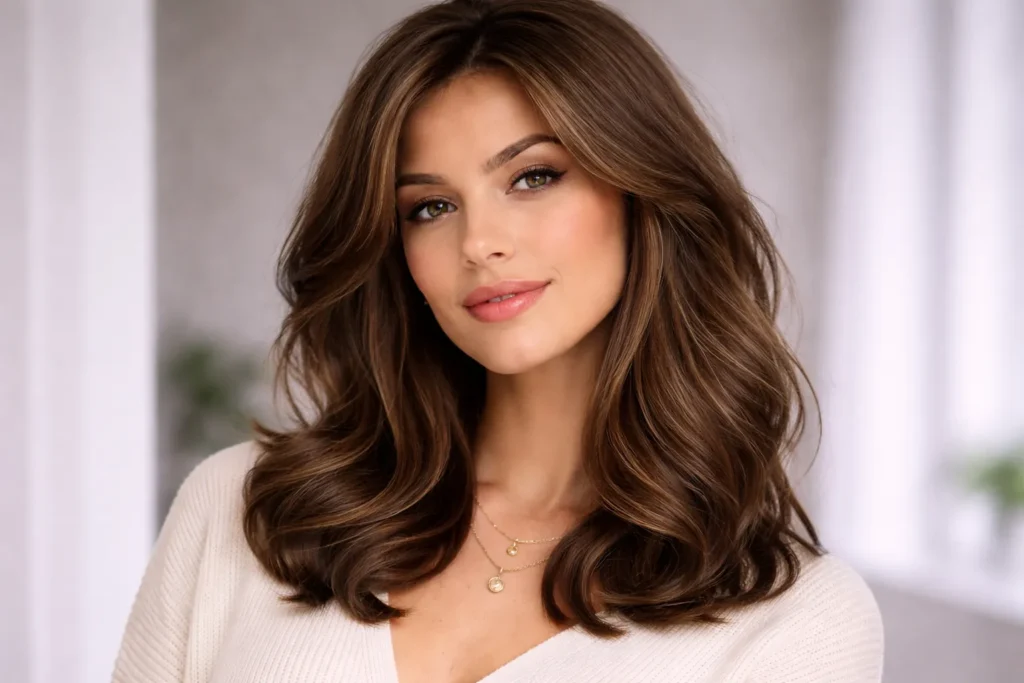
The “old money” aesthetic has taken the fashion and beauty world by storm, celebrating a brand of quiet luxury that whispers rather than shouts. Central to this trend are the iconic old money hairstyles looks that are polished, timeless, and effortlessly chic. These styles prioritize health, classic shapes, and subtle sophistication over fleeting trends. They suggest an inherited sense of style, where hair is healthy, impeccably maintained, and never looks over-styled.
This aesthetic isn’t about appearing wealthy; it’s about embracing a philosophy of understated elegance. Think of classic icons like Grace Kelly and Audrey Hepburn, or modern torchbearers like Sofia Richie Grainge. Their hair is always glossy, perfectly in place, and exudes a sense of refined poise.
This comprehensive guide will walk you through everything you need to know about achieving the old money look. We will explore the core principles of the aesthetic, break down the most iconic hairstyles for every length, and provide tips on maintenance and styling to help you cultivate that signature, polished finish.
The Philosophy Behind Old Money Hair
Before diving into specific styles, it’s important to understand the guiding principles of the old money aesthetic. This isn’t just about a haircut; it’s an entire approach to hair care and presentation.
1. Health is the Ultimate Luxury
The number one characteristic of old money hair is its exceptional health. Hair is seen as a long-term investment.
- Shine and Gloss: Hair is luminous, reflecting light and indicating a smooth, healthy cuticle. Split ends, frizz, and dryness are non-existent.
- Natural Color: Hair color is typically natural or very close to it. If dyed, the color is rich, dimensional, and impeccably maintained, with no visible roots. Think expensive-looking brunette, buttery blonde, or rich auburn.
- Subtle Volume: Volume is natural and bouncy, never stiff or obviously teased. It comes from a great blowout, not a can of super-hold hairspray.
2. Timeless Over Trendy
Old money hairstyles are classics for a reason. They have flattering shapes that have stood the test of time. You won’t see edgy mullets, neon colors, or severe undercuts here. The focus is on styles that look just as elegant today as they would have 50 years ago.
3. Effortless, Not Undone
A key distinction is the idea of “effortless” versus “undone.” While the hair looks natural and soft, it is never messy. Every strand is in its place. This look is the result of significant effort—regular trims, deep conditioning treatments, and expert styling—that is made to look completely natural.
Iconic Old Money Hairstyles for Every Length
The old money aesthetic can be adapted to any hair length. The key is the execution and the finish.
Short Hair: Polished and Chic
Short hair in the old money world is always intentional and impeccably shaped.
- The Classic Bob: A sharp, chin-length bob with clean lines is a hallmark of this style. It can be worn straight and sleek or with a soft, bouncy blowout that curls the ends under. It’s polished, powerful, and timeless.
- The Soft Pixie: Think of Audrey Hepburn’s iconic short cut. It’s a gamine, feminine style that is soft around the edges, not spiky or severe. It frames the face beautifully and highlights bone structure.
- The Bixie (Bob-Pixie): A slightly longer pixie cut that has the shape of a bob but the length of a pixie. It offers more styling versatility while remaining neat and chic.
Medium-Length Hair: The Versatile Sweet Spot
Medium-length hair, typically falling between the chin and the collarbone, is incredibly versatile and a favorite within the quiet luxury aesthetic.
- The Lob (Long Bob): A collarbone-grazing cut is universally flattering. For an old money feel, it should be styled with a healthy bounce and subtle layers that add movement without looking shaggy.
- The Flipped-Ends Blowout: A nod to the ‘60s and ‘90s, a simple blowout with the ends flipped slightly outwards or inwards looks incredibly polished. It requires skill to look this simple and clean.
- Soft, Bouncy Curls: Think of a fresh-from-the-salon blowout using a round brush or large-barrel curling iron. The curls are uniform, glossy, and full of life, not beachy or messy.
Long Hair: The Picture of Health
Long hair is a status symbol in itself, as it requires dedication to keep it healthy. Old money hairstyles for long hair are all about showcasing that health.
- The Ninety-Degree Cut: This involves long layers cut at a 90-degree angle to create seamless, flowing movement. It’s the secret behind the voluminous, bouncy hair seen on many It-girls.
- The Simple Straight Blowout: Long, healthy hair worn straight and sleek is a statement in itself. The key is a mirror-like shine and absolutely no frizz. A silk press or a good blowout with a flat iron can achieve this.
- Gentle, Flowing Waves: Not to be confused with messy beach waves, old money waves are large, uniform, and glossy. They are created with a large curling iron or hot rollers and brushed out for a soft, cohesive look.
Elegant Updos and Ponytails
How the hair is tied back is just as important as how it’s worn down.
The Low Ponytail
The low ponytail is a staple. Tied at the nape of the neck, it’s sleek and sophisticated.
- How to Elevate It: Hide the hair elastic by taking a small strand of hair from the ponytail, wrapping it around the base, and securing it with a bobby pin. Ensure there are no flyaways by using a light-hold hairspray or smoothing cream.
The Chignon or Low Bun
A chignon is a simple, elegant knot or bun at the nape of the neck.
- The Sleek Chignon: Part the hair cleanly (center or side) and smooth it back into a tight, perfect bun. This is a go-to for formal events.
- The Soft Chignon: A slightly looser version with a few soft pieces left out to frame the face. It’s romantic yet still incredibly polished.
The High Ponytail
While less common, a high ponytail can fit the aesthetic if done correctly. It should be sleek and snatched, with the hair perfectly smooth and the tail full of bounce. Think of a classic equestrian look.
Must-Have Hair Accessories
Accessories are used sparingly and are always high-quality and functional.
- The Silk Scarf: A silk scarf from a heritage brand like Hermès can be tied around a ponytail, used as a headband, or woven into a braid. It adds a touch of color and personality.
- The Headband: A simple, padded velvet or leather headband on smooth, blown-out hair is a classic, preppy look. Avoid overly embellished or glittery options.
- Claw Clips: For a more casual look, a high-quality acetate or metal claw clip is used to create a simple French twist. The clip itself is elegant, not a cheap plastic version.
- Simple Hair Ties: When hair ties are visible, they are often simple, high-quality elastics or a classic ribbon.
Achieving the Look: Hair Care and Styling Tips
The foundation of all old money hairstyles is impeccable hair health.
- Invest in Quality Hair Care: Use sulfate-free shampoos and conditioners that are tailored to your hair type. Regular deep conditioning masks are non-negotiable.
- Regular Trims: To maintain clean lines and prevent split ends, get your hair trimmed every 6-8 weeks, even if you are growing it out.
- Master the Blowout: The perfect at-home blowout is the number one skill to learn.
- Tools: Invest in a powerful hairdryer with a nozzle and a good set of round brushes in various sizes.
- Products: Use a heat protectant and a smoothing serum or mousse to achieve a glossy finish.
- Technique: Work in small sections, pointing the nozzle down the hair shaft to smooth the cuticle and create shine.
- Protect Your Hair: Use heat protectant every time you style with hot tools. Sleep on a silk pillowcase to prevent frizz and breakage.
- Less is More with Products: Hair should have movement. Avoid heavy gels, waxes, or sticky hairsprays. Opt for light-hold sprays, smoothing creams, and shine serums.
Conclusion
The allure of old money hairstyles lies in their timeless sophistication and celebration of natural, healthy hair. This aesthetic is not about chasing fleeting trends but about investing in quality, both in your hair care routine and your choice of classic styles. It is a commitment to presenting a polished, elegant version of yourself every day.
By focusing on hair health, choosing a classic cut that flatters your features, and mastering a few key styling techniques like the perfect blowout or a sleek chignon, you can capture the essence of this quiet luxury. It’s an approach to beauty that is both aspirational and achievable, proving that true style is always understated.
Frequently Asked Questions (FAQs)
Q: What hair colors fit the old money aesthetic?
A: Natural-looking colors are key. This includes rich brunettes, dimensional blondes (avoiding anything too white or ashy), deep auburns, and glossy black. The color should look expensive and be perfectly maintained, with no visible roots. Techniques like balayage can work if they are extremely subtle and well-blended.
Q: Can I have old money hair with bangs?
A: Yes. Classic, soft bangs like curtain bangs or a wispy side-swept fringe can fit the aesthetic beautifully. They should be well-maintained and blended seamlessly with the rest of the haircut, not blunt or severe.
Q: Is curly hair considered “old money”?
A: Absolutely. The key for naturally curly hair is health and definition. Curls should be hydrated, bouncy, and free of frizz. A great cut that enhances the curl pattern and a routine using high-quality curl creams and gels is essential to achieving a polished, old money look with curly hair.
Q: How do I get that “old money” hair shine?
A: Shine comes from a smooth, sealed hair cuticle. Achieve this with regular deep conditioning treatments, using a clarifying shampoo once a month to remove product buildup, finishing a hair wash with a cool water rinse, and using a boar bristle brush to distribute natural oils. A gloss treatment at the salon or a shine serum can also add a final touch.
Q: What is the difference between “old money” and “new money” hair?
A: Generally, “new money” aesthetics are often associated with more obvious, trend-driven looks—think very long extensions, dramatic platinum blonde, or intricate, flashy styles. “Old money” hair is about subtlety, classic shapes, and showcasing natural hair health. It’s understated rather than overt.

Sofia Bennett is a fashion writer and style observer known for her clean sense of aesthetics and trend analysis. She has covered fashion shows, reviewed designer collections, and interviewed independent creators. Sofia specializes in connecting fashion with real-life lifestyle choices, helping readers understand what looks good — and why.