

I still remember the first time I heard “Green Onions” — that smooth, soulful guitar riff felt like warm sunlight streaming into a quiet room. It wasn’t flashy, but it stuck with me. That’s the kind of magic Steve Cropper brought to music: subtle, powerful, and timeless. With his recent passing at age 84, the world has lost one of soul and R&B’s most important — yet often understated — contributors.
In this post, we’ll take a friendly stroll through Cropper’s life, his influence, and what we can learn from his musical philosophy — even if you’re just a casual listener or someone curious about soul history.
Who Was Steve Cropper?
- Steve Cropper was born October 21, 1941 in Dora, Missouri, and moved to Memphis as a child.
- He picked up his first guitar at 14 and quickly became drawn to rhythm-and-blues music.
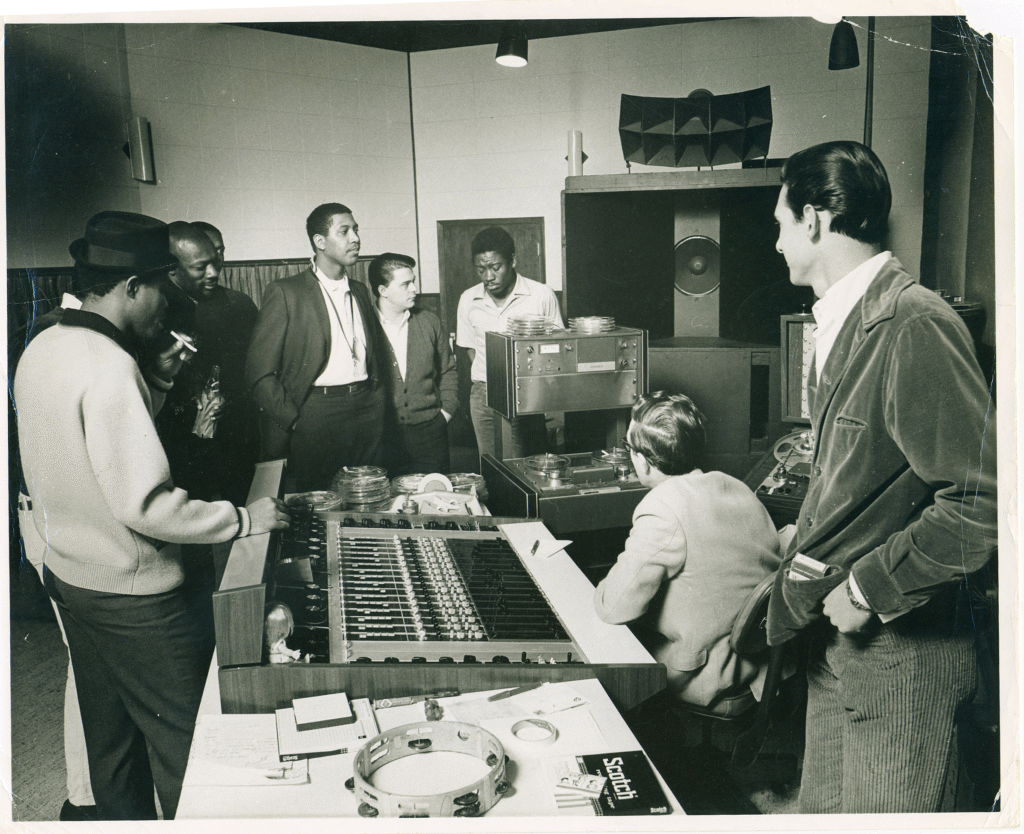
- In the early 1960s, he became a key figure at Stax Records — the iconic Memphis label — working as guitarist, songwriter, and producer.
- Cropper was a founding member of Booker T. & the M.G.’s, the racially integrated house band for Stax, along with organist Booker T. Jones, bassist, and drummer.
What Made Cropper’s Sound So Special
Soulful Simplicity
Rather than flashy solos, Cropper favored clean, lean, elegant guitar lines — perfect complements to vocalists and horn sections.
For example:
- The iconic instrumental hit Green Onions (1962) — Cropper’s guitar helped make this tune a million-seller and a milestone for Memphis soul.
- He co-wrote classics like (Sittin’ On) The Dock of the Bay, In the Midnight Hour, and Knock on Wood, giving structure and soul to raw musical ideas.
ALSO READ: Getting to Know Paul Dano — Why He Matters (Even If Some Critics Disagree)
Collaboration Over Ego
Cropper didn’t strive to be a “guitar hero.” Instead, he listened — to the singer, to the rhythm section, to the song. His aim was always to serve the music, not to show off.
Even when called out in the lyrics (in the classic soul number Soul Man, Sam & Dave shout “Play it, Steve!”), Cropper responds not with show-boating solos but with tasteful fills that lift the song.
This humility — letting the song shine instead of himself — is what made him a true legend.
Why His Work Still Matters: The Legacy of Memphis Soul
- The sound crafted by Cropper and the MG’s helped define Southern soul and Memphis soul — a style that stood in contrast to Motown’s polish with raw emotion, tight grooves, and realness.
- The interracial makeup of Booker T. & the MG’s — Black and white musicians playing together — was powerful and symbolic during a time of deep racial division. Their unity spoke through music.
- Many later rock, soul, and R&B artists — even bands outside soul — drew influence from Cropper’s style: clean rhythms, subtle fills, attention to groove over flash.
In short: his playing didn’t just support songs — it shaped eras.
What You Can Learn from Cropper — Even as a Listener or Music Lover
You don’t have to be a guitarist to appreciate what Cropper teaches us. Here are lessons from his legacy that apply to creativity, collaboration, and art:
- Serve the overall piece — don’t chase spotlight. Even in group projects, aim to contribute to the whole rather than stand out alone.
- Prioritize clarity and groove over complexity. Simplicity can be powerful. A clean idea often resonates more than a complicated one.
- Collaborate with respect and listening. Music — like team efforts — thrives when everyone listens to each other and values the collective vibe over individual accolades.
- Let emotion lead, not ego. Cropper’s soulful playing reminds us that genuine feeling draws people closer than flashy techniques.
Real-World Use Cases: How Cropper’s Philosophy Applies Today
| Scenario | How Cropper’s Approach Helps |
|---|---|
| Working in a team (music, art, or business project) | Focus on what the project needs, not personal spotlight — that creates better synergy. |
| Learning a musical instrument (guitar, keys, drums) | Start with basic, soulful rhythms and feel; over time, add flair — but only if it serves the song. |
| Collaborating in creative teams (writing, design, video) | Listen to others’ ideas first, build on them, and aim for cohesion over individual brilliance. |
| Appreciating vintage music or curating playlists | Use Cropper’s catalog to explore the roots of modern soul, R&B, and even rock — hear history in sound. |
Common Mistakes to Avoid (If You’re Borrowing His Style)
- Overplaying or overcomplicating — adding too many notes can clutter a song and lose the emotional punch.
- Chasing technical flash rather than feel — fast solos don’t guarantee soul. Without feeling, they often fall flat.
- Ignoring collaboration dynamic — thinking only about personal performance, not how it gels with others.
- Forgetting emotional intent — music without heart can sound cold, even if technically perfect.
Parting Wisdom: Why Steve Cropper Will Always Be “That Guitar Guy”
Steve Cropper may not have been a flashy star. But as one obituary noted, he was a “strong yet subtle force that shaped so many soul classics.”
When you next hear “Green Onions,” “(Sittin’ On) The Dock of the Bay,” or “In the Midnight Hour,” listen for that guitar — lean, clean, soulful. That’s Cropper’s spirit speaking across decades.
He showed us that true greatness doesn’t always need spotlight — sometimes, greatness lives quietly in the spaces between notes, in the heart of the song.
FAQs
Q: Did Steve Cropper write songs too, or just play guitar?
A: Yes — he co-wrote several soul classics (like “In the Midnight Hour” and “Dock of the Bay”) and helped shape song structure, not just guitar parts.
Q: Why is his playing still influential today?
A: Because his style — subtle, soulful, groove-based — influenced countless musicians beyond soul: rock bands, blues players, even modern indie acts who favor feel over flash.
Q: Was he recognized by music institutions?
A: Absolutely. He was inducted into the Rock and Roll Hall of Fame (1992), earned multiple Grammy Awards, and was often ranked among the greatest guitarists of all time.
Final Thoughts & An Invitation
Steve Cropper’s music is like a quiet breeze — gentle, unnoticed, but always felt. As we mourn his passing, we can also celebrate how much he gave us: timeless songs, a legacy of genuine collaboration, and an example of artistry rooted in soul.
If you’re curious, take a few hours — sit back with headphones, explore some of his work from the ’60s and beyond. Listen not just for notes, but for feeling. And maybe, let it inspire something in you — whether it’s music, creativity, or simply a deeper appreciation for what real artistry sounds like.
If you want, I can pull up a playlist of 10 essential Steve Cropper tracks to get you started. Want me to build that for you now?

Hannah Price is a digital journalist who covers breaking news, global events, and trending stories with accuracy and speed. She has previously contributed to several online magazines and has built a reputation for verifying facts before publishing. Hannah believes in responsible reporting and aims to present stories in a way that readers can trust.