
Introduction
If you’re an entrepreneur in 2026, chances are you’ve already heard someone say, “AI is the new electricity.” It sounds dramatic, but after spending years building, advising, and watching startups rise and fall, I can tell you this: that statement is not hype—it’s lived reality. Artificial intelligence is no longer reserved for Silicon Valley giants with billion-dollar R&D budgets. Today, solo founders, small agencies, and bootstrapped startups are quietly building profitable businesses using AI as their unfair advantage.
The real opportunity isn’t in “building the next AI model.” It’s in solving painfully specific problems for real people using AI as the engine under the hood. That’s where most first-time founders go wrong. They chase the technology instead of the outcome.
In this guide, I’m going to walk you through practical, proven, and scalable AI business ideas for entrepreneurs—ideas that make sense whether you’re technical, non-technical, or somewhere in between. You’ll learn what these businesses actually look like in the real world, how they make money, what tools to use, what mistakes to avoid, and how to get started without burning months (or savings) on the wrong approach.
Think of this as a field manual, not a trend report. By the end, you should have at least one AI-powered business idea you can realistically pursue—and a clear plan to validate it.
What “AI Business Ideas for Entrepreneurs” Really Means
When people hear the phrase “AI business,” they often imagine advanced machine learning labs, complex neural networks, or writing thousands of lines of code. In practice, most successful AI businesses look far more ordinary—and that’s a good thing.
At its core, AI business ideas for entrepreneurs are simply businesses where artificial intelligence meaningfully improves how a product or service is delivered. AI might automate a task that used to take hours, personalize an experience that used to be generic, or uncover insights that humans would miss.
A helpful analogy: think of AI like a high-powered assistant. You don’t hire an assistant because you love assistants. You hire one because it frees you to focus on higher-value work. The same logic applies here.
There are three broad categories most AI businesses fall into:
• AI-powered services (done-for-you or hybrid models)
• AI-enabled products (SaaS, tools, platforms)
• AI-enhanced existing businesses (agencies, e-commerce, consulting)
The last category is where many entrepreneurs quietly win. Instead of inventing something new, they upgrade a familiar business model with AI and outperform competitors on speed, cost, or results.
Importantly, you do not need to invent new algorithms. Most founders leverage existing AI platforms and focus on:
• Narrow niches
• Clear ROI for customers
• Simple onboarding
• Repeatable workflows
That’s the mindset you should keep as we explore opportunities.
Why AI Business Ideas Are So Powerful Right Now
Every major business wave—e-commerce, mobile apps, social media—created a brief window where early adopters built massive advantages. AI is in that window right now.
Here’s why this moment matters so much:
First, AI adoption is uneven. Large companies move slowly. Small businesses know they need AI but don’t know where to start. Entrepreneurs who bridge that gap win.
Second, AI dramatically compresses time. Tasks that once required teams can now be done by one person with the right system. That means lower startup costs and faster experimentation.
Third, customers don’t care about AI. They care about outcomes. If AI helps them save money, get more leads, reduce errors, or scale faster, they’ll pay—often happily.
Real-world use cases are already everywhere:
• Small clinics using AI to automate patient follow-ups
• Real estate agents generating listings and market insights in minutes
• E-commerce brands predicting inventory needs more accurately
• Coaches and consultants scaling personalized content
In each case, the founder didn’t “sell AI.” They sold clarity, speed, or profit—and AI did the heavy lifting.
High-Potential AI Business Ideas You Can Actually Build

4
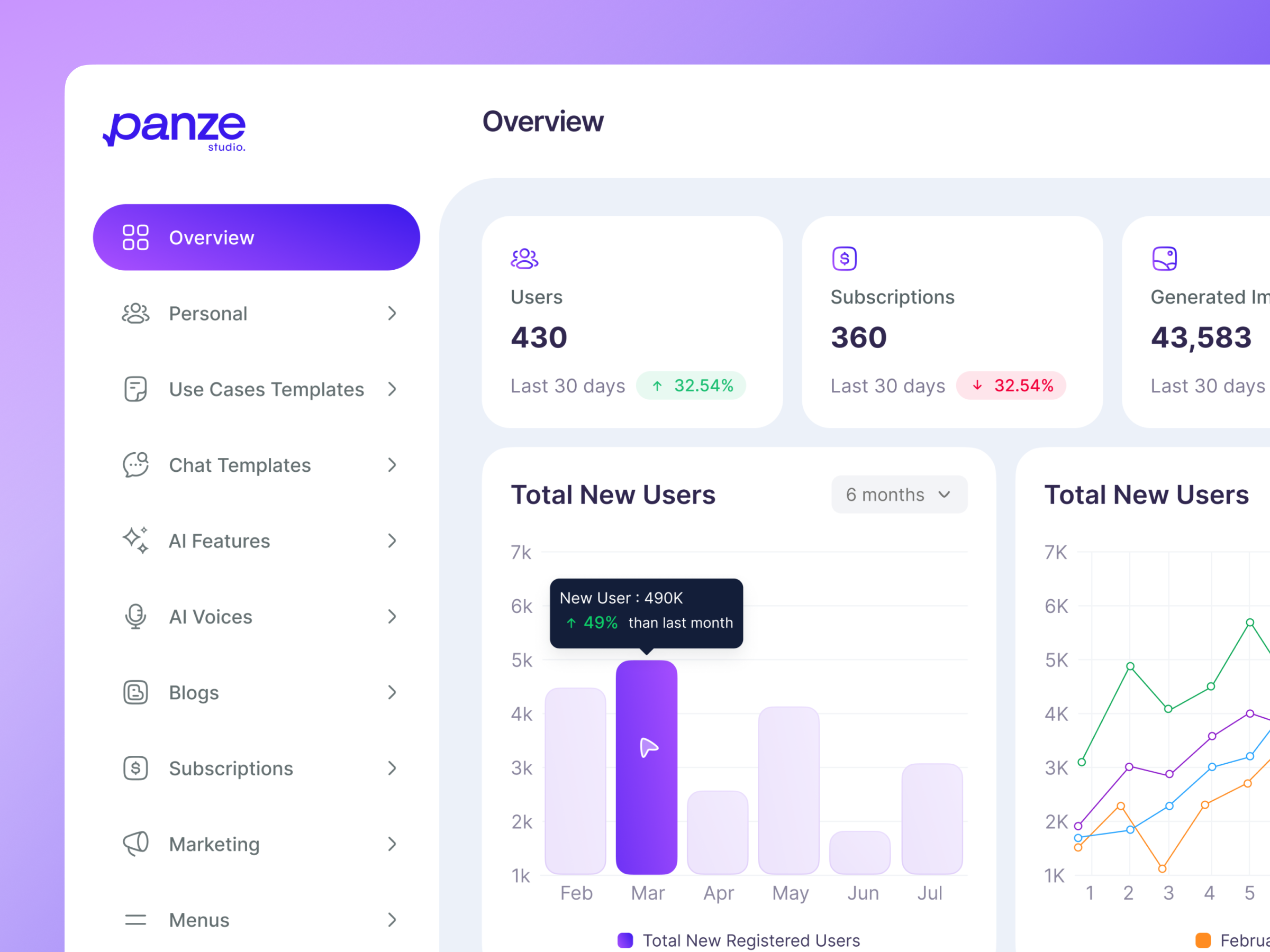
1. AI Automation Agency for Small Businesses
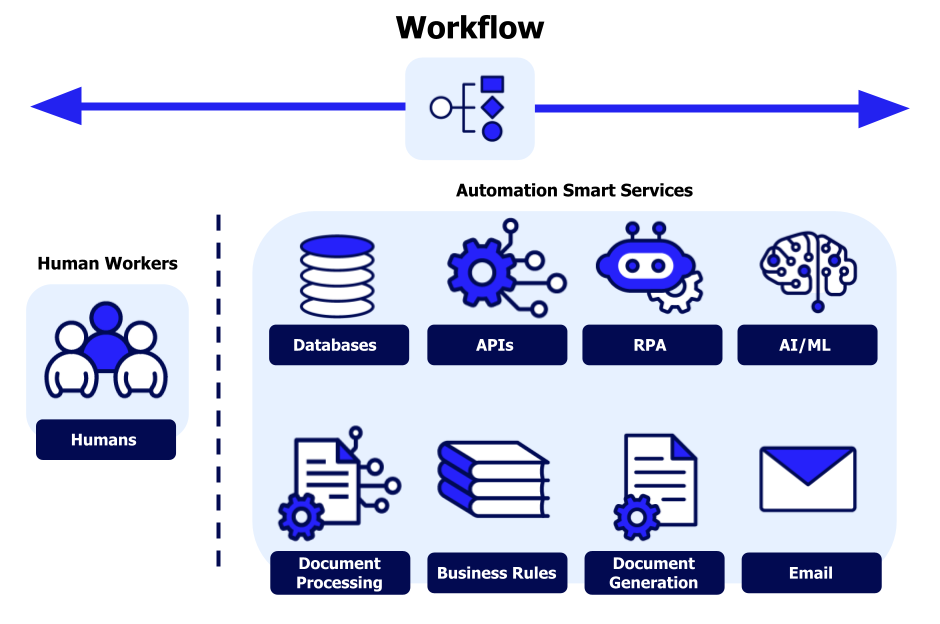
One of the fastest paths to revenue is helping businesses automate repetitive work using AI. Think emails, CRM updates, reporting, customer support, and scheduling.
You package AI workflows as a service. Clients don’t care how it works—they care that it saves them time and money.
Best niches include:
• Real estate offices
• Law firms
• Medical practices
• E-commerce brands
• Local service businesses
This model works because it’s high-touch, high-value, and doesn’t require building software upfront.
2. Vertical-Specific AI SaaS Tools
Instead of building a generic AI tool, focus on one industry and one problem. For example:
• AI proposal writer for freelancers
• AI resume screener for recruiters
• AI compliance checker for finance teams
• AI lesson planner for teachers
Narrow focus makes marketing easier and churn lower. Many founders fail because they go too broad too early.
3. AI-Driven Content & SEO Services
AI has transformed content creation, but quality and strategy still matter. Businesses need help using AI effectively—not blindly.
You can offer:
• AI-assisted blog creation with human editing
• SEO content systems
• Programmatic content generation
• AI-powered content audits
This works especially well if you already have writing or SEO experience.
4. AI Consulting & Implementation
Many companies know they “should use AI” but don’t know what that means for them.
You assess their workflows, recommend AI tools, and help implement them. This is less about tools and more about process design.
Consulting works best if you specialize in one industry.
5. AI-Enhanced E-Commerce Brands
AI can optimize:
• Product descriptions
• Pricing strategies
• Customer segmentation
• Inventory forecasting
• Ad creative testing
Entrepreneurs who combine AI with a strong brand story often outperform purely technical competitors.
Benefits & Use Cases: Who Should Build AI Businesses?
AI business ideas aren’t just for developers or data scientists. In fact, many of the most successful AI founders today are domain experts first.
You should strongly consider this path if you are:
• A consultant, marketer, or agency owner
• A freelancer looking to productize services
• A founder tired of trading time for money
• A niche expert with insider knowledge
The biggest benefit AI offers entrepreneurs is leverage. One system can serve dozens or thousands of customers with minimal marginal cost.
Common use cases include:
• Reducing labor costs
• Increasing personalization at scale
• Improving decision-making
• Speeding up delivery
• Unlocking new pricing models
AI businesses also tend to have strong defensibility when paired with proprietary workflows, data, or niche focus.
Step-by-Step: How to Build an AI Business from Scratch


4
Step 1: Identify a Painful, Repetitive Problem
Look for tasks people complain about but still pay for. Repetition is your signal. If something happens daily or weekly, AI can help.
Talk to real users. Avoid assumptions.
Step 2: Validate Willingness to Pay
Before building anything, validate demand. Pre-sell. Offer a pilot. Run discovery calls.
If people won’t pay now, they won’t pay later.
Step 3: Choose the Right AI Stack
You don’t need everything. Most early products use:
• Language models for text
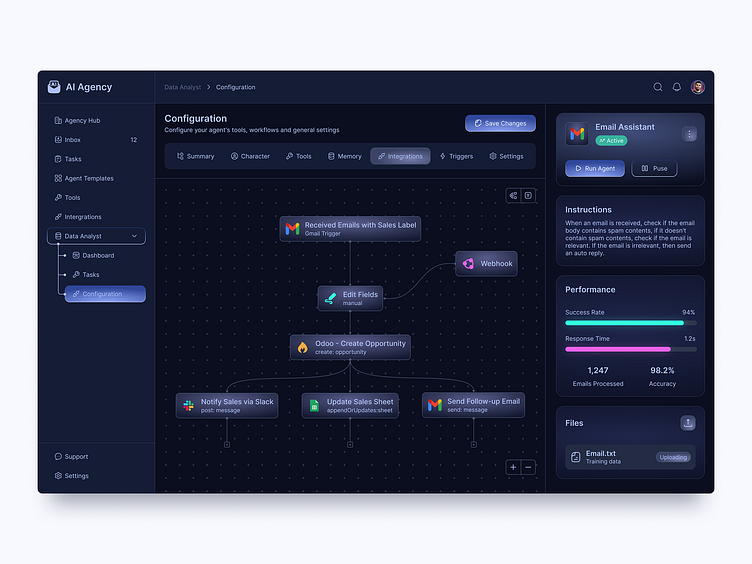
• Automation platforms for workflows
• Simple front-end tools
• APIs instead of custom models
Speed matters more than perfection.
Step 4: Build a Narrow MVP
Solve one problem extremely well. Ignore feature creep. Early success comes from focus.
Step 5: Deliver Results, Then Scale
Once users see real value, scaling becomes much easier. Improve onboarding, documentation, and automation over time.
Tools, Comparisons & Recommendations
4
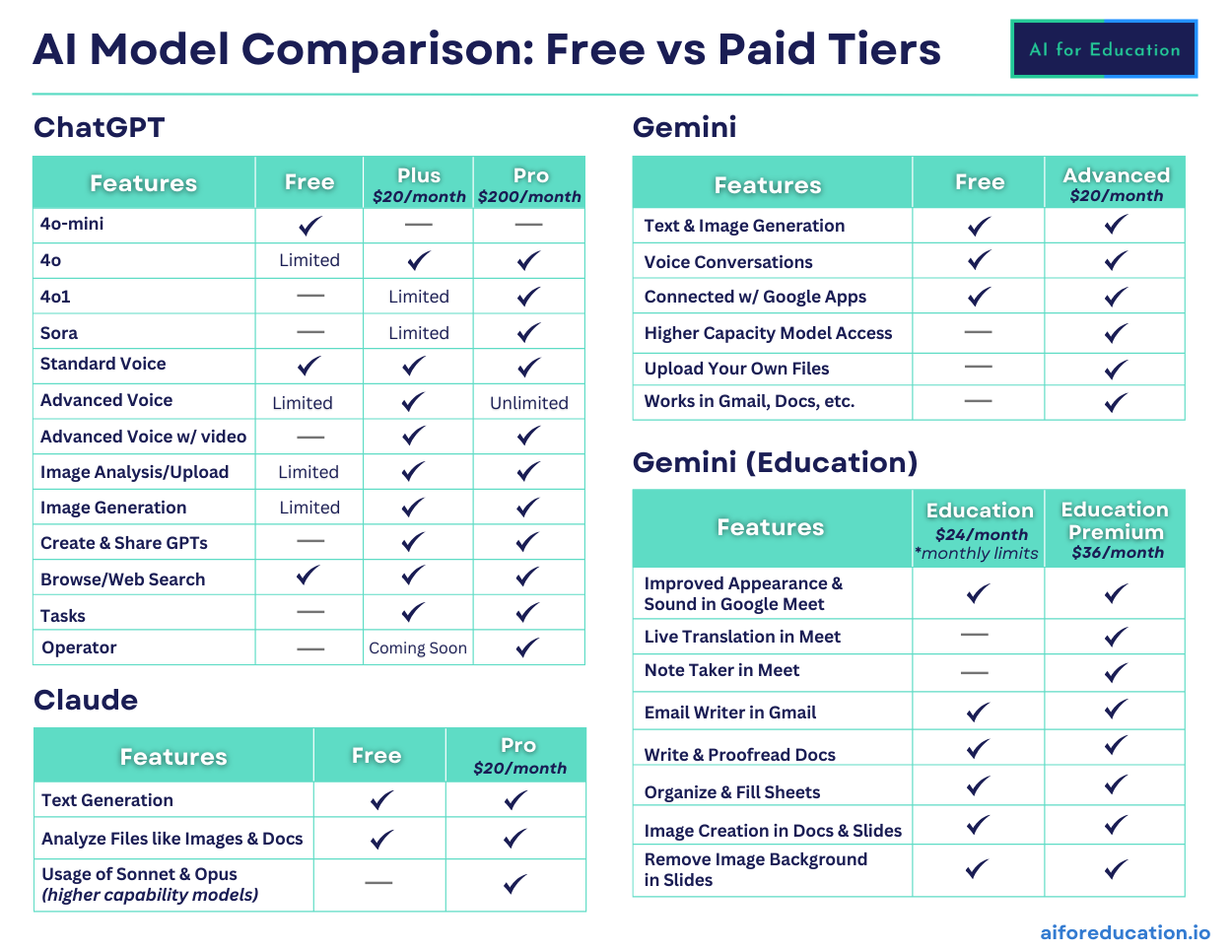
Most entrepreneurs don’t need dozens of tools. A lean stack usually wins.
Free tools are great for testing ideas. Paid tools are worth it once revenue starts flowing.
Free tools often offer:
• Lower risk
• Learning opportunities
• Limited customization
Paid tools usually provide:
• Reliability
• Better support
• Scalability
• Advanced features
My advice: start free, upgrade fast once you validate.
Avoid tool addiction. Tools don’t build businesses—solutions do.
Common Mistakes Entrepreneurs Make (and How to Fix Them)
The same mistakes show up again and again:
One: Building before validating
Fix: Sell the outcome first, not the tool.
Two: Being too broad
Fix: Pick a niche and dominate it.
Three: Over-engineering
Fix: Use existing tools. Speed beats elegance early.
Four: Selling “AI” instead of value
Fix: Talk about results, not technology.
Five: Ignoring ethics and trust
Fix: Be transparent about data use and limitations.
Learning from these mistakes will save you months—sometimes years.
The Future of AI Business Opportunities
AI business ideas will not disappear—but they will evolve.
Over time, generic tools will commoditize. The winners will be founders who:
• Own customer relationships
• Understand industries deeply
• Combine AI with human judgment
• Build trust and brand
The opportunity is shifting from “who has AI” to “who uses AI best.”
Conclusion
AI business ideas for entrepreneurs aren’t about chasing trends or building flashy demos. They’re about solving real problems better, faster, and cheaper than before.
If you focus on a specific audience, validate demand early, and use AI as leverage—not a crutch—you’re entering one of the most founder-friendly business environments we’ve seen in decades.
Start small. Stay focused. Let results guide your next move.
If you’ve been waiting for the “right time” to start—this is it.
FAQs
What is the easiest AI business to start?
Service-based AI automation businesses are often the fastest to revenue.
Do I need to know coding to start an AI business?
No. Many founders use no-code and low-code tools.
Are AI businesses expensive to launch?
Most can be started with minimal upfront cost if validated early.
How long does it take to make money?
Some service models generate revenue within weeks.
Is the AI market already saturated?
Generic tools are crowded. Niche solutions are not.

Michael Grant is a business writer with professional experience in small-business consulting and online entrepreneurship. Over the past decade, he has helped brands improve their digital strategy, customer engagement, and revenue planning. Michael simplifies business concepts and gives readers practical insights they can use immediately.