
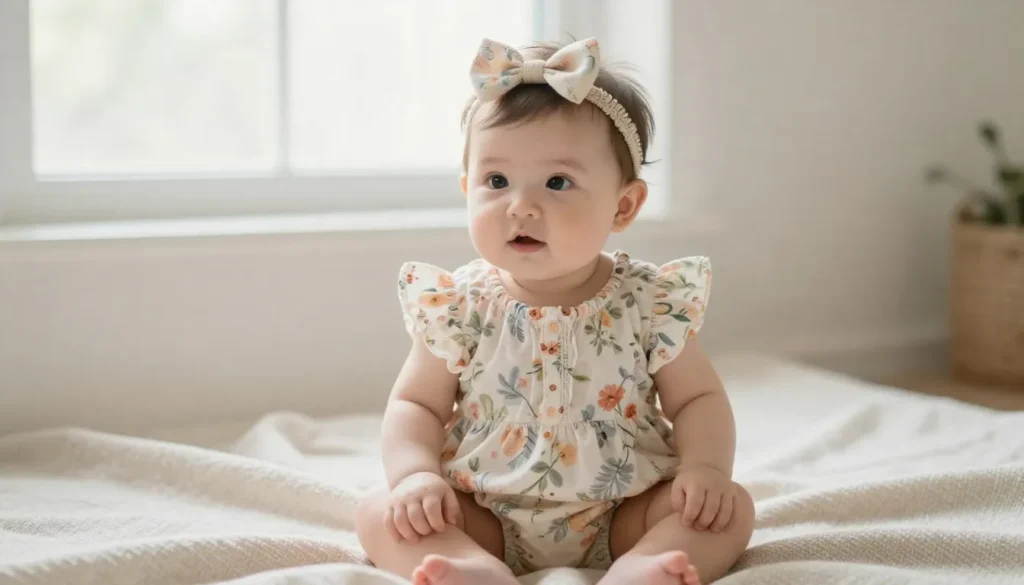
I still remember standing in the baby aisle for the first time, holding a tiny floral romper in one hand and a soft cotton bodysuit in the other, wondering how something so small could feel so important. Dressing a baby girl isn’t just about clothes. It’s about comfort, confidence as a parent, and capturing fleeting moments you’ll never get back. Those early outfits end up in photo albums, memory boxes, and stories you’ll tell years later.
That’s why choosing the right baby girl outfit matters more than most people expect. It’s not about trends alone or buying the most expensive dress. It’s about understanding your baby’s needs, your lifestyle, and how to blend practicality with a touch of magic. This guide is written to help you do exactly that, in a calm, realistic, and human way.
Whether you’re preparing for your newborn, shopping for a gift, or refreshing your baby girl’s wardrobe as she grows, this article will walk you through fabrics, styles, seasons, occasions, mistakes to avoid, and real-world outfit ideas that actually work.
What Makes a Baby Girl Outfit Truly “Perfect”?
The perfect baby girl outfit isn’t defined by ruffles, bows, or Instagram likes. It’s defined by how your baby feels wearing it and how easily it fits into your daily routine. Babies sleep, feed, wriggle, crawl, drool, and occasionally create messes that no outfit escapes. Clothing needs to support that reality.
A good baby girl outfit should feel soft against sensitive skin, allow free movement, and make diaper changes quick instead of stressful. At the same time, it can still be beautiful, expressive, and fun. The magic happens when comfort and style meet without compromise.
Parents often discover this balance through experience. A dress that looks adorable but rides up constantly, or leggings with a tight waistband that leaves marks on baby skin, quickly lose their appeal. On the other hand, well-designed baby clothes quietly become favorites you reach for again and again.
Understanding Baby Girl Skin and Comfort First
Before colors, prints, or accessories, comfort always comes first. A baby girl’s skin is thinner and more sensitive than an adult’s, which means fabric choice matters more than fashion trends.
Organic cotton remains one of the safest and most popular choices because it’s breathable, soft, and less likely to cause irritation. Bamboo blends have grown in popularity for good reason. They feel silky, regulate temperature well, and work beautifully for babies who run warm or have eczema-prone skin. Muslin cotton is another excellent option, especially in warmer months, because it allows airflow and gets softer with every wash.
Synthetic fabrics like polyester may look cute on the rack, but they can trap heat and moisture. This can lead to discomfort, heat rashes, or fussiness, especially in warmer climates. When synthetics are used, it’s best if they’re blended lightly with natural fibers rather than worn directly against the skin.
Comfort is also about construction. Flat seams, tagless labels, and gentle elastic waistbands make a bigger difference than most parents expect. These details prevent irritation during long naps or car rides and help babies stay calm and happy.
Baby Girl Outfit Essentials You’ll Actually Use
When building a baby girl wardrobe, it’s tempting to buy everything that looks cute. The reality is that a small collection of well-chosen essentials will get far more use than a closet full of impractical pieces.
Bodysuits form the foundation of almost every baby girl outfit. They’re easy to layer, simple to wash, and comfortable for everyday wear. Short-sleeve versions work year-round, while long-sleeve bodysuits are ideal for cooler weather or air-conditioned environments. Neutral shades mixed with soft florals or subtle prints give you flexibility without overwhelming your baby’s look.
Rompers and one-piece outfits are lifesavers on busy days. They eliminate the need to coordinate separates while still looking polished. Many parents prefer rompers with snap closures or two-way zippers, which make diaper changes faster without fully undressing the baby.
Leggings and soft pants are another staple. Stretchy waistbands and breathable fabric allow free movement as your baby begins to roll, crawl, and eventually walk. Ruffled leggings add charm without sacrificing comfort, especially when paired with simple tops.
Sleepers and footies often become the most-used baby girl outfit in the early months. Babies spend a lot of time sleeping, and soft, zip-up sleepers keep them warm and comfortable without layers shifting around.
Dressing a Baby Girl for Different Seasons
Seasonal dressing is one of the areas where parents often feel unsure. The key is to dress for temperature, not the calendar.
In warmer months, lightweight cotton dresses, rompers, and short-sleeve bodysuits keep babies cool. Breathable fabrics prevent overheating, and loose silhouettes allow airflow. Sun hats with soft brims add protection without pressure, and sleeveless styles work well when paired with a light layer for air-conditioned spaces.
During colder months, layering becomes essential. A long-sleeve bodysuit under a dress, paired with leggings or tights, provides warmth without bulk. Knit cardigans, soft sweaters, and footed pants keep babies cozy while still allowing movement. It’s always better to add layers than rely on a single heavy outfit.
Transitional seasons like spring and fall call for versatility. Lightweight jackets, vests, and long-sleeve rompers adapt easily to changing temperatures. These pieces allow you to adjust your baby girl outfit throughout the day without completely changing clothes.
Special Occasion Baby Girl Outfits That Feel Comfortable
Special moments deserve special outfits, but comfort should never be sacrificed for style. Whether it’s a coming-home outfit, birthday celebration, or family wedding, the best baby girl outfits balance elegance with practicality.
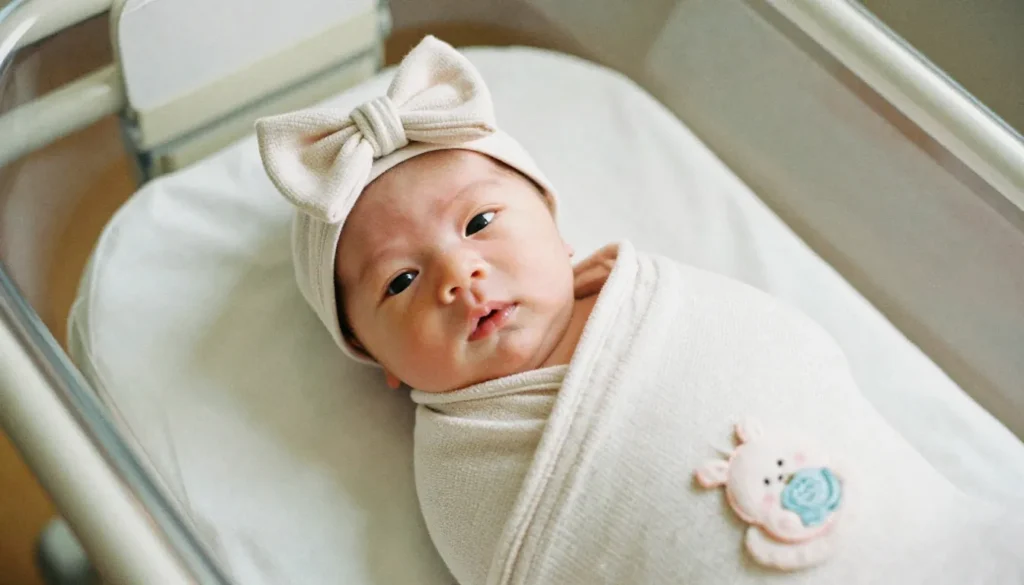
A coming-home outfit is often a cherished keepsake. Many parents choose a soft knotted gown or a cozy romper paired with a matching bow or hat. These outfits photograph beautifully while keeping newborns comfortable and warm.
First birthdays and cake smash sessions are joyful but messy events. Outfits for these moments should be easy to clean and simple to change. A tutu paired with a soft bodysuit, or a ruffled romper, gives the festive look parents love without making cleanup stressful.
For weddings or formal gatherings, soft lace or cotton dresses work better than stiff materials. Gentle elastic waistbands, breathable linings, and flexible shoes ensure your baby stays comfortable throughout the event.
Real-World Use Cases: Everyday vs. Social Media Outfits
One of the most common mistakes new parents make is dressing babies for photos instead of real life. Social media has popularized elaborate baby girl outfits that look stunning in pictures but are impractical for everyday wear.
In real-world use, parents often gravitate toward outfits that can handle feedings, naps, car seats, and spontaneous diaper changes. That doesn’t mean giving up style. It simply means choosing clothes that work with your routine rather than against it.
Many parents keep a few “photo outfits” reserved for special moments while relying on simple, mix-and-match pieces for daily wear. This approach reduces laundry stress and keeps babies comfortable while still allowing room for creativity and fun.
Accessories That Elevate a Baby Girl Outfit
Accessories are where baby girl fashion truly shines, but they should always remain optional, not essential. Soft headbands, bows, and hats add charm without interfering with comfort when chosen carefully.
Nylon headbands with gentle stretch are often preferred because they don’t leave marks or cause pressure. Bows attached to clips should be lightweight and secure, especially for babies who move a lot.
Tights and knee-high socks provide warmth and style during cooler months. They work particularly well with dresses and rompers, adding a polished look while keeping little legs cozy.
Soft-soled shoes, such as baby moccasins or booties, complete outfits without restricting movement. Babies who aren’t walking don’t need structured shoes, but soft footwear helps keep feet warm and looks adorable in photos.
Choosing Baby Girl Outfits as Gifts
Buying a baby girl outfit as a gift can feel risky, but it doesn’t have to be. The key is choosing versatility and sizing up when unsure. Babies grow quickly, and slightly larger sizes are almost always appreciated.
Neutral colors, classic prints, and seasonally flexible pieces make thoughtful gifts. Rompers, dresses with bloomers, and two-piece sets offer flexibility and ease of wear. Including a gift receipt or size note can also help parents exchange items if needed.
Some parents prefer brands known for quality and comfort, such as Carter’s, Hanna Andersson, or Burt’s Bees Baby, which are widely trusted for soft fabrics and thoughtful design.
Tools and Practical Tips for Managing Baby Girl Clothes
You don’t need special tools to dress your baby well, but a few simple habits make life easier. Organizing clothes by size rather than type helps you quickly rotate outfits as your baby grows. Keeping the next size ready prevents last-minute shopping when clothes suddenly feel tight.
Washing baby clothes with fragrance-free detergent protects sensitive skin and keeps fabrics soft. Treating stains quickly extends the life of outfits, especially lighter-colored pieces.
Many parents find it helpful to keep a small “outfit station” with daily essentials, accessories, and backup clothes. This saves time and reduces stress during busy mornings or outings.
Common Mistakes Parents Make with Baby Girl Outfits
One of the most frequent mistakes is prioritizing appearance over comfort. Tight waistbands, stiff fabrics, or heavy embellishments may look charming but can irritate babies quickly.
Another common issue is buying too many clothes in one size. Babies grow unpredictably, and some sizes are outgrown in weeks. Mixing sizes and focusing on versatile pieces prevents waste.
Ignoring seasonal needs is another pitfall. Buying winter clothes in newborn sizes or summer dresses in larger sizes often leads to unworn outfits. Planning ahead with flexibility in mind makes a big difference.
Baby Girl Outfit Trends Worth Considering (and Ones to Skip)
Trends come and go, but some are worth embracing. Earthy tones, bohemian florals, and vintage-inspired designs have proven both stylish and wearable. These styles photograph beautifully while remaining comfortable and timeless.
On the other hand, overly elaborate outfits with heavy tulle, sequins, or rigid layers often end up worn once or not at all. Babies don’t need complicated fashion to look adorable. Simplicity almost always wins.
Building a Sustainable and Practical Baby Girl Wardrobe
Sustainability has become an important consideration for many families. Choosing high-quality pieces that can be reused, resold, or passed down reduces waste and saves money over time.
Neutral colors and classic designs age better and transition easily between seasons. Investing in fewer, better-made items often results in a wardrobe that feels more intentional and less overwhelming.
The Emotional Side of Dressing Your Baby Girl
Beyond practicality, dressing your baby girl is an emotional experience. Each outfit marks a moment in time, a phase that passes more quickly than anyone expects. Those tiny dresses and rompers become symbols of early memories, laughter, and growth.
It’s okay to enjoy that feeling. It’s okay to dress your baby up sometimes just because it makes you smile. Parenting is full of responsibilities, and these small joys matter.
Conclusion:
At the end of the day, choosing the right baby girl outfit is about far more than fabric and fashion. It’s about creating comfort for your baby, confidence for yourself, and memories you’ll carry long after those tiny clothes are folded away. The best outfits are the ones that support your baby’s movement, protect her sensitive skin, and fit naturally into your daily life while still allowing room for personality, sweetness, and fun.
You don’t need a massive wardrobe or the latest trend to dress your baby girl well. A thoughtful mix of soft essentials, a few special pieces, and practical accessories will take you through everyday moments and milestone celebrations with ease. Trust your instincts, focus on comfort first, and remember that your baby will look beautiful simply because she’s yours. When clothing feels easy and joyful, you’re doing it right.
Frequently Asked Questions (FAQs)
How many outfits does a baby girl really need?
Most parents find that 7 to 10 everyday outfits per size is more than enough, assuming you do laundry regularly. This usually includes bodysuits, rompers, sleepers, and a couple of dressier options. Babies grow quickly, so it’s better to rotate a small collection than overbuy in one size.
What fabrics are best for baby girl clothes?
Natural fabrics like organic cotton, bamboo, and muslin are ideal because they’re breathable, soft, and gentle on sensitive skin. These materials help prevent irritation and keep your baby comfortable in different temperatures.
Should I size up when buying baby girl outfits?
Yes, sizing up is usually a smart choice. Babies grow at different rates, and slightly larger clothes are more comfortable and last longer. You can always roll up sleeves or cuffs, but tight clothing can’t be adjusted.
Do baby girls need shoes before they start walking?
No, babies don’t need structured shoes until they begin walking confidently. Soft booties, socks, or soft-soled shoes are enough to keep feet warm and complete an outfit without restricting movement.
Are dresses practical for everyday wear?
They can be, especially when paired with bloomers or leggings. Soft cotton or knit dresses work well for daily use, while stiffer or layered dresses are better saved for special occasions.
How can I keep baby girl outfits looking new longer?
Wash clothes in gentle, fragrance-free detergent, avoid high heat when drying, and treat stains as soon as possible. Turning clothes inside out before washing also helps preserve prints and colors.
What are the most common mistakes parents make with baby girl outfits?
The biggest mistakes are choosing style over comfort, buying too many clothes in one size, and ignoring fabric quality. Keeping things simple and baby-focused prevents most issues.
What’s the best baby girl outfit for gifting?
Rompers, two-piece sets, or dresses with matching bloomers in a slightly larger size are great gift options. Neutral colors or classic prints make gifts easier for parents to use and style.

Sofia Bennett is a fashion writer and style observer known for her clean sense of aesthetics and trend analysis. She has covered fashion shows, reviewed designer collections, and interviewed independent creators. Sofia specializes in connecting fashion with real-life lifestyle choices, helping readers understand what looks good — and why.