
Introduction
Have you ever reached into your pocket or bag to hand someone your business card—only to pull out a slightly bent, dog-eared card that suddenly makes you feel… less confident? That moment is more common than most professionals like to admit. And it’s exactly why the business card holder still matters in a world of LinkedIn profiles, QR codes, and digital wallets.
The first impression you make in business isn’t just about what you say. It’s about how prepared, organized, and intentional you appear. A business card holder might seem like a small, almost forgettable accessory, but in practice, it plays an outsized role in how others perceive you. It protects your cards, yes—but more importantly, it signals professionalism, attention to detail, and respect for the interaction.
In this guide, we’ll go deep. You’ll learn what a business card holder really is, why it’s still relevant, who needs one, how to choose the right type, and how to use it strategically. We’ll compare materials, styles, price points, and common mistakes people make. By the end, you’ll know exactly how to pick a holder that fits your work, your personality, and your goals—without overthinking it.
If you’ve ever wondered whether this small item is worth the effort, this article will give you a clear, practical answer.
What Is a Business Card Holder and Why It Still Matters
At its core, a business card holder is a compact case designed to store, protect, and present your business cards. That definition sounds almost too simple, but the real value lies in how it’s used and what it communicates.
Think of a business card holder like a well-tailored jacket. Its primary function is practical—covering and protecting—but its deeper function is signaling. A crisp card pulled from a clean holder feels intentional. A card fished out from a wallet stuffed with receipts does not. The difference is subtle, but humans are remarkably good at picking up on these cues.
Despite the rise of digital networking tools, physical business cards remain deeply relevant. In face-to-face settings—conferences, meetings, trade shows, interviews—handing over a card is still one of the fastest, most natural ways to exchange contact information. A holder ensures those cards remain pristine and accessible when the moment arises.
There’s also a psychological aspect. Using a dedicated holder encourages you to be more mindful about networking. When you carry your cards neatly, you’re more likely to offer them confidently. That confidence translates into smoother conversations and better follow-ups later.
In short, a business card holder isn’t about nostalgia. It’s about readiness. It’s a simple tool that supports one of the most important moments in professional life: the first impression.
The Evolution of Business Card Holders in the Modern Workplace
Business card holders have quietly evolved alongside changes in work culture. Decades ago, they were mostly rigid metal cases used by executives and salespeople. They signaled formality, hierarchy, and status. Today, the range is much broader, reflecting how diverse professional identities have become.
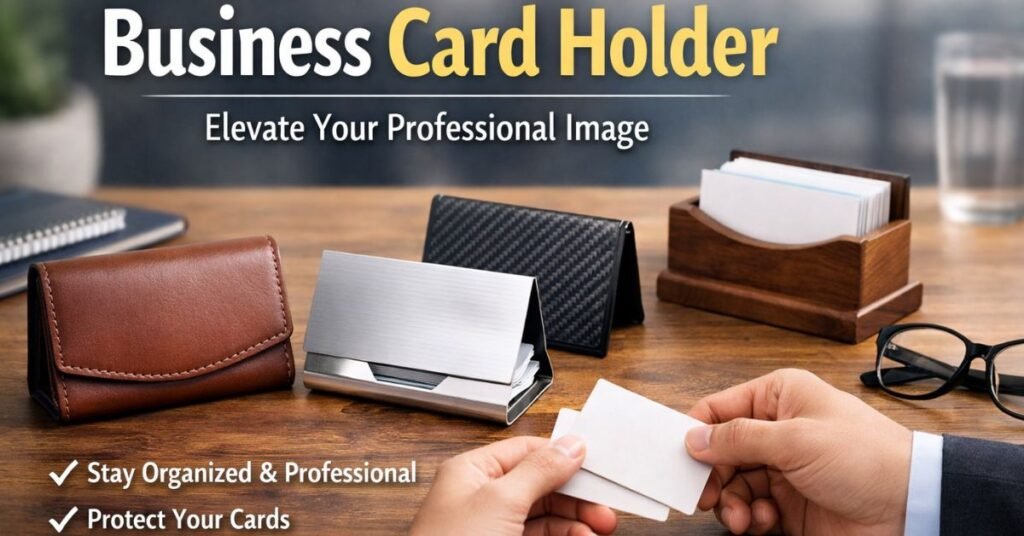
Modern holders come in leather, fabric, wood, carbon fiber, silicone, and even eco-friendly recycled materials. Some are minimalist sleeves that hold five cards. Others are expandable organizers designed for people who attend large networking events. There are hybrid wallet-style holders, desk holders for offices, and presentation cases for client meetings.
This evolution mirrors how work itself has changed. Freelancers, remote workers, startup founders, and creatives all network differently than traditional corporate professionals. A graphic designer may prefer a slim, colorful holder that reflects creativity. A consultant might choose a structured leather case that communicates reliability and discretion.
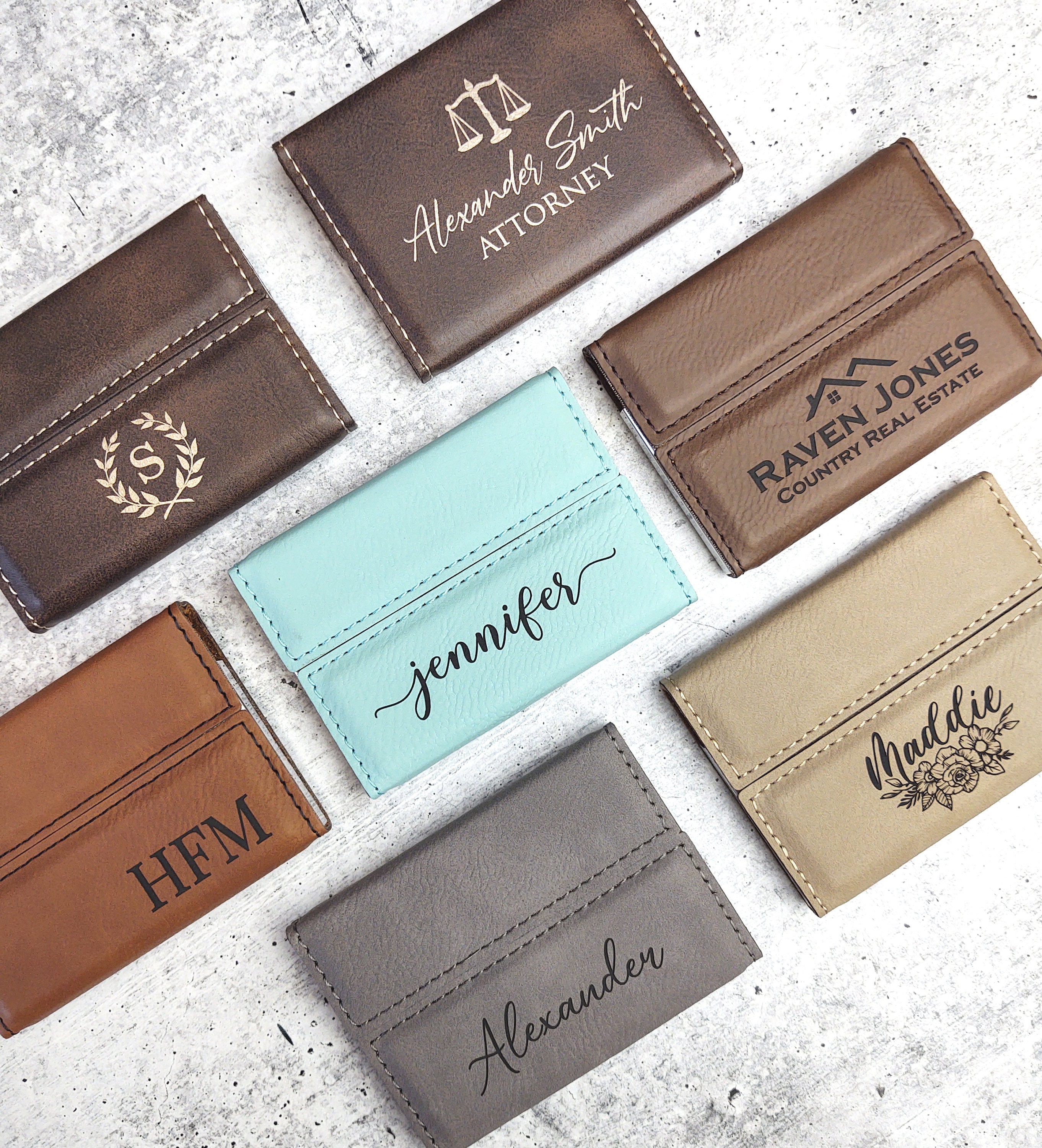
Another shift is gender neutrality and personalization. Today’s business card holders are less about rigid “men’s” or “women’s” styles and more about personal expression. Engraving, custom colors, and branding options allow professionals to align their holder with their broader brand identity.
The takeaway is simple: the modern business card holder isn’t one-size-fits-all. It’s a flexible accessory that adapts to how and where you work.
Key Benefits and Real-World Use Cases
A business card holder delivers value in ways that go far beyond card storage. Its benefits show up in real situations, often when you least expect them.
First, protection. Business cards are surprisingly fragile. Moisture, friction, and pressure quickly wear them down. A holder prevents bent corners, smudged ink, and fading—especially important if you’ve invested in high-quality card stock or custom printing.
Second, organization. When you know exactly where your cards are, you avoid awkward pauses. You can focus on the conversation instead of rummaging through your pockets or bag. This matters in fast-paced environments like conferences or networking mixers, where timing and flow are everything.
Third, professionalism. Pulling out a business card holder communicates that you take your work seriously. It shows respect for the person you’re meeting and the exchange itself. This is particularly important in industries where presentation and trust are critical, such as finance, consulting, real estate, and law.
Fourth, boundary-setting. Many professionals use holders to separate received cards from their own. This small habit helps ensure no one accidentally hands out someone else’s card later, and it makes follow-ups more intentional.
Real-world scenarios where a business card holder shines include:
- Job interviews, where preparedness subtly boosts credibility.
- Sales meetings, where confidence affects closing outcomes.
- Conferences, where rapid exchanges demand efficiency.
- Client lunches, where details matter more than pitches.
- Creative showcases, where design choices reflect personal brand.
In all these cases, the holder acts as a quiet support system—doing its job without drawing attention to itself.
Types of Business Card Holders and How to Choose the Right One
Choosing a business card holder starts with understanding the main types available and how they align with your lifestyle and work habits.
Pocket holders are the most common. They’re slim, lightweight, and designed to carry a small number of cards. These are ideal for everyday use, especially if you value minimalism and only need a handful of cards at a time.
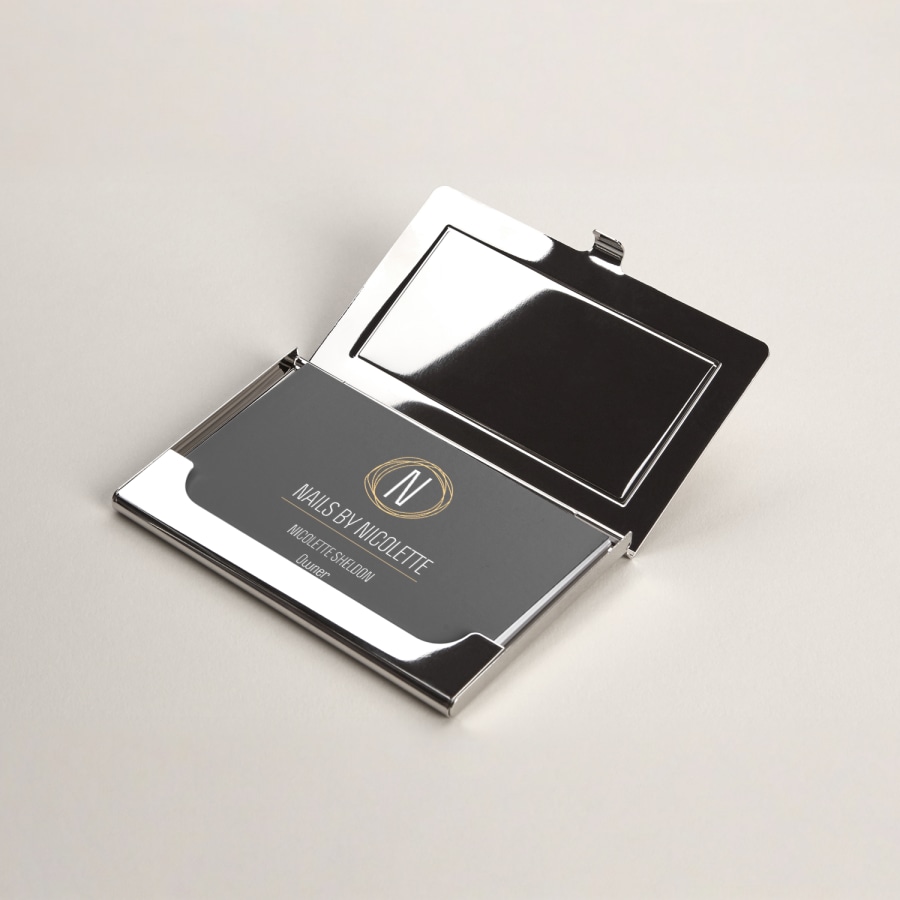
Case-style holders are more structured and often made of metal or rigid leather. They protect cards exceptionally well and are popular with professionals who want a polished, traditional look. These cases typically hold 10–20 cards comfortably.
Wallet-integrated holders combine card storage with your regular wallet. This option reduces clutter but can blur the line between personal and professional items. It’s convenient, but not always ideal for formal settings.
Desk holders are designed for offices or reception areas. They keep cards visible and accessible for visitors. While not portable, they play a key role in reinforcing brand presence in physical spaces.
Presentation holders are larger and often used for meetings, trade shows, or gifting. They may include branding or multiple compartments and are more about display than daily carry.
When choosing, consider three questions:
How often do you network in person?
How many cards do you realistically need to carry?
What impression do you want to leave?
The best business card holder is the one that fits seamlessly into your routine and supports how you actually work.

4
Step-by-Step Guide to Selecting the Perfect Business Card Holder
Selecting the right business card holder doesn’t need to be overwhelming. A simple, structured approach makes the decision easier and more satisfying.
Step one is assessing your usage. Think about how often you hand out cards and in what settings. Daily client meetings call for durability and polish. Occasional networking events allow for more flexibility and style.
Step two is choosing the material. Leather offers warmth and professionalism. Metal provides durability and a modern edge. Fabric and silicone lean casual and creative. Sustainable materials appeal to environmentally conscious brands.
Step three is determining capacity. Carrying too many cards can make a holder bulky, while carrying too few can leave you unprepared. Most professionals find that 10–15 cards strike a good balance.
Step four is evaluating design and accessibility. Can you easily slide a card out with one hand? Does the holder open smoothly? Small ergonomic details matter more than you think in real interactions.
Step five is aligning with your personal brand. Your holder should feel like an extension of you, not a costume. If you’re understated, go simple. If you’re expressive, choose color or texture that reflects that.
Finally, consider longevity. A good business card holder should last years, not months. Paying slightly more upfront often saves money and frustration later.
This process ensures your choice is intentional, not impulsive—and that’s exactly the mindset you want to project professionally.
Materials Compared: Leather, Metal, and Modern Alternatives
Material choice is where function meets feeling. Each option sends a different message and serves different needs.
Leather business card holders are timeless. They age well, develop character, and feel comfortable in the hand. They’re ideal for professionals who value tradition, warmth, and subtle luxury. The downside is maintenance; leather requires occasional care to prevent wear.
Metal holders are sleek and durable. They protect cards extremely well and often feel more “formal.” Stainless steel and aluminum are popular choices. However, metal can scratch over time and may feel cold or impersonal to some users.
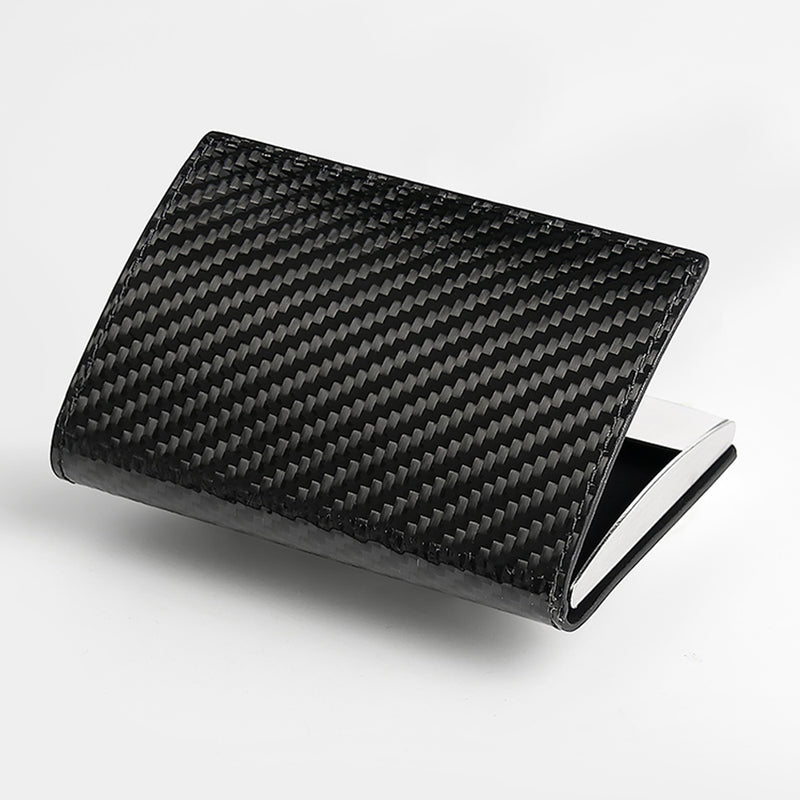
Modern alternatives like carbon fiber, recycled plastic, or cork appeal to niche preferences. Carbon fiber is lightweight and futuristic. Recycled materials support sustainability goals. Cork offers a soft, unique texture that stands out.
No material is objectively better than another. The right choice depends on context. A startup founder pitching investors may prefer leather. A tech consultant might lean toward metal. A creative professional could choose something unconventional.
What matters most is consistency. Your business card holder should align with the rest of your professional presentation—from clothing to communication style.


4
Free vs Paid Options: What You Really Get for Your Money
At first glance, it might seem odd to talk about “free” business card holders. But many companies offer promotional holders, and some printers include basic cases with large card orders.
Free holders usually cover the basics. They store cards and prevent immediate damage. However, they often lack durability, thoughtful design, or aesthetic appeal. Logos may be prominent, which can dilute your personal brand.
Paid business card holders range widely in price, from affordable minimalist options to premium handcrafted pieces. What you’re paying for isn’t just material—it’s design, longevity, and user experience.
Mid-range holders typically offer the best balance. They’re well-made, visually appealing, and durable enough for regular use. Premium holders may add features like custom engraving, superior materials, or artisanal craftsmanship.
The real question isn’t cost; it’s value. If a holder supports your confidence, lasts for years, and enhances your interactions, it quickly pays for itself.
Think of it as a tool, not a trinket. Tools that support your work are worth investing in.
Common Mistakes People Make and How to Fix Them
Even experienced professionals make simple mistakes with business card holders. The good news is that most are easy to fix once you’re aware of them.
One common mistake is overstuffing. Cramming too many cards into a holder makes it bulky and awkward to use. The fix is simple: carry only what you need and restock regularly.
Another mistake is neglecting cleanliness. Dust, lint, and wear accumulate over time. A quick wipe or shake-out keeps your holder presentable.
Using a damaged holder is another issue. Cracked edges, peeling leather, or broken hinges undermine the very professionalism you’re trying to project. If it’s worn beyond charm, it’s time to replace it.
Some people mix received cards with their own. This increases the risk of handing out the wrong card. Designate one side or compartment for received cards, or carry a second holder if needed.
Finally, mismatched style can send mixed signals. A novelty holder may be fun, but not always appropriate. Match the holder to the context.
Awareness is the fix. Treat your business card holder as part of your professional toolkit, and it will serve you well.
How to Use a Business Card Holder Strategically
Beyond storage, a business card holder can be used intentionally to enhance networking outcomes.
Start by making the exchange deliberate. When you offer a card, pause, make eye contact, and hand it over with care. The holder helps frame this moment as meaningful rather than transactional.
Use the holder to manage flow. After receiving a card, place it neatly in a separate section. This small gesture shows respect and helps you remember to follow up.
At events, keep the holder easily accessible. The smoother the exchange, the more confident you appear. Avoid digging through bags or pockets.
Some professionals use engraved holders as conversation starters. Subtle personalization can spark curiosity and make you more memorable.
The strategy is simple: slow down the exchange just enough to make it human. The holder supports that pause.


Conclusion
A business card holder may be small, but its impact is anything but. It protects your cards, organizes your interactions, and quietly reinforces your professionalism. In a world obsessed with speed and digital shortcuts, this simple accessory brings intention back into networking.
Choosing the right holder is about alignment—between your work, your personality, and the impression you want to leave. When those elements match, the holder becomes invisible in the best possible way, supporting you without stealing focus.
If you haven’t thought about your business card holder in a while, consider this your nudge. Upgrade it, clean it, or start using one if you never have. Sometimes, the smallest changes create the biggest shifts in confidence and connection.
FAQs
What is the main purpose of a business card holder
Its primary purpose is to protect, organize, and present business cards professionally during in-person interactions.
How many cards should a business card holder carry
Most professionals carry between 10 and 15 cards, enough to stay prepared without adding bulk.
Are business card holders still relevant in digital networking
Yes, especially in face-to-face meetings where physical cards create a tangible, memorable exchange.
Is a leather business card holder better than metal
Neither is objectively better. Leather feels warm and classic, while metal feels sleek and modern. The best choice depends on personal style and context.
Can a business card holder improve networking
Indirectly, yes. It boosts confidence, reduces awkward moments, and enhances first impressions.

Michael Grant is a business writer with professional experience in small-business consulting and online entrepreneurship. Over the past decade, he has helped brands improve their digital strategy, customer engagement, and revenue planning. Michael simplifies business concepts and gives readers practical insights they can use immediately.