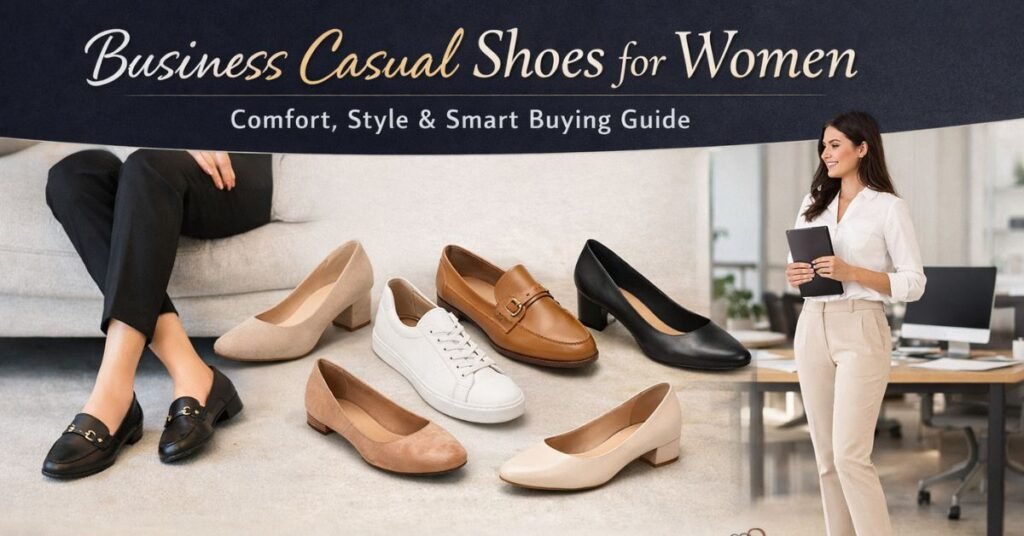
Business Casual Shoes for Women: The Ultimate Real-World Guide to Comfort, Confidence, and Style
If you’ve ever stood in front of your closet five minutes before leaving for work—holding a pair of heels in one hand and flats in the other—you already know the quiet struggle of finding the perfect business casual shoes for women. You want something polished but not stiff, comfortable but not boring, stylish but still office-appropriate. And somehow, it has to survive long commutes, back-to-back meetings, and maybe even an after-work dinner.
This isn’t just a fashion decision. The right shoes shape how you move through your day, how confident you feel in meetings, and even how productive you are by 3 p.m. When your feet hurt, everything feels harder. When your shoes work with you instead of against you, the entire day flows differently.
In this in-depth guide, we’re going far beyond basic style lists. You’ll learn:
- What truly defines business casual footwear today
- How to choose shoes for different workplaces and lifestyles
- Real-world benefits of investing in the right pair
- Step-by-step methods to find your perfect fit
- Expert comparisons, tools, and honest recommendations
- Common mistakes women make (and how to fix them)
Think of this as the practical, experience-driven handbook you wish someone had given you before your first office job—or before your tenth painful pair of “cute but impossible” shoes.
Let’s start with the foundation.
Understanding What “Business Casual Shoes for Women” Really Means Today
The phrase business casual used to feel rigid and confusing. Years ago, it meant conservative pumps, neutral colors, and very little personality. But modern workplaces—especially hybrid offices, creative industries, and tech environments—have reshaped the definition.
Today, business casual shoes for women sit in the sweet spot between formal office heels and weekend sneakers. They should look intentional, polished, and professional without sacrificing comfort or individuality.
Think of business casual like smart layering in fashion. A blazer over jeans works because it balances relaxed and refined. Shoes do the same thing. A sleek loafer, minimalist flat, or structured block heel instantly elevates an outfit—even if the rest is simple.
Here’s a helpful way to picture it:
- Formal shoes = boardroom presentation energy
- Casual shoes = coffee run on a Sunday
- Business casual shoes = confident Tuesday meeting with room for personality
Key characteristics usually include:
- Clean silhouettes and structured shapes
- Neutral or muted color palettes (with subtle style details)
- Comfortable, walkable heel heights or supportive flats
- Quality materials like leather, suede, or refined fabric
What’s changed most is freedom. Women now have more options than ever—elegant sneakers, modern mules, supportive loafers, and sculpted flats all fit within the business casual category when styled correctly.
Understanding this evolution is powerful. It means you’re not trapped in painful heels just to look professional. You can choose shoes that reflect both your role and your real life.
Why the Right Business Casual Shoes Matter More Than You Think
Shoes are easy to overlook because they sit at the bottom of an outfit—literally. But in professional environments, they quietly communicate confidence, attention to detail, and personal style.
More importantly, they directly affect your physical comfort and mental focus.
Let’s talk about real-world impact.
First, posture and energy. Supportive business casual shoes reduce fatigue in your feet, knees, and lower back. That means more energy for presentations, conversations, and creative thinking instead of silently counting the minutes until you can sit down.
Second, confidence. There’s a subtle psychological shift when you feel polished from head to toe. You walk differently. You speak differently. You show up more fully. Comfortable, stylish shoes remove distraction and let your personality lead.
Third, versatility. A great pair of business casual shoes works across multiple scenarios:
- Office workdays
- Client meetings
- Networking events
- Travel days
- After-work social plans
This versatility saves money, closet space, and decision fatigue—three underrated wins in everyday life.
And finally, long-term health. Wearing unsupportive shoes daily can contribute to plantar fasciitis, joint pain, and chronic discomfort. Investing in well-designed footwear isn’t indulgent—it’s preventative care.
When you see shoes through this lens, they stop being just an accessory. They become a daily tool that supports your goals, your body, and your confidence.
Types of Business Casual Shoes Every Woman Should Know
Walk into any shoe store and the choices can feel overwhelming. But most business casual shoes for women fall into a handful of reliable categories. Knowing these makes shopping faster and smarter.
Loafers: The Quiet Powerhouse
Loafers are the definition of effortless professionalism. Structured, flat, and endlessly versatile, they pair beautifully with trousers, midi skirts, and even tailored jeans in relaxed offices.
Modern loafers often include:
- Cushioned insoles
- Flexible soles
- Sleek almond or square toes
- Minimal hardware for subtle polish
They’re perfect for women who walk a lot or prefer zero-heel comfort without looking too casual.
Ballet Flats: Soft, Simple, and Timeless
Ballet flats have evolved far beyond flimsy versions of the past. Today’s high-quality flats offer arch support, durable soles, and elegant shapes that feel refined rather than basic.
They work especially well for:
- Office environments with moderate dress codes
- Long commuting days
- Minimalist wardrobes
The key is choosing structured designs instead of ultra-thin, unsupportive ones.
Block Heels: Stability Meets Elegance
For women who enjoy height without discomfort, block heels are a game changer. The wider base distributes weight more evenly, making them far easier to walk in than stilettos.
Ideal scenarios include:
- Presentations or leadership meetings
- Professional events
- Days when you want a polished silhouette
Look for heel heights between 1.5 and 3 inches for all-day comfort.
Low Pumps: Classic Without the Pain
Low-heeled pumps remain a staple in more traditional offices. The difference today is improved ergonomics—padded footbeds, softer linings, and flexible construction.
They’re especially useful in:
- Corporate or legal environments
- Client-facing roles
- Formal business casual settings
A rounded or almond toe typically offers better comfort than sharply pointed styles.
Minimalist Sneakers: The Modern Upgrade
Yes, sneakers can be business casual—when chosen carefully. Clean leather sneakers in neutral tones have become widely accepted in creative, tech, and hybrid workplaces.
They work best when:
- The design is simple and logo-free
- The outfit is otherwise polished
- The office culture supports relaxed style
This category reflects how workplace fashion continues to evolve toward comfort and authenticity.
How to Choose the Perfect Pair Step by Step
Finding the right business casual shoes for women isn’t about luck—it’s a repeatable process. Follow this structured approach and you’ll dramatically reduce wasted money and painful purchases.
Step 1: Understand Your Workplace Culture
Start by observing what respected colleagues and leaders wear. Not the newest hires—look at people whose style feels established and professional.
Ask yourself:
- Are sneakers common or rare?
- Do most women wear heels, flats, or loafers?
- How formal are client-facing days?
This context prevents buying shoes that feel out of place.
Step 2: Prioritize Fit Before Style
No matter how beautiful a shoe is, poor fit ruins everything. Always check:
- Toe room (no squeezing or rubbing)
- Heel stability (no slipping)
- Arch support that matches your foot type
Trying shoes in the late afternoon—when feet are slightly swollen—gives the most realistic comfort test.
Step 3: Choose Versatile Colors First
Before experimenting with bold shades, build a reliable base:
- Black for maximum professionalism
- Nude or tan for outfit flexibility
- Navy or brown for softer alternatives
Once these are covered, adding personality becomes easier.
Step 4: Test Real-World Comfort
Walk on hard surfaces, not just carpet. Stand still for a few minutes. Imagine commuting, climbing stairs, and sitting through meetings.
If discomfort appears in the store, it will only get worse later.
Step 5: Invest Strategically
You don’t need dozens of shoes. A smart capsule might include:
- One supportive loafer
- One elegant flat
- One comfortable heel
- One polished sneaker
Four excellent pairs outperform ten mediocre ones every time.
Tools, Comparisons, and Smart Buying Strategies
Shopping for business casual shoes for women has never offered more options—both helpful and overwhelming. Understanding the landscape makes decisions easier.
Free Tools That Help
- Foot measurement apps for accurate sizing
- Online reviews with real-life comfort feedback
- Style inspiration boards for outfit pairing ideas
These cost nothing but prevent expensive mistakes.
Paid Investments Worth Considering
- Premium leather shoes that mold to your feet
- Orthotic-friendly brands with hidden support
- Professional shoe stretching or repair services
Higher upfront cost often means longer lifespan and better comfort.
Budget vs. Premium: Honest Pros and Cons
Budget shoes:
- Affordable and trend-driven
- Easier to replace
- Often less durable or supportive
Premium shoes:
- Better materials and cushioning
- Longer lifespan
- Higher initial investment
The smartest approach is mixing both—splurging on daily workhorses and saving on occasional styles.
Common Mistakes Women Make (and How to Avoid Them)
Even experienced professionals fall into predictable traps when buying business casual footwear. Let’s fix them.
Choosing Style Over Comfort
Beautiful but painful shoes rarely get worn. Always reverse the priority: comfort first, style second.
Ignoring Workplace Context
Ultra-casual shoes in a conservative office create subtle professional friction. When unsure, lean slightly more polished.
Buying Too Many Similar Pairs
Five black flats won’t expand your wardrobe. Focus on different functions, not duplicates.
Skipping Quality Materials
Synthetic shoes often crack, peel, or lose shape quickly. Genuine leather or high-quality alternatives usually last far longer.
Not Breaking Shoes in Gradually
Even comfortable shoes need adjustment time. Wear them at home first to prevent painful first-day surprises.
Conclusion: The Confidence That Starts From the Ground Up
The search for the perfect business casual shoes for women isn’t really about fashion—it’s about how you move through your workday, how you care for your body, and how confidently you show up in professional spaces.
When your shoes are supportive, polished, and authentically you, something subtle shifts. Meetings feel easier. Long days feel manageable. Your energy goes toward meaningful work instead of aching feet.
Start small. Choose one truly great pair. Notice how it changes your comfort and confidence. Then build from there.
And if you’ve discovered a pair that transformed your workday, share it—because the best recommendations always come from real experience.
FAQs
What are the most comfortable business casual shoes for women?
Supportive loafers, cushioned flats, and low block heels are typically the most comfortable options for long workdays.
Can women wear sneakers in a business casual office?
Yes—if the sneakers are clean, minimalist, and styled with polished clothing.
How many pairs of business casual shoes should I own?
A practical capsule usually includes four versatile pairs covering flats, heels, loafers, and sneakers.
Are heels required for professional workplaces?
No. Many modern offices fully accept flats and loafers as professional footwear.
Which colors are best for business casual shoes?
Black, nude, tan, and navy offer the greatest versatility across outfits and seasons.

Michael Grant is a business writer with professional experience in small-business consulting and online entrepreneurship. Over the past decade, he has helped brands improve their digital strategy, customer engagement, and revenue planning. Michael simplifies business concepts and gives readers practical insights they can use immediately.