
Introduction
Imagine unlocking your business one morning and finding water pooling across the floor, equipment ruined, inventory soaked, and operations frozen. Or picture a late-night electrical fault sparking a fire that shuts your doors for weeks. Most business owners don’t plan for these moments—but they happen every single day. That’s where business hazard insurance quietly becomes one of the most important decisions you’ll ever make.
Business hazard insurance isn’t flashy. It doesn’t promise growth hacks or viral success. What it does promise is survival. It’s the difference between a setback you recover from and a disaster that ends years of hard work. In today’s unpredictable world—where extreme weather, supply chain issues, and property risks are rising—understanding this coverage is no longer optional.
In this guide, we’ll break down business hazard insurance in plain English. You’ll learn what it is, what it covers, who needs it, how to choose the right policy, and how real businesses use it to stay afloat when the worst happens. No jargon dumps. No sales fluff. Just practical, experience-backed insight you can actually use.
By the end, you’ll know exactly how to protect your business assets, avoid common coverage gaps, and make smarter insurance decisions with confidence.
What Is Business Hazard Insurance? A Plain-English Explanation
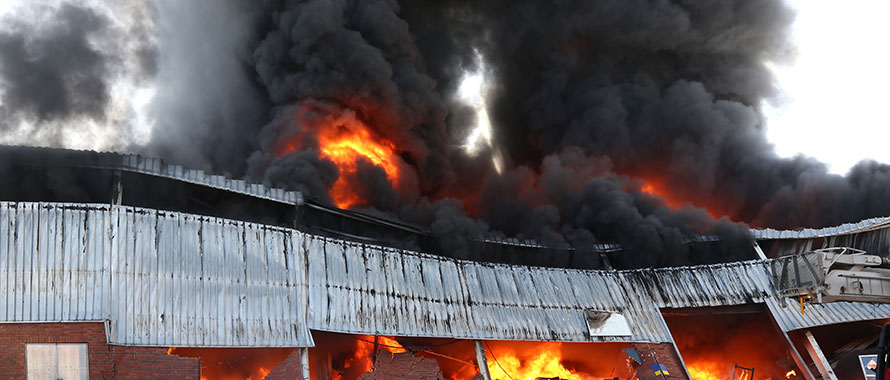
At its core, business hazard insurance is protection against physical risks that can damage your business property or disrupt operations. Think of it as a financial safety net for the “what if” moments you hope never happen—but can’t afford to ignore.
Hazards are events that cause sudden, accidental damage. Fires, storms, vandalism, theft, burst pipes, falling objects—these aren’t theoretical risks. They’re everyday realities for businesses of all sizes. Business hazard insurance helps cover the cost of repairing or replacing damaged property so one incident doesn’t wipe you out.
A helpful analogy: if your business is a ship, hazard insurance is the hull. You might have great navigation (strategy), a skilled crew (employees), and a profitable route (market), but without a strong hull, one storm can sink everything.
This type of insurance often overlaps with or sits inside commercial property insurance, but many policies specifically outline hazard coverage as a core component. It typically covers:
• Buildings you own or lease
• Equipment and machinery
• Inventory and stock
• Furniture, fixtures, and tools
• Certain outdoor structures and signage
What it usually does not cover are intentional acts, routine wear and tear, or excluded hazards like earthquakes or floods unless added by endorsement.
For new business owners, this coverage can feel abstract—until it’s suddenly very real. Once you’ve seen a neighboring business shut down due to an uninsured loss, the value becomes crystal clear.
Why Business Hazard Insurance Matters More Than Ever
There was a time when hazard insurance felt like a checkbox—something landlords or lenders required, but few owners thought deeply about. That time is gone.
Today’s business environment is more volatile than ever. Climate-related events are more frequent. Urban crime affects storefronts. Aging infrastructure increases the risk of fires and water damage. And supply chain delays make replacing damaged equipment slower and more expensive.
Without business hazard insurance, these risks turn into financial landmines.
Consider this: repairing fire damage doesn’t just mean fixing walls. It includes smoke remediation, equipment replacement, lost inventory, cleanup, and compliance inspections. Even a “small” incident can cost tens or hundreds of thousands of dollars.
Business hazard insurance matters because it:
• Preserves cash flow during recovery
• Prevents debt from emergency repairs
• Protects long-term investments in property and equipment
• Keeps lenders, partners, and landlords satisfied
• Supports faster reopening after a loss
Many business closures after disasters aren’t due to the damage itself—they’re due to the lack of insurance to fund recovery.
If your business relies on a physical location, equipment, or stored inventory, hazard insurance isn’t a luxury. It’s a foundational layer of protection.
What Does Business Hazard Insurance Typically Cover?
Coverage details vary by insurer, but most business hazard insurance policies protect against a defined list of perils. These are commonly referred to as “named perils” unless you have an all-risk (open perils) policy.
Typical covered hazards include:
Fire and smoke damage
Lightning strikes
Windstorms and hail
Explosions
Theft and vandalism
Water damage from burst pipes
Falling objects
Weight of snow or ice
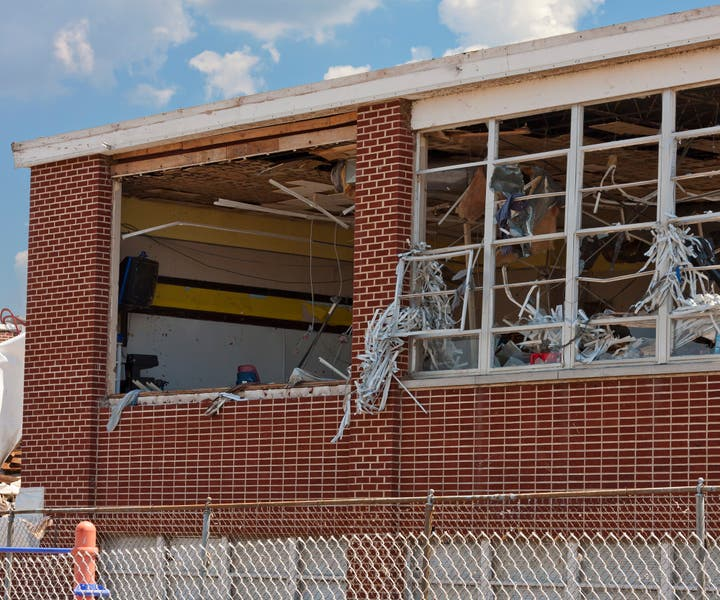
For example, if a winter storm causes a roof collapse, hazard insurance can cover structural repairs and damaged contents. If vandals break windows and destroy inventory, coverage helps restore what was lost.
However, exclusions are just as important as inclusions. Standard policies often exclude:
Flood damage
Earthquakes
Normal wear and tear
Equipment breakdown without endorsement
Acts of war or terrorism
This is where many business owners get caught off guard. They assume “hazard” means all hazards. It doesn’t—unless you’ve structured the policy correctly.
Understanding exactly what your business hazard insurance covers (and what it doesn’t) is the difference between confidence and unpleasant surprises.
Who Needs Business Hazard Insurance?
Short answer: almost every business.
Longer answer: if your business has physical assets you can’t afford to replace out of pocket, you need business hazard insurance.
This includes:
Retail stores with inventory and fixtures
Manufacturers with machinery and production lines
Restaurants with kitchens and refrigeration
Offices with equipment and furnishings
Warehouses with stored goods
Home-based businesses with tools or stock
Even service-based businesses often overlook risk. A marketing agency might think it’s immune—until a fire destroys servers, client records, and office equipment.
Landlords and lenders almost always require hazard insurance, but even if they didn’t, the financial logic still stands. One uninsured incident can erase years of profit.
Startups sometimes skip coverage to save money. Established businesses sometimes let outdated policies ride. Both are risky moves. Hazard insurance needs to evolve as your business grows.
Real-World Benefits and Use Cases
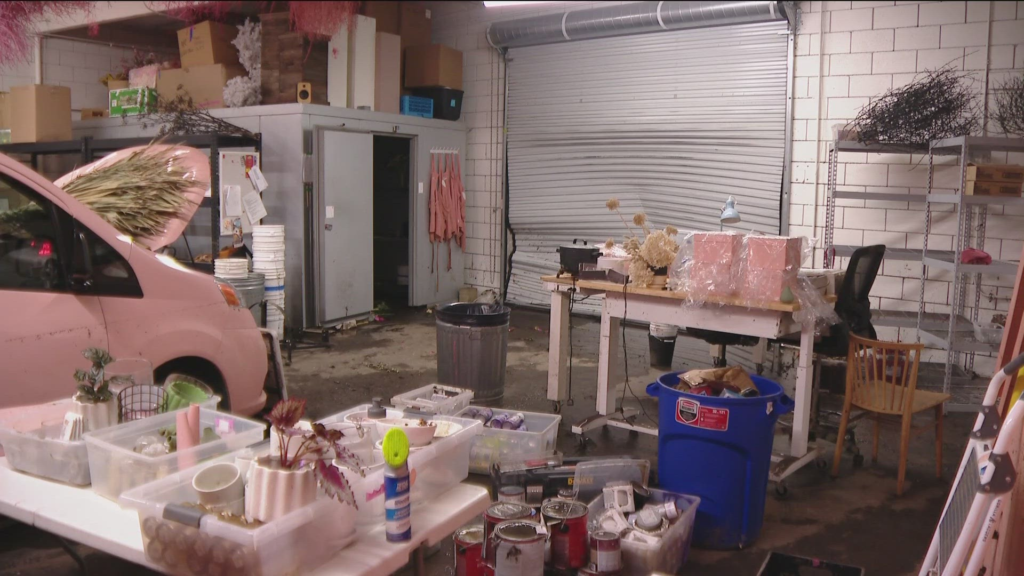
The true value of business hazard insurance shows up when things go wrong.
Take a small bakery hit by an overnight electrical fire. Ovens are destroyed. Inventory is ruined. Without insurance, reopening could take months—if it happens at all. With hazard coverage, repairs start immediately, equipment is replaced, and the business reopens weeks later.
Or consider a warehouse damaged by a windstorm. Roof panels rip off, rain destroys stored products. Hazard insurance covers repairs and lost inventory, allowing the owner to fulfill contracts instead of defaulting.
Common use cases include:
• Fire damage restoration
• Storm and weather recovery
• Theft or vandalism losses
• Accidental water damage cleanup
• Structural repairs after covered events
Beyond the money, there’s psychological value. Knowing you’re protected lets you focus on running your business—not constantly worrying about worst-case scenarios.
How to Choose the Right Business Hazard Insurance: Step-by-Step
Choosing coverage isn’t about grabbing the cheapest quote. It’s about matching protection to real risk.
Step one: assess your hazards.
Look at location, building age, climate, crime rates, and industry risks.
Step two: inventory your assets.
List buildings, equipment, inventory, furniture, and improvements. Know replacement values—not just original cost.
Step three: decide on coverage type.
Named perils policies cost less but cover fewer risks. All-risk policies cost more but reduce gaps.
Step four: choose limits and deductibles.
Underinsuring saves money now but costs more later. Balance premiums with realistic loss scenarios.
Step five: add endorsements where needed.
Flood, earthquake, equipment breakdown, and ordinance or law coverage are common add-ons.
Step six: review annually.
Businesses change. Your insurance should too.
Working with an experienced broker can help uncover blind spots. Resources from organizations like U.S. Small Business Administration also offer guidance for evaluating business risks.
Tools, Policy Options, and Expert Recommendations
Business hazard insurance is available through most commercial insurers, either as a standalone policy or bundled into a Business Owner’s Policy (BOP).
Common policy options include:
Standalone commercial property policies
BOPs combining property and liability
All-risk vs named-peril structures
Free tools like online risk assessments can help estimate exposure, but they’re starting points—not final answers.
Paid options, such as working with independent brokers or risk consultants, provide tailored advice and claims advocacy. The extra cost often pays for itself during a claim.
When comparing policies, look beyond price:
• Coverage breadth
• Claim handling reputation
• Replacement cost vs actual cash value
• Endorsement flexibility
Insurance industry standards are often shaped by organizations like Insurance Services Office, which influences how policies define hazards and losses.
Common Business Hazard Insurance Mistakes—and How to Fix Them
One of the biggest mistakes is assuming “it won’t happen to me.” Every claim starts with that belief.
Other common errors include:
Underinsuring property values
Ignoring exclusions
Skipping flood or earthquake endorsements
Failing to update coverage after expansion
Choosing the cheapest policy without reading details
Fixes are straightforward but require attention. Get professional valuations. Review policies annually. Ask blunt questions about exclusions. Treat insurance as a living part of your business—not a one-time purchase.
How Business Hazard Insurance Fits Into a Complete Risk Strategy
Hazard insurance doesn’t stand alone. It works best when paired with:
General liability insurance
Business interruption coverage
Equipment breakdown insurance
Cyber insurance (for digital assets)
For example, hazard insurance may fix the building after a fire, but business interruption coverage replaces lost income during downtime. Together, they create resilience.
Risk management agencies like Federal Emergency Management Agency emphasize layered protection as the most effective approach.
The Claims Process: What to Expect When You Need It Most
Filing a hazard insurance claim can feel overwhelming—especially when you’re already dealing with damage.
The typical process includes:
Documenting damage immediately
Notifying your insurer
Meeting with adjusters
Reviewing repair estimates
Receiving payment or reimbursement
Preparation makes a huge difference. Keep updated inventories, photos, and receipts. Know your policy before disaster strikes.
Businesses that prepare for claims recover faster and with fewer disputes.
Cost Factors: What Influences Business Hazard Insurance Premiums?
Premiums depend on multiple variables:
Location and local risks
Building construction and age
Fire protection systems
Industry type
Coverage limits and deductibles
Risk mitigation—like sprinklers, alarms, and maintenance—can significantly reduce costs. Insurance rewards prevention.
Future Trends in Business Hazard Insurance
The industry is evolving. Climate risk modeling, data analytics, and usage-based pricing are reshaping coverage. Expect more personalized policies, but also stricter underwriting in high-risk areas.
Staying informed helps you adapt rather than react.
Conclusion: Protecting What You’ve Built
Business hazard insurance isn’t about fear. It’s about respect—for the time, effort, and money you’ve invested in your company.
You can’t control storms, fires, or accidents. You can control how prepared you are for them.
The right coverage turns chaos into a manageable problem. It keeps your doors open, your employees paid, and your future intact.
If you haven’t reviewed your business hazard insurance recently, now is the time. A single conversation or policy update today can save your business tomorrow.
FAQs
What is business hazard insurance in simple terms?
It’s insurance that covers physical damage to your business property from events like fire, storms, theft, and vandalism.
Is business hazard insurance required by law?
Not usually, but lenders and landlords often require it.
Does business hazard insurance cover floods?
Typically no—flood coverage requires a separate policy or endorsement.
How much does business hazard insurance cost?
Costs vary widely based on location, property value, and risk factors.
Can home-based businesses get hazard insurance?
Yes, and many need it because homeowner policies often exclude business assets.

Michael Grant is a business writer with professional experience in small-business consulting and online entrepreneurship. Over the past decade, he has helped brands improve their digital strategy, customer engagement, and revenue planning. Michael simplifies business concepts and gives readers practical insights they can use immediately.