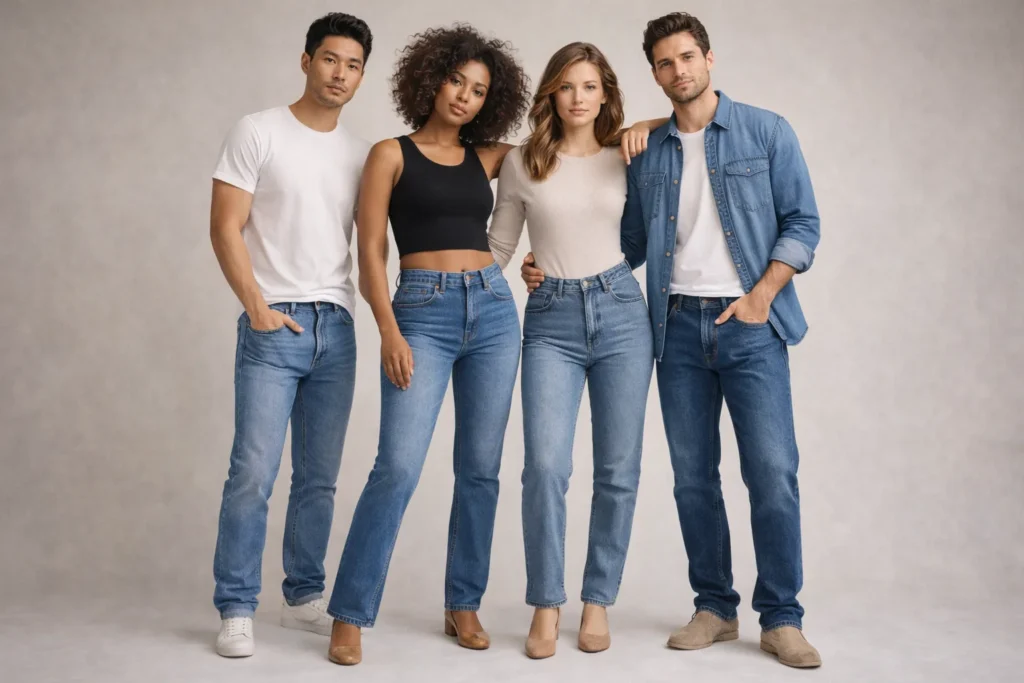
There are few items in a wardrobe as iconic, versatile, and essential as a pair of blue jeans. Jeans fashion has evolved from durable workwear for miners in the 19th century to a global style phenomenon that graces both runways and street corners. Whether you prefer the rugged look of raw denim or the effortless cool of a distressed pair, jeans are the backbone of modern style. However, with endless cuts, washes, and trends cycling in and out, finding the perfect pair and styling them correctly can feel overwhelming.
This comprehensive guide dives deep into the world of denim. We will explore the history of jeans, break down the most popular cuts for men and women, and provide actionable tips on how to elevate your denim game for any occasion. Get ready to rediscover your favorite fabric.
A Brief History of Jeans Fashion
To appreciate where we are, we must look at where we started. The history of jeans is a story of rebellion, utility, and cultural shifts.
From Workwear to Hollywood
Originally patented by Levi Strauss and Jacob Davis in 1873, riveted denim trousers were designed for laborers who needed clothing that could withstand harsh conditions. It wasn’t until the 1950s that jeans entered the mainstream fashion consciousness. Icons like James Dean and Marlon Brando popularized denim as a symbol of teenage rebellion. Schools banned them, which only made them more desirable.
The Designer Denim Boom
By the 1970s and 80s, jeans had shed their purely utilitarian image. Designer brands like Calvin Klein and Gloria Vanderbilt introduced “designer jeans,” turning denim into a status symbol. The focus shifted from durability to fit, branding, and sex appeal. Today, jeans fashion encompasses everything from affordable fast-fashion staples to artisanal Japanese denim costing hundreds of dollars.
Decoding Denim Cuts and Styles
Understanding the terminology is the first step to finding a pair that flatters your body and suits your style.
Popular Women’s Jeans Styles
The variety in women’s denim is vast, catering to every aesthetic preference.
- Skinny Jeans: For years, these were the undisputed rulers of denim. Form-fitting from waist to ankle, they offer a sleek silhouette that pairs well with oversized sweaters and boots.
- Straight Leg: The classic cut. Straight leg jeans are fitted through the hips and thighs but fall straight from the knee down. They are universally flattering and offer a timeless look.
- Mom Jeans: Characterized by a high waist and a relaxed fit through the hips and thighs, tapering at the ankle. This vintage-inspired style has made a massive comeback for its comfort and retro vibe.
- Wide Leg & Flare: Bringing back the 70s energy, wide-leg jeans are fitted at the waist and flare out dramatically. They are perfect for elongating the legs, especially when worn with heels.
- Boyfriend Jeans: Slouchy, relaxed, and meant to look a bit oversized. These are the epitome of casual comfort.
Popular Men’s Jeans Styles
Men’s denim trends have also shifted, moving away from the super-skinny era toward more relaxed fits.
- Slim Fit: The modern standard. Slim jeans follow the contour of the leg without clinging too tight. They offer a sharp, tailored appearance suitable for most occasions.
- Regular/Straight Fit: The traditional cut. These provide more room in the thigh and calf, offering maximum comfort and a classic silhouette.
- Tapered Fit: A hybrid style that is roomier in the thigh but narrows significantly toward the ankle. This is great for men with athletic builds who want a fitted look without constriction.
- Relaxed Fit: Offering a generous cut through the seat and thigh, these are prioritizing comfort above all else. They have seen a resurgence with the popularity of 90s streetwear trends.
The Importance of Wash and Fabric
The “wash” refers to the color and finish of the denim, while the fabric composition determines how the jeans feel and stretch.
Understanding Washes
- Raw/Dry Denim: This is denim in its purest form—unwashed and untreated. It is stiff and dark indigo. Over time, it fades uniquely based on how you wear it, creating a personalized pair of jeans.
- Dark Wash: Jeans that have been washed to remove excess dye but retain a deep blue color. These are the dressiest option and are appropriate for smart-casual offices or dinner dates.
- Medium Wash: The classic “blue jean” look. It’s casual, versatile, and often features slight fading at the knees and thighs.
- Light Wash: Pale blue and often associated with a vintage or summer aesthetic. Light wash jeans are inherently casual and look great with white tees and sneakers.
- Black and Grey: Essential for a rock-and-roll or minimalist aesthetic. Black jeans can often double as trousers in low-light settings.
Fabric Composition: Stretch vs. Rigid
- 100% Cotton: This is traditional denim. It has no stretch, is very durable, and holds its shape well. However, it can feel stiff initially and requires a “break-in” period.
- Stretch Denim (Elastane/Spandex blends): Most modern jeans contain 1-3% elastane. This adds comfort and flexibility, allowing for tighter fits like skinny jeans. Be careful not to go too high on the stretch percentage, or the jeans may lose their shape and bag out by the end of the day.
How to Style Jeans for Any Occasion
The beauty of jeans fashion lies in its versatility. With the right styling, the same pair of jeans can take you from the grocery store to a cocktail bar.
Casual Daytime Looks
For running errands or grabbing coffee, comfort is key, but that doesn’t mean sacrificing style.
- The Outfit: Light wash straight-leg jeans + a graphic t-shirt + white sneakers + a denim jacket (optional).
- Why it works: It’s effortless and classic. The light wash feels relaxed, while the sneakers keep it practical.
- Pro Tip: try a “Canadian Tuxedo” (denim on denim) by ensuring the washes of your jacket and jeans are different enough to create contrast.
Smart-Casual Office Wear
Many workplaces now embrace denim, provided it is styled correctly.
- The Outfit: Dark wash slim jeans (no rips or distressing) + a crisp white button-down shirt + a blazer + leather loafers or boots.
- Why it works: The dark denim mimics the look of dress trousers, while the blazer adds professional structure.
- Pro Tip: Ensure your jeans are the correct length. Bunching fabric at the ankles looks sloppy in a professional setting.
Date Night or Evening Out
Jeans can be surprisingly sexy and sophisticated for a night out.
- The Outfit (Women): High-waisted black skinny jeans + a silk camisole + a leather moto jacket + strappy heels.
- The Outfit (Men): Black tapered jeans + a black turtleneck or a dark floral shirt + Chelsea boots.
- Why it works: Black denim is sleek and slimming. Pairing it with elevated fabrics like silk or leather adds texture and luxury to the look.
Current Trends in Jeans Fashion
Fashion is cyclical, and the world of denim is constantly evolving. Here is what is currently trending.
The Return of the 90s and Y2K
Nostalgia is driving current trends. Low-rise jeans, which were ubiquitous in the early 2000s, are polarizing but back in style. Cargo jeans and baggy “skater” silhouettes are also seeing a major revival, particularly among Gen Z.
Sustainable Denim
As consumers become more eco-conscious, the demand for sustainable jeans fashion is skyrocketing. Producing denim is traditionally water-intensive and polluting.
- What to look for: Brands using organic cotton, recycled water systems, and natural dyes.
- Upcycling: Patchwork denim and reworked vintage pairs are not only sustainable but also incredibly trendy.
Distressed and Deconstructed
While clean looks are great for the office, heavily distressed denim is popular for street style. Ripped knees, frayed hems, and bleached patterns add an edgy, lived-in vibe to an outfit.
How to Care for Your Denim
If you find the perfect pair of jeans, you want them to last. Proper care is essential to maintain the fit and color.
- Wash Less Often: Jeans do not need to be washed after every wear. Washing them too frequently breaks down the fibers and fades the dye. Aim for every 5-10 wears unless they are visibly dirty.
- Wash Inside Out: This protects the outer face of the fabric from friction and helps preserve the color, especially for dark wash jeans.
- Use Cold Water: Hot water can shrink cotton and cause dye to bleed. Stick to cold cycles.
- Air Dry: High heat from dryers is the enemy of spandex and cotton. It destroys the elasticity, causing stretch jeans to become baggy. Hang your jeans to dry to keep the fit tight.
- The Freezer Myth: Some people claim freezing jeans kills bacteria. While it might help with odors temporarily, it doesn’t actually clean the garment. If they smell, wash them.
Conclusion
Jeans fashion is a testament to the enduring power of a good garment. It is one of the few items of clothing that transcends age, gender, and social status. From the rigid durability of raw denim to the comfort of a broken-in boyfriend cut, there is a pair of jeans out there for everyone. By understanding the different styles, investing in quality, and knowing how to care for your denim, you can build a wardrobe foundation that is both timeless and trendy. So go ahead—find that perfect pair and wear them with confidence.
Frequently Asked Questions (FAQs)
1. How do I stop my black jeans from fading?
Always wash them inside out in cold water. Use a detergent specifically formulated for dark colors. Some denim enthusiasts swear by adding a cup of vinegar to the rinse cycle to help set the dye. Most importantly, never put them in the dryer.
2. What is the difference between “jeans” and “denim”?
“Denim” is the name of the fabric—a sturdy cotton twill textile. “Jeans” are the specific type of pants made from denim fabric. You can have a denim jacket or a denim skirt, but “jeans” specifically refers to the trousers.
3. Should jeans be tight when you buy them?
If the jeans are 100% cotton, they should fit comfortably snug but not tight, as they will loosen up slightly with wear. If they are stretch denim, they should fit perfectly in the store; if they feel tight, they likely won’t stretch enough to be comfortable, or they will stretch out and lose their shape quickly.
4. Can I wear jeans to a wedding?
Generally, no. Unless the invitation specifically states “casual” or “western” attire, jeans are considered too informal for weddings. It is always safer to opt for chinos or dress trousers.
5. How do I find the right jeans for my body type?
Experimentation is key. Don’t look at the size tag; look at the fit. If you have a curvier figure, high-waisted styles often prevent gaping at the waist. If you have shorter legs, cropped or ankle-length jeans can help elongate your silhouette.

Sofia Bennett is a fashion writer and style observer known for her clean sense of aesthetics and trend analysis. She has covered fashion shows, reviewed designer collections, and interviewed independent creators. Sofia specializes in connecting fashion with real-life lifestyle choices, helping readers understand what looks good — and why.