
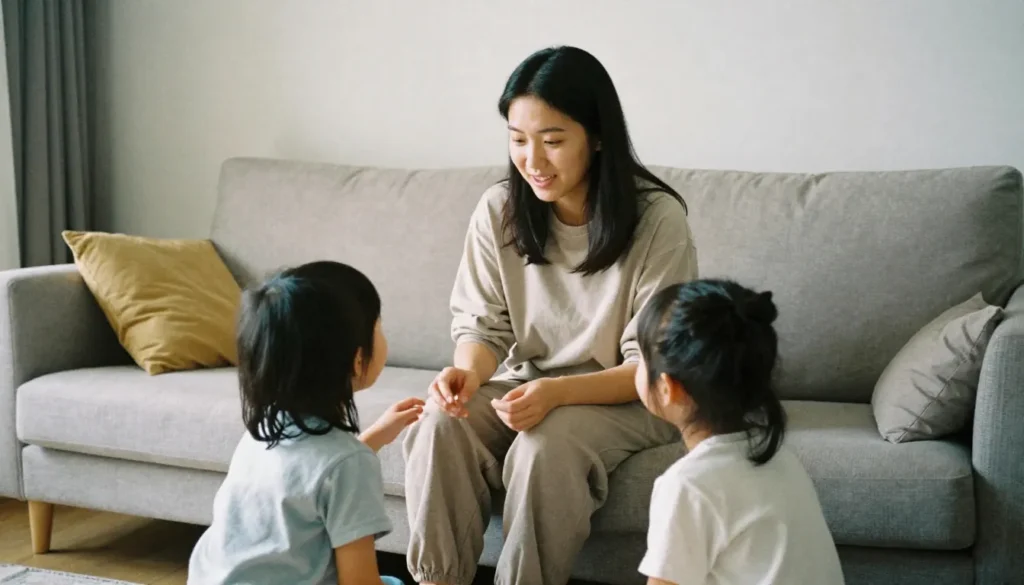
On a typical workday, a nanny might start the morning rocking a baby to sleep, spend midday chasing a toddler across a playground, and end the afternoon helping with homework or cooking dinner. Few jobs demand this level of physical activity, emotional presence, and adaptability. And yet, one of the most underestimated aspects of Nanning is what to wear while doing it.
Nanny outfits are not about fashion statements or rigid dress codes. They are about real life. They’re about comfort during long hours, safety during unpredictable moments, and professionalism in someone else’s home. The right outfit can make a demanding day easier. The wrong one can make it exhausting.
Whether you’re a professional nanny, a babysitter, an au pair, or a parent trying to understand expectations, this guide explores nanny outfits in a realistic, thoughtful, and practical way. We’ll talk about what truly works, what often doesn’t, and how clothing quietly shapes the nannying experience.
Why Nanny Outfits Deserve More Thought Than You Think
Unlike office jobs, nannying doesn’t come with a universally accepted uniform. That freedom can be empowering, but it can also be confusing. Many caregivers learn through trial and error, discovering too late that certain clothes restrict movement, show stains instantly, or simply don’t hold up to daily wear.
Clothing impacts energy levels, mood, and even safety. Shoes without support can cause chronic pain. Fabrics that trap heat can make long afternoons miserable. Outfits that feel inappropriate can create self-consciousness or strain professional boundaries.
Parents, on the other hand, may not always know how important wardrobe choices are for caregivers. When expectations aren’t discussed, misunderstandings happen. A nanny’s appearance might be judged unfairly, or a caregiver may feel unsure about what’s acceptable.
When chosen intentionally, nanny outfits become part of the caregiving toolkit just as essential as schedules, routines, and trust.
The Real-Life Demands That Shape Nanny Clothing
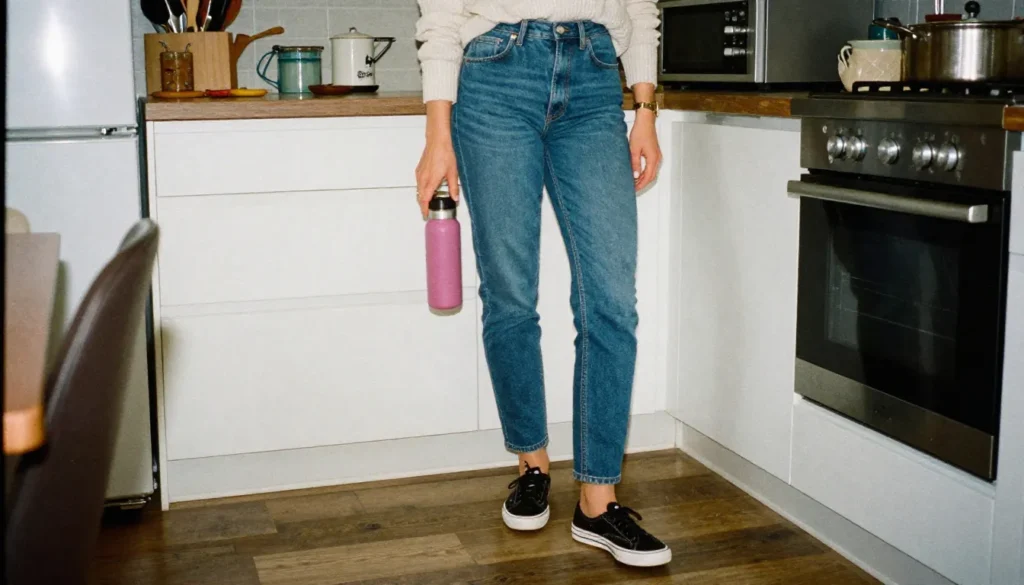
To understand nanny outfits, it helps to picture an actual day on the job. Nannies sit on the floor, kneel beside bathtubs, lift children, bend to tie shoes, carry strollers, and move constantly. Clothing must support movement in every direction.
Mess is unavoidable. Spills, paint, dirt, food, and bodily fluids are all part of the job. This makes easy-to-clean, durable fabrics a necessity, not a luxury. Clothing that can’t survive frequent washing quickly becomes impractical.
Temperature is another factor. Many nannies move between overheated indoor spaces and cold outdoor environments, especially during school drop-offs or park visits. Layering is essential.
Finally, nannying is deeply personal. You’re working inside someone’s home and caring for what matters most to them. Outfits should convey respect, responsibility, and warmth without feeling stiff or unapproachable.
The Foundation of a Great Nanny Outfit
A strong nanny outfit always rests on three foundations: comfort, function, and appropriateness.
Comfort means clothing should never be a distraction. If you’re constantly adjusting, overheating, or feeling restricted, your focus shifts away from the children. Stretch fabrics, breathable materials, and soft textures help caregivers stay present.
Function means the outfit works with the job. Pockets, flexible waistbands, and sturdy seams all matter more in nannying than in many other professions. Clothing must support movement, storage, and long wear.
Appropriateness means respecting the role and the family. Clothes should be clean, modest, and neutral enough to fit into a professional caregiving environment. This doesn’t mean dressing formally; it means dressing thoughtfully.
When these three elements come together, nanny outfits become effortless rather than stressful.
Everyday Nanny Outfits That Actually Work
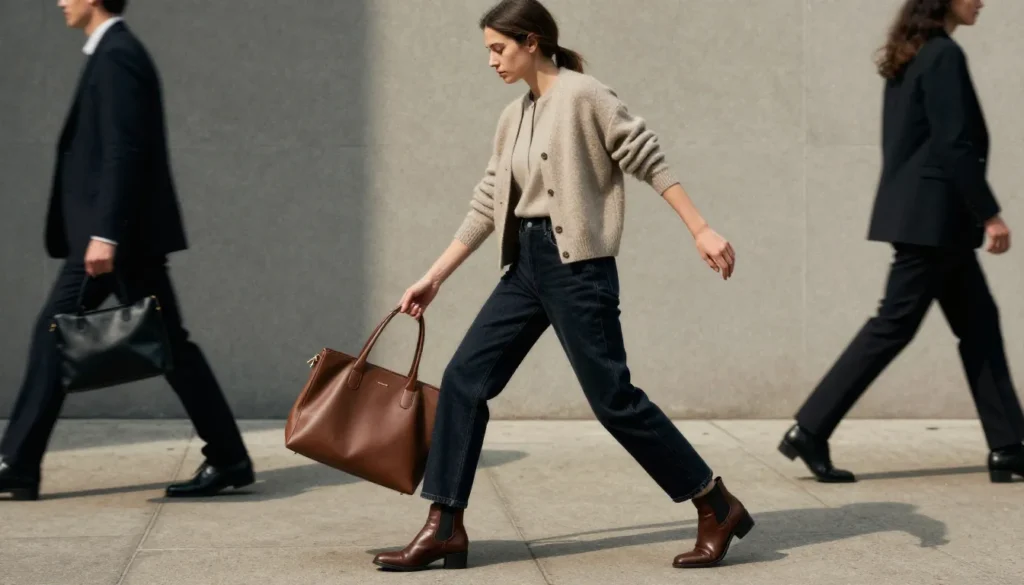
In real life, most nannies rely on simple, repeatable outfit formulas. These aren’t trendy looks they’re reliable systems.
A common everyday outfit includes a breathable top, comfortable bottoms with stretch, and supportive shoes. Tops often include T-shirts, long-sleeve tees, or lightweight sweaters in neutral colors. These are easy to layer and forgiving when it comes to stains.
Bottoms tend to be joggers, stretch jeans, chinos, or quality leggings. The emphasis is on mobility and coverage. Pants that stay in place while bending and lifting quickly become wardrobe staples.
Footwear is often the most important part of the outfit. Sneakers or flat shoes with cushioning and arch support protect joints and reduce fatigue. Shoes should also be practical for both indoor and outdoor wear.
These simple combinations allow nannies to focus on caregiving instead of constantly thinking about their clothes.
Nanny Outfits for Different Types of Families

Not all nanny roles look the same, and outfits should reflect the work environment.
A nanny working in a relaxed household with toddlers may dress more casually, prioritizing durability and comfort. Soft fabrics, darker colors, and athletic-inspired clothing often dominate these wardrobes.
In more formal households, expectations may lean slightly more polished. This might include tailored pants, neutral cardigans, or structured shoes that still offer comfort. The goal is to blend professionalism with practicality.
Live-in nannies often develop two wardrobes: one for working hours and one for personal time. This helps maintain boundaries and a sense of normalcy, especially when work and home overlap.
Travel nannies need versatility above all. Clothing should pack easily, transition across climates, and work for long days on the move. Neutral palettes and multi-use pieces become especially valuable.
Seasonal Considerations for Nanny Clothing
Seasonal changes dramatically affect nanny outfits.
In summer, heat management becomes critical. Lightweight, breathable fabrics help prevent overheating during outdoor play. Clothing that covers skin while allowing airflow also helps protect against sun exposure.
Fall and spring bring unpredictable weather. Layers become essential. Light jackets, hoodies, and cardigans allow nannies to adjust throughout the day without changing outfits entirely.
Winter introduces challenges around warmth and safety. Insulated coats, waterproof boots, and slip-resistant soles protect caregivers during icy or wet conditions. Indoors, layered clothing prevents overheating during active play.
Planning ahead for seasonal needs reduces daily stress and last-minute outfit dilemmas.
Personal Style Within Professional Boundaries
One of the biggest misconceptions about nanny outfits is that they eliminate personal style. In reality, personal expression is possible it just looks different than in other settings.
Color choices, textures, and fits allow caregivers to feel like themselves while staying appropriate. A favorite sweater, a comfortable jacket, or a pair of well-loved shoes can add personality without distracting from the job.
The key is moderation. Clothing should never overpower the role or create safety risks. Subtlety goes a long way in professional caregiving environments.
Feeling good in what you wear often translates into better confidence and presence—something children and parents both notice.
Accessories That Support the Nanny Lifestyle
While clothing forms the foundation, accessories play a supporting role in nanny outfits.
A functional bag is essential. Many nannies prefer backpacks or crossbody bags that distribute weight evenly and allow hands-free movement. Easy-to-clean materials and multiple compartments make organization simpler.
Hair accessories that keep hair secure without discomfort are another small but important detail. They reduce distraction and make active caregiving easier.
Watches or smart devices help caregivers manage schedules and transitions without constantly checking phones, maintaining focus on the children.
Each accessory should serve a purpose, not just an aesthetic.
Common Nanny Outfit Mistakes and How to Avoid Them
One of the most common mistakes caregivers make is prioritizing appearance over practicality. Clothes that look good but limit movement quickly become frustrating.
Another mistake is ignoring footwear quality. Many nannies underestimate how much supportive shoes impact long-term health. Skimping here often leads to fatigue or pain.
Over-accessorizing is another pitfall. Long jewelry or loose accessories can become safety hazards, especially with infants and toddlers.
Finally, failing to consider the family’s culture or expectations can create discomfort. Clear communication early on prevents awkward situations and ensures mutual understanding.
How Parents Can Approach Nanny Dress Expectations Respectfully
Parents often struggle with how or whether to discuss clothing expectations. The best approach is open and respectful communication.
Instead of focusing on appearance, parents can frame conversations around safety, comfort, and practicality. This creates collaboration rather than control.
Some families offer clothing stipends or reimbursements for work-specific items, especially for travel or outdoor-heavy roles. This gesture acknowledges the physical demands of childcare and supports professionalism.
When expectations are clear, both parents and nannies feel more at ease.
The Emotional and Professional Impact of Dressing Well as a Nanny
Clothing affects mindset. When nannies feel comfortable and put-together, they often feel more confident and capable. That confidence shapes interactions with children and parents alike.
Dressing intentionally can also reinforce caregiving as a respected profession. It sends a quiet message that this work matters and deserves thought and preparation.
Over time, many caregivers develop a personal “work uniform” that reduces decision fatigue and makes mornings easier. This consistency supports mental energy throughout the day.
The Bigger Picture: Clothing as a Caregiving Tool
Nanny outfits may seem like a small detail, but they influence nearly every part of the job. From physical comfort to emotional presence, what a caregiver wears shapes how they move through the day.
The best outfits disappear into the background, allowing nannies to focus fully on children. They support movement, withstand mess, and fit naturally into family life.
There is no one-size-fits-all solution, only thoughtful choices guided by experience, environment, and mutual respect.
Final Thoughts: Dressing for the Work You Do Every Day
Nannying is real work, demanding both heart and stamina. The clothes worn during that work should support it, not complicate it.
When nanny outfits are chosen with care, they become allies rather than obstacles. They help caregivers move freely, stay comfortable, and show up professionally in deeply personal spaces.
Whether you’re building your first nanny wardrobe or refining one shaped by years of experience, remember this: the goal isn’t to look perfect it’s to feel prepared.
And when you feel prepared, you care better.
Conclusion:
Nanny outfits may seem like a small detail in a profession centered on children, but in reality, they shape the entire workday. What a nanny wears affects how easily they move, how long their energy lasts, and how confidently they show up in someone else’s home. The right clothing removes friction from daily tasks and allows caregivers to focus fully on what matters most—providing safe, attentive, and loving care.
There is no universal uniform for nannying because every family, child, and environment is different. What remains consistent is the need for comfort, function, and appropriateness. When those elements are in place, clothing becomes a support system rather than a distraction.
For nannies, dressing intentionally is an act of self-respect and professionalism. For parents, understanding the importance of practical attire helps create better working relationships rooted in trust and communication. At its best, a nanny outfit quietly works in the background, enabling long days, small moments, and meaningful connections to unfold naturally.
When caregivers feel comfortable, prepared, and confident in what they’re wearing, everyone benefits especially the children.
FAQs
What is considered appropriate attire for a nanny?
Appropriate nanny attire is clean, comfortable, and practical for active childcare. Clothing should allow freedom of movement, maintain modesty, and suit the family environment. Most nannies wear casual but intentional outfits such as soft tops, stretch pants, and supportive shoes.
Do nannies need to look professional even when working in a private home?
Yes, although professional does not mean formal. Nannies work in personal spaces, but they are still performing a professional role. Neat, well-maintained clothing helps establish boundaries, trust, and respect without sacrificing comfort.
Are casual clothes acceptable nanny outfits?
Casual clothing is common and appropriate for nannying as long as it is clean, functional, and suitable for working with children. Athletic-inspired pieces, casual tops, and comfortable pants are widely accepted in most households.
What kind of shoes should a nanny wear?
Nannies should wear shoes that provide comfort and support throughout long hours. Sneakers or flat shoes with proper cushioning and arch support are ideal, especially for caregivers who walk frequently or spend time outdoors with children.
Should parents give guidelines about nanny outfits?
Many families find it helpful to discuss expectations early in the working relationship. Clear and respectful communication about safety, comfort, and household norms helps prevent misunderstandings and supports a positive work environment.
Can nannies wear dresses or skirts while working?
Dresses and skirts can be suitable nanny outfits if they allow easy movement and maintain coverage when bending or sitting. Stretchy fabrics and knee-length or longer styles are usually more practical for childcare tasks.
How can nannies manage outfits that get dirty quickly?
Choosing darker colors, stain-resistant fabrics, and machine-washable clothing helps manage the messes that come with childcare. Many nannies keep a rotation of reliable work clothes to avoid stress over spills or stains.
Is it okay for nannies to express personal style at work?
Yes, personal style can be expressed in subtle ways through color choices, textures, or well-chosen layers. As long as clothing remains safe, functional, and appropriate for the family, individuality is completely acceptable.
What should nannies avoid wearing on the job?
Nannies should avoid clothing that restricts movement, requires constant adjustment, or poses safety risks. Overly revealing clothes, offensive graphics, delicate fabrics, and unsupportive shoes are best avoided.
How many work outfits does a nanny really need?
A small, well-planned wardrobe of interchangeable pieces is often enough. Many nannies rely on five to seven core outfits that can be rotated and adapted for different days and seasons.

Sofia Bennett is a fashion writer and style observer known for her clean sense of aesthetics and trend analysis. She has covered fashion shows, reviewed designer collections, and interviewed independent creators. Sofia specializes in connecting fashion with real-life lifestyle choices, helping readers understand what looks good — and why.