
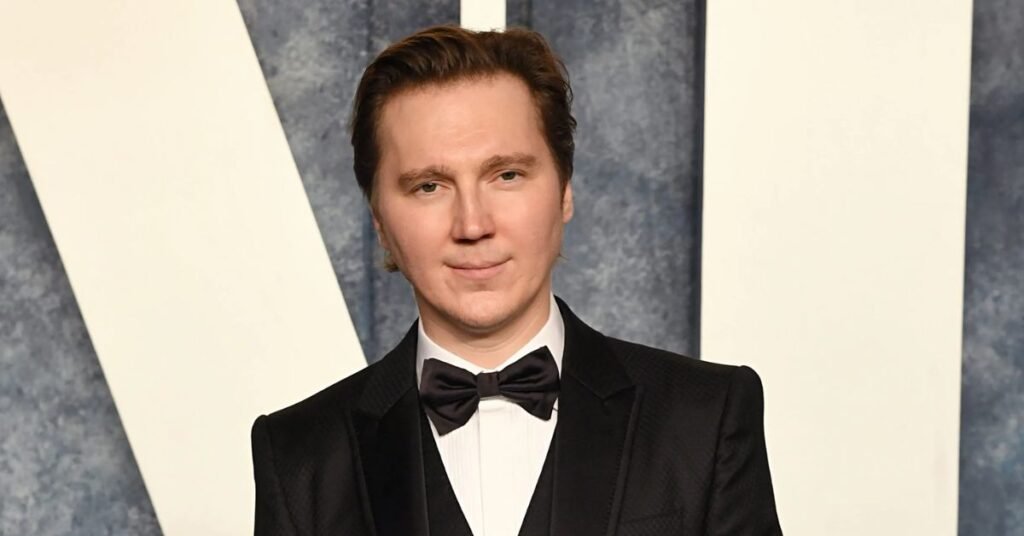
It all started one rainy evening — I was re-watching There Will Be Blood, sipping chai, and struck by how much tension filled every scene where Daniel Day-Lewis’s domineering Daniel Plainview cast its shadow over Paul Dano’s fragile, unsettling Eli Sunday. I realized how rare it is to find an actor who can stand in the same frame with a powerhouse and still create a quietly haunting counterpart. That got me thinking: whether you love him or think he’s a bit divisive — Paul Dano is worth understanding.
In this post, I’ll walk you through who Paul Dano is, why many admire his craft, what the recent controversy around him is, and why — for all the noise — he still matters.
Who Is Paul Dano — A Quick Background
- Paul Franklin Dano was born on June 19, 1984, in New York City.
- He began acting as a teenager, doing community theatre, and first appeared on television before making his film debut.
- Over the years, he’s worked across independent films, art-house cinema, and mainstream blockbusters — earning praise for his willingness to play complex, nuanced characters.
- Besides acting, he has expanded into writing, directing and producing, showing his broader creative ambitions.
In short: Dano isn’t the flashy Hollywood “leading man,” but that’s part of his strength. He thrives in roles that demand subtlety, discomfort, and emotional depth.
What Makes Paul Dano Stand Out — His Strengths & Versatility
Range of Roles — From Vulnerable to Unsettling
Dano has taken on a wide variety of characters:
- In Little Miss Sunshine (2006), he played a withdrawn, emotionally fragile teenager.
- In There Will Be Blood (2007), he famously portrayed twin brothers — one quiet and insecure, the other evangelical and domineering — a role that challenged him to show vastly different personalities.
- Later, he gave us deeply human — often heartbreaking — performances in movies like Prisoners, Love & Mercy, and even played a villainous role in The Batman.
This range is exactly why some consider him one of the most versatile actors of his generation.
Depth, Subtlety, and Risk — Not Just Flashy Performances
Dano seems drawn to characters that are emotionally layered, morally ambiguous, or deeply flawed. That willingness to take risks — to be unlikable, uncomfortable, or understated — is exactly what separates a performer from just a star. His work shows that acting doesn’t always mean charisma and swagger; sometimes it’s about quiet pain, internal conflict, or trembling vulnerability.
Artistic Integrity — Independent and Mainstream Bridges
He hasn’t shied away from mainstream films even as he continues to embrace indie and art-house projects. That balance gives him a unique place: he’s reachable and recognizable — yet unpredictable, interesting, and often profoundly human.
The 2025 Controversy: What Happened Between Quentin Tarantino and Paul Dano
Recently, the famed filmmaker Quentin Tarantino stirred up controversy by targeting Dano’s performance in There Will Be Blood. On a podcast, Tarantino bluntly called Dano “a big giant flaw” in the film, calling him “weak sauce,” “the weakest male actor in SAG,” and saying the movie “would have ranked higher” had someone else played the role — even suggesting someone far younger (and unlikely at the time) could’ve done better.
Unsurprisingly, fans and fellow cinephiles fired back. Many pointed out Dano’s long career of praised performances and versatility. Others argued that Dano’s subtlety — often overshadowed by huge stars or sweeping narratives — is precisely why his roles deserve respect, not dismissive insult.
Why the Debate Matters (And What It Tells Us About Acting)
This clash — between Tarantino’s heavy-handed critique and Dano’s quiet body of work — isn’t just gossip. It reveals bigger truths about acting:
- Contrast between “showy” acting and “internal” acting: Some prefer bold, expressive performances. Others value nuance, internal tension, and subtle discomfort. Dano often belongs to the second camp.
- Risk of being overshadowed in big films: When you act alongside giants (figuratively speaking), subtle performances can be misunderstood as weak unless the viewer is paying close attention.
- Subjectivity of art: What resonates with one viewer may feel flat to another. The same role can impress, unsettle, or disappoint — depending on expectations.
In short: the controversy around Dano isn’t just about one actor — it’s about what we value when we watch a performance.
What We Can Learn (And Appreciate) From Paul Dano — A Guide for Viewers & Creators
Whether you’re a movie lover, an aspiring actor, or a curious thinker, there’s something to take away from Dano’s journey. Here’s a kind of “road-map” inspired by what works — and what to watch out for.
What to Appreciate (The “Best Practice”)
- Choose roles that challenge you — emotionally, morally, and psychologically. Dano often picks characters who are vulnerable, damaged, flawed. That gives you the chance to grow as an actor (or as a viewer, to appreciate complexity).
- Balance between indie and mainstream — taking on both experimental and commercial projects builds versatility and resilience.
- Lean into subtlety and nuance — not every performance has to be loud. Sometimes the most powerful acting is quiet, internal, uneasy.
- Accept that not everyone will “get” it — subtle performances may be misunderstood; that’s okay. Trust in the craft, and aim for those who appreciate layered storytelling.
Common Pitfalls (What to Avoid)
- Avoid chasing popularity at the expense of depth: flashy but shallow roles rarely age well.
- Don’t shy away from supporting roles just because they don’t put you in the spotlight — often those are the most challenging and rewarding.
- Resist overacting: forceful acting can easily tip into melodrama or caricature, especially in nuanced stories.
Tools (If You’re an Actor or Filmmaker)
- A willingness to explore emotionally difficult or morally grey characters.
- Openness to both indie and mainstream production contexts.
- Patience and subtlety: sometimes less is more.
- Resilience — criticism and misinterpretation are part of the journey.
Real-World Use Cases: When Paul Dano-Style Acting Hits Home
- Films about trauma, moral conflict, or psychological tension: Dano-style subtle performances bring realism and discomfort that linger.
- Indie/arthouse cinema — where emotional nuance matters more than blockbuster appeal: Great for filmmakers who want honest, character-driven stories.
- Roles demanding complexity over charm: Instead of “heroic” swagger, you get flawed humanity — and that often feels more real.
Think of stories about broken relationships, internal struggle, moral ambiguity — Dano-type actors elevate those stories.
So… Is Paul Dano “Good” or “Bad”? The Takeaway
At the end of the day, the answer depends on what you value in a performance. Yes, according to a high-profile director, he might appear “weak” in a traditional sense. But Dano’s career shows he offers something different — quiet intensity, emotional range, vulnerability, depth.
If you appreciate subtlety, complexity, and sometimes uncomfortable honesty, Paul Dano is exactly the kind of actor who leaves you thinking long after the credits roll.
Frequently Asked Questions (FAQ)
Q: Has Paul Dano won any big awards?
A: While he hasn’t won an Oscar, Dano has received nominations for a British Academy Film Award (BAFTA), a Golden Globe, and two Emmy Awards.
Q: What are his most acclaimed films?
A: Some of his standout performances are in There Will Be Blood, Little Miss Sunshine, Prisoners, Love & Mercy, Okja, and The Batman.
Q: Does the recent criticism by Tarantino change how we should view his work?
A: Not necessarily. Art — and acting — is subjective. One person’s “flaw” might be another’s breakthrough subtlety. It’s worth watching the films yourself and forming your own opinion.
Q: Is Paul Dano also involved in filmmaking beyond acting?
A: Yes. He has ventured into writing, directing, and producing — proving his ambition goes beyond acting roles.
Final Thought: Why Paul Dano Is Worth Your Time
In a world that often rewards loud, flashy performances, Paul Dano quietly reminds us of the power of vulnerability, subtlety, and emotional risk. His career — unpredictable, risky, sometimes divisive — is a case study in artistic integrity.
So next time you see his name in credits, don’t expect heroism or swagger. Expect discomfort. Expect subtlety. Expect humanity. And when you get it — you might understand why certain performances stick with you, long after the film ends.
If you liked this read, consider checking out one of his films — maybe There Will Be Blood or Love & Mercy — and see for yourself what that “quiet acting” feels like.

Hannah Price is a digital journalist who covers breaking news, global events, and trending stories with accuracy and speed. She has previously contributed to several online magazines and has built a reputation for verifying facts before publishing. Hannah believes in responsible reporting and aims to present stories in a way that readers can trust.