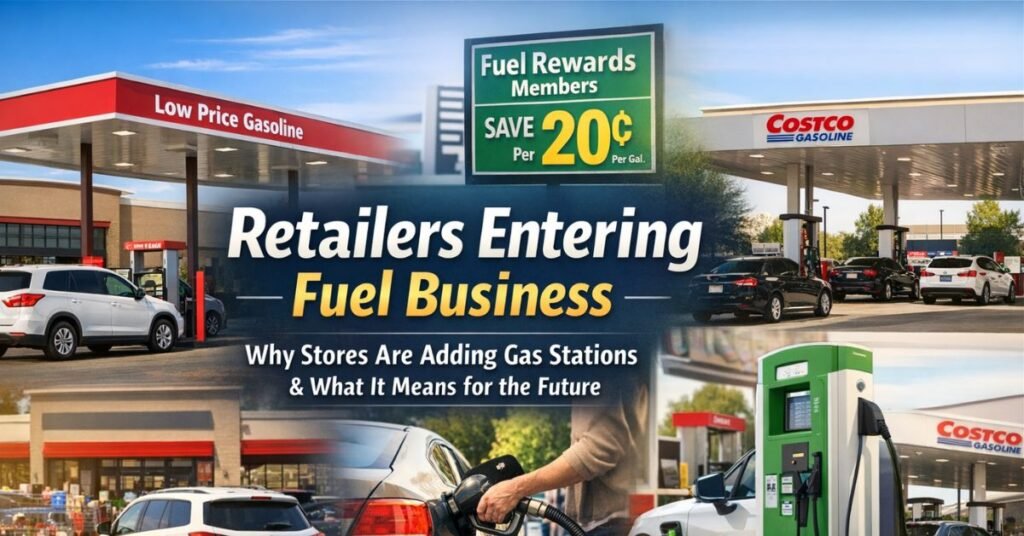
Retailers entering fuel business is no longer a surprising headline—it’s a defining shift in how modern retail works. A decade ago, the idea of filling your tank at the same place you buy groceries, electronics, or bulk paper towels felt novel. Today, it feels almost expected. From big-box giants to regional supermarket chains, retailers are increasingly adding fuel stations to their footprints, and the reasons go far beyond selling gasoline.
This trend matters because fuel is not just another product. It’s a high-frequency, necessity-driven purchase that can shape customer behavior, loyalty, and long-term brand value. When retailers enter the fuel business, they’re not simply competing with traditional gas stations—they’re reshaping traffic patterns, pricing strategies, and even how consumers plan their weekly routines.
In this deep-dive guide, you’ll learn exactly why retailers are entering the fuel business, how the model works in practice, who benefits the most, and what challenges come with it. We’ll break down the economics in plain language, walk through a step-by-step entry framework, compare tools and technology, and highlight real-world examples that show both the upside and the pitfalls. Whether you’re a retail executive, investor, strategist, or just curious about where commerce is headed, this article will give you the clarity you need.
What Does “Retailers Entering Fuel Business” Really Mean?
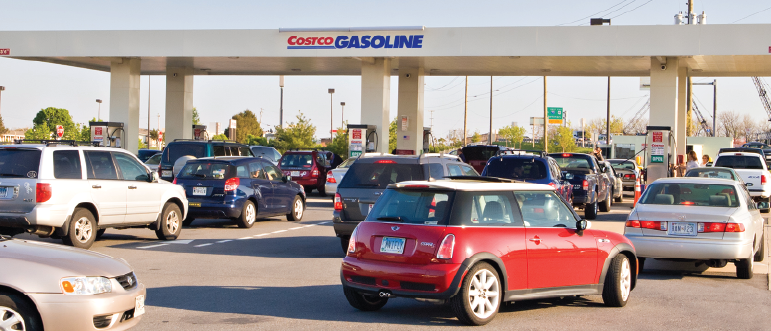
At its core, retailers entering fuel business refers to non-traditional fuel sellers—such as supermarkets, warehouse clubs, and large-format retailers—adding gasoline and diesel sales as part of their overall customer offering. Instead of relying solely on merchandise margins, these retailers integrate fuel stations either on-site or adjacent to their stores to drive traffic, loyalty, and cross-selling opportunities.
Think of fuel as the modern equivalent of a “loss leader,” but with a twist. While margins on fuel are typically thin, the frequency of purchase is incredibly high. A customer might visit a grocery store once a week, but they may need fuel every 5–7 days. When those two needs are combined, retailers gain a powerful lever over customer habits.
A helpful analogy is the coffee shop inside a bookstore. The coffee itself isn’t the main profit engine—it’s the reason customers stay longer, visit more often, and associate the brand with convenience. Fuel works similarly, but at a much larger scale.
Retail fuel operations usually fall into a few common models:
- On-site branded fuel stations operated directly by the retailer
- Co-branded partnerships with established fuel suppliers
- Independent fuel operations tied to loyalty or membership programs
What makes this trend especially important is that fuel acts as a behavioral anchor. Once a shopper associates “cheap, convenient fuel” with a particular retailer, that retailer becomes part of their routine rather than a discretionary stop. That’s the strategic heart of retailers entering fuel business.
Why Retailers Are Moving Into Fuel Now
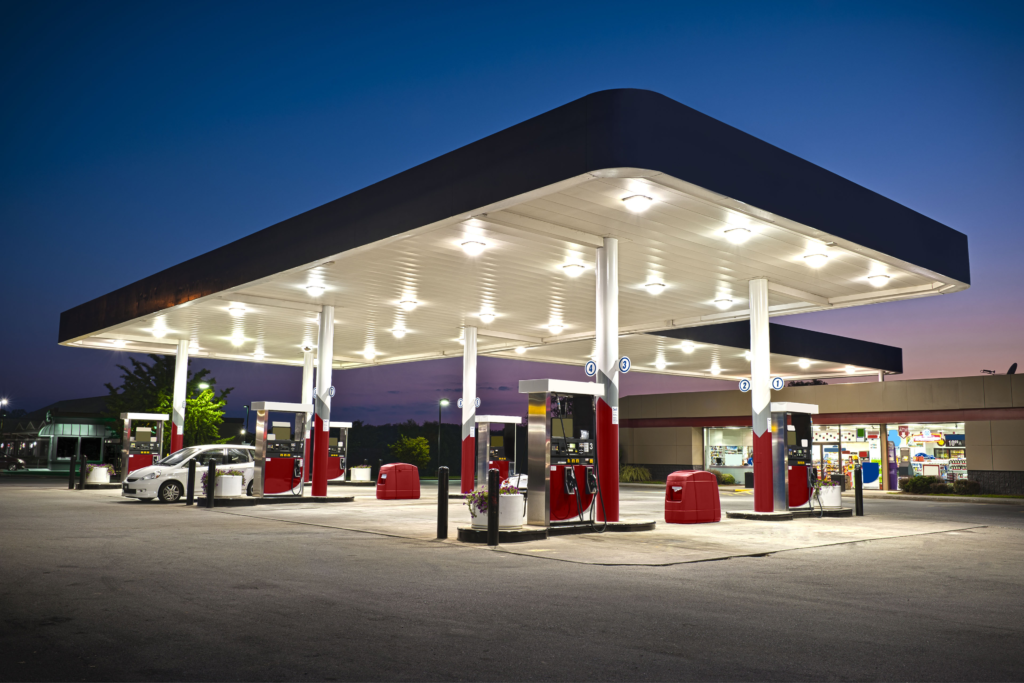
The timing of retailers entering fuel business is not accidental. Several structural shifts in retail and energy markets have converged to make fuel a strategic asset rather than a distraction.
First, retail competition is brutal. E-commerce has compressed margins, trained consumers to expect low prices, and reduced brand loyalty. Physical retailers needed something Amazon couldn’t easily replicate: a necessity that requires physical presence. Fuel fits perfectly.
Second, data and loyalty economics have matured. Modern retailers can tie fuel discounts directly to loyalty programs, track customer behavior across channels, and personalize offers in ways that weren’t possible 15 years ago. Fuel purchases generate rich, predictable data that feeds broader retail strategies.
Third, scale finally matters enough to make fuel viable. Only retailers with sufficient purchasing power, real estate, and logistics capabilities can absorb thin fuel margins while benefiting from increased store traffic. That’s why you see this trend led by giants like Walmart and Costco rather than small independents.
Finally, consumer expectations have shifted. Shoppers increasingly value “one-stop convenience.” Fuel, groceries, pharmacy, food courts, and even EV charging are becoming part of a single retail ecosystem. Retailers entering fuel business are responding to how people actually live, not how retail used to work.
The Real Benefits of Retailers Entering Fuel Business
The appeal of retailers entering fuel business goes far beyond selling gas. When executed correctly, fuel becomes a strategic multiplier across the entire retail operation.
One major benefit is increased foot traffic. Fuel stations pull customers onto the property with high frequency. Once they’re there, incremental shopping becomes easy and habitual. Even a small increase in basket size per visit can dramatically impact annual revenue.
Another benefit is loyalty lock-in. When fuel discounts are tied to store spending or memberships, customers have a tangible reason to consolidate their shopping. For example, earning fuel rewards after grocery purchases creates a feedback loop: shop more, save on fuel, repeat.
Fuel also enhances price perception. Retailers known for competitive fuel pricing are often assumed to be competitive across all categories. This “halo effect” can improve brand trust, even if margins on non-fuel items remain unchanged.
Operationally, fuel stabilizes demand. While retail sales fluctuate seasonally, fuel consumption is relatively steady. This predictability helps smooth cash flow and improves long-term planning.
Fuel business benefits are strongest for:
- Big-box and warehouse retailers
- Supermarket chains with strong loyalty programs
- Retailers with ample parking and real estate
- Brands focused on routine-driven customers
In short, retailers entering fuel business gain a daily-use product that strengthens every other part of their operation.
Step-by-Step: How Retailers Successfully Enter the Fuel Business
Entering the fuel business is not as simple as installing pumps and flipping a switch. Successful retailers follow a structured, disciplined process that minimizes risk and maximizes long-term value.
The first step is market and site analysis. Retailers must evaluate traffic patterns, local competition, zoning laws, and fuel demand. A fuel station thrives on accessibility and visibility, not just proximity to a store.
Next comes the operational model decision. Retailers must choose whether to:
- Operate fuel stations in-house
- Partner with established fuel brands
- Outsource operations to third-party specialists
Each option has different implications for margin, control, and complexity.
The third step is supply chain and pricing strategy. Fuel pricing is highly competitive and transparent. Retailers need strong wholesale contracts, real-time pricing tools, and clear margin targets to avoid race-to-the-bottom pricing.
Then comes integration with loyalty and POS systems. This is where fuel becomes strategic rather than transactional. Fuel discounts, points accrual, and digital receipts should seamlessly connect with the broader retail ecosystem.
Finally, retailers must plan for compliance, safety, and maintenance. Fuel operations are heavily regulated, and any lapse can damage brand trust. Ongoing training, inspections, and emergency preparedness are non-negotiable.
Retailers that skip or rush these steps often struggle. Those that follow them patiently tend to build durable, profitable fuel operations.
Tools, Technology, and Strategic Comparisons
Modern fuel operations rely heavily on technology, and retailers entering fuel business must invest wisely. The right tools turn fuel from a commodity into a data-rich growth driver.
Fuel pricing software is essential. These tools monitor competitor prices, wholesale costs, and margin targets in real time, allowing retailers to adjust pricing dynamically rather than guessing.
POS and loyalty integration platforms connect fuel purchases to customer profiles. This enables targeted offers like “spend $100 in-store, get 10 cents off per gallon,” which are far more effective than generic discounts.
Retailers must also choose between free and paid solutions. Free tools often handle basic reporting but lack advanced analytics. Paid platforms offer predictive insights, automated compliance reporting, and tighter integration—but require upfront investment.
Another major comparison is branded vs. unbranded fuel. Branded fuel offers consumer trust and marketing support but comes with licensing fees. Unbranded fuel offers flexibility and higher margins but requires stronger price competition.
There’s no universal best choice. The optimal setup depends on scale, brand strength, and long-term strategy. Retailers entering fuel business succeed when technology choices align with broader business goals rather than short-term savings.
Common Mistakes Retailers Make (and How to Fix Them)
Despite the upside, retailers entering fuel business often stumble in predictable ways. Understanding these mistakes can save millions.
One common error is underestimating operational complexity. Fuel is regulated, hazardous, and unforgiving. Retailers who treat it like just another SKU quickly run into compliance and safety issues. The fix is dedicated expertise and clear accountability.
Another mistake is pricing fuel too aggressively without a clear cross-sell strategy. Cheap fuel alone does not guarantee profitable traffic. Retailers must actively connect fuel savings to in-store behavior.
Poor site design is another frequent issue. Congested entrances, unclear signage, or awkward pump layouts frustrate customers and reduce throughput. Thoughtful design improves both safety and revenue.
Finally, some retailers fail to evolve. Fuel markets change, EV adoption grows, and customer expectations shift. Retailers entering fuel business must treat fuel as a living strategy, not a one-time project.
The Future of Retailers in the Fuel Business
Looking ahead, retailers entering fuel business will face both disruption and opportunity. Traditional gasoline will remain relevant for years, but the definition of “fuel” is expanding.
EV charging is the most obvious evolution. Retailers are uniquely positioned to host charging stations because customers can shop, eat, or relax while vehicles charge. This transforms dwell time into revenue.
Sustainability will also shape strategy. Biofuels, renewable diesel, and carbon-offset programs will become differentiators, especially for environmentally conscious consumers.
Data will be the silent driver. Fuel transactions generate location, timing, and frequency data that can power smarter merchandising, staffing, and marketing decisions.
The retailers who thrive will be those who view fuel not as an add-on, but as an integrated experience that connects mobility, commerce, and convenience.
Conclusion: Why Retailers Entering Fuel Business Is a Smart Long-Term Play
Retailers entering fuel business are not chasing a trend—they’re responding to fundamental shifts in consumer behavior, competition, and economics. Fuel provides frequency, data, and loyalty in a way few other products can.
When executed thoughtfully, fuel stations increase traffic, strengthen brand perception, and anchor customers into repeat routines. When executed poorly, they become expensive distractions. The difference lies in strategy, integration, and long-term thinking.
If you’re exploring this space, start with clarity: know why you want fuel, how it fits your brand, and what success actually looks like. Fuel isn’t about selling gas—it’s about becoming indispensable in your customer’s daily life.
FAQs
Why are retailers entering the fuel business now?
Because fuel drives frequent visits, strengthens loyalty, and offsets margin pressure from e-commerce competition.
Is fuel profitable for retailers?
Fuel margins are thin, but overall profitability comes from increased store traffic and larger basket sizes.
What types of retailers benefit most from fuel stations?
Big-box retailers, warehouse clubs, and supermarkets with strong loyalty programs benefit the most.
Do retailers operate fuel stations themselves?
Some do, while others partner with fuel brands or outsource operations to specialists.
How does fuel affect customer loyalty?
Fuel discounts tied to store spending create powerful incentives for repeat visits.

Michael Grant is a business writer with professional experience in small-business consulting and online entrepreneurship. Over the past decade, he has helped brands improve their digital strategy, customer engagement, and revenue planning. Michael simplifies business concepts and gives readers practical insights they can use immediately.