
The first time I was invited to a gala, the invitation sat unopened on my kitchen counter for a full day. Not because I wasn’t excited, but because I was intimidated. The word gala carries weight. It conjures images of chandeliers, sweeping staircases, and people who look like they stepped straight out of a magazine. When I finally opened the envelope and saw the words “Black Tie,” my excitement turned into a very real question: what do people actually wear to a gala, and how do you get it right without feeling like you’re playing dress-up?
If you’ve ever felt that same mix of excitement and anxiety, you’re not alone. Figuring out what to wear to a gala can feel overwhelming, especially when the stakes seem high and the rules unclear. The good news is that gala dressing is far less mysterious than it appears. Once you understand the logic behind dress codes, fabrics, silhouettes, and styling, it becomes an enjoyable process rather than a stressful one.
This guide is designed to walk you through gala attire in a way that feels human, realistic, and reassuring. We’ll break everything down step by step, explore real-world examples, talk honestly about common mistakes, and help you feel confident walking into any formal event knowing you look appropriate, elegant, and entirely yourself.
What Exactly Is a Gala, and Why Does Dressing Right Matter?
A gala is more than just a fancy party. It’s usually a formal event tied to a cause, an institution, or a major celebration. Charity fundraisers, museum benefits, award ceremonies, and high-profile cultural events like the Met Gala are classic examples. While some galas are famously extravagant, most fall into a range of formalities that can be decoded if you know what to look for.
Dressing appropriately for a gala is a form of respect. It shows consideration for the hosts, the purpose of the event, and the atmosphere they’ve worked to create. It also affects how you feel throughout the evening. When your outfit aligns with the setting, you’re free to enjoy conversations, dinner, and dancing instead of worrying whether you’re underdressed or overdressed.
Understanding Gala Dress Codes Without the Confusion
The most important clue about what to wear to a gala is hidden in plain sight: the dress code on the invitation. These few words are not suggestions; they’re guidelines meant to help you fit seamlessly into the event.
Black tie is the most common gala dress code and often the one that causes the most confusion. For women, black tie traditionally means a floor-length evening gown made from a luxurious fabric like silk, satin, velvet, or chiffon. While modern interpretations sometimes allow for very elevated cocktail dresses or tailored evening suits, a long gown remains the safest and most universally accepted option. For men, black tie means a tuxedo with a formal shirt and bow tie, creating a polished, timeless look.
Black tie optional introduces a bit more flexibility while still maintaining a formal tone. Women can choose between a full-length gown and a sophisticated midi or cocktail dress, provided it feels undeniably dressy. Men can wear a tuxedo or opt for a dark, well-tailored suit. This dress code acknowledges different budgets and wardrobes while still expecting elegance.
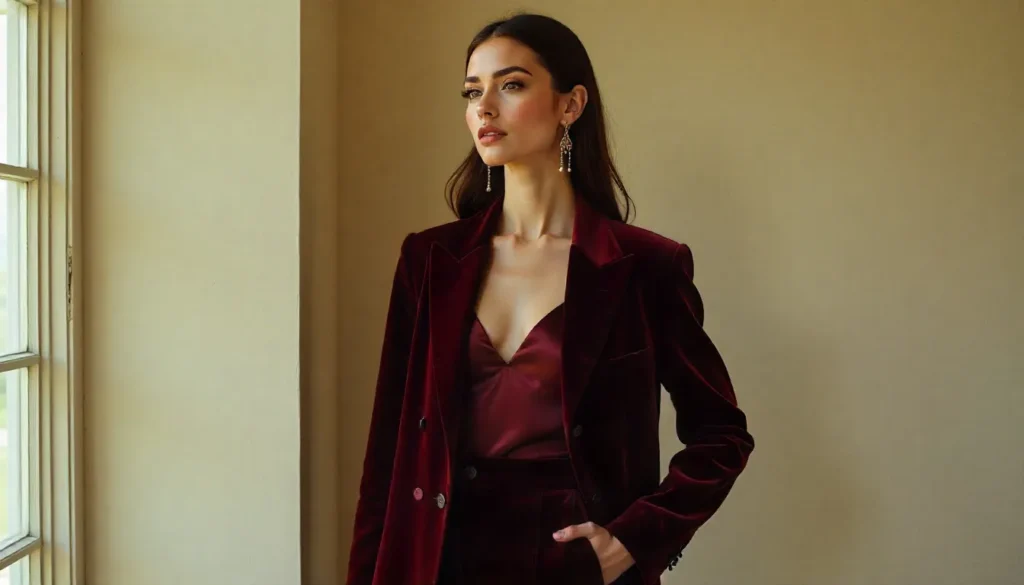
Creative black tie is where personality and fashion-forward thinking come into play. The foundation is still formal, but color, texture, and statement details are encouraged. You might see velvet suits, dramatic silhouettes, bold jewelry, or unconventional fabrics. This dress code is often used for arts-focused events, fashion galas, or holiday fundraisers.
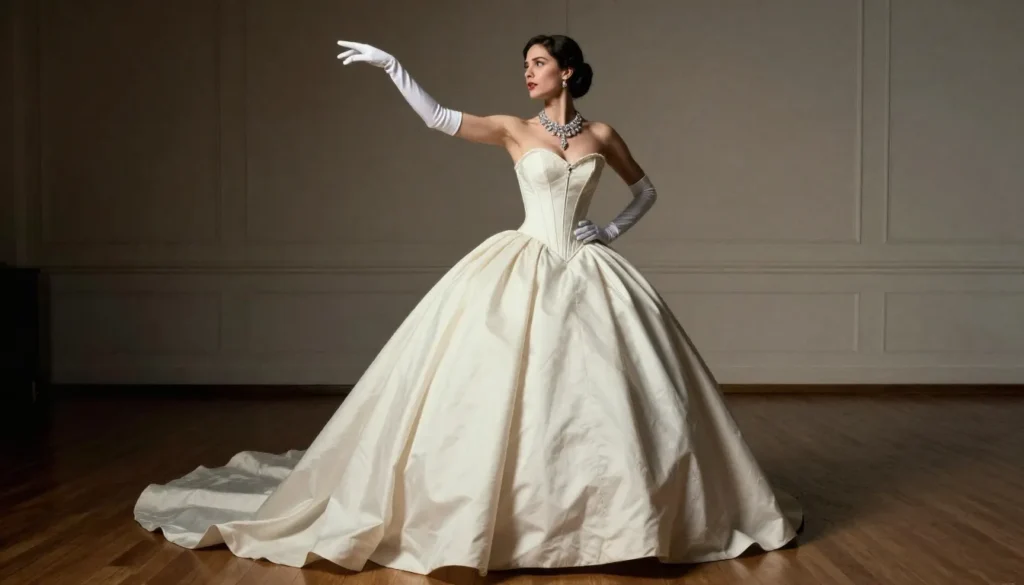
White tie is the rarest and most formal of all gala dress codes. It’s reserved for state dinners, royal occasions, and extremely prestigious events. For women, this means a full ball gown with a structured bodice and a dramatic skirt, often accompanied by opera gloves and fine jewelry. For men, white tie requires a tailcoat, white waistcoat, and white bow tie. If you ever receive a white tie invitation, it’s a signal that tradition and grandeur are expected.
Choosing the Right Gala Outfit for Your Body and Personal Style
Once you understand the dress code, the next step is choosing an outfit that works for your body and makes you feel confident. This is where many people get stuck, assuming there’s only one “correct” look. In reality, there’s room for individuality within the rules.
A-line gowns are a favorite for a reason. They create balance by defining the waist and flowing gently over the hips, making them flattering and comfortable for many body types. Column or sheath dresses offer a sleek, modern silhouette and work beautifully for those who prefer clean lines and minimalism. Ball gowns are dramatic and unforgettable, perfect for very formal galas where making an entrance is part of the experience. Mermaid and trumpet styles are fitted through the body and flare out near the hem, creating a glamorous, red-carpet feel.
Fabric choice matters just as much as silhouette. Eveningwear is defined by its materials. Silk and satin reflect light beautifully under chandeliers. Velvet adds depth and richness, especially for winter galas. Chiffon and organza offer movement and softness, ideal for spring and summer events. Casual fabrics like cotton, linen, or jersey rarely belong at a gala, even if the dress itself looks formal.
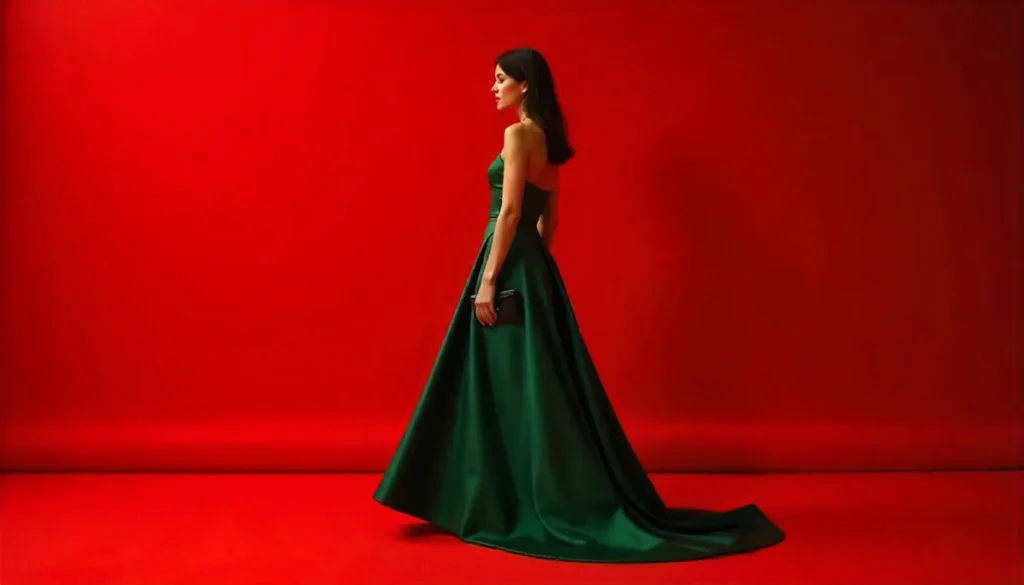
Color also plays a role in how formal an outfit feels. Black is timeless and always appropriate. Jewel tones like emerald, sapphire, and burgundy photograph beautifully and feel luxurious. Metallics bring drama and celebration, while soft pastels can work for daytime or warm-weather galas when styled thoughtfully.
Modern Alternatives to the Traditional Gala Gown
While gowns remain the classic choice, modern gala dressing has evolved. Today, women have more options than ever, especially for black tie and creative black tie events.
A formal evening jumpsuit can be a striking alternative. When made from a luxe fabric with a wide-leg cut, a jumpsuit offers the elegance of a gown with a contemporary edge. Styling is key here. Elevated shoes, refined jewelry, and a polished hairstyle ensure the look reads as formal rather than business casual.
Tailored tuxedos for women have also become a powerful gala statement, inspired by the legacy of Yves Saint Laurent and his iconic “Le Smoking.” A perfectly fitted jacket, sharp trousers, and a silk camisole can feel just as elegant as a gown while expressing confidence and individuality.
Accessories That Complete a Gala Look
Accessories are where a gala outfit truly comes together. They shouldn’t overwhelm the look, but they should clearly signal that this is a special occasion.
Evening bags are intentionally small. A clutch or minaudière is designed to carry only essentials, which keeps your silhouette clean and refined. Materials like satin, velvet, metal, or crystal elevate the look instantly.
Shoes matter more than you might think. Heels are traditional because they enhance posture and how a gown falls, but comfort should never be ignored. A lower heel or block heel can be just as elegant if it allows you to move comfortably throughout the night. Highly embellished flats can work in certain situations, but they should look intentional and luxurious.
Jewelry is where many people either shine or overdo it. Gala dressing rewards balance. If your gown has a dramatic neckline, minimal jewelry often looks best. If your dress is simple, statement earrings or a bold necklace can elevate it. Fine jewelry is ideal, but well-made costume pieces can look just as stunning when chosen carefully.
Outerwear is often overlooked, yet it’s the first thing people see. A tailored coat, elegant wrap, or faux fur stole protects your outfit without detracting from it. Throwing a casual jacket over a formal gown can undo an otherwise flawless look.
Hair and Makeup: Polished, Not Overdone
Gala beauty should feel intentional and elevated. Hair styles like low chignons, classic updos, or polished waves complement formal attire beautifully. Even a sleek ponytail can work if it’s styled with precision.
Makeup typically leans more dramatic than daytime looks. This doesn’t mean heavy, but it does mean defined eyes, glowing skin, or a bold lip. The goal is longevity and balance. Choose products that will last through dinner, speeches, and dancing without constant touch-ups.
Seasonal and Venue Considerations That Make a Difference
Not all galas are the same, and context matters. Winter galas allow for heavier fabrics, deeper colors, and long sleeves. Summer galas often call for lighter materials, breathable silhouettes, and softer palettes. Outdoor venues may require practical considerations like heel-friendly shoes or wraps for cooler evenings.
Venue style also influences your choices. A historic ballroom may call for classic elegance, while a modern art museum might welcome more experimental fashion. Observing the setting helps you fine-tune your look without breaking dress code rules.
Renting vs. Buying: Making Smart, Stylish Choices
Gala outfits can be expensive, which is why many people turn to rental services like Rent the Runway. Renting allows you to wear designer pieces for a fraction of the cost and experiment with styles you might not commit to long-term. It’s also a more sustainable approach to formalwear.
Buying makes sense if you attend formal events regularly or want a timeless piece you can rewear and restyle. A classic black gown or a beautifully tailored suit can serve you for years with the right accessories.
Common Gala Dressing Mistakes and How to Avoid Them
One of the biggest mistakes people make is underestimating formality. A dress that worked for a cocktail party may not be sufficient for a gala. Another common issue is ignoring tailoring. Even the most expensive gown can look wrong if it doesn’t fit properly. Alterations are often the difference between looking dressed and looking polished.
Over-accessorizing is another pitfall. When everything is a statement, nothing stands out. Simplicity often reads as confidence, especially in formal settings.
Real-Life Gala Scenarios and How to Dress for Them
Imagine attending a charity gala at a downtown hotel. The invitation says black tie optional. A floor-length gown in a jewel tone paired with understated jewelry fits perfectly. For a creative black tie art fundraiser, a velvet jumpsuit with bold earrings and sleek hair feels modern and appropriate. At a winter museum gala, a long-sleeved velvet gown with a structured coat balances warmth and elegance.
These scenarios highlight how understanding context allows you to adapt without stress.
The Confidence Factor: The Most Important Part of Any Gala Outfit
No matter how beautiful the gown or how perfect the accessories, confidence is what people remember. When you feel comfortable, appropriate, and true to yourself, it shows. Gala dressing isn’t about pretending to be someone else. It’s about stepping into a polished version of who you already are.
Conclusion:
Knowing what to wear to a gala isn’t about memorizing rigid fashion rules or chasing red-carpet perfection. It’s about understanding the occasion, respecting the dress code, and choosing an outfit that allows you to feel confident, comfortable, and present in the moment. When your clothing aligns with the setting, you stop thinking about what you’re wearing and start enjoying why you’re there whether that’s supporting a meaningful cause, celebrating an achievement, or simply experiencing a beautiful evening.
The most successful gala looks share a few things in common: thoughtful choices, quality over quantity, and attention to fit and detail. A well-chosen gown, jumpsuit, or tailored suit paired with polished accessories and intentional styling will always outshine trend-chasing or overcomplication. Remember, elegance doesn’t shout—it quietly speaks through confidence, ease, and authenticity.
As you prepare for your next gala, focus less on impressing others and more on feeling like the best version of yourself. When you do that, you won’t just look appropriate you’ll look unforgettable.
Frequently Asked Questions (FAQs)
Can I wear a cocktail dress to a gala?
It depends on the dress code. For Black Tie Optional or Creative Black Tie events, a very sophisticated cocktail or midi dress can work, especially if styled with elegant accessories and formal shoes. For strict Black Tie or White Tie galas, a floor-length gown is the safest and most appropriate choice.
Is it acceptable to wear pants to a gala?
Yes, as long as they are part of a formal outfit. Tailored tuxedo suits or evening jumpsuits made from luxurious fabrics like silk, satin, or velvet are perfectly acceptable for many modern galas. Fit and styling are key to ensuring the look feels formal rather than casual.
Can I wear the same gala outfit more than once?
Absolutely. Rewearing formalwear is both practical and stylish. You can refresh the look by changing accessories, shoes, hair, or makeup. Most people won’t remember your outfit as clearly as you think—confidence makes a far bigger impression.
Are flats appropriate for a gala?
Heels are traditional, but they’re not mandatory. If you can’t wear heels comfortably, choose elegant flats that are pointed-toe, metallic, or embellished. The goal is for the footwear to look intentional and formal, not casual.
What colors should I avoid wearing to a gala?
There are very few hard rules, but extremely casual colors or fabrics can feel out of place. If the gala is connected to a wedding, avoid white, ivory, or cream. Otherwise, classic neutrals, jewel tones, metallics, and refined pastels are all safe choices.
How early should I plan my gala outfit?
Ideally, start planning two to four weeks in advance. This allows time for shopping, rentals, alterations, and coordinating accessories without stress. Last-minute choices often lead to fit issues or limited options.
Is renting a gown a good idea?
Yes, renting is an excellent option if you don’t attend formal events often or want access to designer styles without the full price. It’s budget-friendly, sustainable, and allows you to experiment with different silhouettes and colors.
How formal should hair and makeup be for a gala?
Hair and makeup should look polished and intentional. Evening events usually call for more definition than daytime looks, but balance is important. Choose one focal point either bold eyes or a bold lip and keep the rest refined.

Sofia Bennett is a fashion writer and style observer known for her clean sense of aesthetics and trend analysis. She has covered fashion shows, reviewed designer collections, and interviewed independent creators. Sofia specializes in connecting fashion with real-life lifestyle choices, helping readers understand what looks good — and why.