In an interconnected world, health challenges like pandemics, chronic diseases, and malnutrition are not confined by borders. This is where world health organizations play an indispensable role. These international bodies are the architects of global public health strategy, working to prevent disease, promote health equity, and respond to emergencies on a global scale. From the well-known World Health Organization (WHO) to specialized agencies focused on children or specific diseases, their collective efforts shape the well-being of billions.
This guide will explore the landscape of these critical institutions. We will examine who the key players are, what they do, how they are funded, and the monumental impact they have on everything from vaccine distribution to setting international safety standards. Understanding these organizations is essential to appreciating the complex, collaborative effort required to keep our global population safe and healthy.
What Are World Health Organizations?
World health organizations are international bodies dedicated to addressing health issues that transcend national boundaries. They can be governmental, non-governmental, or a mix of both. Their primary purpose is to provide leadership on global health matters, shape the research agenda, set norms and standards, and monitor health trends worldwide.
These organizations function as the connective tissue of global health, linking nations, scientists, healthcare workers, and communities. They facilitate collaboration, pool resources, and ensure that scientific advancements and health resources reach the people who need them most, regardless of where they live.
Core Functions and Responsibilities
While each organization has a unique mandate, they generally share a set of core functions:
- Global Health Surveillance: They act as the world’s watchdogs, tracking disease outbreaks, monitoring health trends, and collecting data. This surveillance is crucial for early detection and rapid response to potential pandemics.
- Setting Norms and Standards: These bodies establish international standards for everything from vaccine safety and pharmaceutical quality to clean air and water. These guidelines help countries implement evidence-based health policies.
- Technical and Financial Assistance: They provide technical expertise and funding to countries, particularly low- and middle-income nations, to help them strengthen their own health systems.
- Emergency Response: During health crises—such as earthquakes, famines, or pandemics like COVID-19—they coordinate international relief efforts, deploying experts and essential supplies.
- Promoting Health Equity: A central goal is to reduce health disparities, ensuring that everyone has a fair and just opportunity to be as healthy as possible.
Key Players in Global Public Health
The term “world health organizations” encompasses a wide range of bodies. Let’s explore some of the most influential players and their specific roles.
The World Health Organization (WHO)
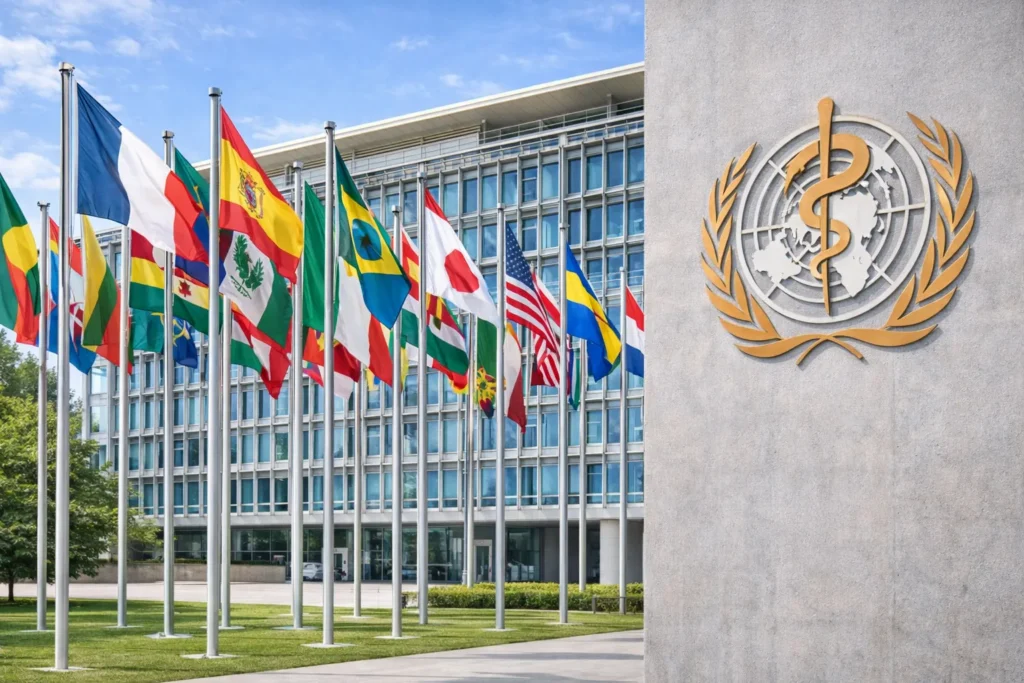
The WHO is the most prominent international health agency. A specialized agency of the United Nations, it was founded in 1948 with a broad mandate to direct and coordinate international health work. With 194 member states, its authority and reach are extensive.
Key Roles of the WHO:
- Declaring Public Health Emergencies: The WHO is responsible for declaring a Public Health Emergency of International Concern (PHEIC), a formal declaration that mobilizes a coordinated global response.
- Disease Eradication Programs: The WHO has led monumental campaigns that successfully eradicated smallpox and are on the verge of eradicating polio.
- Essential Medicines List: It maintains a model list of essential medicines that countries can use to develop their own national lists, ensuring access to safe and effective treatments.
The United Nations Children’s Fund (UNICEF)
While its name focuses on children, UNICEF’s work is a cornerstone of global public health. UNICEF works in over 190 countries and territories to save children’s lives, defend their rights, and help them fulfill their potential.
UNICEF’s Health Contributions:
- Immunization Leader: UNICEF is one of the world’s largest purchasers and distributors of vaccines, reaching almost half of the world’s children under five.
- Nutrition: They lead global efforts to combat childhood malnutrition, providing therapeutic foods, vitamin supplements, and promoting breastfeeding.
- Water, Sanitation, and Hygiene (WASH): UNICEF works to provide clean water and sanitation facilities to communities, a critical step in preventing waterborne diseases like cholera and diarrhea.
Gavi, the Vaccine Alliance
Gavi is a public-private partnership that helps vaccinate half the world’s children against some of the world’s deadliest diseases. It brings together developing country and donor governments, the WHO, UNICEF, the World Bank, the vaccine industry, and civil society.
How Gavi Works:
- Market Shaping: Gavi pools demand from multiple countries, which provides vaccine manufacturers with the volume security they need to lower prices. This has made life-saving vaccines, such as the HPV and pneumococcal vaccines, affordable for low-income countries.
- Health System Strengthening: Gavi provides funding to help countries strengthen their “cold chains” (refrigeration systems for vaccines), train healthcare workers, and improve data collection.
The Global Fund to Fight AIDS, Tuberculosis and Malaria
The Global Fund is a financing partnership designed to accelerate the end of the AIDS, tuberculosis, and malaria epidemics. It raises and invests nearly US$4 billion a year to support programs run by local experts in more than 100 countries.
Its Impact:
- AIDS: The Global Fund provides 20% of all international financing for HIV programs and has helped millions access antiretroviral therapy.
- Tuberculosis: It provides 65% of all international financing for TB, supporting diagnostics and treatment.
- Malaria: It funds 57% of all international malaria programs, primarily through the distribution of mosquito nets and antimalarial drugs.
Non-Governmental Organizations (NGOs) and Foundations
Beyond intergovernmental bodies, a vibrant ecosystem of NGOs and private foundations plays a crucial role.
Doctors Without Borders / Médecins Sans Frontières (MSF)
MSF is a Nobel Peace Prize-winning organization that provides emergency medical care in conflict zones and countries affected by endemic diseases. They are known for their fierce independence, neutrality, and commitment to providing care based solely on need. Their teams are often the first on the ground in a crisis.
The Bill & Melinda Gates Foundation
The Gates Foundation is one of the largest private foundations in the world and a powerhouse in global health. By providing billions in funding, it has become a major force in shaping the global health agenda. Its primary focus areas include infectious disease eradication (polio, malaria), vaccine development, and agricultural development to improve nutrition.
How World Health Organizations Are Funded and Governed
The structure and funding of these organizations determine their priorities and effectiveness.
- Assessed Contributions: For UN agencies like the WHO, these are mandatory dues paid by member states based on their population and wealth. This provides a stable source of core funding.
- Voluntary Contributions: This is now the largest source of funding for most organizations. These contributions come from member states, other international organizations, and private foundations. While essential, they are often earmarked for specific projects, which can limit an organization’s flexibility to respond to new threats.
- Governing Bodies: Organizations like the WHO are governed by a World Health Assembly, where all member states have a voice. This democratic structure ensures that policies reflect the collective will of the international community.
Triumphs of Global Health Collaboration
The work of world health organizations has led to some of the greatest achievements in human history.
The Eradication of Smallpox
In 1980, the WHO officially declared the world free of smallpox. This monumental achievement, accomplished through a massive global vaccination campaign, is considered the biggest success in the history of public health. It proved that international cooperation could conquer a deadly disease.
The Fight Against Polio
Through the Global Polio Eradication Initiative, a partnership including the WHO, Rotary International, UNICEF, and others, wild poliovirus has been eliminated from all but two countries (Afghanistan and Pakistan). Cases have dropped by over 99.9% since 1988, preventing millions of cases of paralysis.
Reduction in Child Mortality
Thanks to the combined efforts of UNICEF, Gavi, and others, global child mortality has fallen dramatically. The increased availability of vaccines, improved nutrition, and better access to clean water and sanitation have saved millions of lives.
Challenges and Criticisms Facing Global Health Bodies
Despite their successes, world health organizations face immense challenges and are not without critics.
Political and Financial Pressure
As these organizations rely on funding from member states, they can be subject to political pressure. The COVID-19 pandemic highlighted how geopolitical tensions can complicate a unified global response and lead to funding threats.
Bureaucracy and Slow Response Times
Large, international bodies can sometimes be criticized for being slow and bureaucratic. The need to achieve consensus among nearly 200 member states can sometimes delay decision-making in a fast-moving crisis.
Health Equity Gaps
While progress has been made, significant health disparities remain. Critics argue that global health priorities are sometimes overly influenced by the interests of wealthy donor countries and may not adequately address the diseases of poverty that primarily affect low-income nations.
The Future of Global Health Governance
The future of global health is being shaped by new challenges and opportunities.
Pandemic Preparedness
The COVID-19 pandemic exposed critical gaps in global pandemic preparedness. There is now a major international push to create a new “pandemic treaty” and strengthen the WHO’s authority to investigate outbreaks more quickly and enforce compliance with international health regulations.
The Impact of Climate Change
Climate change is increasingly recognized as a major health threat. Rising temperatures are expanding the range of vector-borne diseases like dengue and malaria. Extreme weather events disrupt health systems and food supplies. World health organizations are now integrating climate resilience into their public health strategies.
Digital Health and Data Science
The future of public health surveillance lies in big data and AI. By analyzing vast datasets from multiple sources, organizations can predict disease outbreaks with greater accuracy, monitor the effectiveness of interventions in real-time, and personalize health messaging.
Conclusion
World health organizations are the essential scaffolding of our global health system. From the WHO’s leadership during a pandemic to UNICEF’s tireless work to vaccinate children and Gavi’s innovative financing models, these bodies translate a vision of a healthier world into action. They are founded on the principle that health is a human right and that no one is safe until everyone is safe.
While they face challenges of funding, politics, and bureaucracy, their successes are undeniable. The millions of lives saved through vaccination campaigns, disease eradication efforts, and improved sanitation are a testament to the power of global cooperation. As we look toward a future with new and complex health threats, supporting and strengthening these international institutions is not just a choice—it is a necessity for our collective survival and well-being.
Frequently Asked Questions (FAQs)
Q1: What is the main difference between the WHO and UNICEF?
A1: The WHO is the UN’s lead agency for all international health matters, setting standards and coordinating responses for the entire global population. UNICEF is a UN agency specifically focused on the rights and well-being of children, with a major emphasis on health services like immunization, nutrition, and clean water that directly impact child survival.
Q2: How are these organizations different from a country’s national health department?
A2: A national health department (like the CDC in the U.S. or the NHS in the U.K.) operates within a single country, implementing national laws and providing services to its citizens. World health organizations operate internationally, coordinating efforts between countries. They do not have direct authority within a country but work in partnership with national governments.
Q3: Can individuals donate to these organizations?
A3: Yes. Most non-governmental organizations like Doctors Without Borders and public-private partnerships like Gavi accept donations from the public. UN agencies like UNICEF and the WHO also have mechanisms for individual giving, often through national fundraising committees or foundations.
Q4: What does it mean when the WHO declares a “pandemic”?
A4: A pandemic is an epidemic of infectious disease that has spread across a large region, for instance, multiple continents or worldwide, affecting a substantial number of people. The WHO makes this determination based on the geographical spread of the disease, its severity, and its impact on societies. The declaration triggers specific response protocols globally.
Q5: Are there world health organizations focused on mental health?
A5: Yes. The WHO has a dedicated department for Mental Health and Substance Use that works to promote mental well-being and prevent mental disorders. Additionally, many NGOs and foundations, such as the United for Global Mental Health, focus specifically on advocating for and funding mental health services worldwide.

Sofia Bennett is a fashion writer and style observer known for her clean sense of aesthetics and trend analysis. She has covered fashion shows, reviewed designer collections, and interviewed independent creators. Sofia specializes in connecting fashion with real-life lifestyle choices, helping readers understand what looks good — and why.