
The first real cold day of the year always catches you a little off guard. One moment you’re enjoying crisp autumn air, and the next you’re staring at your closet wondering how you survived last winter at all. I still remember standing by my door last December, trying desperately to decide between a slightly warm jacket that matched my outfit and a bulky coat that made me look like I was smuggling pillows. That’s the turning point when I realized winter dressing isn’t just about staying warm it’s about learning the subtle art of layering, picking fabrics that actually work with the cold, and choosing pieces that flatter without sacrificing comfort.
If you’ve ever felt overwhelmed trying to choose the best winter outfits, or if you’ve found yourself freezing despite wearing what felt like twenty layers, this guide is for you. Winter style can be beautiful, expressive, cozy, and practical at the same time. You just have to know how to build outfits that support both warmth and personality.
This article dives deep into the best winter outfits for every setting, how to layer the right way, which fabrics truly keep you warm, what to avoid, and how to accessorize like someone who has mastered the season. Whether you love winter fashion or dread stepping outside in it, by the end of this guide, you’ll feel confident creating outfits that work wonderfully for your lifestyle.
Why Winter Fashion Matters More Than You Think
Best winter outfits influence so much more than your appearance. They determine how comfortable you feel throughout the day, how confident you walk into a room, and even how willing you are to spend time outdoors. Dressing well in the winter isn’t about being glamorous; it’s about understanding your climate, body temperature, daily routine, and preferences. And once you solve that puzzle, winter becomes far less intimidating.
The trick is finding clothing that offers insulation without unnecessary bulk, fabrics that breathe without allowing cold drafts in, and silhouettes that still allow movement. Winter dressing is also about the emotional experience feeling wrapped in something warm and soft, looking put together even on a grey day, and enjoying a season that often feels long, dark, and heavy. Best winter outfits genuinely make the cold more bearable.
Best Winter Outfits You Can Wear All Season Long
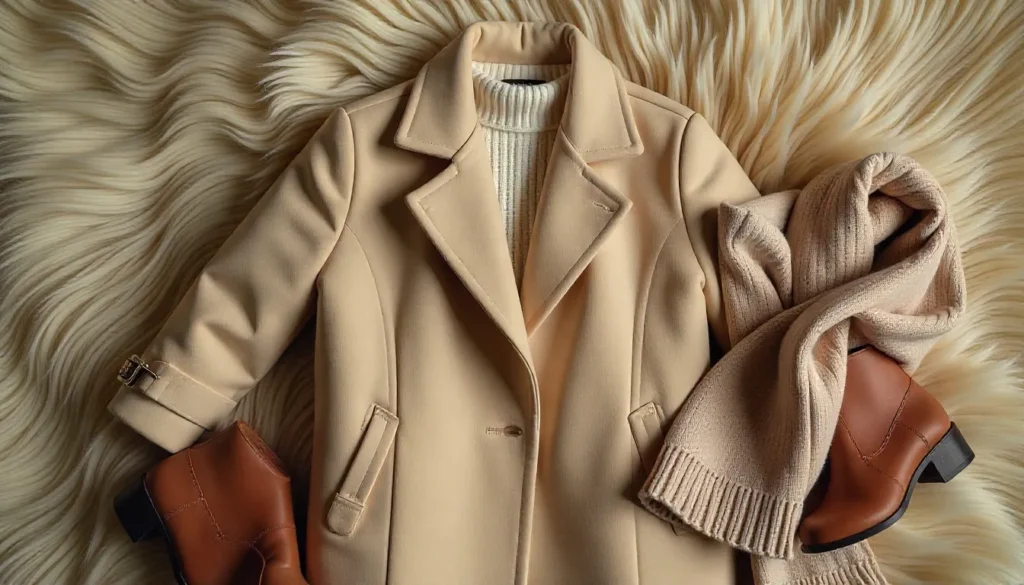
The best winter outfits are more than visually appealing they’re functional, intentional, and easy to customize. Below are some timeless outfit combinations that work beautifully for modern winter lifestyles.
The Classic Knit Sweater with Structured Coats
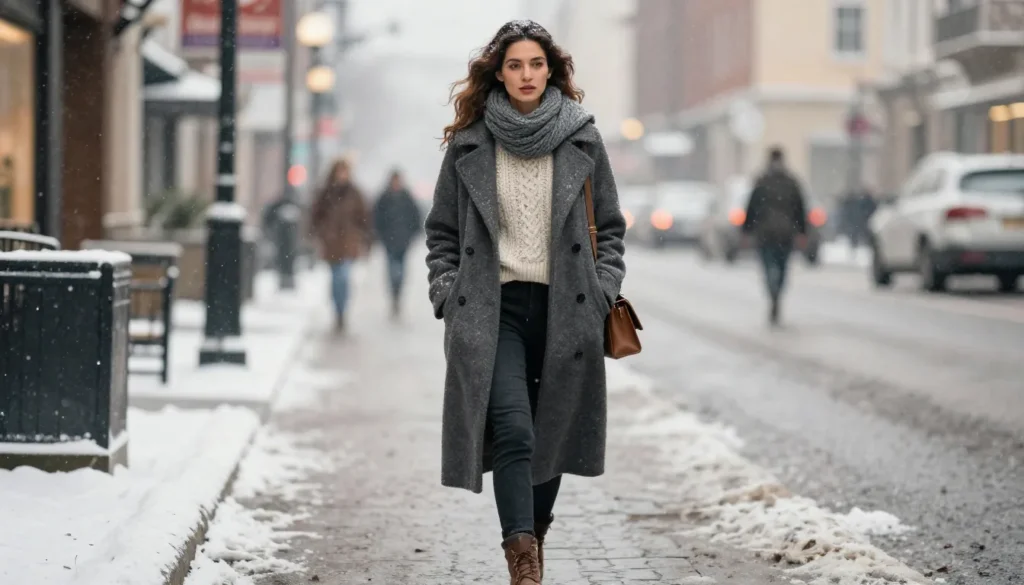
There’s something timeless about slipping into a thick knit sweater and topping it with a long wool coat. The sweater provides warmth and texture while the coat adds structure and sophistication. This combination is perfect for workdays, brunch outings, or casual walks. You can pair it with slim-fit jeans, wide-leg trousers, or even a midi skirt, depending on your personal style. The versatility of this outfit makes it a winter must-have.
Thermal Layers with Puffer Jackets
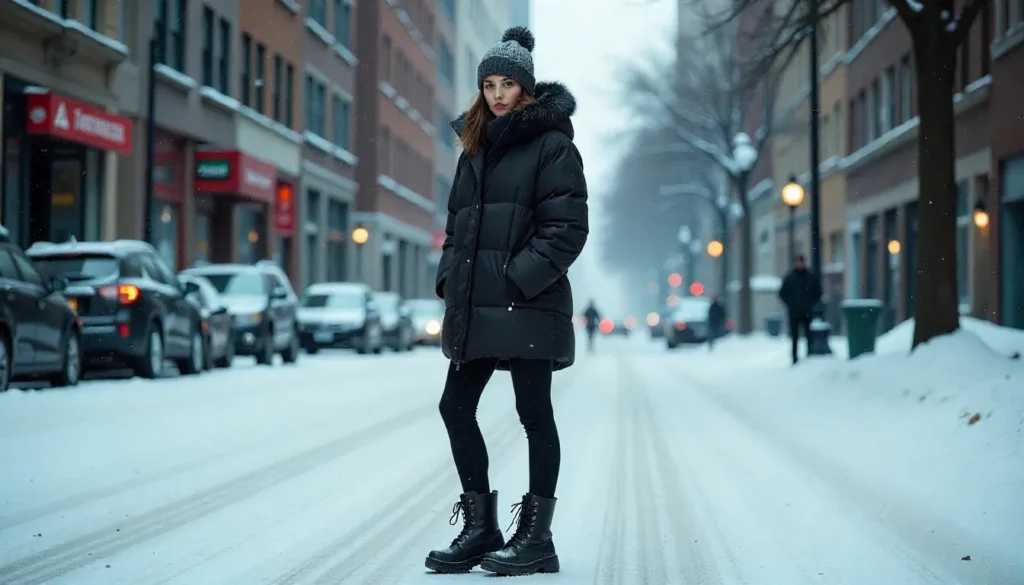
For extremely cold climates, thermal layers are the unsung heroes of winter fashion. They’re thin, comfortable, moisture-wicking, and designed to keep your body warm without weighing you down. When you pair a thermal top with a cozy sweater and finish with a puffer jacket, you create one of the warmest and most weather-proof best winter outfits possible. Add waterproof boots and fleece-lined leggings, and you’re ready for snow, ice, or wind.
Sweater Dresses with Boots
Sweater dresses bridge the gap between comfort and elegance. They’re soft, flattering, and surprisingly warm when made from wool or thick knits. When you pair them with knee-high boots or chunky ankle boots, the result is a chic best winter outfits that works well for date nights, evenings out, and even winter parties. Adding a belted coat or faux-fur jacket adds a touch of glamour while keeping you warm.
Oversized Hoodies with Tailored Outerwear
Mixing casual and elevated pieces is one of the biggest winter fashion trends today. Wearing an oversized hoodie under a structured blazer or wool coat creates a cool, effortless street-style look. This outfit is perfect for college students, young professionals, or anyone who wants comfort without sacrificing style. Pair it with straight-leg pants or flared leggings, and finish with sneakers or chunky boots depending on the weather.
Fleece Layers with Waterproof Outerwear
Fleece jackets and pullovers are essential for people who spend time outdoors. They offer incredible warmth and breathability while remaining light and comfortable. When paired with a waterproof parka or ski jacket, fleece layers create an outfit ideal for hiking, traveling, or simply walking the dog on a frosty morning. This practical combination proves that best winter outfits can be stylish and functional.
Understanding the Art of Winter Layering
Layering is the backbone of winter style. Once you learn how to layer effectively, you no longer feel bulky, cold, or limited in your outfit choices. The key is understanding the three-layer system: the base, the insulation, and the outer layer.
The base layer should be soft, moisture-wicking, and fitted. Fabrics like merino wool, bamboo blends, and performance thermals are ideal. Avoid cotton because it traps moisture and makes you colder over time. The purpose of the base layer is to keep your skin dry and your body temperature stable.
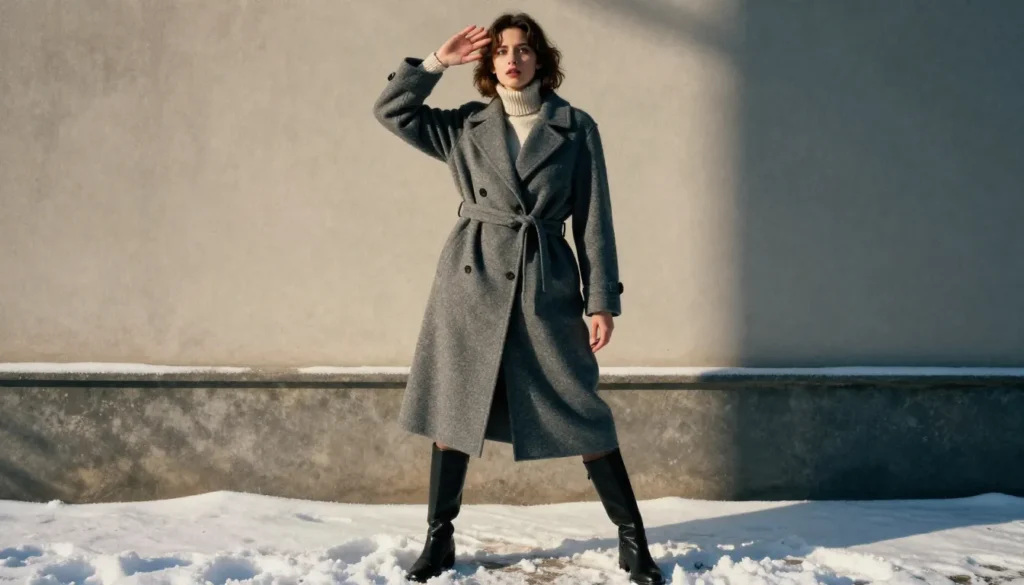
Your insulation layer depends on the temperature and occasion. For casual days, a knit sweater or fleece pullover works perfectly. For dressier settings, a turtleneck under a blazer or a fine wool sweater under a structured coat creates warmth without bulk. The insulation layer traps heat while maintaining a clean silhouette.
The outer layer is your first defense against harsh weather. Wool coats excel in dry, cold conditions and elevate any outfit. Puffer jackets are ideal for windy, snowy, or unpredictable days because they trap heat efficiently. Parkas are best for extreme climates where wind chill is a significant factor. Choosing the right outerwear for your environment makes winter far more manageable.
Fabrics That Truly Keep You Warm
Winter clothing is only as good as the fabric it’s made from. Choosing materials intentionally ensures your outfits remain warm, breathable, and durable. Wool is the gold standard for insulation because it naturally regulates temperature and keeps you warm even when slightly damp. Merino wool, in particular, is lightweight, odor-resistant, and ideal for layering.
Cashmere provides luxurious softness and warmth but requires more delicate care. Fleece, although synthetic, mimics the insulating properties of wool while remaining exceptionally lightweight. It dries quickly and is perfect for outdoor activities. Down insulation—natural or synthetic—creates some of the warmest jackets on the market due to its ability to trap heat effectively.
Avoid acrylic as your primary winter fabric because it lacks breathability and warmth. Thin polyester blends can also underperform unless paired with other insulating materials. When shopping for best winter outfits, always check the label it can be the difference between a cozy day and an uncomfortable one.
Best Winter Outfits Ideas for Real-Life Situations
Choosing what to wear often depends on your day-to-day activities. Winter dressing becomes much easier when you match outfits with lifestyle needs.
For work settings, choose pieces that balance warmth and professionalism. A fitted turtleneck layered under a blazer with tailored trousers creates a polished look that isn’t bulky. Adding a long wool coat completes the outfit and keeps you warm during your commute.
For casual outings or errands, prioritize comfort and mobility. Puffer jackets paired with leggings, hoodies, or fleece sweaters make running errands warm and stress-free. Sneakers can work on dry days, but opt for insulated boots when it’s wet or icy.
For travel, especially winter vacations, lightweight layering is essential. A thermal base, soft sweater, and packable puffer create warmth without restricting movement. Shoes should be warm, easy to slip on at airports, and versatile enough for different outfits.
For evenings out or winter holidays, lean into texture and warmth. Velvet tops, sweater dresses, wool skirts, and faux-fur coats add elegance while keeping the cold out. Playing with rich colors like emerald, burgundy, and navy gives your outfits that winter magic.
The Role of Accessories in Winter Fashion
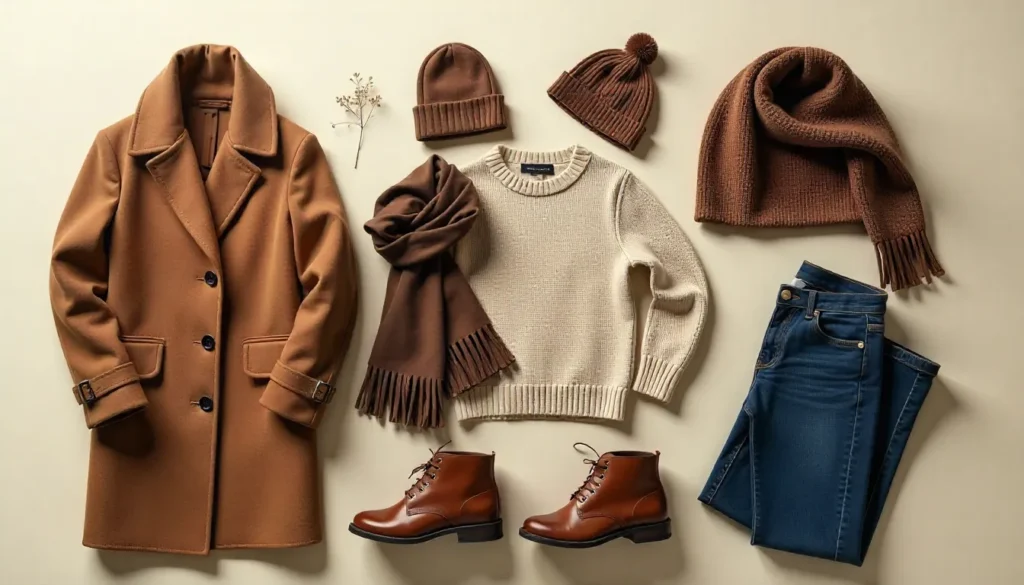
Accessories transform your winter outfits from functional to stylish. Scarves add warmth around the neck—one of the quickest places heat escapes. Chunky knit scarves double as statement pieces, while thin wool scarves create a more polished look. Beanies protect your head and ears, especially on windy days. They also add personality to your outfit depending on color and style.
Gloves are essential not just for comfort but also for practicality. Leather gloves lined with cashmere look refined and keep hands warm. Touchscreen gloves are lifesavers if you frequently use your phone outdoors. Wool socks also make a huge difference pairing thick socks with insulated boots creates true winter comfort.
Bags also shift during winter. Structured leather bags hold shape even against bulky coats, while crossbody bags offer convenience when wearing multiple layers. Accessories may seem small, but in winter, they complete the outfit both visually and functionally.
Building a Winter Wardrobe Step-by-Step
If you’re building or refreshing your winter wardrobe, start by investing in high-quality basics. Begin with two or three good base layers, as they make the biggest difference in warmth. Add two mid-layers for different situations one dressy, one casual. After this, choose at least two coats: a wool coat for everyday style and a puffer for harsher conditions.
Next, add versatile bottoms such as jeans, thermal leggings, and wool trousers. Footwear is also crucial—one pair of insulated boots can transform your winter comfort. Once you’ve covered the essentials, gradually add statement pieces like sweater dresses, textured jackets, or colorful scarves.
Building your wardrobe slowly ensures you choose items you truly need and love instead of impulse buying pieces that don’t fit your style or climate.
Common Winter Dressing Mistakes to Avoid
Many winter struggles come from small but important mistakes. One common error is relying solely on heavy clothing instead of layering strategically. Another mistake is choosing outerwear based on appearance alone without checking insulation quality. People also often underestimate the importance of waterproof footwear, especially in snowy regions.
Another frequent mistake is forgetting accessories like gloves and scarves, which dramatically affect overall warmth. Wearing cotton as a base layer is another misstep since cotton absorbs moisture and makes you colder. Finally, many people choose the wrong size for their coats, leading to restricted movement or an overly bulky look. Finding the right fit is essential for both warmth and style.
Comparing Winter Outfit Options: What Works Best for You
Every winter outfit category serves a different purpose. Wool coats excel in city environments where style matters and the weather isn’t extremely harsh. Puffer jackets are better for snowy or windy climates, offering high insulation with minimal weight. Sweater dresses provide a feminine alternative to jeans and trousers, while fleece layers suit outdoor or athletic activities.
Your best winter outfits depend on your daily routine, personal style preferences, and climate. For example, someone who walks a lot in cold weather needs insulated, waterproof boots more than someone who drives everywhere. Someone who works in a business environment needs tailored layers, while a student may prefer hoodies and puffer jackets.
Understanding your lifestyle helps you choose outfits that actually serve you rather than overwhelm your closet.
Conclusion:
Winter fashion isn’t about copying trends or struggling through the cold. It’s about creating outfits that make you feel warm, stylish, and confident from the moment you step outside. Once you understand the basics layering correctly, choosing the right fabrics, investing in essential pieces, and accessorizing with intention winter dressing becomes enjoyable, even exciting.
The best winter outfits are the ones that reflect your personality while supporting your comfort. Whether you love cozy sweaters, tailored coats, fleece layers, or chic dresses, there’s a winter style that fits you perfectly. Let this season be an opportunity to refresh your wardrobe, experiment with textures, and embrace the beauty of cold-weather fashion.
If you’d like help creating personalized winter outfit ideas based on your climate, body shape, or lifestyle, feel free to reach out anytime. I’d be happy to help you build your perfect winter look.
FAQs
What is the warmest outfit to wear in winter?
Layering a thermal base with a warm mid-layer and a high-quality puffer or wool coat creates the warmest winter outfit.
How can I look stylish without freezing?
Use slim, insulating layers like merino wool, choose tailored coats, and add accessories that elevate the outfit while keeping you warm.
Are puffer jackets better than wool coats?
Puffer jackets offer superior warmth in harsh climates, while wool coats provide sophistication for milder winter days.
Can dresses be worn in winter?
Yes, sweater dresses and knit dresses paired with boots and thermal tights are warm and stylish.
What shoes are best for icy weather?
Insulated, waterproof boots with good traction provide safety and warmth in icy conditions.

Sofia Bennett is a fashion writer and style observer known for her clean sense of aesthetics and trend analysis. She has covered fashion shows, reviewed designer collections, and interviewed independent creators. Sofia specializes in connecting fashion with real-life lifestyle choices, helping readers understand what looks good — and why.