
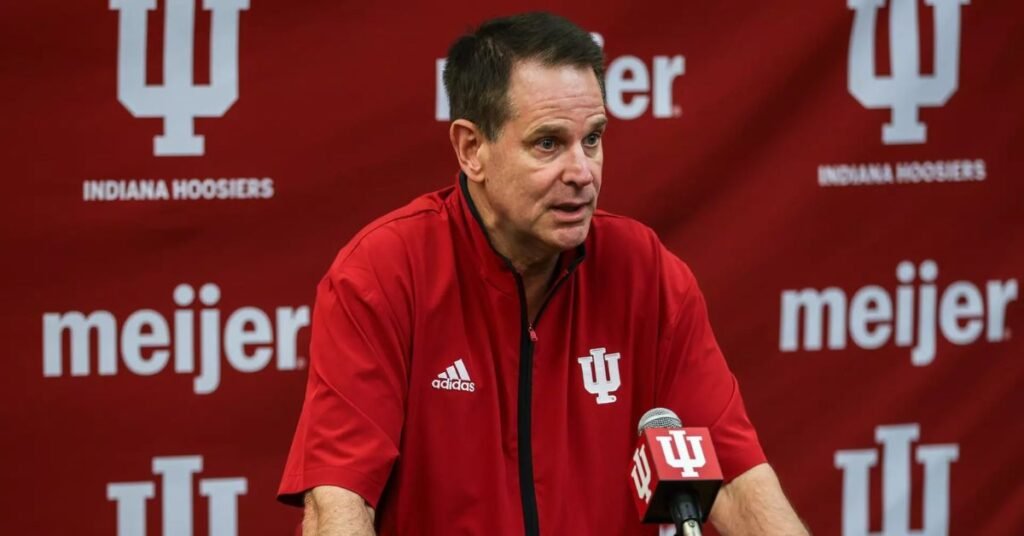
When it comes to college football turnarounds, few names resonate as strongly as Curt Cignetti. In the first 100 words of this article alone, it’s clear why — Cignetti has rapidly transformed a once-struggling program into a national contender. His disciplined coaching style, deep experience, and clear vision have redefined success at Indiana Hoosiers.
Who is Curt Cignetti? — Background & Coaching Journey
Early Life and Playing Days
- Curt Cignetti was born June 2, 1961, in Pittsburgh, Pennsylvania.
- He played quarterback at West Virginia Mountaineers from 1979 to 1982, earning a bachelor’s degree in business administration in 1982.
Long Coaching Career Before Indiana
- Cignetti started out as a graduate assistant at Pittsburgh Panthers in 1983–84, then coached quarterbacks and receivers at several colleges including Rice Owls (1986–88), Temple Owls (1989–92), and more.
- His head-coaching career has included stops at IUP Crimson Hawks (2011–16), Elon Phoenix (2017–18), and James Madison Dukes (2019–2023), before landing at Indiana University in December 2023.
- Across these tenures, Cignetti never had a losing season as a head coach — a testament to his consistent leadership and adaptability.
The Turnaround at Indiana: Success, Strategy & Culture
Immediate Impact in Bloomington
- Since joining Indiana in late 2023, Cignetti has completely changed the trajectory of the football program.
- In 2024, he led Indiana to a historic 11-win season — the most wins in school history — and secured their first-ever berth in the College Football Playoff (CFP).
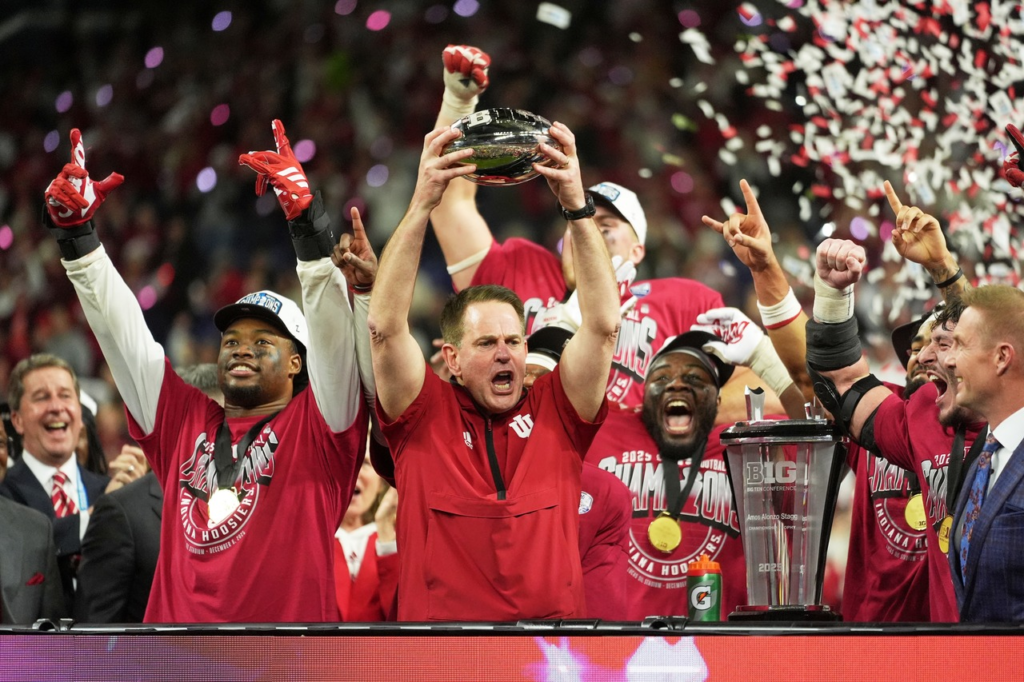
- In 2025, under Cignetti’s leadership, the Hoosiers completed a perfect regular season (12–0), captured the Big Ten Football Championship Game, and earned a top seed in the CFP.
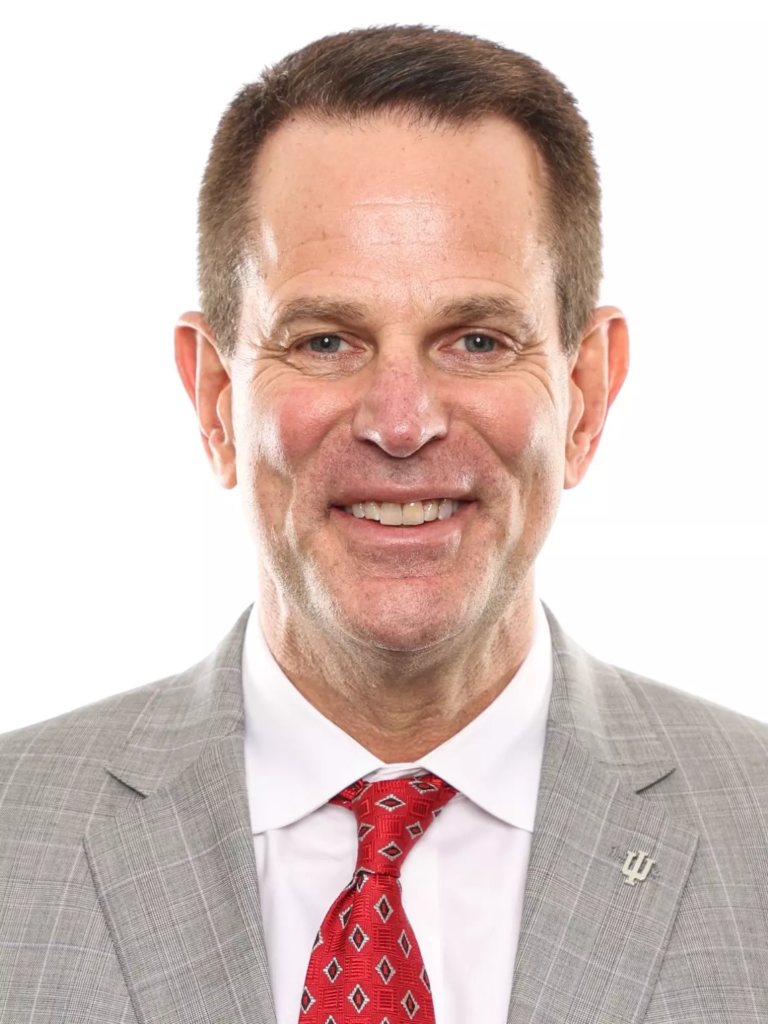
Coaching Philosophy & Approach
- Cignetti values discipline, consistency, and accountability. His past success across Division II, FCS and FBS levels shows adaptability and a focus on fundamentals.
- He emphasizes not just recruiting talent, but building culture: bringing in trusted staff, promoting unity, and establishing a winning mentality.
- His long coaching resume — from position coach to head coach across multiple levels — gives him a well-rounded perspective and credibility with players and staff.
Why Curt Cignetti’s Success Matters: Broader Implications
Reviving a Struggling Program
- Indiana was not historically known as a college football powerhouse — Cignetti’s leadership challenges that narrative significantly.
- The quick transformation demonstrates how strong coaching and culture change can reshape a program’s destiny in a short span.
Building Long-Term Stability
- With a track record of consistent winning seasons and program building, Cignetti brings stability, reducing the risk of the up-and-down cycle many college programs face.
- His diverse coaching background across divisions offers flexibility and a broad recruiting and development network.
Setting a Template for Other Programs
- Cignetti’s success could serve as a model for other mid-tier or underperforming programs aiming to climb competitive college football ranks.
- Focus on fundamentals, culture, consistent recruitment and leadership — rather than quick fixes or flashy gimmicks — can yield sustained success.
Challenges & What’s Next
- Sustaining success: As expectations rise, pressure will increase. Maintaining discipline and focus will be critical.
- Recruiting & retention: With success comes attention. Cignetti must balance recruiting top talent with keeping current players engaged.
- Championship expectations: With CFP appearances and Big Ten titles, fans and the university will expect continued high performance.
Conclusion
Curt Cignetti stands out as a rare college football coach who has delivered consistent success across multiple levels — from Division II to FBS. His work at Indiana has already transformed the Hoosiers into a serious contender, demonstrating that with the right leadership, culture, and discipline, even historically underperforming programs can reach the top tier. As long as Cignetti continues to apply his proven philosophy — hard work, strong fundamentals, and organizational excellence — Indiana football’s future looks brighter than ever.
ALSO READ: A Personal Moment — Why the Name Frank Gehry Still Resonates
FAQs
1. Who is Curt Cignetti?
Curt Cignetti is an American college football coach known for turning underperforming programs into winning teams. He became head coach of the Indiana Hoosiers in 2023 and quickly led the program to historic success.
2. What teams has Curt Cignetti coached?
Throughout his career, Curt Cignetti has coached at Pittsburgh, Rice, Temple, NC State, Alabama, IUP, Elon, James Madison, and Indiana. His head-coaching resume includes multiple conference titles and playoff runs.
3. Why is Curt Cignetti considered a top college football coach?
He has never recorded a losing season as a head coach, consistently develops players, builds strong team culture, and delivers rapid program turnarounds—most recently leading Indiana to Big Ten and College Football Playoff success.
4. What is Curt Cignetti’s coaching philosophy?
His approach focuses on discipline, accountability, physical play, recruiting fit over hype, and creating a winning culture. He emphasizes fundamentals, staff alignment, and high standards for performance.
5. How did Curt Cignetti turn around the Indiana football program?
Cignetti rebuilt the roster through targeted recruiting, improved strength and conditioning, hired an elite coaching staff, and instilled a culture of competitiveness and consistency. His strategy produced record-setting seasons almost immediately.
6. What is Curt Cignetti’s record at Indiana?
Cignetti delivered Indiana’s first 11-win season, first College Football Playoff appearance, and a perfect 12–0 regular season followed by a Big Ten Championship—all within his first two seasons.

Hannah Price is a digital journalist who covers breaking news, global events, and trending stories with accuracy and speed. She has previously contributed to several online magazines and has built a reputation for verifying facts before publishing. Hannah believes in responsible reporting and aims to present stories in a way that readers can trust.