

Have you ever poured weeks—or months—into a side project, only to realize that once it was “done,” no one really understood what you built, why it mattered, or how to use it? That’s where technical writing about side projects quietly becomes one of the most underrated career accelerators in tech.
Side projects are often treated like playgrounds: places to experiment, break things, and learn without pressure. But when you pair those projects with clear, thoughtful technical writing, they transform from private learning exercises into public proof of skill, judgment, and communication ability. Recruiters skim them. Hiring managers remember them. Other builders learn from them.
This article dives deep into technical writing about side projects—not as a buzzword, but as a practical, repeatable skill. You’ll learn what it really means, why it matters, how to do it well, and how to avoid the mistakes that make otherwise impressive projects invisible. Whether you’re a developer, data analyst, designer, or technical writer building credibility, this guide will help you turn your side work into something that teaches, persuades, and opens doors.
By the end, you’ll have a clear framework for documenting side projects like a seasoned professional—without sounding stiff, academic, or robotic.
What Technical Writing About Side Projects Actually Means
At its core, technical writing about side projects is the practice of explaining what you built, how it works, and why it exists in a way that other humans can understand and use. It’s not academic documentation, and it’s not marketing copy. It sits comfortably in between.
Think of it like giving a guided tour of your project. You’re not just showing the finished house; you’re explaining why you chose certain materials, how the plumbing works, and what tradeoffs you made when the budget was tight. That context is what turns “I built this thing” into “I understand this problem space deeply.”
Many people assume technical writing only applies to large systems or enterprise products. In reality, side projects are often the best place to practice because:
- You know every decision intimately.
- You remember the confusion points vividly.
- You can explain tradeoffs honestly, without corporate polish.
Good technical writing about side projects usually includes elements like:
- A clear problem statement in plain language.
- An explanation of architecture or logic at the right level.
- Setup, usage, or replication instructions.
- Reflections on what worked, what didn’t, and what you’d change.
The goal isn’t perfection. It’s clarity. You’re helping someone else—often a future version of yourself—understand your thinking.
Why Technical Writing About Side Projects Matters More Than You Think
Side projects already signal initiative. Technical writing amplifies that signal by showing how you think, communicate, and collaborate—even when working solo.
One of the biggest hiring myths is that recruiters only care about polished production code. In reality, many decision-makers care just as much about your ability to explain complex ideas clearly. Clear writing suggests clear thinking.
Technical writing about side projects delivers several hidden advantages:
- It demonstrates real-world problem solving, not just tutorial-following.
- It shows empathy for readers, users, or teammates.
- It proves you can document systems without being prompted.
- It turns your project into a teaching artifact, not just a demo.
There’s also a compounding effect. A well-written project README or blog post can attract readers months or years later. That visibility leads to conversations, feedback, and sometimes unexpected opportunities.
For technical writers specifically, side projects paired with strong documentation are often more convincing than resumes. They show tone control, structure, and technical depth in context—not as abstract claims.
In short, technical writing about side projects bridges the gap between “I can build” and “I can explain,” and that combination is rare and valuable.
Who Benefits Most From Writing About Side Projects
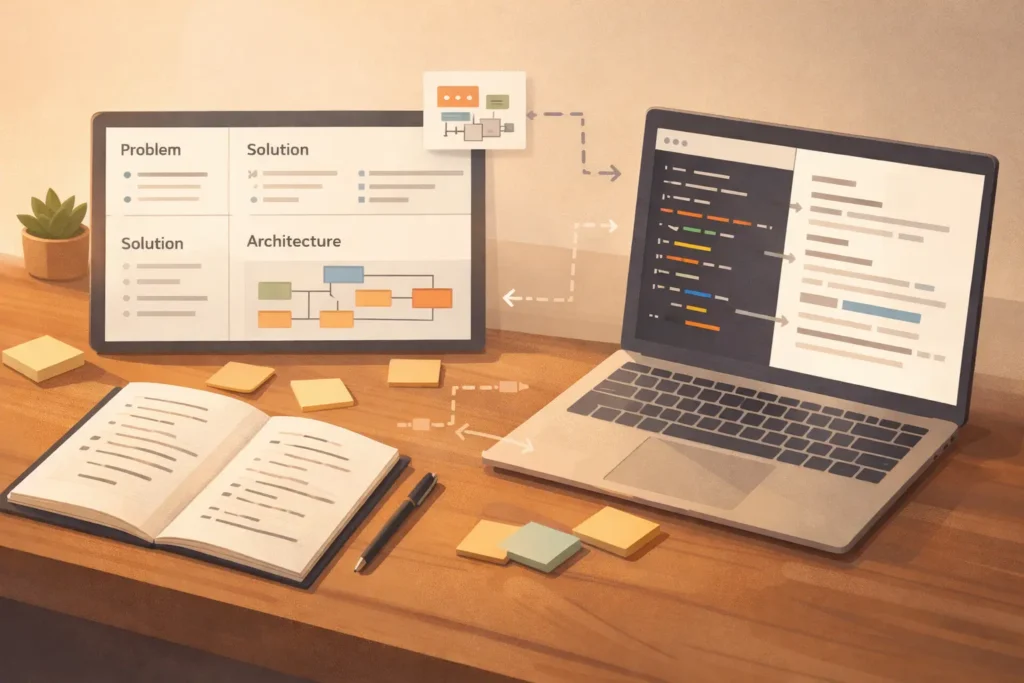
While almost anyone in tech can benefit, some groups see outsized returns from investing in technical writing about side projects.
Early-career developers often struggle to stand out when their professional experience is limited. Well-documented side projects can function as experience proxies, showing how they approach unfamiliar problems and communicate solutions.
Career switchers benefit because writing explains the “why” behind their work. Even if the project is simple, thoughtful explanation demonstrates maturity and learning ability.
Experienced engineers use side project writing to explore new domains safely. A clearly written exploration of an unfamiliar stack shows adaptability without risking production systems.
Technical writers use side projects to escape the “you need experience to get experience” loop. Creating and documenting your own tools, scripts, or workflows proves you can handle end-to-end documentation work.
Even product managers, data analysts, and designers benefit. Writing about side projects forces clarity of thought and sharpens storytelling around technical decisions.
If your work involves building, analyzing, or explaining systems, technical writing about side projects is not optional—it’s leverage.
A Step-by-Step Process for Writing About Side Projects
Step 1: Start With the Problem, Not the Code
The most common mistake is starting with implementation details. Instead, begin by explaining the problem you were trying to solve. What frustrated you? What gap did you notice? What question were you trying to answer?
This grounds the reader and makes them care. Even a small problem becomes interesting when framed clearly.
Use plain language. Avoid jargon unless it’s necessary—and when it is, explain it.
Step 2: Define the Audience You’re Writing For
Are you writing for beginners, peers, or future employers? You don’t need to pick just one, but you should know who you’re primarily helping.
For beginners, include more context and definitions. For peers, focus on tradeoffs and design decisions. For hiring managers, emphasize reasoning and scope.
Your audience choice influences tone, depth, and examples.
Step 3: Explain the Architecture at a Human Level
You don’t need diagrams for everything, but you do need structure. Explain how the major pieces fit together before diving into details.
A useful approach is the “zoom lens” method:
- High-level overview.
- Key components and their roles.
- Specific implementation highlights.
This helps readers build a mental model before encountering complexity.
Step 4: Document Setup and Usage Thoughtfully
Even if your project isn’t meant for others to run, include basic setup instructions. This shows empathy and professionalism.
Explain assumptions. Mention environment quirks. Call out common pitfalls.
Clear setup instructions often matter more than clever code.
Step 5: Reflect on Tradeoffs and Lessons Learned
This is where technical writing about side projects really shines. Talk honestly about what didn’t work, what you’d improve, and what surprised you.
Reflection demonstrates growth. It also reassures readers that struggle is part of the process.
Step 6: Edit for Clarity, Not Perfection
You don’t need flawless prose. You need readable, skimmable writing.
Short paragraphs help. Bullet points help. Headings help.
Read your writing out loud. If it sounds natural, you’re on the right track.
Tools and Platforms for Writing About Side Projects
Choosing the right tools can make technical writing about side projects easier and more sustainable.
Writing and Publishing Tools
Markdown editors like VS Code, Obsidian, or Typora are popular because they integrate well with code and version control. They’re lightweight and flexible.
Blog platforms like Ghost, WordPress, or Hashnode are great for longer-form explanations and discovery. Hashnode, in particular, integrates nicely with GitHub.
GitHub READMEs are often underestimated. A well-written README can be more impactful than a full blog post because it meets readers where they already are.
Diagrams and Visual Aids
Tools like Excalidraw, Mermaid, or draw.io help explain architecture without heavy design overhead. Simple visuals can dramatically improve comprehension.
Free vs Paid Options
Free tools are usually sufficient. Paid writing tools like Grammarly or Hemingway can help with clarity, but they’re optional.
The real value comes from practice, not software.
Common Mistakes in Technical Writing About Side Projects (and How to Fix Them)
One frequent mistake is assuming too much knowledge. Writers skip explanations because the concepts feel obvious to them. The fix is simple: imagine you’re writing for your past self.
Another mistake is overloading readers with implementation details. If every paragraph dives into code-level nuance, readers get lost. Balance detail with narrative.
Some writers undersell their work, framing projects as “just a small experiment.” This downplays learning and impact. Be honest but confident.
Others go too far in the opposite direction, exaggerating scope or polish. Authenticity matters more than hype.
Finally, many people never update their writing. Revisit older projects. Add notes about what you’d change now. That evolution tells a powerful story.
How Technical Writing About Side Projects Builds Long-Term Authority
Authority isn’t built by claiming expertise. It’s built by showing your thinking over time.
When you consistently write about side projects, you create a trail of reasoning, experimentation, and learning. Readers see patterns. They trust you.
This kind of authority aligns perfectly with E-E-A-T principles:
- Experience: You’re writing from firsthand work.
- Expertise: You explain concepts clearly and accurately.
- Authoritativeness: Others reference or learn from your work.
- Trustworthiness: You’re transparent about limitations and tradeoffs.
Over time, your side projects stop looking “small.” They look intentional.
Turning Side Project Writing Into Career Momentum
Technical writing about side projects isn’t just documentation—it’s positioning.
Link to your writing in resumes. Share it in interviews. Reference it when explaining how you approach problems.
You’re not just saying “I know this.” You’re showing how you learned it, applied it, and explained it.
That’s compelling.
Conclusion
Technical writing about side projects is one of the highest-leverage skills you can develop in tech. It costs little, compounds over time, and showcases abilities that code alone can’t.
By clearly explaining what you build, why it matters, and how it works, you turn private experiments into public proof. You build trust before you ever meet a reader. You make your thinking visible.
Start small. Write honestly. Focus on clarity over polish.
If you do, your side projects won’t just live in repos—they’ll open doors.
If you’ve been documenting your own projects or want feedback on where to start, drop a comment or revisit one of your old projects and try rewriting it with this framework in mind.
FAQs
What is technical writing about side projects?
It’s the practice of documenting and explaining personal or experimental projects in a clear, structured, human-friendly way that others can understand and learn from.
Do side projects really need documentation?
Yes. Documentation turns a project from a private learning exercise into a public demonstration of skill, thinking, and communication.
How long should side project documentation be?
As long as it needs to be. A strong README might be enough, while complex projects benefit from longer blog posts.
Is technical writing useful if I’m not a developer?
Absolutely. Designers, analysts, and product managers all benefit from explaining systems, workflows, and decisions clearly.
Where should I publish writing about side projects?
Common options include GitHub READMEs, personal blogs, and platforms like Hashnode or Dev.to.

Adrian Cole is a technology researcher and AI content specialist with more than seven years of experience studying automation, machine learning models, and digital innovation. He has worked with multiple tech startups as a consultant, helping them adopt smarter tools and build data-driven systems. Adrian writes simple, clear, and practical explanations of complex tech topics so readers can easily understand the future of AI.