
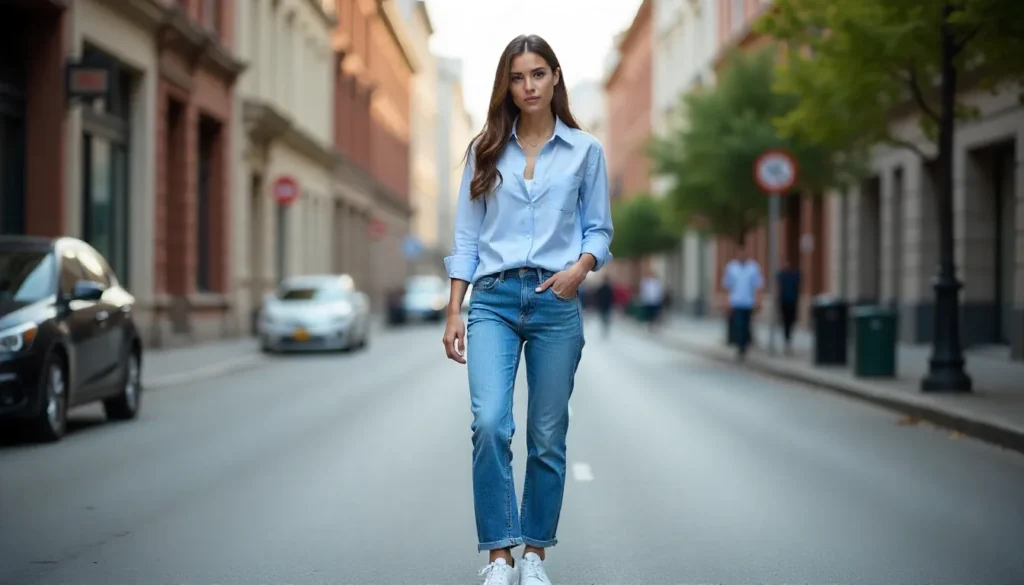
I still remember standing in front of my closet one rushed morning, coffee in hand, staring at a sea of clothes and feeling like I had “nothing to wear.” My eyes kept drifting past the blacks, the greys, the safe neutrals, until they landed on a soft blue shirt I hadn’t worn in months. I slipped it on almost without thinking. Later that day, a coworker complimented my look, another asked if I’d changed my haircut, and I caught my reflection feeling oddly more put-together than usual. Nothing else had changed. Just the color.
That small moment was my quiet introduction to the power of blue outfits.
Blue is one of those colors that feels familiar, comforting, and stylish all at once. It’s the color of the sky, the ocean, denim jeans, and classic suits. It’s calm without being boring, confident without being loud, and versatile enough to work for nearly everyone. Yet, many people underestimate how transformative blue clothing can be when styled intentionally.
In this in-depth guide, we’ll explore everything you need to know about blue outfits. From understanding why blue works so well, to choosing the right shade for your skin tone, to styling blue for work, casual days, events, and even seasonal transitions, this article is designed to be practical, relatable, and genuinely helpful. Whether you’re rebuilding your wardrobe, experimenting with color, or simply trying to look more polished without extra effort, blue might just become your new go-to.
Why Blue Outfits Never Go Out of Style
Blue is more than just a color trend. It’s a wardrobe staple with deep cultural, psychological, and fashion roots. In color psychology, blue is associated with trust, calmness, reliability, and intelligence. This is one reason why it’s heavily used in corporate branding, uniforms, and professional attire. When you wear blue, people subconsciously associate you with stability and confidence.
In fashion history, blue has evolved from being rare and expensive to becoming universal. Indigo dye was once prized, making blue garments symbols of status. Over time, denim revolutionized everyday fashion, and suddenly blue became accessible, practical, and iconic. Today, blue outfits bridge the gap between formal and casual effortlessly.
Another reason blue remains timeless is its adaptability. It pairs beautifully with neutrals like white, black, beige, grey, and brown, but it also works well with bolder colors such as yellow, orange, green, and even pink. From icy pastels to deep navy, blue offers a spectrum that suits every personality and lifestyle.
Understanding the Different Shades of Blue and Their Impact
Not all blue outfits create the same impression. The shade of blue you choose plays a huge role in how your outfit feels and functions.
Light blue shades, such as baby blue, sky blue, and powder blue, tend to feel fresh, approachable, and relaxed. They’re ideal for daytime outfits, spring and summer looks, and casual or semi-formal settings. A light blue button-down shirt, for example, feels softer and more welcoming than a stark white one.
Medium blues, like classic blue, cobalt, and cornflower, strike a balance between vibrancy and wearability. These shades are excellent statement colors without feeling overpowering. A cobalt blue dress or blazer can instantly elevate an outfit while still feeling polished.
Dark blues, including navy, midnight blue, and indigo, are the workhorses of a refined wardrobe. Navy is often considered a more modern alternative to black. It’s formal, slimming, and incredibly versatile, making it perfect for suits, coats, and evening wear. Dark blue outfits also tend to photograph beautifully and age well over time.
Understanding these shades allows you to choose blue intentionally, rather than randomly, and build outfits that align with your mood and the occasion.
Choosing the Right Blue for Your Skin Tone
One of the biggest reasons people think blue “doesn’t suit them” is because they haven’t found the right shade. Blue is universal, but the undertone matters.
If you have a cool undertone, indicated by pinkish or rosy skin and veins that appear blue or purple, cooler blues like navy, royal blue, icy blue, and sapphire tend to complement you beautifully. These shades enhance your natural coloring without clashing.
If you have a warm undertone, often seen as golden or yellow hues with greenish veins, warmer blues such as teal, turquoise, denim, and muted navy work especially well. These blues feel harmonious rather than stark.
Neutral undertones are lucky because they can wear almost any shade of blue. From soft pastels to deep indigos, neutral skin tones can experiment freely without much risk.
When shopping for blue outfits, always try them in natural light if possible. The right blue will make your skin look brighter and more even, while the wrong one may make you appear washed out or tired.
Building Everyday Casual Blue Outfits That Feel Effortless
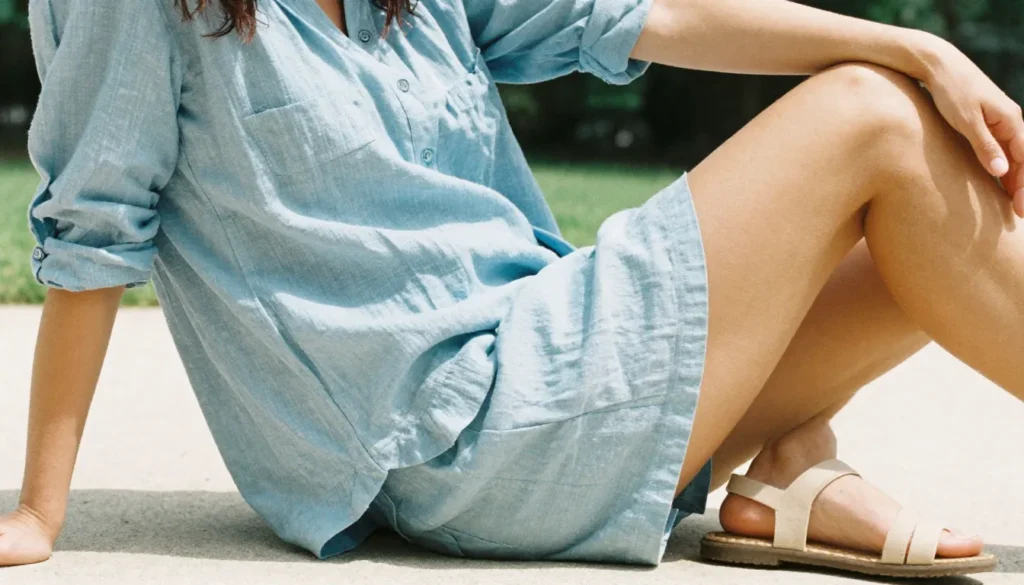
Blue truly shines in casual wear. Think of denim jeans, chambray shirts, blue hoodies, and relaxed cotton dresses. These pieces form the backbone of everyday style for a reason.
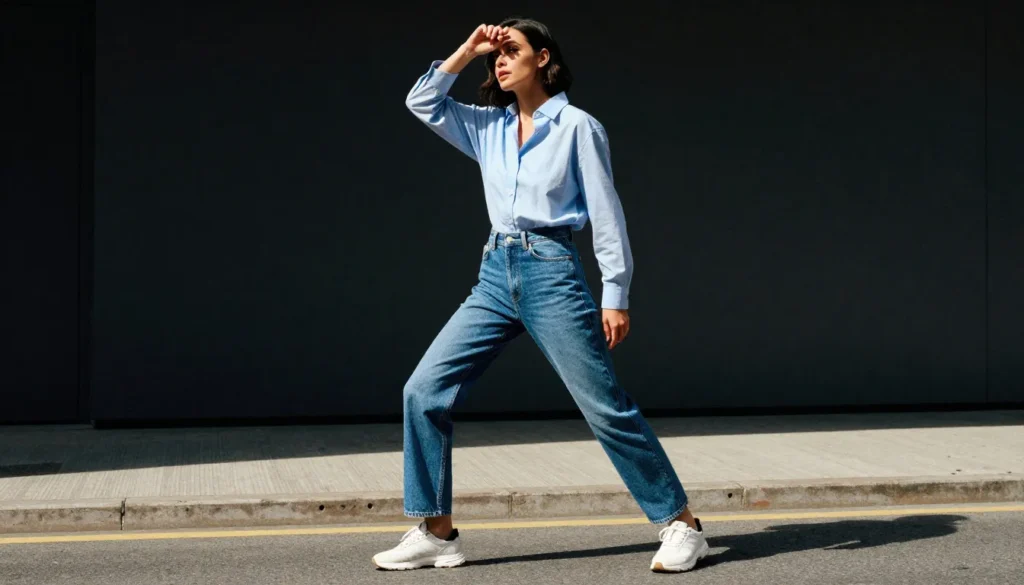
A classic casual blue outfit might start with well-fitted blue jeans. Straight-leg, slim, or relaxed cuts in mid-wash denim are incredibly versatile. Pair them with a white t-shirt for a timeless look, or layer with a blue denim jacket for a monochromatic outfit that feels intentional rather than accidental.
For warmer months, light blue shorts or linen trousers paired with neutral tops create an airy, comfortable vibe. A light blue sundress with white sneakers or sandals is effortless and flattering, especially for daytime errands or casual meetups.
The beauty of casual blue outfits lies in their low-maintenance appeal. You don’t need many accessories or bold styling tricks. Blue naturally carries the outfit, allowing you to look put-together with minimal effort.
Styling Blue Outfits for Work and Professional Settings
Blue is one of the safest and smartest colors for professional attire. It communicates trust, competence, and calm authority without the harshness that black can sometimes bring.
In office settings, navy blue suits are a timeless investment. Whether tailored for men or women, a navy suit works across industries, from corporate offices to creative environments. Pairing a navy blazer with a crisp white shirt or a soft blue blouse creates a clean, confident look.
For business casual environments, blue trousers or skirts offer flexibility. A pair of navy chinos with a neutral sweater, or a blue midi skirt with a tucked-in blouse, strikes the right balance between polished and approachable.
Accessories matter here. Brown leather shoes, belts, or bags pair beautifully with blue outfits, adding warmth and sophistication. Subtle patterns like pinstripes, checks, or textured fabrics can add depth without distracting from professionalism.
Dressing Up: Blue Outfits for Events, Dates, and Special Occasions
Blue isn’t just practical; it’s also incredibly elegant. From cocktail dresses to evening gowns and tailored tuxedos, blue outfits can feel luxurious and memorable.
For formal events, deep blue shades like midnight blue, royal blue, and sapphire are stunning alternatives to black. A royal blue dress stands out in a sea of neutral outfits while still feeling refined. Midnight blue suits are increasingly popular for weddings and galas, offering a softer, richer appearance than traditional black.
On dates or social occasions, blue outfits convey approachability and confidence. A fitted blue sweater, a silky blue blouse, or a tailored jacket can feel intimate without trying too hard. Blue has a calming effect, which can subtly enhance social interactions.
Fabric choice plays a big role here. Satin, silk, velvet, and structured wool elevate blue instantly, transforming a simple color into something special.
Seasonal Styling: Wearing Blue All Year Round
One of blue’s biggest strengths is its year-round versatility. With slight adjustments, blue outfits transition seamlessly across seasons.
In spring, light blue layers feel fresh and optimistic. Think blue cardigans, denim jackets, and breathable cotton shirts paired with floral or pastel accents.
Summer calls for airy blue fabrics like linen, chambray, and lightweight cotton. Blue swimsuits, maxi dresses, and shorts reflect sunlight beautifully and feel cooler visually, making them ideal for warm weather.
Autumn is perfect for richer blues like teal, indigo, and navy. Layer blue sweaters with neutral coats, scarves, and boots for a cozy yet stylish look.
Winter embraces the deepest blues. Navy coats, dark blue knitwear, and structured blue outerwear feel elegant and seasonally appropriate. Blue also pairs well with winter staples like grey, camel, and black.
How to Create a Monochromatic Blue Outfit Without Looking Flat
Monochromatic blue outfits can look incredibly chic when done right, but they require a bit of intention. The key is variation.
Start by mixing different shades of blue. Pair a light blue shirt with darker blue trousers, or a navy coat over a mid-blue dress. This creates contrast while maintaining cohesion.
Texture is equally important. Denim, wool, silk, cotton, and leather all interact differently with light. Combining textures adds depth and prevents the outfit from looking one-dimensional.
Neutral accessories can ground the look. White sneakers, beige boots, brown belts, or metallic jewelry help break up the blue while keeping the outfit balanced.
Tools and Essentials That Make Styling Blue Easier
Styling blue outfits doesn’t require fancy tools, but a few essentials can make a big difference. A full-length mirror helps you see proportions clearly, especially when experimenting with monochromatic looks. Good lighting, preferably natural, ensures you’re seeing the true shade of blue.
A capsule wardrobe mindset also helps. Owning a few high-quality blue staples, such as well-fitted jeans, a navy blazer, and a versatile blue shirt, gives you endless outfit combinations without clutter.
Laundry care is another underrated tool. Blue fabrics can fade over time, so using gentle detergents, washing in cold water, and air-drying when possible helps maintain their richness and longevity.
Common Mistakes People Make with Blue Outfits
Despite its versatility, blue can still go wrong if styled carelessly. One common mistake is wearing the wrong shade for your skin tone, which can make even a great outfit look off.
Another mistake is overloading an outfit with too many bold blue pieces without contrast. Head-to-toe blue in the same shade can look flat if there’s no variation in texture or tone.
Ignoring fit is also a problem. Blue highlights structure, especially in tailored pieces. Poor fit can undermine the elegance that blue naturally provides.
Finally, pairing blue with clashing colors can disrupt harmony. While blue works with many hues, overly bright or mismatched colors can make the outfit feel chaotic rather than cohesive.
Real-World Use Cases: Why Blue Works in Everyday Life
Blue outfits are practical in real life. They’re forgiving, easy to repeat, and appropriate for a wide range of settings. Professionals rely on blue for presentations and interviews because it signals trust. Parents love blue because it hides minor stains better than lighter colors. Travelers prefer blue because it mixes well with limited wardrobe options.
In creative fields, blue acts as a grounding color, allowing room for artistic expression through accessories or silhouettes. In social settings, blue feels approachable and relaxed, making it ideal for first impressions.
Blue vs Black: A Subtle but Powerful Comparison
Many people default to black for safety, but blue often offers the same versatility with added warmth. Black can feel severe or overly formal, while blue maintains elegance with a softer edge.
Navy, in particular, works in situations where black might feel too harsh. It’s easier to style with brown accessories, more forgiving in daylight, and often more flattering on a wider range of skin tones.
Choosing blue over black doesn’t mean abandoning sophistication. It simply means embracing a color that communicates confidence in a quieter, more modern way.
Conclusion:
Blue outfits are more than just a safe fashion option they’re a powerful style ally that works quietly in your favor. From casual mornings to important meetings and special occasions, blue adapts to your lifestyle without demanding too much effort. It flatters most skin tones, transitions seamlessly between seasons, and carries emotional weight that few other colors can match. Blue communicates calm confidence, reliability, and approachability, which is why it consistently shows up in everyday wear, professional wardrobes, and high-fashion collections alike.
What truly makes blue special is its balance. It’s expressive without being overwhelming, stylish without being trendy, and timeless without feeling outdated. Whether you prefer light and airy blues for relaxed days or deep, structured navies for polished looks, there’s a shade of blue that fits your personality and needs. By understanding how to choose the right tones, pair them thoughtfully, and avoid common styling mistakes, you can turn blue into one of the most dependable elements of your wardrobe.
If there’s one takeaway to remember, it’s this: blue doesn’t just make outfits look better—it makes getting dressed easier. And when fashion simplifies your life while boosting your confidence, that’s when it truly works.
FAQs
Are blue outfits suitable for every skin tone?
Yes, blue is one of the most universally flattering colors. The key is choosing the right shade. Cooler skin tones tend to shine in navy, royal blue, and icy blues, while warmer skin tones often look best in teal, turquoise, and softer denim blues. Neutral undertones can comfortably wear almost any shade of blue.
Can blue outfits be worn for formal occasions?
Absolutely. Dark blue shades like navy, midnight blue, and sapphire are excellent for formal events. They are often seen as modern alternatives to black and can look even more refined, especially in suits, evening dresses, or structured coats.
Is blue appropriate for professional or office wear?
Blue is one of the best colors for professional settings. It conveys trust, competence, and calmness. Navy blazers, blue shirts, and tailored blue trousers are staples in business and business-casual wardrobes across industries.
How do I style a monochromatic blue outfit without looking boring?
The secret lies in variation. Mixing different shades of blue, incorporating textures like denim, wool, or silk, and adding neutral accessories can create depth and visual interest while keeping the outfit cohesive.
Does blue work in all seasons?
Yes, blue is a true year-round color. Light blues feel fresh in spring and summer, while deeper blues like indigo and navy are perfect for fall and winter. Adjusting fabric weight and layering makes blue adaptable to any weather.
Is blue better than black for everyday outfits?
In many cases, yes. While black is classic, blue often feels softer and more approachable. Navy, in particular, offers similar versatility with added warmth and tends to be more flattering in natural light.
What colors pair best with blue outfits?
Blue works beautifully with neutrals like white, beige, grey, brown, and black. It also pairs well with earthy tones, soft pastels, and even bold colors like yellow or pink when balanced thoughtfully.

Sofia Bennett is a fashion writer and style observer known for her clean sense of aesthetics and trend analysis. She has covered fashion shows, reviewed designer collections, and interviewed independent creators. Sofia specializes in connecting fashion with real-life lifestyle choices, helping readers understand what looks good — and why.