

Introduction
What’s in a farm name? More than most people realize. The right farm name can carry generations of history, communicate values at a glance, and quietly do a lot of marketing work for you long before anyone tastes your produce or visits your land. I’ve seen small farms transform their visibility simply by choosing a name that fits—one that feels authentic, easy to remember, and aligned with what they actually do.
If you’re starting a new farm, rebranding an existing one, or finally naming land that’s been in the family for decades, this decision matters. A farm name isn’t just a label; it’s a story condensed into a few words. It appears on roadside signs, CSA boxes, farmers’ market banners, Instagram bios, invoices, and even legal paperwork.
In this guide, we’ll walk through everything you need to know about farm names—from understanding what makes a strong name, to practical benefits, to a step-by-step naming process you can actually follow. We’ll look at tools, common mistakes, and real-world examples, and we’ll wrap up with FAQs and SEO-ready resources. By the end, you’ll be equipped to choose a farm name that feels right today and still works ten or twenty years down the road.
Understanding Farm Names: What They Really Represent
At a beginner level, a farm name might seem simple—just pick something that sounds nice and move on. But in practice, a farm name functions much like a brand name, a mission statement, and a handshake all rolled into one.
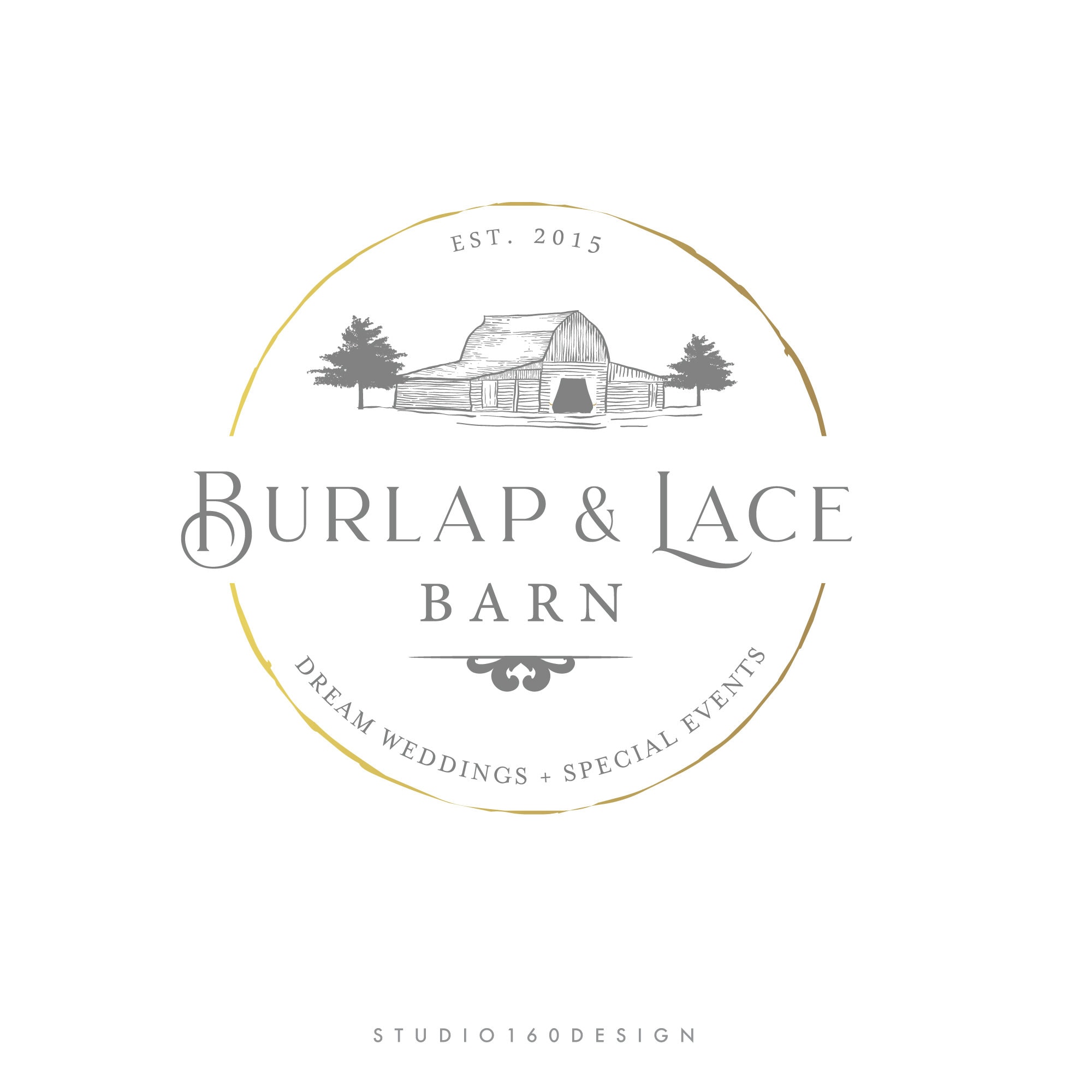
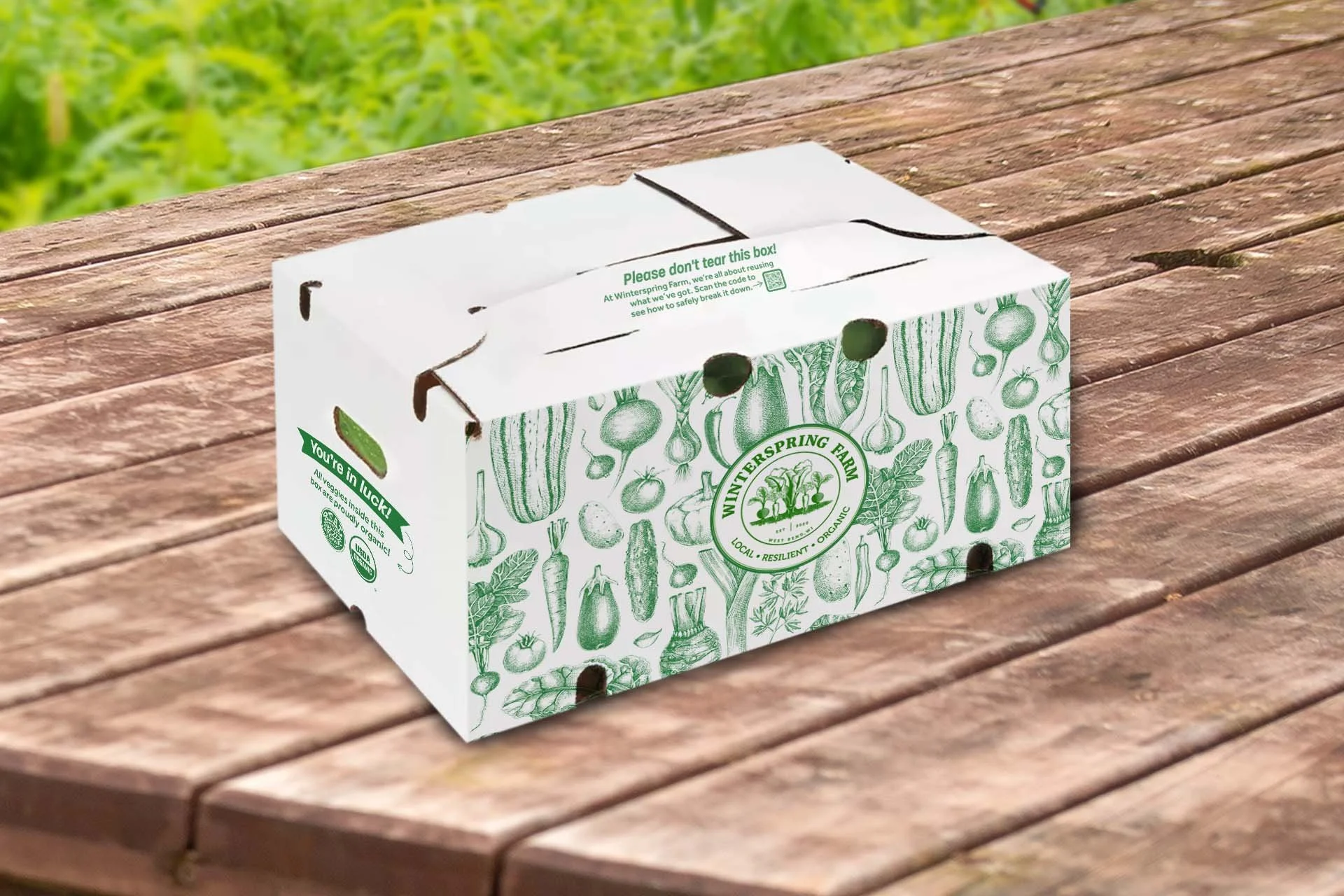
Think of a farm name as the first chapter of your farm’s story. Before anyone meets you, walks your fields, or samples your honey or vegetables, the name sets expectations. A name like “Willow Creek Farm” suggests calm, tradition, and perhaps a pastoral setting. “Iron Root Urban Farm” signals something very different—modern, bold, maybe city-based and innovative.
Farm names usually draw from a few core sources:
- Geography (hills, creeks, valleys, regions)
- Family heritage (surnames, ancestral references)
- Values (sustainability, faith, resilience, simplicity)
- Production focus (dairy, flowers, organic produce, livestock)
- Imagery and emotion (peace, abundance, growth, strength)
A helpful analogy: naming a farm is like naming a child. You want something meaningful, not trendy for five minutes, and strong enough to grow with them. What sounds cute now might feel limiting later if your farm expands or changes direction.
Importantly, farm names also exist in legal and digital spaces. Your chosen name may be used for business registration, domain names, social media handles, and trademarks. That’s why understanding the deeper role of a farm name early on can save you frustration later.
Benefits and Use Cases of Choosing the Right Farm Name
A well-chosen farm name pays dividends in ways many new farmers don’t anticipate. Beyond aesthetics, it supports practical goals across marketing, trust-building, and long-term growth.
First, clarity and memorability. Farmers’ markets are crowded, both physically and mentally. Shoppers walk past dozens of booths. A clear, evocative farm name sticks in their minds far better than something generic or confusing. When someone says, “We got these tomatoes from Green Hollow Farm,” that name either invites curiosity—or disappears into the noise.
Second, trust and credibility. Especially in direct-to-consumer agriculture, buyers want to feel a connection. Farm names that sound grounded and intentional tend to inspire confidence. I’ve seen customers choose eggs from a vendor purely because the farm name felt honest and local.
Third, marketing flexibility. A strong farm name works across platforms:
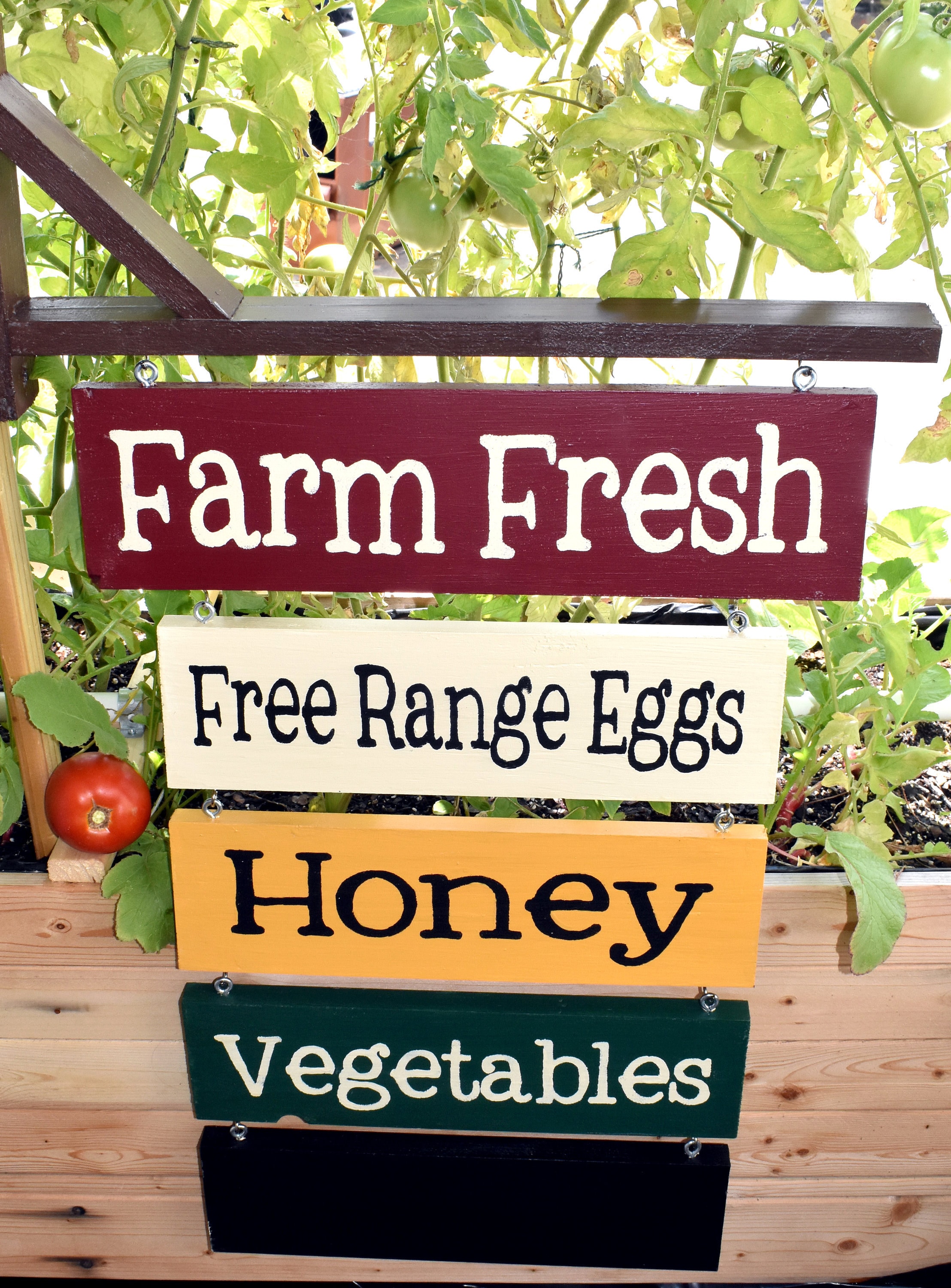
- Roadside signage
- CSA newsletters
- Social media accounts
- Product labels
- Agritourism promotions
- Grant applications and partnerships
Fourth, emotional ownership. This one is less talked about but deeply real. Naming your farm makes it real. It creates pride. It gives you something to protect and grow. Many farmers say the moment their land had a name was the moment the dream truly clicked.
Different use cases highlight different priorities:
- Hobby farms often lean toward personal or whimsical names.
- Commercial farms need clarity, scalability, and professionalism.
- Agritourism farms benefit from names that evoke experience and place.
- Regenerative or organic farms often highlight values and practices.
The best farm names sit at the intersection of heart and strategy. They feel personal, but they also work in the real world.
How to Choose the Perfect Farm Name: A Step-by-Step Guide
Choosing a farm name doesn’t have to feel overwhelming if you break it into manageable steps. This process is one I’ve seen work repeatedly, especially for first-time farm owners.
Start with your “why.” Before brainstorming words, get clear on what your farm stands for. Ask yourself:
- Why does this farm exist?
- What do I want people to feel when they hear the name?
- What will we be known for in five years?
Next, list your raw ingredients. Write down anything that could influence the name:
- Land features (oak trees, creek, ridge, soil type)
- Family names or meaningful ancestors
- Animals, crops, or products you focus on
- Words tied to your values (renewal, harvest, faith, heritage)
Then, brainstorm freely. This is not the time to self-edit. Combine words. Try metaphors. Play with adjectives. Some farmers find it helpful to imagine how the name would sound being announced at a market or printed on a sign.
After that, narrow your list. Look for names that are:
- Easy to spell and pronounce
- Not overly long
- Not easily confused with nearby farms
- Flexible enough to grow with your operation
Now, reality-check your favorites. Search them online. Check business registries in your region. Look for existing farms with the same or very similar names. This step prevents legal and branding headaches.
Finally, say the name out loud. A lot. Share it with trusted people. Picture it on a sign at your gate. If it still feels right after a few days, you’re probably onto something good.
Tools, Comparisons, and Recommendations for Farm Name Ideas
You don’t have to do all of this alone. There are tools that can help spark ideas and check availability, though they work best as assistants—not decision-makers.
Free brainstorming tools are often a good starting point. Online farm name generators can produce hundreds of combinations in seconds. Most of them mix keywords like “farm,” “acres,” “homestead,” or “fields” with descriptive words. The downside is that many suggestions sound generic, so treat them as inspiration rather than final answers.
Paid branding tools and services go deeper. Some platforms offer domain availability checks, logo previews, and even brand voice suggestions. These are useful if you’re building a larger commercial brand or planning e-commerce.
Here’s a practical comparison:
- Free tools: fast, accessible, good for idea generation, but repetitive
- Paid tools: more refined, integrated with branding assets, but can feel impersonal
- DIY process: slower, more thoughtful, often results in the most authentic names
My recommendation is to start with your own brainstorming, then use tools to expand or validate your ideas. If a generator suggests something close to what you already love, that’s a good sign. If it feels completely off, trust your instincts.
Also consider checking domain registrars and social platforms early. Even if you don’t plan to build a website immediately, securing a matching domain can save trouble later.
4
Common Farm Naming Mistakes and How to Fix Them
Even thoughtful people fall into common traps when naming their farms. Recognizing these mistakes early can save you from expensive rebranding later.
One frequent issue is being too generic. Names that rely solely on overused words like “Green,” “Sunny,” or “Happy” without context tend to blend together. If your name could apply to hundreds of farms, it may not stand out.
Another mistake is being overly clever. Puns and inside jokes can be fun, but they often confuse customers or age poorly. If you have to explain the name every time, it’s doing extra work.
Limiting names are also common. For example, naming your farm after a single crop (“Blueberry Hill Farm”) can be restrictive if you later diversify. A fix is to choose a broader, place- or value-based name.
Some farmers skip the legal check. This can lead to conflicts, forced name changes, or social media confusion. Always verify availability before committing.
If you’ve already chosen a name that isn’t working, small tweaks can help. Adding a geographic modifier, adjusting spelling, or reframing the tagline can often refresh a name without starting over.
Real-World Examples of Strong Farm Name Styles
Looking at patterns can help you recognize what resonates. While every farm is unique, successful farm names often fall into a few recognizable styles.
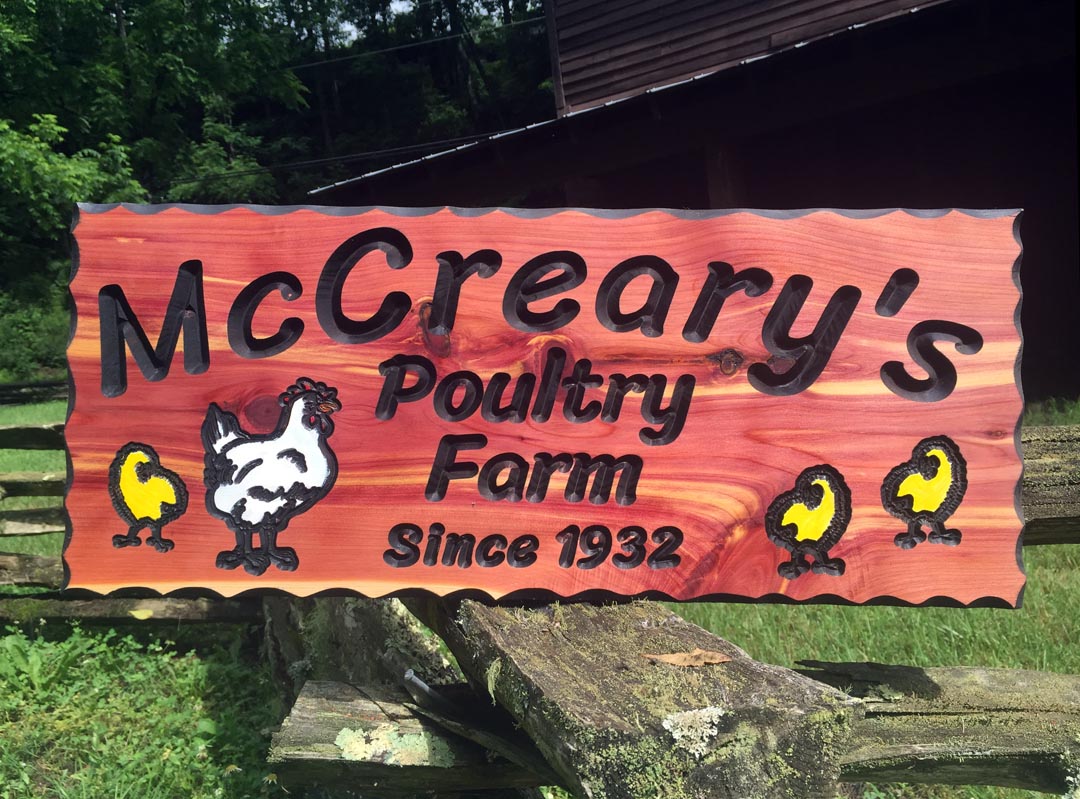
Heritage-based names use family surnames or historical references. These work especially well for multigenerational farms and convey trust and continuity.
Nature-inspired names draw from landscapes, plants, and animals. They’re timeless and emotionally appealing, particularly for organic or regenerative farms.
Value-driven names highlight principles like stewardship, faith, or sustainability. These names attract like-minded customers and partners.
Modern or niche names use bold language and are common among urban farms or specialty producers. They stand out but require confidence and consistency.
No single style is “best.” The strongest farm names are the ones that align naturally with the people running the farm and the community they serve.
4
Conclusion: Choosing a Farm Name You’ll Be Proud Of
Choosing a farm name is both practical and deeply personal. It’s one of the few decisions that touches every part of your operation—from marketing and legality to identity and pride. When done thoughtfully, your farm name becomes an asset that grows alongside your land and your vision.
Remember, there’s no rush. The best names often come from reflection, not pressure. Focus on meaning first, strategy second, and trends last. A farm name rooted in authenticity will always outperform one chosen just to sound fashionable.
If you’re in the middle of the process, take a walk on your land. Listen. Write things down. Say the names out loud. The right one usually feels less like a clever invention and more like something you’ve uncovered.
When you land on a name that feels true, you’ll know—and that confidence will carry through everything you build next.
FAQS
What makes a good farm name?
A good farm name is memorable, easy to say, meaningful to you, and flexible enough to grow with your operation.
Should I include “farm” or “homestead” in the name?
Including a descriptor like “farm,” “acres,” or “homestead” can add clarity, but it’s not required if the context is clear elsewhere.
Can I name my farm after myself?
Yes, and many successful farms do. Surname-based names convey heritage and trust, especially in local markets.
How do I know if a farm name is already taken?
Search online, check local business registries, and look at domain and social media availability before committing.
Do farm names affect SEO?
They can. A clear, relevant farm name helps with brand searches and local SEO, especially when paired with consistent online profiles.
Can I change my farm name later?
You can, but it’s best avoided if possible. Rebranding takes time, money, and customer re-education.

Michael Grant is a business writer with professional experience in small-business consulting and online entrepreneurship. Over the past decade, he has helped brands improve their digital strategy, customer engagement, and revenue planning. Michael simplifies business concepts and gives readers practical insights they can use immediately.