
If you’ve ever watched a rocket climb into the Florida sky and felt a strange mix of awe, pride, and childlike wonder, chances are it launched from the Kennedy Space Center. This isn’t just a tourist attraction or a collection of museums—it’s a living, breathing spaceport where history was made and the future is being built.
I’ve visited space museums around the world, but nothing quite prepares you for standing on the Space Coast, feeling the ground vibrate during a launch, or touching artifacts that once left Earth’s atmosphere. The Kennedy Space Center matters because it connects everyday people to humanity’s boldest ambitions: exploration, innovation, and the courage to go farther than ever before.
In this guide, you’ll learn exactly what the Kennedy Space Center is, why it’s so important, how to plan a visit step by step, what tools and tours are worth your time and money, common mistakes first-time visitors make, and practical tips that turn a good visit into an unforgettable one. Whether you’re planning a family trip, researching space history, or just curious about how America gets to space, this is your all-in-one, real-world guide.
What Is the Kennedy Space Center? A Beginner-Friendly Explanation
At its core, the Kennedy Space Center is the United States’ primary launch facility for human spaceflight. Located on Florida’s east coast, it’s where rockets are assembled, tested, and launched into space. Think of it as the world’s most advanced airport—except instead of planes and runways, you have rockets and launch pads.
The center was established in the early 1960s to support the Apollo missions that sent astronauts to the Moon. Back then, the goal was simple and audacious: beat the Soviet Union to the Moon. Today, the mission is broader and more collaborative, supporting deep space exploration, commercial spaceflight, and cutting-edge research.
What makes the Kennedy Space Center unique is that it blends three roles seamlessly:
- An active launch site for modern missions
- A historical archive of past achievements
- A public-facing education and tourism hub
The Visitor Complex allows the public to experience space exploration without security clearance or an engineering degree. One moment you’re standing beneath a Saturn V rocket, the next you’re watching engineers prepare hardware for future missions. That overlap—past, present, and future—is what gives the place its magic.
The center works closely with NASA, along with commercial partners like SpaceX, making it a shared launchpad for government and private innovation.


4
Why the Kennedy Space Center Matters: Benefits and Real-World Use Cases
The Kennedy Space Center isn’t just important for astronauts and engineers—it delivers real value across education, technology, tourism, and national identity.
For students and educators, it’s a living classroom. STEM concepts that feel abstract in textbooks suddenly make sense when you’re standing next to a rocket engine or watching a launch simulation. Many teachers plan trips here specifically to spark curiosity and show students what science looks like in the real world.
For space professionals, the center is where theory meets reality. Engineers test systems, refine procedures, and support missions that shape the future of exploration. The Artemis program, for example, aims to return humans to the Moon and eventually push on to Mars—work that relies heavily on infrastructure at Kennedy.
Tourism is another major benefit. The Space Coast economy thrives because people from around the globe come to see launches, exhibits, and historic hardware. A single launch can draw tens of thousands of spectators, filling hotels and restaurants across the region.
And then there’s the emotional benefit. Standing where Apollo 11 launched creates a powerful connection to history. It reminds visitors that ordinary people—engineers, technicians, pilots—made extraordinary things happen. That sense of possibility is hard to measure, but it’s one of the center’s greatest gifts.
How to Visit the Kennedy Space Center: A Step-by-Step Guide
Planning a visit to the Kennedy Space Center is straightforward, but a little strategy goes a long way.
Start by choosing your date. Launch schedules can change, but if seeing a live launch is important, build flexibility into your plans. Even without a launch, the Visitor Complex easily fills a full day.
Next, buy tickets in advance. General admission covers most exhibits, shows, and bus tours. Special experiences—like astronaut encounters or behind-the-scenes tours—often sell out, so book early if those matter to you.
Arrive early. Gates typically open in the morning, and getting there at opening time lets you beat crowds and Florida heat. Comfortable shoes are non-negotiable; you’ll be walking more than you think.
Plan your route inside. A smart flow might look like:
- Start with Heroes & Legends for historical context
- Take the bus tour to restricted areas and the Saturn V Center
- Explore Space Shuttle Atlantis in the afternoon
- End with IMAX films or a simulated launch experience
Bring essentials: sunscreen, refillable water bottles, and snacks if allowed. Food options are available, but lines peak around midday.
Finally, leave room for wonder. Some of the best moments are unplanned—watching a test fire in the distance or chatting with a retired engineer volunteering as a guide.


4
Tools, Tours, and Experiences: What’s Worth Your Time and Money
Not all Kennedy Space Center experiences are equal, and knowing where to invest can transform your visit.
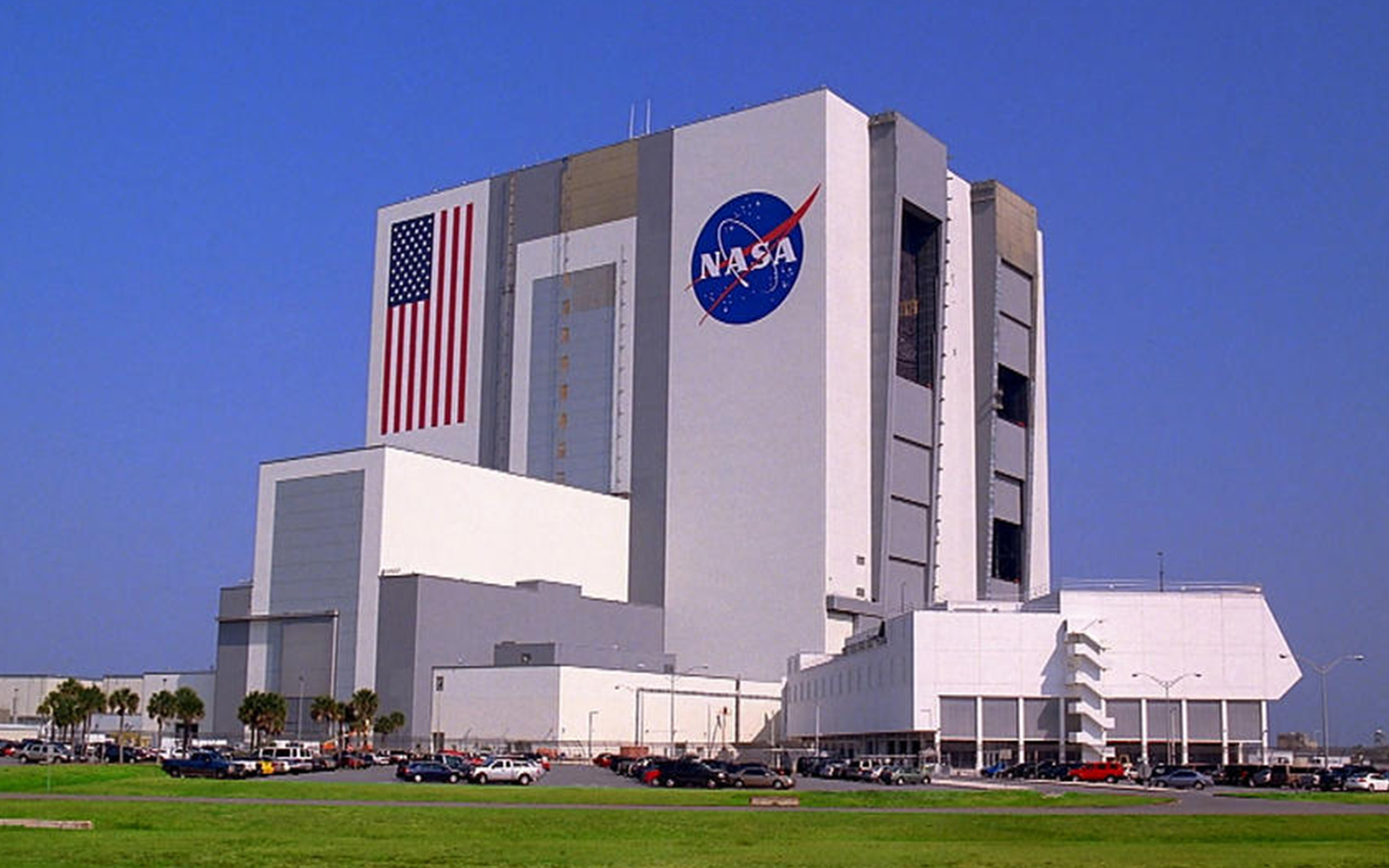
The standard bus tour is a must. It takes you beyond public areas to see launch pads and the iconic Vehicle Assembly Building. This isn’t optional—it’s foundational.
Behind-the-scenes tours, while more expensive, offer deeper insight. You’ll access areas most visitors never see and hear stories directly from people who worked on real missions. If you’re a space enthusiast, this is money well spent.
IMAX films are surprisingly powerful. Shot in space, they provide perspective you simply can’t get elsewhere. For families, they’re also a welcome chance to sit and recharge.
Merchandise varies in quality. Official NASA gear is solid but pricey. If souvenirs matter, budget accordingly and prioritize items tied to specific missions or programs.
When comparing free versus paid experiences, think in terms of depth. General admission gives breadth—lots to see and do. Paid add-ons give depth—richer stories, closer access, and more personal connections.
Alternatives nearby include viewing launches from public beaches or visiting the adjacent Cape Canaveral Space Force Station area, but these complement rather than replace the full Kennedy experience.
Common Mistakes First-Time Visitors Make (and How to Avoid Them)
One of the biggest mistakes is underestimating the size of the complex. People assume it’s a half-day stop and end up rushing. Plan for a full day, minimum.
Another common error is ignoring the weather. Florida heat and sudden rain are real. Lightweight clothing, hats, and ponchos can save your day.
Some visitors skip the bus tour, thinking it’s optional. It’s not. Without it, you miss key launch infrastructure and the Saturn V Center—arguably the heart of the experience.
Timing mistakes happen too. Arriving late means longer lines and missed tours. Early arrival equals flexibility and calmer pacing.
Finally, people often focus only on big-name exhibits and miss smaller ones packed with insight. Take time to read placards, watch short films, and talk to staff. Many are former engineers or military personnel with stories you won’t find online.
The Bigger Picture: Kennedy Space Center and the Future of Space
The Kennedy Space Center isn’t frozen in the Apollo era—it’s evolving rapidly. Commercial partnerships, reusable rockets, and deep-space ambitions are reshaping what launches look like and who gets to participate.
Programs like Artemis aim to establish a sustainable human presence on the Moon, using it as a stepping stone for Mars. That means new vehicles, new launch systems, and new challenges—all centered here.
For visitors, this evolution adds excitement. You’re not just looking backward at history; you’re witnessing the early chapters of the next space age. The next giant leap may already be under construction when you visit.
Conclusion: Why the Kennedy Space Center Leaves a Lasting Impact
The Kennedy Space Center succeeds because it does something rare—it makes the vastness of space feel personal. You leave with more than photos; you leave with perspective.
You understand the scale of human effort behind every launch. You feel the weight of history and the pull of the future. And whether you’re eight or eighty, you’re reminded that exploration is part of who we are.
If you’re planning a trip, take your time, go deep, and stay curious. And if you’ve already been, there’s always more to see—the next mission, the next exhibit, the next leap forward.
FAQs
What is the Kennedy Space Center best known for?
It’s best known as the launch site for Apollo Moon missions, Space Shuttle flights, and modern crewed and uncrewed space missions.
How long should I spend at the Kennedy Space Center?
Plan for at least one full day. Space enthusiasts may want two days to explore everything comfortably.
Can you watch a rocket launch from the Kennedy Space Center?
Yes, when launches align with operating hours. Viewing opportunities vary by mission and security restrictions.
Is the Kennedy Space Center good for kids?
Absolutely. Interactive exhibits, simulations, and hands-on learning make it engaging for all ages.
What’s the best time of year to visit?
Fall and spring offer milder weather and fewer crowds, though launches can happen year-round.
Is the Kennedy Space Center still active?
Very much so. It remains a primary hub for U.S. human spaceflight and commercial launches.

Michael Grant is a business writer with professional experience in small-business consulting and online entrepreneurship. Over the past decade, he has helped brands improve their digital strategy, customer engagement, and revenue planning. Michael simplifies business concepts and gives readers practical insights they can use immediately.