
Information technology isn’t just a department anymore—it’s the invisible backbone holding modern life together. If you’ve ever waited for a payment to process, relied on Google Maps to avoid traffic, worked remotely, streamed a movie, or trusted a company with your personal data, you’ve interacted with information technology in ways that directly affected your day. And when it works well, you barely notice it. When it fails, everything stops.
This guide is written for people who want to actually understand information technology—not just define it. Business owners trying to make smarter tech decisions. Students and early-career professionals wondering what IT really looks like beyond textbooks. Non-technical leaders who keep hearing buzzwords like “cloud,” “cybersecurity,” and “digital transformation” and want clarity without condescension.
Why does this topic matter right now? Because technology decisions have shifted from being optional upgrades to survival-level choices. Poor IT decisions cost companies money, reputation, and trust. Smart ones create leverage—saving time, scaling operations, and unlocking entirely new business models.
By the end of this article, you’ll understand:
- What information technology truly includes (and what it doesn’t)
- How IT evolved from back-office support to strategic leadership
- Where it’s used in the real world—and what changes before vs after
- How to approach IT decisions step by step, without guesswork
- Which tools and frameworks professionals actually rely on
- The mistakes that quietly sabotage IT success—and how to avoid them
No fluff. No vendor hype. Just grounded, experience-based insight.
What Is Information Technology? A Clear Explanation Without the Jargon
At its simplest, information technology (IT) is about using computers, software, networks, and systems to store, process, secure, and transmit information. But that definition barely scratches the surface.
A more practical way to think about information technology is this: IT is the system that makes information usable at scale. It’s the reason a hospital can access patient records instantly, a retailer can track inventory across continents, and a startup can operate globally with a team of five.
Imagine information as water. Without IT, it sits in buckets—isolated, hard to move, easy to spill. Information technology builds the pipes, pumps, filters, and storage tanks that allow that water to flow safely and efficiently where it’s needed.
Information technology typically includes:
- Hardware (servers, computers, mobile devices)
- Software (operating systems, business applications)
- Networks (internet, intranets, cloud infrastructure)
- Data systems (databases, analytics platforms)
- Security controls (firewalls, encryption, access management)
- Processes and people who manage all of the above
What many beginners miss is that IT is not just about technology—it’s about reliability, scalability, and trust. A system that works once is useless. A system that works every day, under pressure, with real consequences—that’s information technology done right.
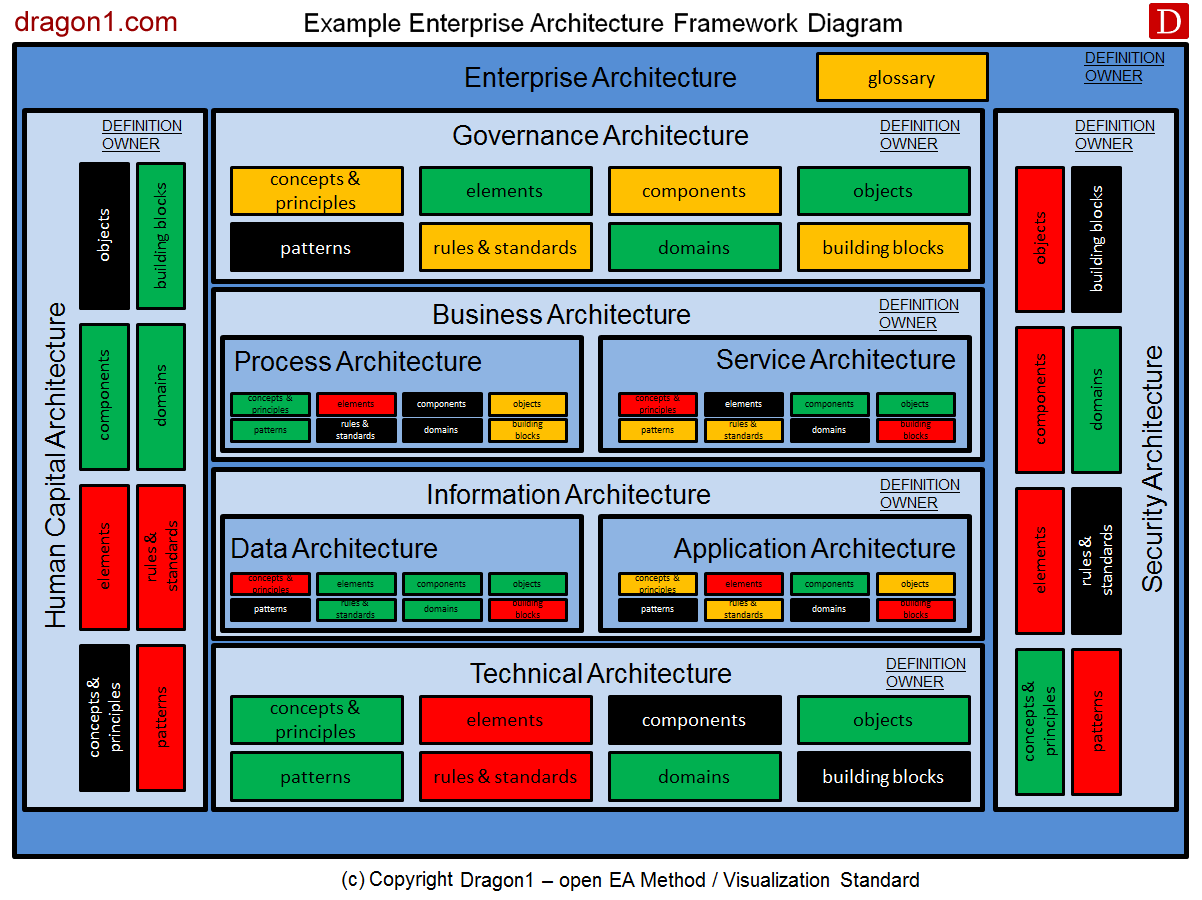
As you move from beginner to expert understanding, you start to see IT less as tools and more as architecture. Choices made early—about platforms, security, and workflows—shape everything that comes later.
How Information Technology Evolved From Support Function to Strategic Core
Information technology didn’t start as a strategic powerhouse. In its early days, IT was mostly about automation—replacing manual tasks like bookkeeping or record-keeping with computers that were faster and more accurate. IT departments were often viewed as cost centers, tucked away in basements with servers humming quietly.
That perception changed as businesses digitized. Email replaced memos. Databases replaced filing cabinets. Networks connected offices across cities and countries. Suddenly, IT wasn’t just supporting the business—it was the business.
The rise of the internet accelerated everything. Companies like Google built entire business models on information systems. E-commerce turned IT uptime into revenue. Downtime became measurable in dollars per minute.
Then came cloud computing. Platforms like Amazon Web Services and Microsoft Azure shifted IT from owning hardware to orchestrating services. Instead of asking, “What servers do we need?” companies began asking, “What outcomes do we need?”
Today, information technology drives:
- Product innovation
- Customer experience
- Operational efficiency
- Regulatory compliance
- Competitive advantage
Modern IT leaders sit at executive tables because digital decisions are business decisions. The evolution isn’t finished—but the direction is clear: IT is no longer optional, invisible, or secondary.
Benefits and Real-World Use Cases of Information Technology

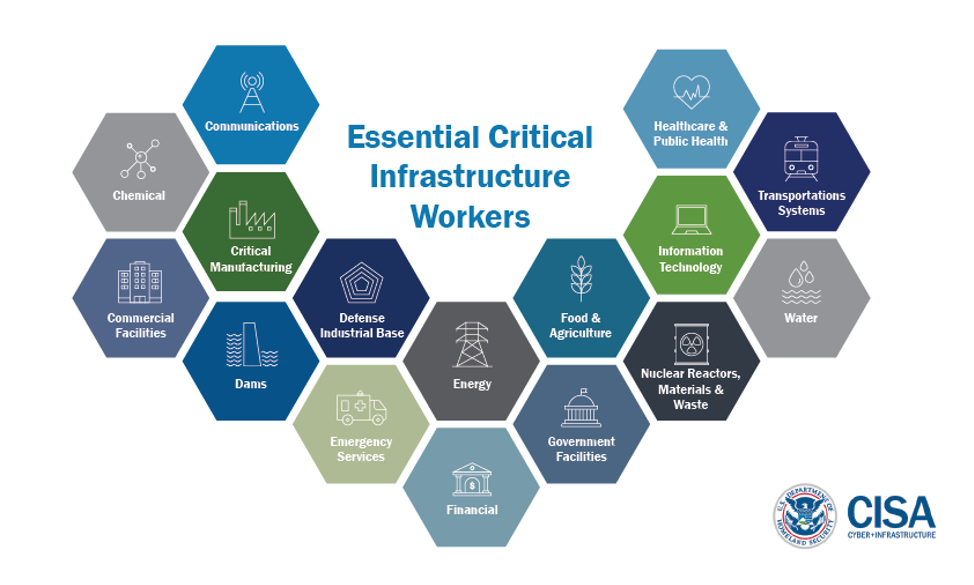

The true value of information technology becomes obvious when you compare “before IT” and “after IT” scenarios. In every industry, the shift is dramatic.
In healthcare, information technology enables electronic health records, telemedicine, and real-time diagnostics. Before IT, patient data was fragmented and slow to access. After IT, care becomes coordinated, faster, and safer.
In finance, IT systems handle transactions, fraud detection, and compliance. Manual processing once meant delays and human error. Today, automated systems process millions of transactions securely in seconds.
Retail businesses rely on IT for inventory tracking, personalized marketing, and omnichannel sales. Without IT, stockouts and guesswork dominate. With IT, demand forecasting and customer insights become strategic assets.
Manufacturing uses IT for automation, predictive maintenance, and supply chain visibility. Machines report their own performance, reducing downtime and waste.
Even small teams benefit. Cloud tools allow startups to operate globally, collaborate remotely, and scale without massive upfront costs.
The biggest beneficiaries of information technology are organizations that treat it as an investment rather than an expense. The outcomes are tangible:
- Time saved through automation
- Money saved through efficiency
- Risks reduced through security and monitoring
- Results improved through better data and decisions
A Step-by-Step Practical Guide to Using Information Technology Effectively
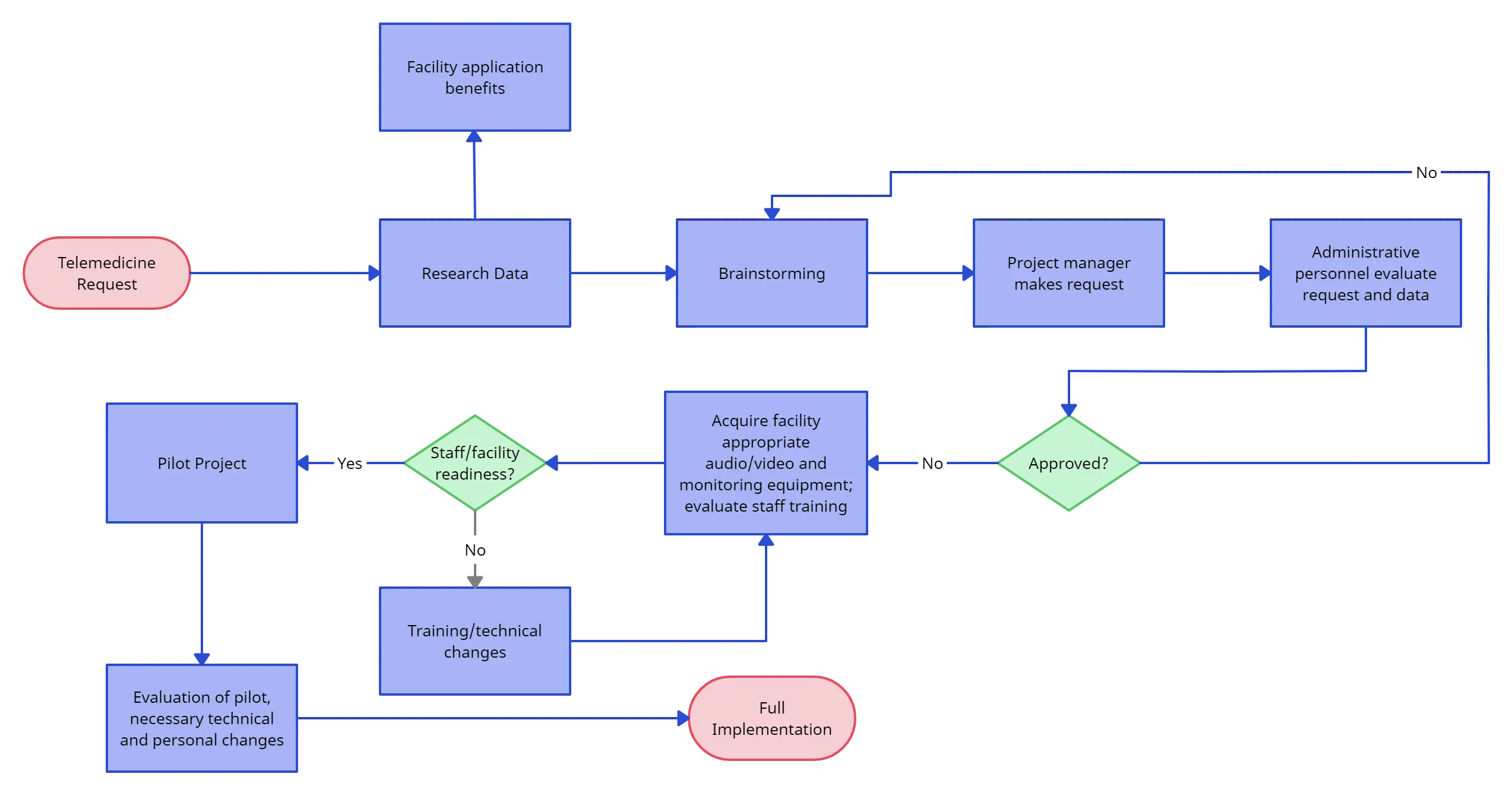
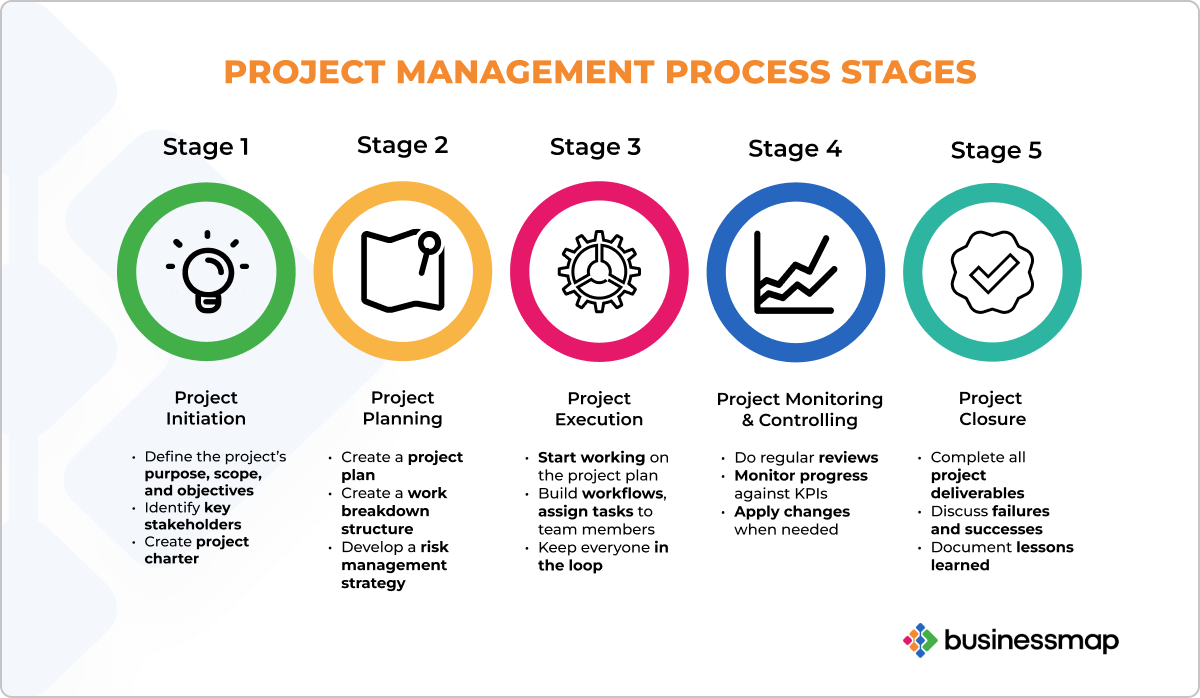
Effective information technology doesn’t start with buying tools—it starts with understanding needs.
Step one is clarity. Identify the real problem. Are you trying to reduce manual work? Improve customer experience? Secure sensitive data? Many IT failures happen because solutions are chosen before problems are defined.
Step two is architecture thinking. Consider how systems will interact. A tool that works in isolation may create friction later. Experienced IT professionals always ask how new technology fits into the existing ecosystem.
Step three is tool selection. Choose platforms that match your scale and skill level. Over-engineering creates complexity; under-engineering creates bottlenecks. Balance matters.
Step four is implementation. This is where process and people matter as much as technology. Clear documentation, training, and change management prevent resistance and confusion.
Step five is monitoring and iteration. Information technology is never “done.” Systems need updates, security patches, and performance tuning. Feedback loops turn IT from static infrastructure into a living system.
The most important principle: every IT decision has long-term consequences. Shortcuts today become constraints tomorrow.
Tools, Platforms, and Expert Recommendations From the Field
Professionals rarely chase shiny tools. They rely on proven categories.
For infrastructure, cloud platforms dominate because they reduce capital costs and increase flexibility. For collaboration, tools that integrate communication and documentation outperform isolated apps.
Security tools are non-negotiable. Firewalls, identity management, and backups are basic hygiene, not advanced features.
Frameworks matter too. Many teams rely on standards like ITIL for service management, not because it’s trendy, but because it creates consistency.
Free tools are excellent for learning and small teams. Paid tools earn their place when scale, compliance, or reliability demands it. The expert mindset is pragmatic: use what works, replace what doesn’t, and avoid emotional attachment to platforms.
Common Information Technology Mistakes—and How to Fix Them
The most common mistake is treating IT as a one-time project. Technology evolves; systems that aren’t maintained decay quietly until failure becomes visible.
Another mistake is ignoring security until something breaks. Data breaches are rarely caused by advanced attacks—they’re caused by basic oversights.
Over-customization is another trap. Highly customized systems become fragile and hard to update. Simpler, modular designs age better.
Finally, many organizations underestimate the human factor. Training, documentation, and communication are as critical as hardware and software.
Fixes are straightforward but require discipline:
- Plan for maintenance from day one
- Build security into design, not afterthoughts
- Favor simplicity over cleverness
- Invest in people, not just tools
What most people miss is that good IT is boring. It’s stable, predictable, and quietly effective—and that’s exactly the point.
The Future of Information Technology: What Actually Matters Going Forward

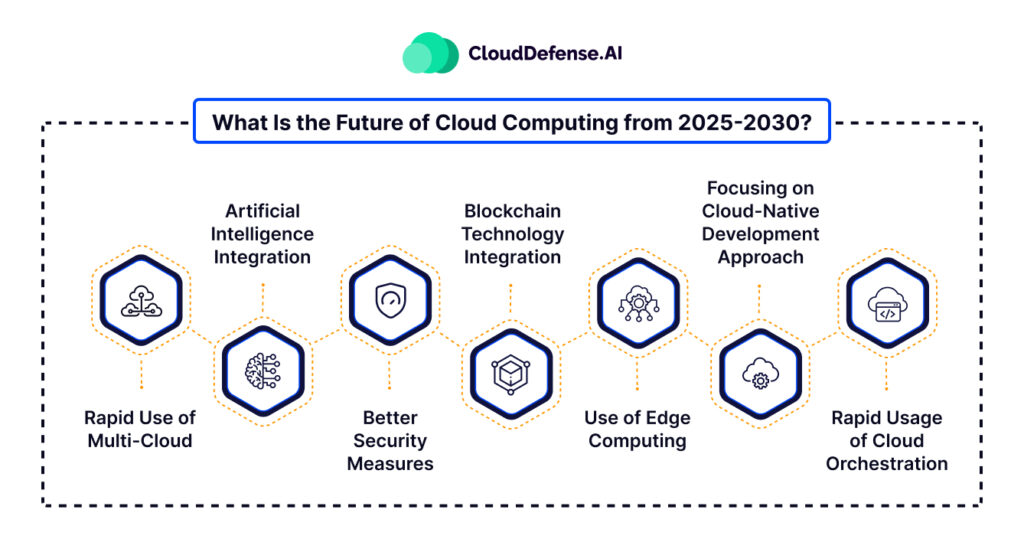
The future of information technology isn’t about chasing trends—it’s about adaptability. Artificial intelligence, automation, and data analytics will continue to shape systems, but the fundamentals remain unchanged: reliability, security, and alignment with real needs.
Organizations that thrive will be those that build flexible foundations. Instead of betting everything on one technology, they’ll design systems that can evolve as requirements change.
The role of IT professionals will continue shifting from operators to strategists—people who translate business goals into technical reality.
Conclusion: Why Information Technology Literacy Is No Longer Optional
Information technology is no longer a niche skill or a back-office concern. It’s a core literacy for modern work and business. Understanding how IT systems function—even at a high level—empowers better decisions, smarter investments, and stronger resilience.
Whether you’re building a career, running a company, or simply trying to navigate a digital world with confidence, information technology knowledge gives you leverage.
Start small. Ask better questions. Treat IT as a living system. And remember: the goal isn’t more technology—it’s better outcomes.
FAQs
What is information technology in simple terms?
Information technology is the use of computers, software, and networks to manage and use information efficiently and securely.
Is information technology the same as computer science?
No. Computer science focuses on theory and software creation, while information technology focuses on applying systems in real environments.
What careers exist in information technology?
Roles include system administrator, network engineer, cybersecurity analyst, IT manager, and cloud architect.
Why is information technology important for businesses?
It enables efficiency, scalability, security, and data-driven decision-making.
How do small businesses use information technology?
Through cloud tools, automation, online communication, and secure data management without heavy infrastructure costs.

Adrian Cole is a technology researcher and AI content specialist with more than seven years of experience studying automation, machine learning models, and digital innovation. He has worked with multiple tech startups as a consultant, helping them adopt smarter tools and build data-driven systems. Adrian writes simple, clear, and practical explanations of complex tech topics so readers can easily understand the future of AI.