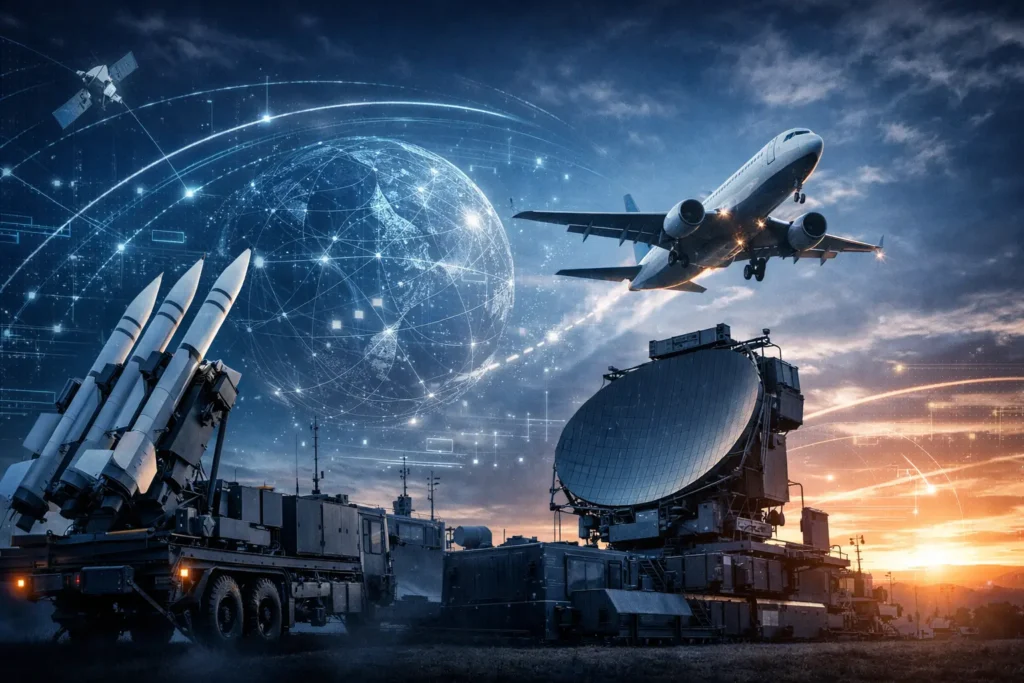
If you’ve ever watched a commercial jet climb smoothly into the sky, read about advanced missile defense systems intercepting threats mid-air, or followed debates about national security and aerospace innovation, you’ve already brushed up against raytheon technology—whether you realized it or not.
Raytheon technology sits at the intersection of defense, aerospace, digital engineering, and national infrastructure. It’s not abstract theory or futuristic hype. It’s real systems, deployed today, operating under extreme conditions where failure isn’t an option. For governments, airlines, and critical infrastructure operators, this technology quietly underpins safety, deterrence, and reliability on a global scale.
This article is written for professionals, analysts, investors, engineers, students, and serious technology readers who want more than surface-level explanations. We’ll unpack what raytheon technology really is, why it matters right now, and how it’s used in the real world—from radar and missile systems to jet engines and digital avionics. You’ll also get practical insights into how these systems are developed, where they deliver the most value, and what most people misunderstand about this sector.
By the end, you’ll understand not just what raytheon technology does, but why it continues to shape modern aerospace and defense in ways few other companies can match.
Raytheon Technology Explained: From Simple Concepts to Advanced Systems
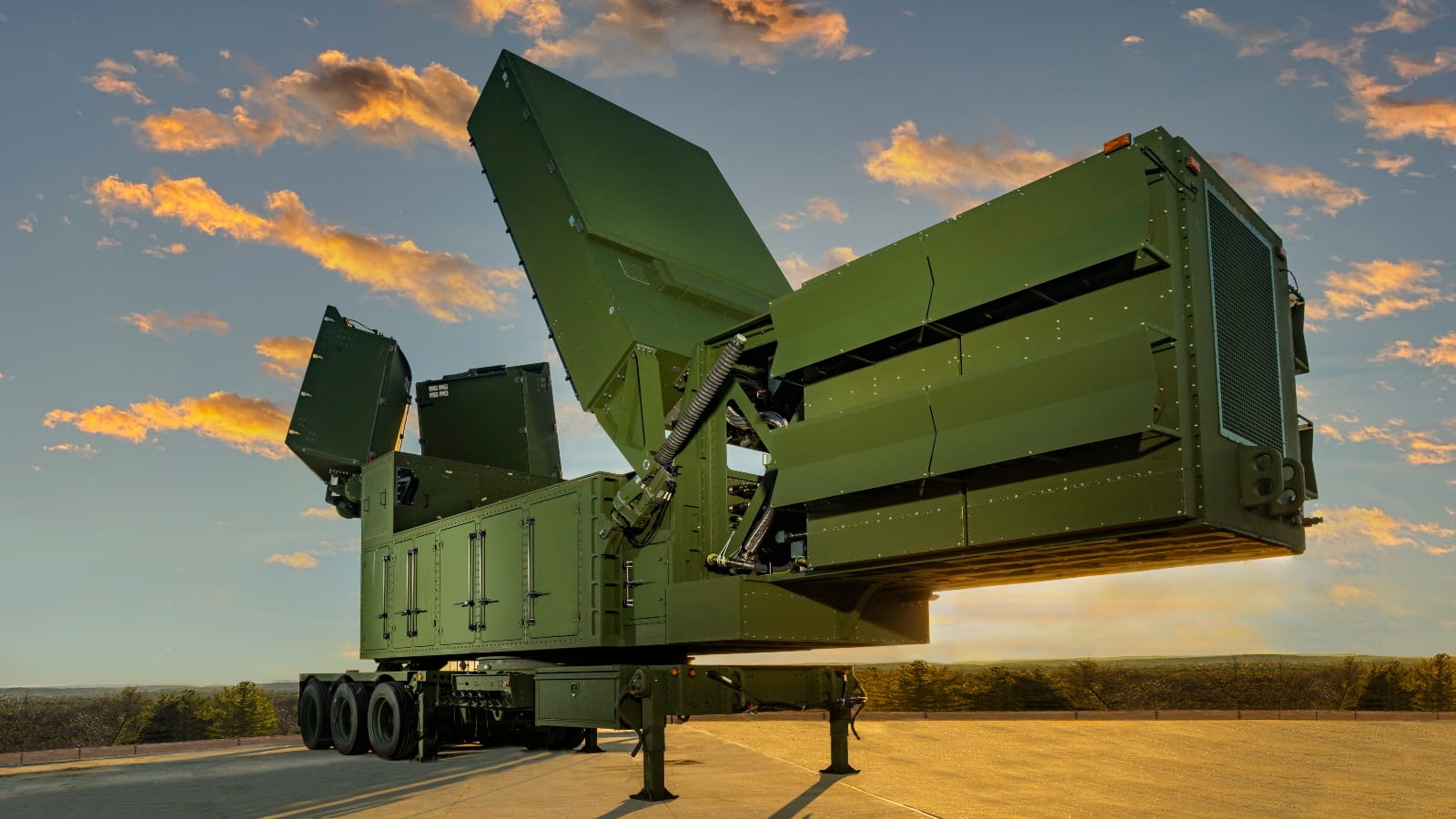
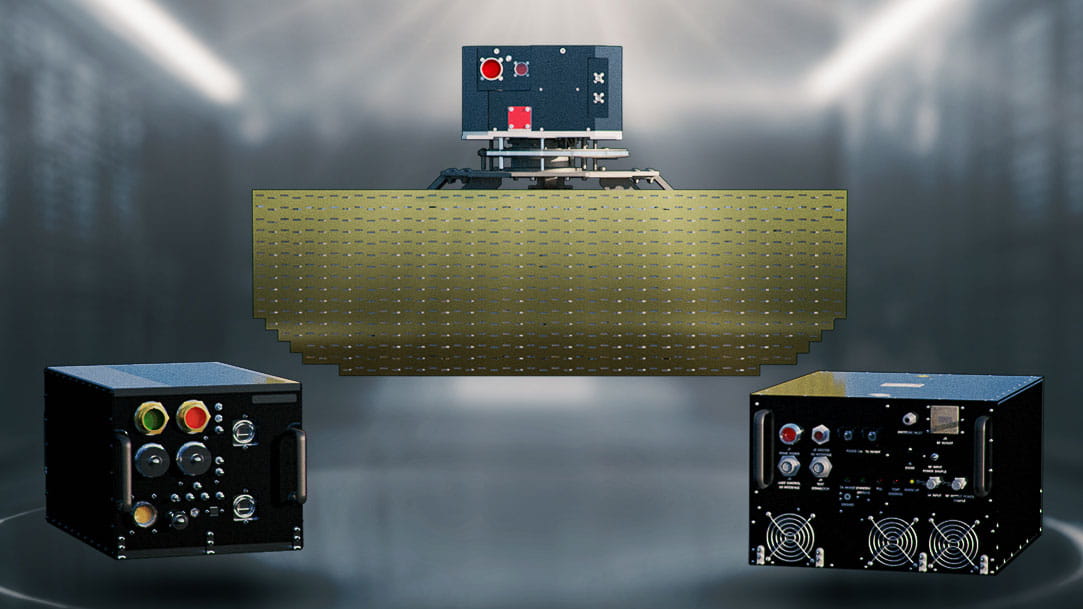
At its core, raytheon technology refers to the integrated aerospace and defense technologies developed and deployed by Raytheon Technologies—now operating under the corporate name RTX. These technologies span sensors, avionics, propulsion systems, missile defense, cybersecurity, and space-based platforms.
A helpful way to think about it is as a layered system. At the bottom layer are fundamental capabilities: materials science, advanced manufacturing, propulsion physics, and signal processing. Above that sit platforms—radars, jet engines, guidance systems, and communications networks. At the top layer are mission-critical outcomes: aircraft that fly more efficiently, defense systems that detect threats earlier, and integrated networks that allow decision-makers to act faster and more accurately.
For beginners, imagine raytheon technology as the “nervous system” of modern aerospace and defense. Sensors act like eyes and ears, propulsion systems act like muscles, and digital command systems function as the brain. Everything must work together seamlessly, often in hostile environments where temperatures, speeds, and electronic interference push systems to their limits.
As you move into expert territory, the complexity deepens. These systems rely on software-defined architectures, AI-assisted signal interpretation, secure data links, and supply chains that must meet stringent regulatory and security standards. Unlike consumer tech, iteration cycles are long, testing is exhaustive, and deployment stakes are extraordinarily high.
This blend of deep engineering, systems integration, and operational reliability is what distinguishes raytheon technology from simpler industrial or software-only solutions.
Why Raytheon Technology Matters More Than Ever Today
The relevance of raytheon technology has grown sharply in the last decade. Global air travel has rebounded and modernized, geopolitical tensions have increased, and digital threats now accompany physical ones. Governments and industries are demanding systems that are not only powerful, but resilient, interoperable, and secure.
One major driver is the shift toward integrated defense and aerospace ecosystems. Modern conflicts and security challenges don’t occur in isolation—they span air, land, sea, space, and cyberspace. Raytheon technology is designed to operate across these domains, linking sensors and platforms into unified operational pictures.
Another factor is sustainability and efficiency in aviation. Airlines and regulators are under pressure to reduce fuel consumption and emissions while maintaining safety. Advanced propulsion systems, lightweight materials, and digital engine monitoring—key components of raytheon technology—directly address these challenges.
There’s also a talent and trust dimension. In sectors where mistakes can cost lives or destabilize regions, customers gravitate toward providers with decades of proven performance. Raytheon’s long operating history, combined with modern digital transformation, positions it as both a legacy and forward-looking technology provider.
In short, raytheon technology matters because it solves problems that are becoming more urgent, more complex, and less forgiving of failure.
Real-World Benefits and Use Cases of Raytheon Technology
Raytheon technology delivers tangible benefits across multiple industries, not just abstract strategic advantages. For defense organizations, the value lies in early detection, accurate interception, and system interoperability. Advanced radar and missile defense systems reduce reaction times and increase decision confidence, which can be the difference between deterrence and disaster.
In commercial aviation, raytheon technology improves efficiency, safety, and maintenance economics. Jet engines developed under the RTX umbrella power thousands of aircraft worldwide, offering better fuel efficiency and predictive maintenance capabilities. Airlines benefit from reduced downtime, lower operating costs, and improved reliability.
Civil infrastructure also benefits. Weather radar systems, air traffic management technologies, and secure communications platforms help governments manage airspace safely and respond to natural disasters more effectively. These applications rarely make headlines, but they save lives and resources every year.
Before adopting such technologies, organizations often face fragmented systems, manual processes, and limited situational awareness. After implementation, they gain integrated data flows, automated alerts, and actionable insights. The contrast is stark: slower reaction times versus real-time decision-making, higher risk versus controlled resilience.
These outcomes explain why raytheon technology is deeply embedded in national infrastructure and global aviation networks.
A Practical, Step-by-Step Look at How Raytheon Technology Is Deployed
Deploying raytheon technology is not a plug-and-play exercise. It follows a structured, disciplined process shaped by regulation, engineering rigor, and operational testing. Understanding this process helps demystify why these systems are trusted in high-stakes environments.
The first step is requirements definition. Customers—whether military branches or commercial airlines—specify performance, safety, and integration needs. These requirements are far more detailed than typical IT projects and often evolve over years.
Next comes system design and simulation. Engineers model physical behavior, digital interactions, and failure scenarios long before hardware is built. This phase is where trade-offs between performance, cost, and reliability are carefully balanced.
Manufacturing and assembly follow, using advanced materials and precision processes. Quality control here is relentless, because defects can cascade into catastrophic failures later. After assembly, systems undergo extensive testing in controlled and real-world conditions.
Finally, deployment includes training, support, and lifecycle management. Raytheon technology is designed for decades of use, with upgrades and software updates extending system life. The why behind each step is simple: in aerospace and defense, shortcuts are unacceptable.
Tools, Platforms, and Expert Recommendations Within Raytheon Technology
Raytheon technology isn’t a single tool—it’s a portfolio of platforms tailored to different missions. Within RTX, major divisions like Pratt & Whitney and Collins Aerospace focus on propulsion and avionics respectively, while defense units handle sensors and missile systems.
From an expert perspective, the strength of raytheon technology lies in integration. Rather than sourcing engines from one vendor and avionics from another, customers benefit from systems designed to work together from day one. This reduces integration risk and long-term maintenance complexity.
There are trade-offs. Premium engineering and compliance come at higher upfront costs compared to lighter-weight alternatives. However, in mission-critical environments, reliability and support often outweigh initial savings. For organizations with limited budgets or lower-risk use cases, lighter commercial solutions may suffice—but they rarely match the depth of capability.
Seasoned professionals consistently recommend evaluating total lifecycle value rather than sticker price when considering raytheon technology.
Common Misconceptions and Costly Mistakes to Avoid
One common mistake is assuming raytheon technology is only for military use. While defense is a major segment, commercial aviation and civil infrastructure applications are equally significant. Overlooking these areas leads to an incomplete understanding of the company’s impact.
Another misconception is equating size with inflexibility. While large organizations move carefully, raytheon technology has increasingly adopted modular designs and software-driven upgrades. This allows systems to evolve without full replacement.
A more subtle error is underestimating integration complexity. Organizations sometimes assume advanced systems will automatically fit into existing environments. In reality, success depends on planning, training, and change management. Ignoring these factors can delay benefits and inflate costs.
Understanding these pitfalls helps decision-makers approach raytheon technology with realistic expectations and better outcomes.
The Future Trajectory of Raytheon Technology
Looking ahead, raytheon technology is evolving toward greater digitalization, autonomy, and sustainability. AI-assisted sensing, hybrid-electric propulsion research, and space-based systems are active areas of development. These trends reflect broader shifts in aerospace and defense, where data and software increasingly define performance.
There’s also a growing emphasis on open architectures. This allows customers to integrate third-party systems more easily, reducing vendor lock-in while maintaining security. For governments and airlines alike, flexibility is becoming as important as raw capability.
From a strategic standpoint, raytheon technology is likely to remain central to global aerospace and defense ecosystems because of its combination of scale, expertise, and trust. Few companies can match that blend.
Conclusion: Why Raytheon Technology Remains a Cornerstone of Modern Systems
Raytheon technology is not flashy consumer tech, but it is foundational. It powers aircraft, protects airspace, supports national security, and enables global mobility. Its value lies in reliability, integration, and decades of hard-earned experience.
For professionals and organizations operating in high-stakes environments, understanding raytheon technology isn’t optional—it’s essential. Whether you’re evaluating systems, studying aerospace engineering, or analyzing industry trends, this technology offers lessons in how complex systems are built, deployed, and sustained.
The next step is simple: dig deeper into specific platforms, follow industry developments, and consider how these technologies intersect with your own field. Raytheon technology rewards informed engagement.
FAQs
What is raytheon technology best known for?
It is best known for advanced aerospace, defense, and security systems, including radar, missile defense, avionics, and jet engines.
Is raytheon technology only used by the military?
No. While defense is a major focus, commercial aviation and civil infrastructure rely heavily on these technologies.
How does raytheon technology differ from other defense companies?
Its strength lies in integrated systems that combine propulsion, avionics, sensors, and digital platforms under one ecosystem.
Is raytheon technology evolving toward sustainability?
Yes. Significant investments are being made in fuel efficiency, digital optimization, and next-generation propulsion concepts.
What industries benefit most from raytheon technology?
Defense, commercial aviation, space systems, and government infrastructure see the greatest impact.

Adrian Cole is a technology researcher and AI content specialist with more than seven years of experience studying automation, machine learning models, and digital innovation. He has worked with multiple tech startups as a consultant, helping them adopt smarter tools and build data-driven systems. Adrian writes simple, clear, and practical explanations of complex tech topics so readers can easily understand the future of AI.