

If you’ve been paying attention, you’ve probably felt it too: the pace of change around new in technology doesn’t just feel faster—it feels heavier. Not in a bad way, but in a way that makes you pause and think, “Okay… this is going to change how I work, live, or compete.”
A decade ago, “new tech” often meant shiny gadgets or incremental software updates. Today, it reaches deeper. It reshapes jobs, business models, education, healthcare, creativity, and even how we trust information. And unlike previous tech waves, this one isn’t limited to engineers or early adopters. It touches everyone—from freelancers and small business owners to enterprise leaders, students, and everyday users.
This article is for readers who don’t just want headlines. It’s for people who want clarity. If you’ve ever felt overwhelmed by buzzwords, skeptical of hype, or unsure which innovations are actually worth your attention, you’re in the right place. We’ll break down what’s truly new in technology, why it matters right now, and how to use it in ways that create real-world results instead of confusion.
You’ll walk away with practical understanding, not just awareness. The goal isn’t to chase every trend—it’s to understand the ones that stick, and how to use them intelligently.
Understanding What “New in Technology” Really Means Today
At its core, new in technology doesn’t mean “brand new inventions that appeared yesterday.” In practice, it refers to technologies that have crossed a threshold—moving from labs, beta tests, or niche communities into real-world use at scale. That distinction matters.
Think of technology like cooking. A new recipe isn’t useful until people actually cook it, tweak it, and serve it regularly. In the same way, technology becomes meaningful when it solves real problems consistently, not when it merely exists.
Today’s “new” technologies often share a few traits:
- They’re accessible to non-technical users
- They integrate into existing workflows rather than replacing everything
- They scale quickly through cloud platforms and APIs
- They learn or adapt over time instead of staying static
Another shift is maturity. Many of today’s breakthroughs—artificial intelligence, automation, extended reality, advanced connectivity—have existed for years. What’s new is their reliability, affordability, and usability. Tools that once required teams of specialists can now be used by individuals with minimal training.
Understanding this helps separate meaningful progress from marketing noise. Not everything labeled “new” deserves your time, but some developments genuinely redefine what’s possible.
Why New Technology Is Accelerating Faster Than Ever
One reason new technology feels overwhelming is because multiple forces are accelerating simultaneously. Hardware is faster. Software is smarter. Data is abundant. Connectivity is nearly constant. These layers amplify each other.
Cloud infrastructure means companies no longer need massive upfront investment to deploy powerful systems. Open-source ecosystems allow ideas to spread globally in weeks instead of years. Meanwhile, user expectations are higher—people demand tools that are intuitive, fast, and personalized.
There’s also competitive pressure. Businesses that fail to adapt lose ground quickly. This urgency pushes adoption faster than in previous decades. As a result, innovations don’t have a slow “early adopter” phase anymore; they jump straight into mainstream use.
This acceleration explains why staying informed about new in technology isn’t optional anymore. Even small changes compound. A tool that saves you 20 minutes a day doesn’t sound dramatic—until you realize it frees up more than 80 hours a year.
Real Benefits and Use Cases of New Technology in Everyday Life


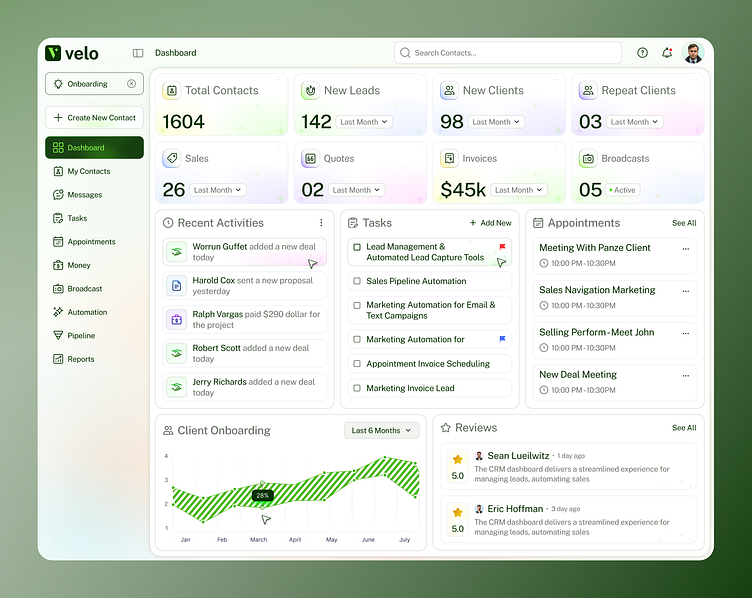
The most important question isn’t what is new—it’s who benefits and how. Let’s look at real-world impact across key areas.
In business, new technology reduces friction. Automation tools handle repetitive tasks like invoicing, reporting, customer follow-ups, and inventory tracking. The result isn’t just efficiency—it’s focus. Teams spend more time on strategy, creativity, and relationships instead of busywork.
In healthcare, technology improves both speed and accuracy. Data-driven diagnostics help clinicians detect issues earlier. Remote monitoring tools allow patients to manage chronic conditions without constant hospital visits. For patients, that means better outcomes; for providers, it means more sustainable care delivery.
Education has shifted dramatically as well. Learning is no longer tied to physical classrooms or rigid schedules. Adaptive learning platforms adjust content to each learner’s pace, helping students understand concepts instead of memorizing them.
Even in everyday life, new technology simplifies routines:
- Smart systems reduce energy waste at home
- Digital finance tools provide real-time insights into spending
- Communication platforms shrink geographic boundaries
The common thread is leverage. New technology allows individuals and small teams to do things that once required large organizations.
A Practical, Step-by-Step Approach to Adopting New Technology
Adopting new technology successfully isn’t about jumping in blindly. The people who benefit most follow a deliberate process.
First, identify a real problem. This is where many fail. They start with the tool instead of the need. Ask yourself what’s slowing you down, costing money, or limiting growth. Technology should solve that specific issue.
Second, research with intention. Look for tools or systems that directly address your problem, not the ones with the loudest marketing. Reviews, case studies, and real user feedback are more valuable than feature lists.
Third, start small. Pilot the technology in a limited context. Test it with one project, one team, or one workflow. This reduces risk and provides clarity on whether it fits your needs.
Fourth, measure impact. Track simple metrics—time saved, errors reduced, revenue influenced, or satisfaction improved. If you can’t measure value, adoption becomes guesswork.
Finally, scale intentionally. Once a tool proves useful, integrate it deeper. Train others, document workflows, and refine usage. This step turns experimentation into long-term advantage.
This approach works whether you’re adopting a new automation platform, experimenting with AI tools, or upgrading infrastructure. The key is aligning technology with purpose.
Tools, Platforms, and Expert Recommendations That Actually Work

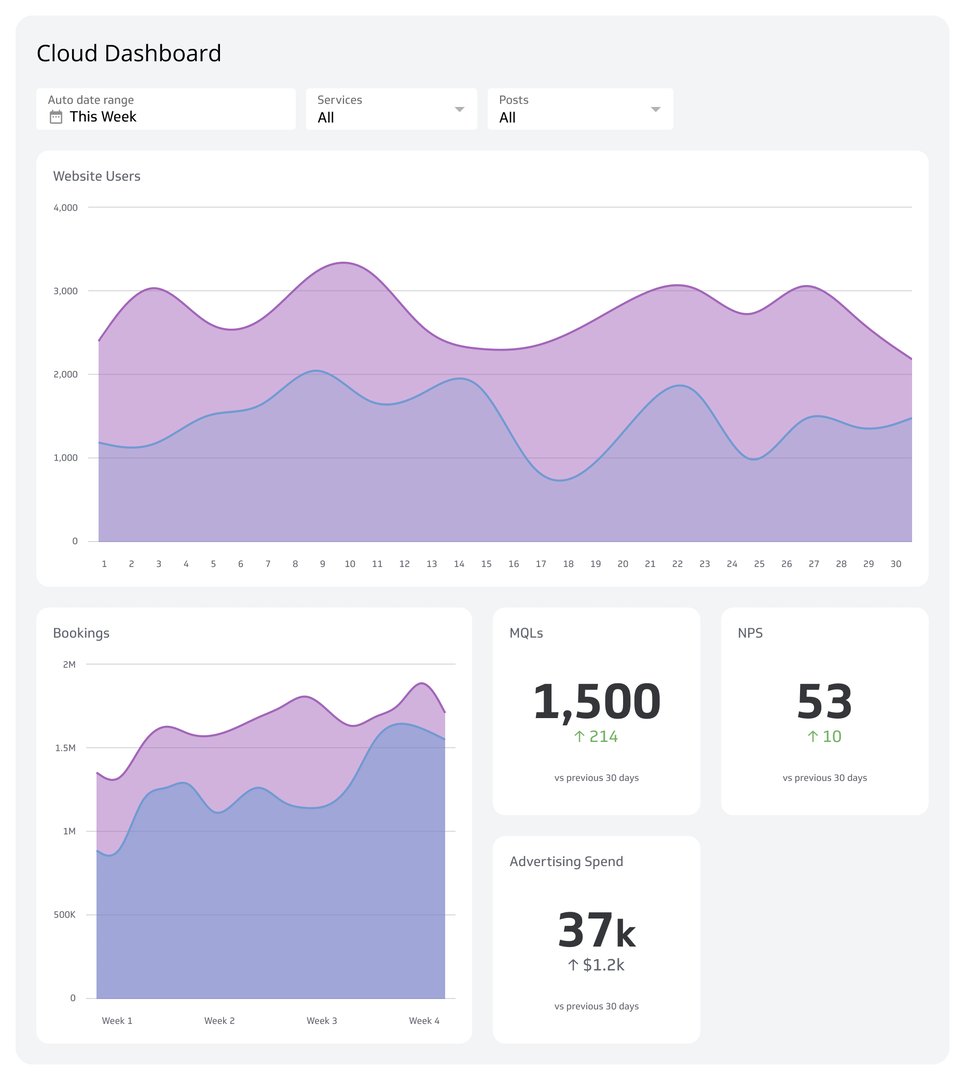

Not all tools are created equal, and more options don’t always mean better outcomes. Based on real-world usage, effective technology tools tend to fall into clear categories.
Beginner-friendly tools focus on simplicity. They often trade customization for ease of use. These are ideal for individuals, freelancers, and small teams who need results quickly without technical complexity.
Professional-grade tools offer deeper control, integrations, and scalability. They require more setup but pay off for growing organizations with complex needs.
Free tools are excellent for testing ideas and learning basics. Paid tools, when chosen wisely, often save more money than they cost by reducing labor, mistakes, or delays.
One expert insight: the best tool is rarely the one with the most features. It’s the one your team actually uses consistently. Adoption beats sophistication every time.
Common Mistakes People Make with New Technology (and How to Avoid Them)
A frequent mistake is chasing trends instead of solving problems. This leads to tool overload—too many platforms, none fully utilized. The fix is discipline. Choose fewer tools and use them deeply.
Another mistake is underestimating the learning curve. Even intuitive technology requires adjustment. Skipping training leads to frustration and abandonment. Short, focused onboarding sessions make a massive difference.
Some people also ignore security and privacy considerations. New technology often handles sensitive data. Failing to configure permissions or safeguards can create serious risks. Taking time to understand basic security settings is essential.
Finally, many expect instant results. Technology amplifies good processes, but it doesn’t fix broken ones overnight. Patience and iteration are part of successful adoption.
The Bigger Picture: How New Technology Shapes the Future
Beyond individual tools, new in technology is shaping how societies function. Work is becoming more flexible but also more skills-driven. Lifelong learning is no longer optional—it’s survival.
Businesses are shifting from static models to adaptive systems that respond in real time. Governments and institutions are experimenting with digital infrastructure to improve transparency and efficiency.
Perhaps the biggest shift is mindset. Technology is no longer a separate “IT thing.” It’s woven into decision-making, creativity, and problem-solving across every field.
Those who treat technology as a partner—rather than a threat or a magic solution—are the ones who thrive.
Conclusion: Using New Technology with Confidence, Not Fear
New in technology doesn’t require you to be an expert coder or futurist. It requires curiosity, discernment, and willingness to adapt. The real advantage comes from understanding why a technology matters and how to apply it meaningfully.
If there’s one takeaway, it’s this: you don’t need to adopt everything. You need to adopt what fits. Start with problems, choose tools intentionally, and focus on consistent use.
Technology will keep evolving. That’s guaranteed. What matters is building the confidence and clarity to evolve with it—on your terms.
FAQs
What does “new in technology” usually refer to?
It refers to technologies that have recently become practical and widely adopted, not just experimental concepts.
How can beginners keep up without feeling overwhelmed?
Focus on one problem at a time and learn tools that directly address it instead of following every trend.
Is new technology expensive to adopt?
Not always. Many tools offer free tiers or affordable plans that provide significant value.
How do businesses decide which technologies to invest in?
They align technology choices with strategic goals, measurable outcomes, and long-term scalability.
Will new technology replace jobs?
It changes jobs more than it replaces them. Roles evolve, and new skill sets become valuable.

Adrian Cole is a technology researcher and AI content specialist with more than seven years of experience studying automation, machine learning models, and digital innovation. He has worked with multiple tech startups as a consultant, helping them adopt smarter tools and build data-driven systems. Adrian writes simple, clear, and practical explanations of complex tech topics so readers can easily understand the future of AI.