

Introduction: Why a Service Based Business Is Still One of the Smartest Ways to Build Income Today
If you’ve ever traded your skills for money—designing a website, fixing a problem, advising a client, teaching a skill—you’ve already brushed up against the core idea of a service based business. In a world obsessed with apps, startups, and physical products, services quietly power the global economy. They don’t require warehouses, inventory, or massive upfront capital. What they do require is expertise, trust, and execution.
For many people I’ve worked with over the years—freelancers, consultants, agency owners, even solo professionals—a service based business was the fastest and most realistic path to sustainable income. It’s often the first step into entrepreneurship because it aligns perfectly with what you already know how to do.
In this guide, we’re going to break down the service based business model from the ground up. You’ll learn what it really is, why it works, who it’s best for, and how to build one step by step. We’ll also cover tools, pricing, common mistakes, and practical strategies that separate struggling service providers from profitable ones. Whether you’re starting from scratch or refining an existing operation, this article is designed to be something you’ll come back to again and again.
What Is a Service Based Business? A Simple, Practical Explanation
A service based business is exactly what it sounds like: a business that sells services rather than physical products. Instead of manufacturing or reselling items, you provide value through your time, skills, knowledge, or expertise. Think of it as solving problems for clients in exchange for payment.
A helpful analogy is this: a product business sells something once and hopes it works for many people. A service based business adapts the solution to each client. A web developer customizes a site. A consultant tailors advice. A cleaning service adjusts to the space. That personalization is the core value.
Common examples include:
- Freelancing (writing, design, development)
- Consulting and coaching
- Marketing and digital agencies
- Home and local services (plumbing, cleaning, repairs)
- Professional services (legal, accounting, HR)
What makes a service based business powerful is its low barrier to entry. You don’t need to invent something new; you need to deliver something well. You also get immediate feedback from clients, which makes it easier to improve and refine your offer.
However, services come with trade-offs. Income is often tied to time, and scaling requires systems, delegation, or higher-value positioning. Understanding this early helps you design your business intentionally instead of reacting later.
How Service Based Businesses Actually Work in the Real World
On paper, a service based business looks simple: find clients, deliver service, get paid. In practice, the real work happens in the layers underneath. Successful service businesses operate on three core pillars: positioning, process, and people (even if “people” is just you at the start).
Positioning is about how you present your service and who you serve. Two people can offer the same service, but the one with clearer positioning will attract better clients and charge more. For example, “I do marketing” is vague. “I help local gyms get 30% more leads in 90 days” is specific and compelling.
Process is how you deliver your service consistently. This includes onboarding, communication, execution, revisions, and offboarding. Strong processes reduce stress, improve quality, and make scaling possible.
People refers to the human element: your relationship with clients, collaborators, and eventually team members. Trust, communication, and expectations matter more in service businesses than in almost any other model.
When these three pillars align, a service based business becomes predictable instead of chaotic. That’s when income stabilizes and growth becomes intentional.
Benefits of a Service Based Business (And Why So Many Entrepreneurs Start Here)
One of the biggest advantages of a service based business is speed. You can go from idea to income far faster than with most other business models. If you already have a skill someone will pay for, you can validate the market within weeks, not years.
Another major benefit is flexibility. Service businesses adapt well to different lifestyles. Some people want a solo operation with a handful of high-paying clients. Others build agencies with teams and recurring revenue. The same foundational model supports both.
Key benefits include:
- Low startup costs compared to product businesses
- Faster cash flow and shorter sales cycles
- Direct connection with customers and their needs
- Easier market validation and iteration
- High margins when positioned correctly
Service based businesses are especially well-suited for people who enjoy problem-solving, communication, and autonomy. They’re also ideal if you want to build expertise and authority in a specific niche. Over time, that authority compounds, opening doors to higher fees, referrals, and even productized services.
Real-World Use Cases: Who Should Start a Service Based Business?
A service based business isn’t just for freelancers or consultants. It works across industries and career stages. I’ve seen corporate professionals transition into consulting, creatives turn skills into agencies, and tradespeople build scalable local service brands.
This model is ideal if you:
- Have a skill others regularly ask you for help with
- Want to start a business without large financial risk
- Prefer working closely with clients
- Value flexibility over rapid hypergrowth
Use cases vary widely. A graphic designer might start solo, then hire contractors. A marketing strategist might package expertise into monthly retainers. A local service provider might expand by standardizing operations across locations.
What matters most is aligning the business with your strengths and goals. A service based business can be a lifestyle business or a growth engine—it’s the structure and strategy that decide which one it becomes.

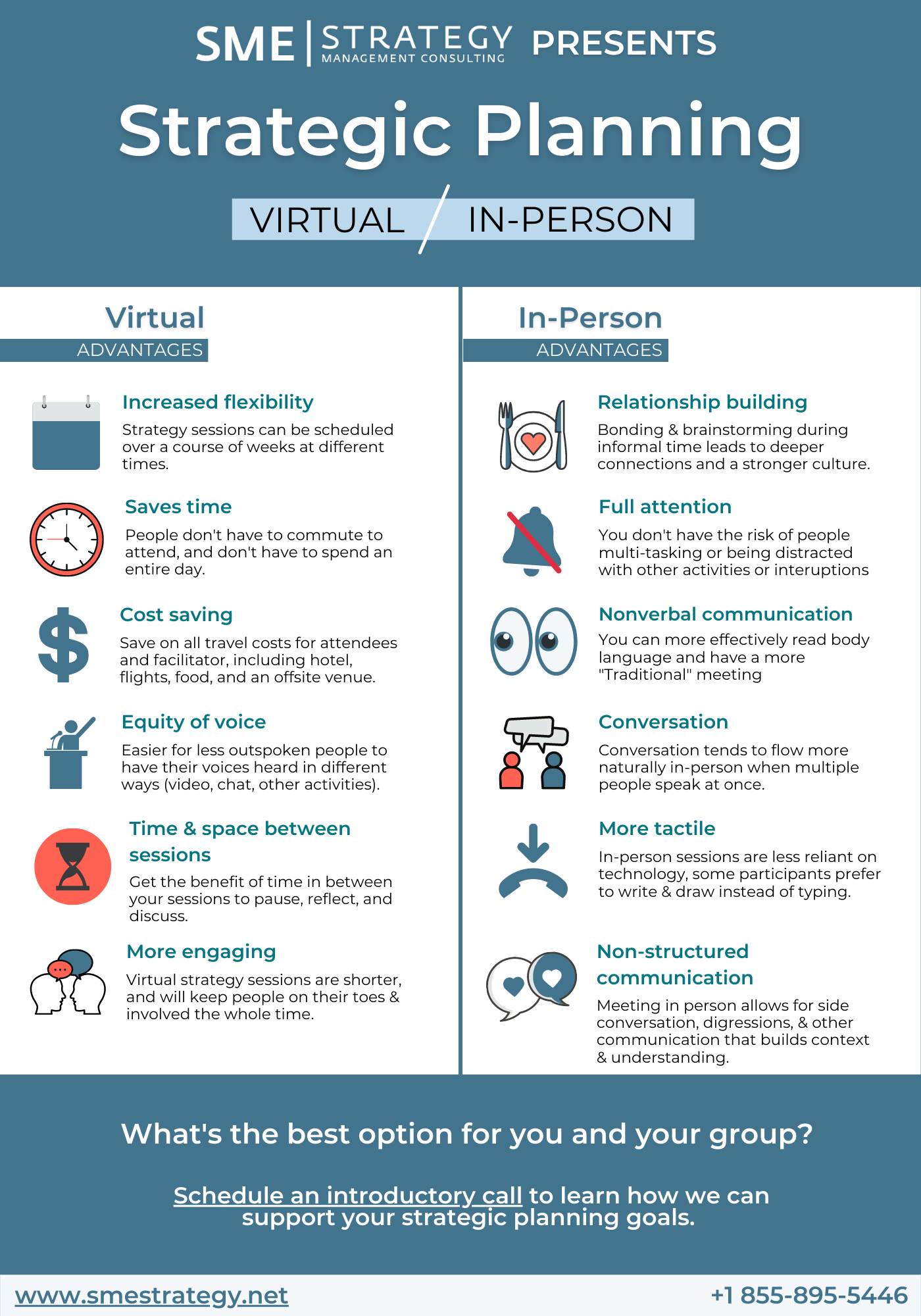

4
Step-by-Step: How to Start a Service Based Business from Scratch
Starting a service based business doesn’t require a perfect plan, but it does require clarity. The most successful starts follow a simple, repeatable framework that reduces guesswork.
First, define your service clearly. Focus on one primary problem you solve. Avoid offering everything to everyone. Clarity builds confidence for both you and your clients.
Second, identify your ideal client. Go beyond demographics. Understand their pain points, goals, and what success looks like for them. The better you understand this, the easier selling becomes.
Third, package your service. Instead of selling hours, sell outcomes. Create clear deliverables, timelines, and pricing. This reduces scope creep and positions you as a professional, not a commodity.
Fourth, set up basic operations. This includes contracts, invoicing, communication tools, and a simple onboarding process. You don’t need complex systems on day one, just enough to look and act legitimate.
Finally, start selling before you feel ready. Service businesses improve through real work. Early clients teach you more than months of planning ever will.
Pricing Your Services: How to Charge What You’re Worth
Pricing is one of the hardest parts of running a service based business, especially early on. Many people undercharge out of fear or uncertainty. The key shift is moving from time-based pricing to value-based thinking.
Instead of asking, “How long will this take me?” ask, “What is this result worth to the client?” A service that increases revenue, saves time, or reduces risk carries more value than the hours it takes to deliver.
Common pricing models include:
- Project-based pricing for defined scopes
- Monthly retainers for ongoing work
- Packages with tiered options
- Performance or results-based pricing (when appropriate)
Start with pricing that feels slightly uncomfortable but still fair. As your skills, results, and demand grow, adjust upward. Clear communication and confidence matter more than the number itself.
Tools and Systems That Make Service Businesses Easier to Run
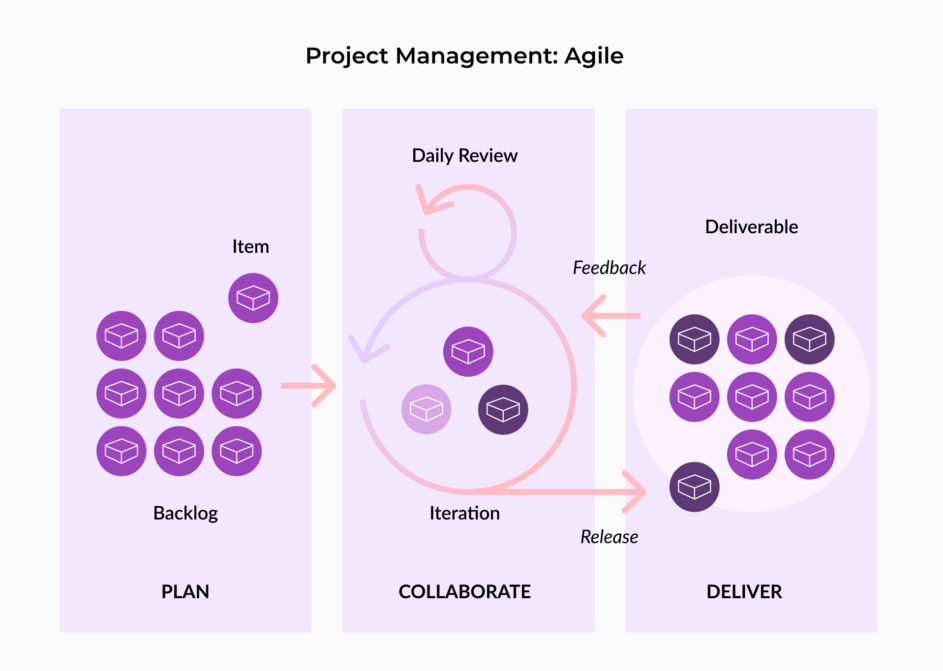
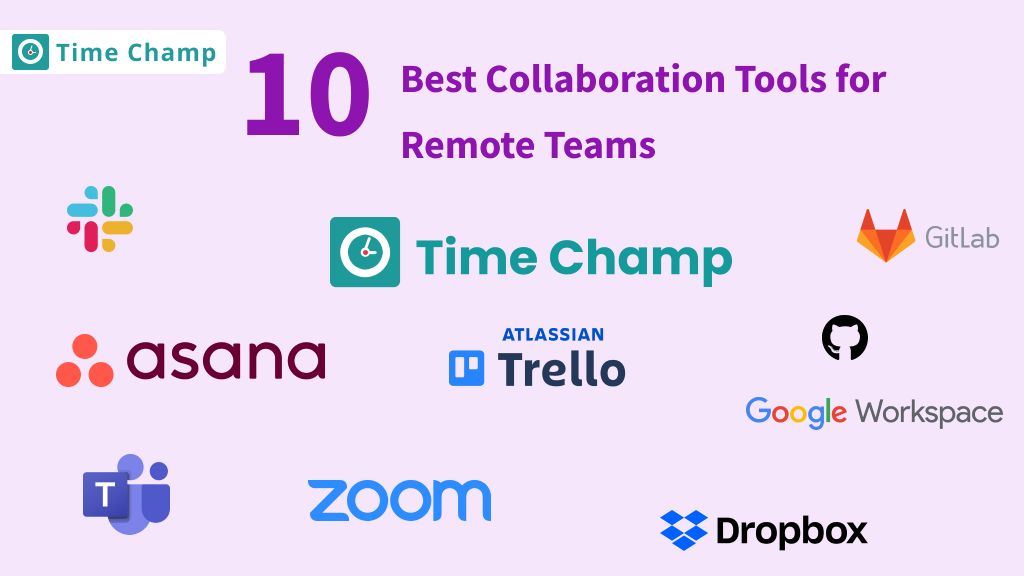
Running a service based business without tools is possible, but inefficient. The right tools reduce admin work and free you up to focus on delivering value.
At a basic level, most service businesses benefit from:
- Project management tools to track work
- Communication platforms for clients
- Invoicing and payment systems
- Documentation and proposal tools
Free tools work well early on, but paid tools often save time and reduce errors as you grow. The goal isn’t to collect software; it’s to create a smooth, professional experience for both you and your clients.
When choosing tools, prioritize simplicity and integration. A small, well-connected stack beats a complex system no one wants to use.

4
Scaling a Service Based Business Without Burning Out
One of the biggest myths about a service based business is that it can’t scale. In reality, it scales differently. The key is reducing your direct involvement in every task.
There are three primary ways to scale:
- Increase prices by specializing and positioning higher
- Productize services into repeatable packages
- Build a team or network of contractors
Documentation becomes critical at this stage. Every repeatable task should have a process. This allows others to deliver work at your standard without constant oversight.
Another scaling lever is recurring revenue. Monthly retainers, maintenance packages, and ongoing support create stability and predictability, which are often missing in early-stage service businesses.
Common Mistakes in Service Based Businesses (And How to Fix Them)
Many service businesses struggle not because the service is bad, but because the structure is weak. One common mistake is saying yes to everything. This leads to burnout and unclear positioning. The fix is focus and boundaries.
Another frequent issue is poor client qualification. Taking on clients who aren’t a good fit creates stress and dissatisfaction on both sides. Clear expectations and screening prevent this.
Underpricing, lack of contracts, and inconsistent processes are also common. Each of these can be fixed with intentional systems and a mindset shift from “freelancer” to “business owner.”
Mistakes are part of the process. The goal isn’t to avoid them entirely, but to recognize and correct them quickly.
The Long-Term Potential of a Service Based Business
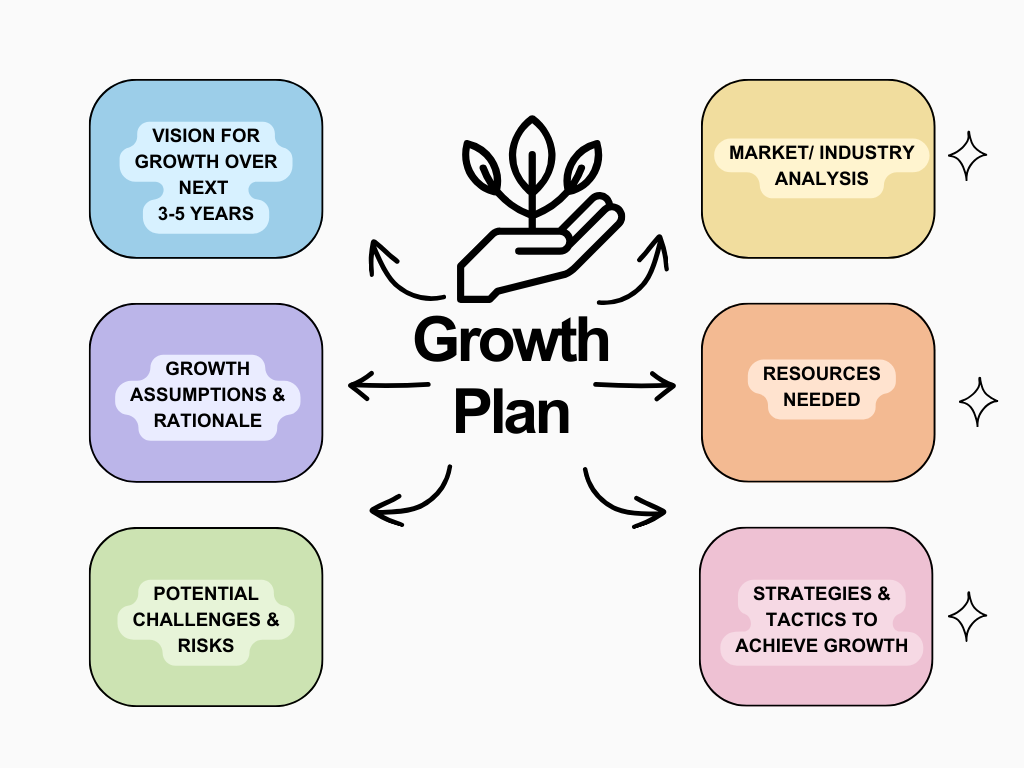
A well-run service based business is more than a way to make money—it’s a platform. Over time, it can lead to products, courses, partnerships, or even equity opportunities. The client insights you gain are invaluable.
Many successful entrepreneurs started with services because services teach you how businesses actually work. You learn sales, delivery, communication, and value creation in real time.
If you approach it intentionally, a service based business can be both profitable and fulfilling, offering control over your time, income, and impact.


4
Conclusion: Is a Service Based Business Right for You?
A service based business is one of the most practical, accessible ways to build a real business today. It rewards skill, consistency, and care. It doesn’t require perfection, but it does require commitment.
If you’re willing to focus on solving real problems, communicating clearly, and improving continuously, this model can support you at almost any stage of life or career. Start simple, stay focused, and build systems as you grow.
If you’re already running a service business, use this guide as a checkpoint. Refine what’s working, fix what isn’t, and keep moving forward. And if you’re just starting, remember: the best service businesses aren’t built overnight, but they are built one client at a time.
FAQs
What is the easiest service based business to start?
The easiest service based business to start is one based on a skill you already have. Writing, design, consulting, tutoring, and local services are common examples because demand already exists.
How much money can a service based business make?
Income varies widely. Some solo service providers earn a modest living, while agencies and specialized consultants earn six or seven figures annually. Pricing, positioning, and systems make the difference.
Do I need a website to start a service based business?
A website helps, but it’s not required at the beginning. Many service businesses start with referrals, social platforms, or direct outreach. A simple site becomes more important as you scale.
Can a service based business be passive?
Services are not passive by default, but they can become more leveraged through teams, systems, and productized offerings. True passivity usually comes later through products or investments.
What’s the biggest challenge in a service based business?
The biggest challenge is often managing time and scope. Clear boundaries, pricing, and processes are essential to avoid burnout and maintain quality.

Michael Grant is a business writer with professional experience in small-business consulting and online entrepreneurship. Over the past decade, he has helped brands improve their digital strategy, customer engagement, and revenue planning. Michael simplifies business concepts and gives readers practical insights they can use immediately.