

If you’ve spent any time around B2B sales teams, growth marketers, or founders in the last few years, chances are you’ve heard the name Seamless AI come up—sometimes with excitement, sometimes with skepticism, and often with confusion. Is it just another lead generation tool? Is it really “AI-powered,” or is that just branding? And most importantly, does it actually help people close more deals in the real world?
Those questions matter more now than ever. We’re living in a time when outbound sales is harder, inboxes are crowded, and decision-makers are shielded behind layers of automation, gatekeepers, and privacy rules. At the same time, companies are under pressure to grow faster with smaller teams and tighter budgets. Tools like Seamless AI promise a shortcut: accurate contact data, real-time insights, and faster prospecting—without the manual grind.
This guide is written for people who don’t want hype. It’s for founders building early traction, sales reps trying to hit quota, marketers supporting outbound campaigns, and agencies running lead generation for clients. We’ll break down what Seamless AI actually is, how it works in practice, where it shines, where it falls short, and how experienced professionals use it effectively—not blindly.
By the end, you’ll know whether Seamless AI belongs in your stack, how to use it properly if it does, and what mistakes to avoid if you want real results instead of inflated contact lists.
What Is Seamless AI? A Beginner-to-Expert Breakdown Without the Buzzwords
At its core, Seamless AI is a sales intelligence and contact discovery platform designed to help B2B teams find verified email addresses, phone numbers, and company information for decision-makers. Instead of manually searching LinkedIn, company websites, and public databases, Seamless AI automates that process and presents the data in a single interface.
The company behind the tool—Seamless.AI—positions it as a real-time, AI-driven engine that continuously scans public sources to keep contact data fresh. In simple terms, it’s like having a research assistant who never sleeps, constantly updating your prospect list.
For beginners, think of Seamless AI as a smarter alternative to building lead lists by hand. You search by job title, company size, industry, or location, and the platform returns people who match those filters along with their contact details.
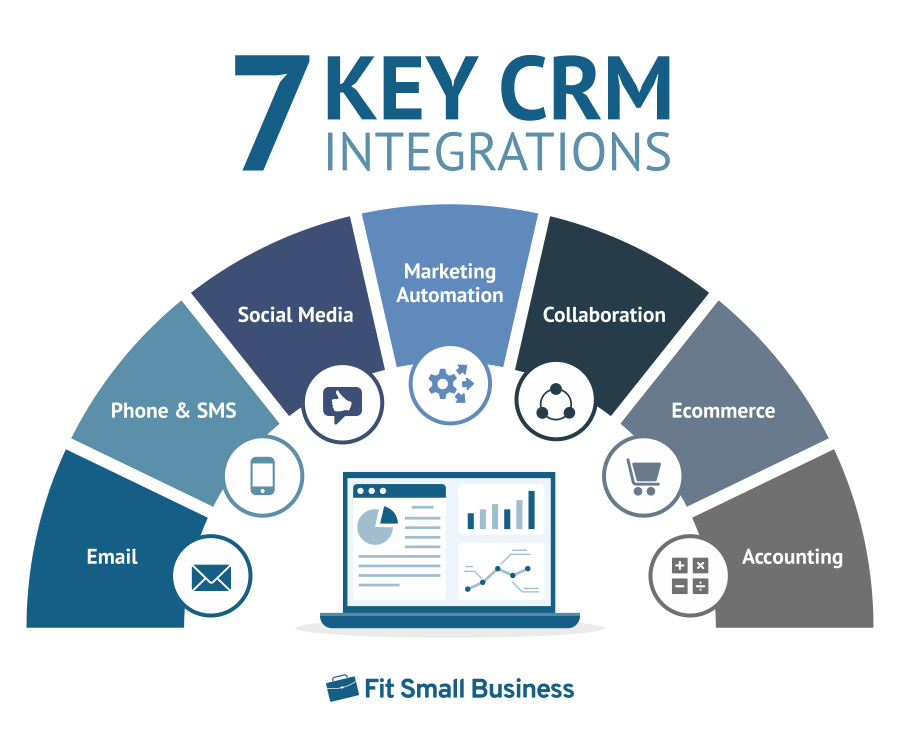
For more advanced users, the value goes deeper. Seamless AI integrates with CRMs, supports workflows for outbound sales, and helps teams scale prospecting without scaling headcount. It’s not just about finding contacts—it’s about finding the right contacts at the right time.
One important clarification: Seamless AI doesn’t replace sales strategy. It doesn’t write your pitch, build trust, or close deals for you. What it does is remove friction at the very top of the funnel, where most teams lose time, energy, and momentum.
Why Seamless AI Matters Right Now in B2B Sales and Marketing
A decade ago, outbound sales was simpler. You could buy a list, send a mass email, and expect a reasonable response rate. That world is gone. Buyers are more informed, inboxes are more protected, and regulations like GDPR and data privacy laws have raised the stakes.
This is where tools like Seamless AI have become relevant. The platform addresses three modern pain points that nearly every B2B team faces.
First, data decay. Contact information goes stale fast. People change jobs, companies rebrand, and email formats evolve. Seamless AI’s promise of real-time data updates directly targets this problem.
Second, speed to outreach. In competitive markets, the team that reaches a qualified prospect first often wins. Seamless AI shortens the research phase so reps can move faster without sacrificing relevance.
Third, personalization at scale. When you know someone’s role, company, and context, it’s easier to craft outreach that doesn’t feel generic. Seamless AI doesn’t personalize for you, but it gives you the raw material to do it well.
In practice, this means fewer wasted emails, better conversations, and a higher chance of starting deals that actually go somewhere. That’s why Seamless AI has found traction not just with large sales teams, but also with startups, agencies, and solo consultants.
Real-World Benefits and Use Cases of Seamless AI
The real test of any sales tool isn’t the feature list—it’s what changes after you start using it. When Seamless AI is used correctly, the benefits show up in tangible, measurable ways.
Sales development reps use Seamless AI to build targeted call and email lists in minutes instead of hours. Instead of scraping LinkedIn profiles manually, they can focus on outreach and follow-ups. This often translates into higher activity levels without burnout.
Founders and early-stage startups use Seamless AI to validate markets. By quickly identifying decision-makers in a niche, they can test messaging, pricing, and positioning before investing heavily in marketing.
Agencies rely on Seamless AI to support lead generation services. When you’re managing outreach for multiple clients, consistency and speed matter. Seamless AI helps standardize list building while still allowing for customization.
Recruiters also benefit, especially those focused on hard-to-fill roles. Finding hiring managers or department heads becomes significantly easier with filtered searches and verified contact details.
A simple before-and-after comparison makes the impact clear. Before Seamless AI, teams spend hours researching, copying, and guessing. After implementing it properly, that time shifts toward conversations, strategy, and closing.
How to Use Seamless AI Step by Step (The Practical, No-Fluff Version)
Using Seamless AI effectively isn’t about clicking every button—it’s about following a disciplined process. The first step is defining your ideal customer profile. Without clarity on who you’re targeting, even the best data tool will produce noise.
Once your ICP is clear, use Seamless AI’s filters to narrow down by industry, company size, geography, and job title. This is where many beginners go wrong—they cast too wide a net. Precision always beats volume.
Next comes contact validation. Even with real-time data, it’s smart to spot-check results. Experienced users cross-reference a few contacts with LinkedIn or company websites to ensure relevance.
After building your list, integrate Seamless AI with your CRM or export the data cleanly. Tag leads by segment so you can tailor your outreach later. This step matters because unorganized data quickly becomes unusable data.
Finally, use the insights as a starting point, not the final answer. Review each prospect’s context before outreach. The goal is informed conversations, not automated spam.
Seamless AI vs Other Sales Intelligence Tools: An Honest Comparison

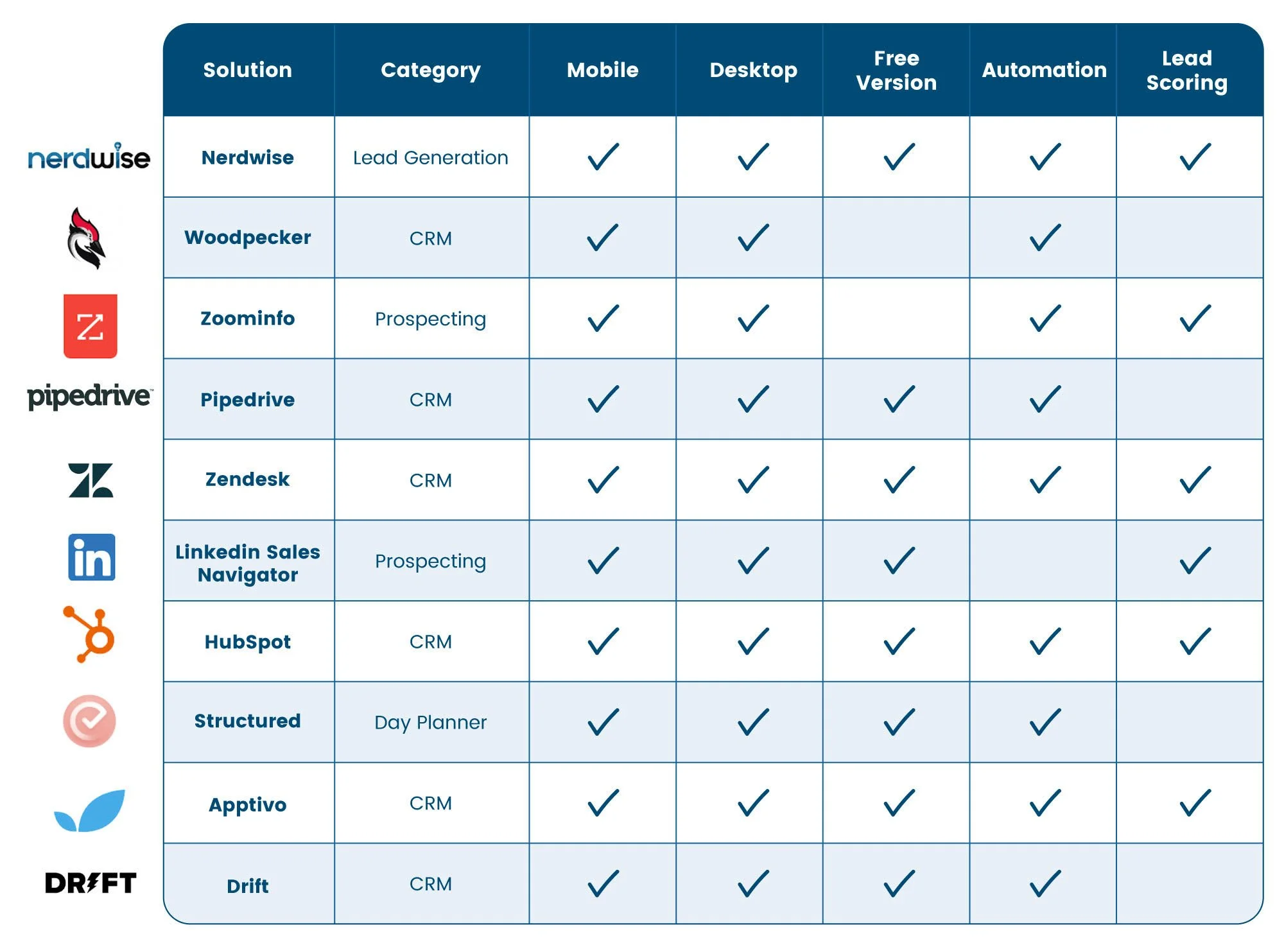
No tool exists in a vacuum, and SeamlessAI is often compared to platforms like ZoomInfo, Apollo, and Lusha. Each has strengths and trade-offs.
SeamlessAI stands out for its ease of use and real-time data emphasis. It’s often more accessible for smaller teams or individuals who don’t want enterprise-level complexity.
Some competitors offer deeper company insights or intent data, which can be valuable for advanced account-based strategies. However, those tools usually come with higher costs and steeper learning curves.
In practice, experienced teams sometimes combine tools. SeamlessAI handles contact discovery, while another platform supports analytics or intent tracking. The key is choosing based on workflow, not marketing promises.
Common Mistakes People Make with Seamless AI (And How to Avoid Them)
One of the most common mistakes is treating SeamlessAI as a magic bullet. Buying access and blasting emails rarely works. The tool amplifies your strategy—it doesn’t replace it.
Another mistake is ignoring compliance and best practices. Just because contact data is available doesn’t mean it should be used recklessly. Smart teams respect opt-outs, personalize outreach, and focus on relevance.
Over-reliance on automation is another trap. SeamlessAI saves time, but relationships still require human judgment. The best results come from blending data with thoughtful communication.
Finally, many users fail to review performance. Track response rates, bounce rates, and conversions. Use that feedback to refine filters and messaging. SeamlessAI becomes more powerful when paired with iteration.
Expert Tips for Getting the Most Out of Seamless AI
Veteran users treat SeamlessAI as part of a system, not a standalone tool. They align it with CRM workflows, outreach tools, and analytics dashboards.
They also revisit their filters regularly. Markets change, roles evolve, and what worked six months ago may not work today. Continuous refinement is what separates average users from high performers.
Most importantly, experts focus on conversations, not contacts. SeamlessAI opens doors, but value is created in what happens after the first message.
The Bigger Picture: Where Seamless AI Fits in a Sustainable Growth Strategy
SeamlessAI works best when it supports a clear go-to-market strategy. It’s ideal for outbound sales motions, targeted lead generation, and market research. It’s less effective as a standalone growth plan.
When combined with strong messaging, ethical outreach, and consistent follow-up, SeamlessAI can significantly reduce friction in the sales process. That’s its real value—not volume, but velocity with relevance.
Conclusion: Is Seamless AI Worth It?
SeamlessAI isn’t perfect, and it’s not for everyone. But for teams that understand their audience, respect their prospects, and want to move faster without cutting corners, it can be a powerful asset.
If you approach it with intention—clear targeting, thoughtful outreach, and ongoing optimization—it can help you reclaim time, improve conversations, and create more opportunities. Used carelessly, it becomes just another noisy tool.
The difference isn’t the software. It’s how you use it.
FAQs
What is Seamless AI used for?
Seamless AI is primarily used for finding verified B2B contact information and supporting outbound sales and lead generation efforts.
Is Seamless AI accurate?
Accuracy is generally high, especially compared to manual research, but smart users still validate critical contacts.
Is Seamless AI free?
Seamless AI offers limited free access, with paid plans unlocking more searches and features.
Who should use Seamless AI?
Sales reps, founders, agencies, recruiters, and marketers involved in B2B outreach benefit most.
Does Seamless AI replace a CRM?
No. Seamless AI complements CRMs by feeding them better contact data.

Adrian Cole is a technology researcher and AI content specialist with more than seven years of experience studying automation, machine learning models, and digital innovation. He has worked with multiple tech startups as a consultant, helping them adopt smarter tools and build data-driven systems. Adrian writes simple, clear, and practical explanations of complex tech topics so readers can easily understand the future of AI.