
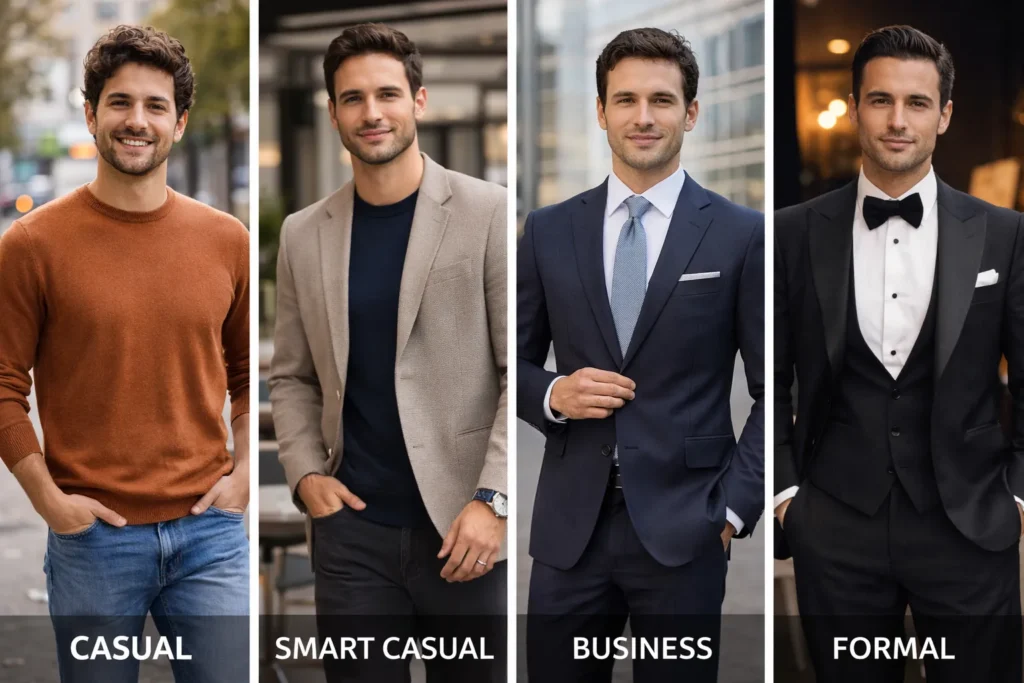
Navigating the world of style can feel complex, but having a strong rotation of men’s fashion outfit ideas makes getting dressed effortless and enjoyable. A well-put-together outfit does more than just help you look good; it boosts your confidence and makes a statement about who you are. Whether you’re dressing for a casual weekend, a crucial business meeting, or a special night out, understanding the key components of men’s style is the first step. This comprehensive guide will break down essential wardrobe staples and provide actionable outfit formulas for any situation, helping you master your personal style.
The Foundations of a Versatile Men’s Wardrobe
Before diving into specific outfits, it’s crucial to build a solid foundation. A capsule wardrobe consists of high-quality, interchangeable basics that can be mixed and matched to create numerous looks. Investing in these core pieces ensures you’re always prepared, regardless of the occasion.
Essential Tops: The Building Blocks
Your choice of shirt sets the tone for your entire outfit. A well-rounded collection should include a mix of casual and formal options.
- The Classic White T-Shirt: The undisputed champion of versatility. A crisp, well-fitting white tee can be dressed up under a blazer or dressed down with jeans. Look for quality cotton like Pima or Supima for superior softness and durability.
- Polo Shirts: A step up from a T-shirt, the polo offers a smart-casual vibe. It’s perfect for a weekend brunch, a casual Friday at the office, or a round of golf. Neutral colors like navy, gray, and black are excellent starting points.
- The Oxford Cloth Button-Down (OCBD): A true workhorse. The OCBD can be worn with chinos for a business casual look, with shorts in the summer, or layered under a sweater in the fall. White and light blue are must-haves.
- Knitwear (Sweaters & Cardigans): Crewneck and V-neck sweaters in merino wool or cashmere are essential for layering. A chunky knit cardigan can act as a stylish alternative to a light jacket.
Essential Bottoms: From Casual to Formal
The right pair of pants can anchor your look. Focus on fit and fabric to ensure both comfort and style.
- Dark-Wash Denim: A pair of well-fitting, dark indigo jeans is non-negotiable. They are incredibly versatile and can be adapted for smart-casual settings. Opt for a slim or straight fit without excessive distressing.
- Chinos: More formal than jeans but more relaxed than dress pants, chinos hit the sweet spot of smart casual. Khaki, navy, and olive are the most versatile colors.
- Dress Trousers (Slacks): For more formal or professional environments, you need a good pair of dress trousers. Charcoal gray, navy, and black are the foundational colors that will pair with almost any blazer or dress shirt.
- Shorts: For warmer weather, a couple of pairs of tailored shorts are essential. Look for chino-style shorts that hit just above the knee for a clean, modern silhouette.
Essential Outerwear: The Finishing Touch
A great jacket not only provides warmth but also completes your outfit.
- The Denim Jacket: A timeless piece of Americana that adds a rugged, casual edge to any look.
- The Bomber Jacket: Originally military-issue, the bomber jacket is now a modern style staple. It’s perfect for transitional weather.
- The Blazer/Sport Coat: A navy blazer is arguably the most versatile piece a man can own. It can be paired with anything from dress trousers to jeans.
- The Overcoat: For colder climates, a classic wool overcoat in camel, navy, or charcoal is a sophisticated and necessary investment.
Essential Footwear: Stepping Up Your Game
Shoes are often the most noticed part of an outfit. The right pair can elevate your entire look.
- White Leather Sneakers: Clean, minimalist leather sneakers can be worn with suits, shorts, and everything in between.
- Leather Loafers: Penny or tassel loafers offer a sophisticated yet comfortable option for smart-casual and business-casual dress codes.
- Brogues or Derby Shoes: A classic pair of brown or black leather lace-ups is essential for any formal or business setting.
- Boots: A sturdy pair of boots, like a Chukka or Chelsea boot, is perfect for fall and winter, adding a masculine touch to your outfits.
Men’s Fashion Outfit Ideas for Every Dress Code
With your foundational wardrobe in place, assembling stylish outfits becomes a simple matter of combining the right pieces. Here are some foolproof formulas for various common scenarios.
Casual & Weekend Outfits
Casual style prioritizes comfort without sacrificing style. It’s all about looking relaxed and put-together.
- The Elevated Classic:
- Formula: Dark-Wash Jeans + Classic White T-Shirt + Bomber Jacket + White Leather Sneakers.
- Why it works: This is a timeless combination that is effortlessly cool. The bomber jacket adds a modern edge, while the clean sneakers keep the look fresh.
- The Polished Summer Look:
- Formula: Tailored Chino Shorts + Polo Shirt + Leather Loafers.
- Why it works: This outfit is perfect for warm weather. The tailored shorts and polo create a smart silhouette, and the loafers add a touch of class that flip-flops simply can’t match.
- The Rugged Layered Style:
- Formula: Black Jeans + Graphic Tee or Henley + Open Flannel Shirt + Work Boots.
- Why it works: This look channels a rustic, masculine vibe. Layering the flannel over a tee adds visual interest and practicality for changing temperatures.
Smart Casual Outfits
Smart casual is one of the most common dress codes, but also one of the most ambiguous. The goal is to look professional and polished, but not overly formal.
- The Modern Go-To:
- Formula: Chinos + Oxford Cloth Button-Down (OCBD) Shirt + Unstructured Blazer + Suede Loafers or Brogues.
- Why it works: This is the quintessential smart-casual outfit. The blazer sharpens the look, while the chinos keep it from feeling stuffy. Leaving the top button of the OCBD undone strikes the perfect balance.
- The Sweater & Slacks Combo:
- Formula: Dress Trousers + Fine-Gauge Knit Sweater (e.g., merino wool) + Dress Shirt (collar showing) + Chelsea Boots.
- Why it works: This is a sophisticated alternative to a blazer. It’s comfortable, warm, and exudes an air of quiet confidence. It’s perfect for a creative office or a stylish dinner.
Business Casual & Professional Outfits
Business casual is a step up from smart casual, often required in corporate environments. The key is to maintain a professional appearance with a touch of personal flair.
- The No-Fail Office Look:
- Formula: Charcoal Gray Dress Trousers + Light Blue Dress Shirt + Navy Sport Coat + Brown Leather Derby Shoes.
- Why it works: This combination is a classic for a reason. The colors are professional and complementary, and the silhouette is sharp and authoritative without being as rigid as a full suit.
- The Separates Power Play:
- Formula: Navy Dress Trousers + White Dress Shirt + Gray Checkered Blazer + Black Leather Monk Strap Shoes.
- Why it works: Using separates (a blazer and trousers that aren’t from the same suit) allows for more personality. The patterned blazer adds a focal point, while the solid trousers and shirt keep the look grounded and professional.
Formal & Special Occasion Outfits
For events that require you to look your absolute best, such as weddings, galas, or important celebrations, a suit is typically in order.
- The Classic Business Suit:
- Formula: Navy or Charcoal Suit + Crisp White Dress Shirt + Silk Tie (e.g., burgundy or forest green) + Black Oxford Shoes.
- Why it works: This is the uniform for serious business and formal daytime events. Fit is everything here—ensure your suit is tailored perfectly to your body.
- The Cocktail Attire:
- Formula: Darker Suit (e.g., black or deep navy) + Dark Dress Shirt (e.g., charcoal gray, no tie) + Polished Black Loafers.
- Why it works: This “tieless suit” look is modern, sleek, and perfect for evening events. It’s formal yet approachable.
How to Accessorize Your Outfits
Accessories are the details that elevate an outfit from good to great. They provide an opportunity to inject personality into your look.
- Watches: A watch is the quintessential piece of men’s jewelry. A leather-strap dress watch is perfect for formal wear, while a metal-band diver or field watch works well for casual and smart-casual looks.
- Belts: Your belt should generally match the color and formality of your shoes. A brown leather belt with brown leather shoes is a classic rule to follow.
- Sunglasses: A classic pair of sunglasses, like aviators or wayfarers, adds an instant dose of cool while protecting your eyes.
- Socks: Don’t neglect your socks. For formal settings, your socks should match your trousers. In casual settings, feel free to use socks to add a pop of color or a fun pattern.
Conclusion
Developing a strong sense of personal style is a journey, not a destination. By building a versatile wardrobe of high-quality essentials and understanding how to combine them, you can create compelling men’s fashion outfit ideas for any situation. Use these formulas as a starting point, but don’t be afraid to experiment. Swap out a blazer for a cardigan, try a different color combination, or add a unique accessory. The most important thing is to wear your clothes with confidence. When you feel good in what you’re wearing, it shows.
Frequently Asked Questions (FAQs)
1. How do I find my personal style?
Start by identifying what you’re drawn to. Create a mood board on Pinterest with outfits you like. Identify common themes—are you drawn to minimalist, rugged, or classic looks? Then, start incorporating elements of that style into your wardrobe with one or two new pieces. Experiment and see what makes you feel most like yourself.
2. What is the most important rule of men’s fashion?
Fit is king. An inexpensive suit that is tailored to your body will always look better than an expensive designer suit that doesn’t fit properly. Pay attention to how clothes sit on your shoulders, the length of your sleeves and trousers, and the taper through your torso and legs.
3. How many suits does a man need?
For most men, two suits are sufficient: one in charcoal gray and one in navy blue. These two colors are incredibly versatile and appropriate for almost any formal occasion, from job interviews to weddings.
4. Can I wear sneakers with a suit?
Yes, but it must be done correctly. The suit should be a modern, slim-fit cut, and the sneakers must be clean, minimalist, and made of a premium material like leather. This is a fashion-forward look best reserved for creative environments or stylish social events, not a conservative corporate office.
5. How do I match my shoes and belt?
The traditional rule is to match the leather. Black shoes go with a black belt, and brown shoes go with a brown belt. For casual outfits with canvas belts or sneakers, this rule is much more flexible.

Sofia Bennett is a fashion writer and style observer known for her clean sense of aesthetics and trend analysis. She has covered fashion shows, reviewed designer collections, and interviewed independent creators. Sofia specializes in connecting fashion with real-life lifestyle choices, helping readers understand what looks good — and why.