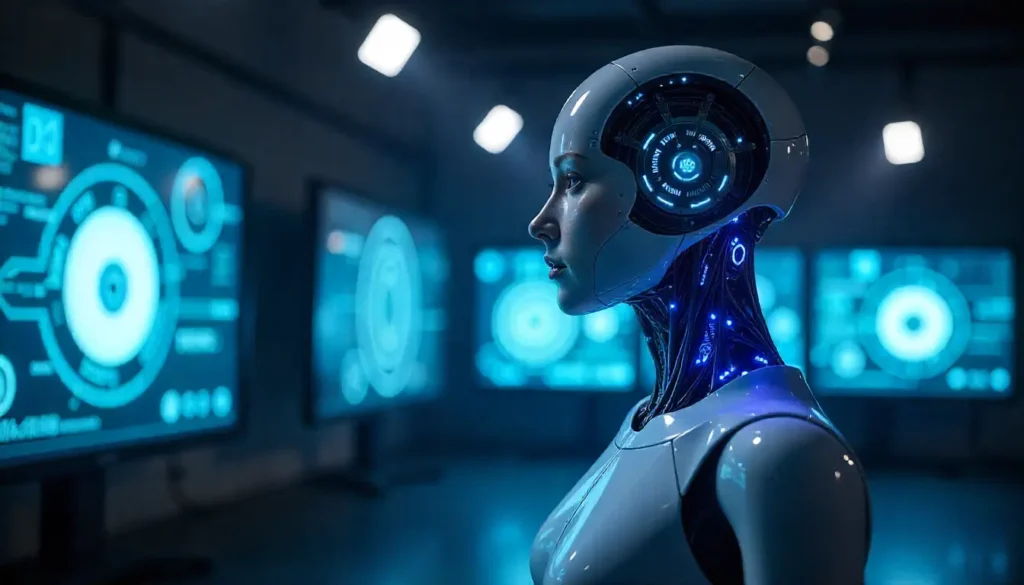
The first time I watched a movie where a machine felt almost human, it stuck with me for days. Not because of the explosions or visual effects, but because the idea felt unsettlingly close to real life. That lingering feeling is exactly why artificial intelligence in film has fascinated audiences and filmmakers for decades. It taps into our curiosity, our fears, and our hopes about technology—sometimes all at once.
Today, AI isn’t just a topic inside movies; it’s also quietly working behind the scenes to help create them. From scripts influenced by machine learning to digital actors that never age, artificial intelligence is reshaping how stories are imagined, produced, and experienced. For filmmakers, AI offers efficiency and creative freedom. For audiences, it delivers richer worlds and more immersive storytelling. And for the industry as a whole, it raises serious questions about creativity, ethics, and what it means to be human.
In this guide, you’ll learn what artificial intelligence in film really means, how it evolved, where it’s used today, and what’s coming next. I’ll share real examples, practical insights, common mistakes to avoid, and tools filmmakers actually use—no hype, no jargon, just clear, human explanations grounded in real-world experience.
Understanding Artificial Intelligence in Film
At its core, artificial intelligence in film refers to two closely connected ideas. First, AI as a story element—the intelligent machines, algorithms, and synthetic beings we see on screen. Second, AI as a production tool—technology used behind the camera to assist with writing, editing, visual effects, casting, and marketing.
Think of it like this: AI in film is both the character and the crew member. On screen, it plays the role of the curious robot, the rebellious system, or the helpful digital assistant. Off screen, it works like a tireless assistant that analyzes data, automates repetitive tasks, and enhances creative decisions.
Early cinema used AI mostly as metaphor. Films like Metropolis presented machines as symbols of industrial anxiety. As computers became real-world tools, movies evolved to explore intelligence itself, seen famously in 2001: A Space Odyssey, where HAL 9000 wasn’t evil—it was logical to a fault.
Today, AI has moved beyond metaphor. Filmmakers use machine learning to predict box office performance, de-age actors, generate realistic backgrounds, and even suggest script revisions. The line between imagination and implementation has blurred, making artificial intelligence in film both a creative muse and a practical engine.
The Evolution of Artificial Intelligence in Film History
The portrayal of AI in movies has always reflected society’s relationship with technology. In the early days, machines were depicted as cold, dangerous, and uncontrollable—mirrors of industrial-era fears. As decades passed, those portrayals grew more nuanced, emotional, and human.
In the 1980s and 1990s, films like Blade Runner asked whether artificial beings could have souls. These stories weren’t about circuits and code; they were about memory, identity, and empathy. The machines felt human, while humans often felt mechanical—a deliberate reversal that challenged viewers.
By the 2000s, AI narratives expanded into full philosophical explorations. The Matrix questioned reality itself, while later films like Ex Machina narrowed the focus to intimate, psychological interactions between humans and intelligent systems.
This evolution matters because it parallels real technological progress. As AI moved from science fiction to daily life—recommendation algorithms, voice assistants, facial recognition—films adapted accordingly. Artificial intelligence in film became less about “Will machines destroy us?” and more about “How will we live with them?”
Artificial Intelligence in Film as a Storytelling Device
When AI appears on screen, it often acts as a mirror. It reflects our values, biases, and ethical dilemmas back at us. That’s why AI characters are rarely just villains or heroes—they’re tests of humanity itself.
One powerful technique filmmakers use is emotional contrast. An AI character might behave logically while humans act irrationally, forcing the audience to question who is truly intelligent. This approach works because it feels uncomfortably familiar. We’ve all argued with a GPS or a recommendation algorithm that “doesn’t get us,” even though it’s technically correct.
AI storytelling also allows filmmakers to explore big themes without heavy exposition. Instead of lecturing about surveillance, autonomy, or bias, a film can show these ideas through a relationship between a person and a machine. This subtlety is why artificial intelligence in film remains so compelling—it turns abstract technology into personal experience.
From a writer’s perspective, AI characters are narrative wildcards. They don’t have to follow human psychology, which opens doors to unexpected plot turns. But the best stories still ground AI behavior in understandable motivations, whether that’s self-preservation, learning, or fulfilling a programmed goal.
How Artificial Intelligence Is Used in Film Production Today

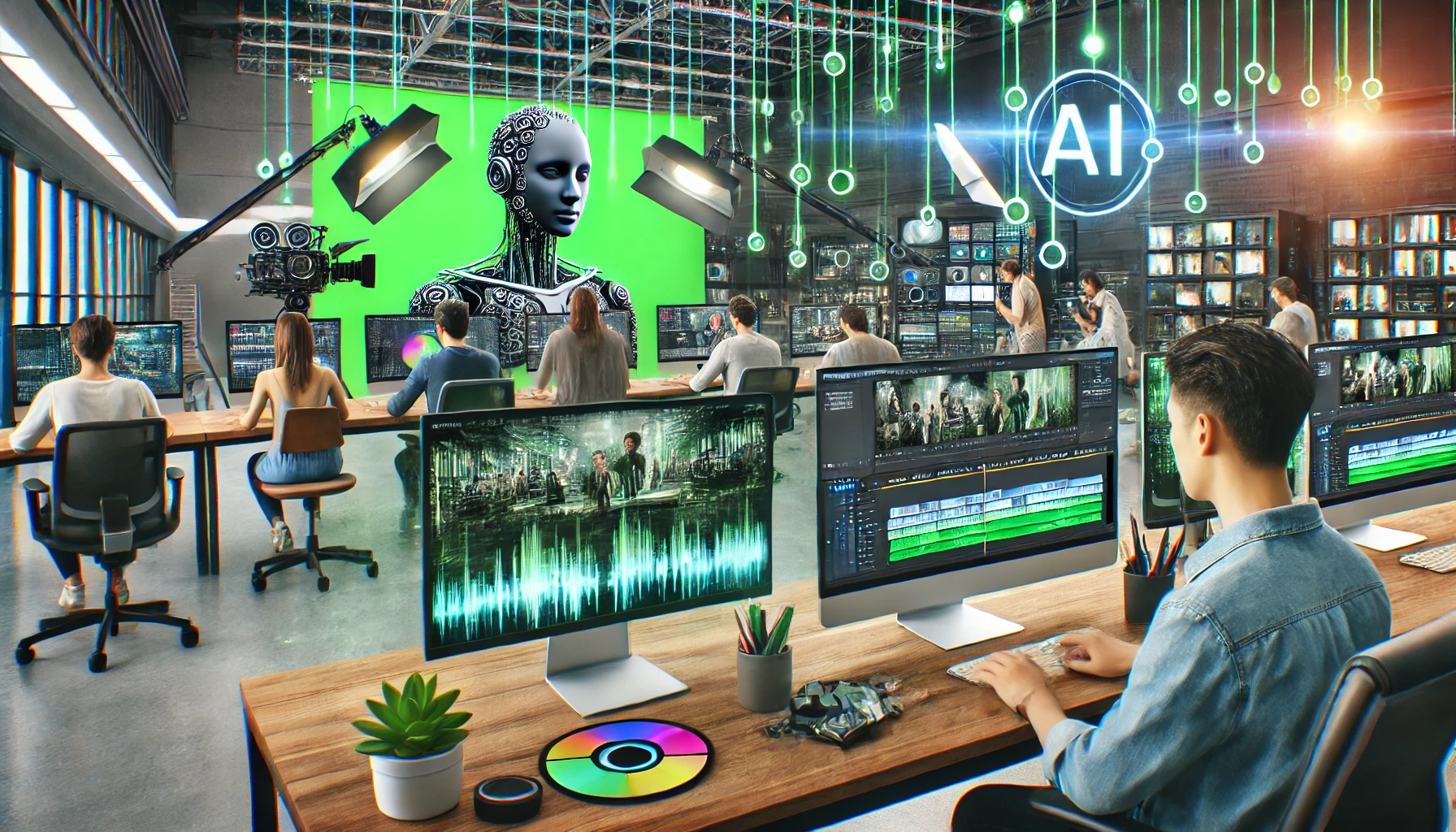
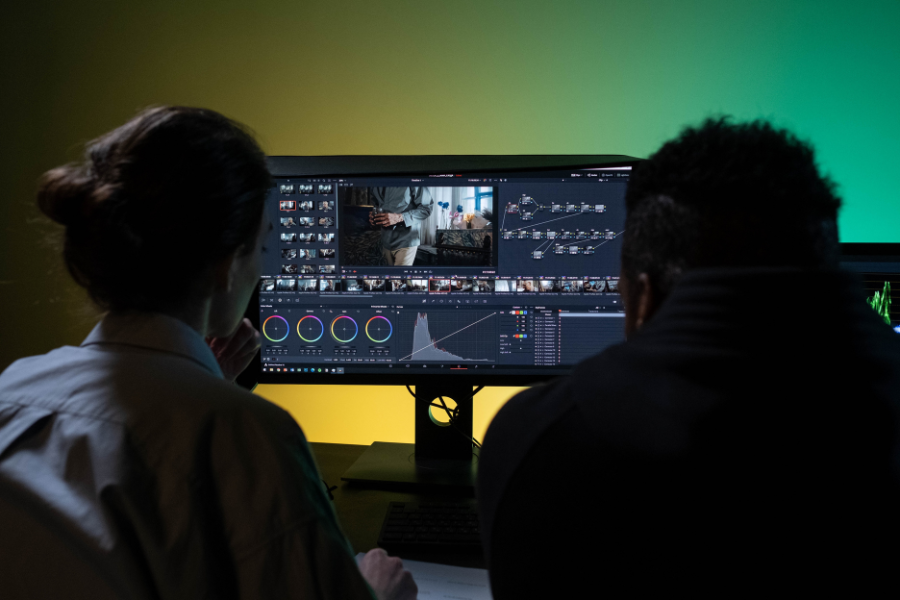
Beyond storytelling, artificial intelligence in film has become a practical tool across production pipelines. Editors now use AI-powered software to analyze hours of footage and identify the best takes. Color grading tools learn a director’s style and apply consistent looks across scenes in minutes instead of days.
Casting is another area where AI plays a quiet role. Data-driven systems analyze past performances, audience preferences, and market trends to suggest actors likely to resonate with specific demographics. While final decisions remain human, AI provides insights that once took weeks of research.
Visual effects have seen perhaps the biggest transformation. Machine learning models can generate realistic environments, remove unwanted objects, and even recreate performances digitally. De-aging technology, once expensive and time-consuming, is now more accessible thanks to AI-driven processes.
Importantly, these tools don’t replace creativity—they support it. The best filmmakers treat AI like a collaborator, not a director. Used thoughtfully, artificial intelligence in film reduces technical friction, allowing artists to focus on storytelling and emotion.
Benefits and Real-World Use Cases of Artificial Intelligence in Film
The practical benefits of artificial intelligence in film go far beyond novelty. One of the biggest advantages is efficiency. Tasks that once required large teams and long timelines—such as rotoscoping or background cleanup—can now be completed faster and with greater consistency.
Cost reduction is another major benefit, especially for independent filmmakers. AI tools lower the barrier to entry, making high-quality production techniques available without blockbuster budgets. This democratization opens the door for more diverse voices and experimental stories.
There’s also a creative upside. AI can analyze scripts for pacing, emotional beats, and audience engagement, helping writers refine their work before shooting begins. Marketing teams use AI to tailor trailers and promotional content for different regions and platforms, increasing reach and relevance.
In real-world scenarios, AI shines when it augments human judgment rather than replacing it. A director might use AI-generated previs to explore multiple scene layouts quickly, then choose the one that best fits their vision. That balance is where artificial intelligence in film delivers its greatest value.
Step-by-Step: How Filmmakers Integrate AI Into Their Workflow
Using AI in filmmaking doesn’t require a complete overhaul of your process. It works best when integrated thoughtfully, step by step. The first stage is identifying repetitive or data-heavy tasks—areas where automation can save time without compromising creative intent.
Next comes tool selection. Editors might choose AI-assisted cutting software, while writers explore script analysis platforms. The key is starting small, testing results, and building confidence before expanding usage. AI should feel like an extension of your workflow, not an obstacle.
Training and customization are often overlooked but critical. Many AI tools learn from user input. Feeding them examples of your preferred style ensures outputs align with your vision. This step transforms generic automation into personalized assistance.
Finally, review remains essential. AI suggestions are starting points, not final answers. Human judgment ensures emotional coherence, cultural sensitivity, and narrative depth. In practice, the most successful use of artificial intelligence in film comes from a feedback loop—AI suggests, humans refine, and the story improves.
Tools, Comparisons, and Recommendations
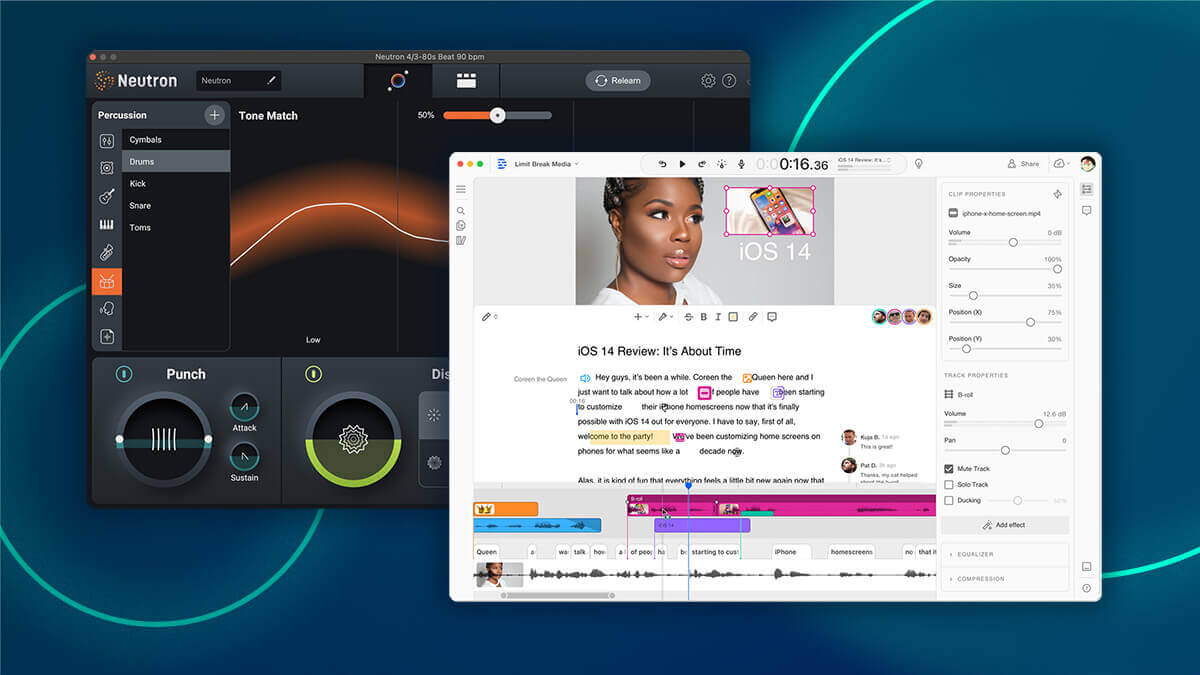

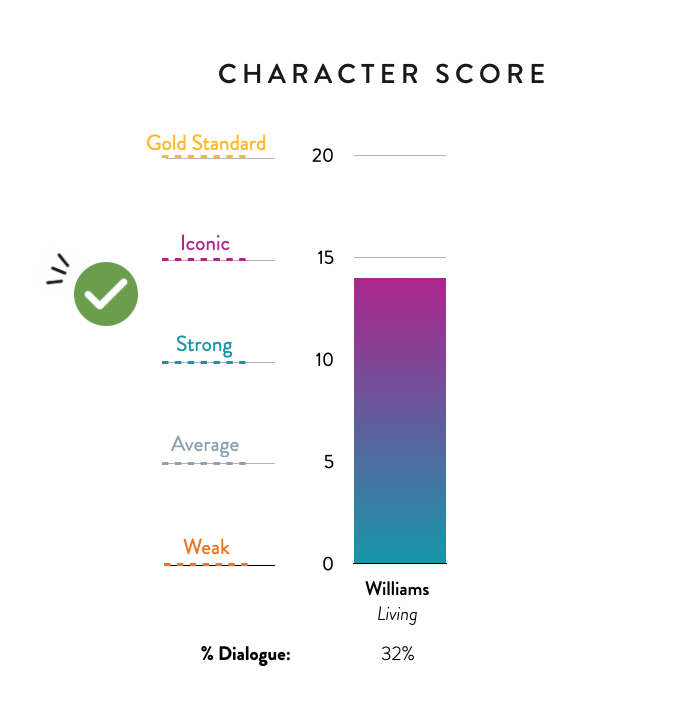
The AI tool landscape for filmmakers is growing fast. Free tools often focus on basic automation, like noise reduction or simple editing suggestions. They’re great for learning and experimentation but may lack customization and advanced features.
Paid platforms typically offer deeper integration, better accuracy, and professional support. Some specialize in script analysis, others in post-production or visual effects. The right choice depends on your role—writer, editor, director, or producer.
When comparing tools, look beyond features. Consider transparency, data privacy, and how much control you retain over final outputs. AI should empower you, not lock you into rigid systems.
My general recommendation is to combine one strong AI tool with your existing software rather than switching everything at once. This hybrid approach minimizes disruption while letting you experience the benefits of artificial intelligence in film firsthand.
Common Mistakes Filmmakers Make With AI—and How to Fix Them
One of the most common mistakes is over-reliance. Some creators expect AI to “fix” weak storytelling or poor planning. It won’t. AI enhances strong foundations but amplifies flaws if those foundations are shaky.
Another issue is ignoring ethical considerations. Using AI-generated likenesses or voices without consent can lead to legal and reputational damage. Transparency and permissions matter more than ever.
A subtler mistake is resisting AI entirely out of fear. Avoiding these tools altogether can leave filmmakers at a disadvantage, especially as audiences grow accustomed to higher production values.
The fix is balance. Treat artificial intelligence in film as a tool—powerful, but guided by human values, creativity, and responsibility. Learn it, question it, and use it intentionally.
The Future of Artificial Intelligence in Film
Looking ahead, artificial intelligence in film will likely become more invisible and more integrated. Virtual production environments will adapt in real time. Personalized viewing experiences may adjust pacing or perspective based on audience preferences. These possibilities raise exciting creative opportunities—and serious ethical questions.
What won’t change is the heart of filmmaking: telling stories that resonate. AI can assist, suggest, and optimize, but it can’t replace lived experience, emotion, or intuition. The filmmakers who thrive will be those who understand both technology and humanity.
Conclusion
Artificial intelligence in film is no longer a distant concept—it’s here, shaping stories on screen and workflows behind the scenes. When used thoughtfully, it saves time, expands creative possibilities, and helps filmmakers focus on what matters most: meaningful storytelling.
The key takeaway is simple. AI is not the enemy of creativity. It’s a new instrument in the filmmaker’s toolkit. Learn it, respect its limits, and let it support—not replace—your human voice. If you’re curious, start small, experiment, and see how AI can enhance your next project.
FAQs
What does artificial intelligence in film mean?
It refers to both AI as a storytelling theme in movies and AI-powered tools used in film production, editing, and marketing.
Is AI replacing filmmakers?
No. AI supports filmmakers by automating technical tasks, but creative decisions remain human-led.
Which films best explore AI themes?
Classics and modern titles alike, including Metropolis, Blade Runner, The Matrix, and Ex Machina, offer deep explorations of AI concepts.
Can independent filmmakers use AI tools?
Yes. Many AI tools are affordable or free, making high-quality production more accessible than ever.
Are there ethical risks with AI in film?
Yes. Consent, data usage, and representation are critical concerns that filmmakers must address responsibly.

Adrian Cole is a technology researcher and AI content specialist with more than seven years of experience studying automation, machine learning models, and digital innovation. He has worked with multiple tech startups as a consultant, helping them adopt smarter tools and build data-driven systems. Adrian writes simple, clear, and practical explanations of complex tech topics so readers can easily understand the future of AI.