

If you’ve ever watched a video freeze at the worst possible moment, stared at a spinning loading wheel during a deadline, or wondered why your blazing-fast internet suddenly feels like dial-up, you’ve experienced internetchocks. The term “internetchocks” describes those frustrating moments when your internet connection gets constricted—choked—by congestion, misconfiguration, or competing demands. And in a world where work, entertainment, and communication depend on connectivity, internetchocks aren’t just annoying; they’re costly.
In this guide, I’m going to unpack internetchocks from the ground up. We’ll explore what they really are (in plain English), why they happen even on “fast” plans, how they affect different users, and—most importantly—how to fix and prevent them step by step. I’ll also share tools, comparisons, common mistakes, and practical recommendations based on real-world experience.
Whether you’re a remote worker, gamer, streamer, business owner, or just someone who wants the internet to work when you need it, this deep dive into internetchocks will give you clarity and control.
Understanding Internetchocks: A Beginner-Friendly Breakdown
Internetchocks are best understood with a simple analogy. Imagine your internet connection as a highway. When traffic is light, cars move smoothly at full speed. But when everyone hits the road at the same time—rush hour—the highway clogs. Cars slow down, stop, and inch forward. That congestion is the digital equivalent of internetchocks.
Technically speaking, internetchocks occur when data packets can’t move efficiently between your device and the internet. This “choking” can happen at several points: inside your home network, at your router, with your internet service provider (ISP), or even farther upstream at major network exchange points. The result is the same—lag, buffering, dropped connections, and inconsistent speeds.
What makes internetchocks tricky is that they’re not always obvious. You might pay for high-speed internet and still experience them. You might pass a speed test yet struggle on video calls. That’s because internetchocks aren’t just about raw speed; they’re about flow, timing, and prioritization of data.
Common symptoms of internetchocks include:
- Video calls freezing or dropping
- Online games lagging despite low ping at times
- Downloads slowing dramatically during peak hours
- Websites loading inconsistently
- Smart devices disconnecting randomly
Once you see internetchocks as a flow problem rather than just a speed problem, the solutions start to make much more sense.
Why Internetchocks Matter More Than Ever
Ten years ago, internetchocks were mostly an inconvenience. Today, they can derail your workday, kill productivity, and even cost real money. Our internet usage has fundamentally changed.
Modern households often run:
- Multiple video streams at once
- Cloud backups syncing continuously
- Smart home devices constantly communicating
- Video meetings, VoIP calls, and collaboration tools
- Online gaming or live streaming
Each of these activities competes for bandwidth and low latency. When too many demands hit the network simultaneously, internetchocks appear. For remote workers, that can mean missed cues on a call. For gamers, it means lost matches. For businesses, it can mean unhappy customers.
Internetchocks also create a psychological toll. Few things are more frustrating than technology failing you when you’re doing everything “right.” Understanding and addressing internetchocks isn’t just about faster internet—it’s about peace of mind and reliability.
The Hidden Causes of Internetchocks Most People Miss
Many people assume internetchocks only come from slow ISPs. In reality, the causes are often closer to home and more nuanced.
One major cause is local network congestion. If several devices are uploading or downloading large files at the same time, your router may struggle to manage the traffic. Older routers are especially prone to this, as they lack modern traffic management features.
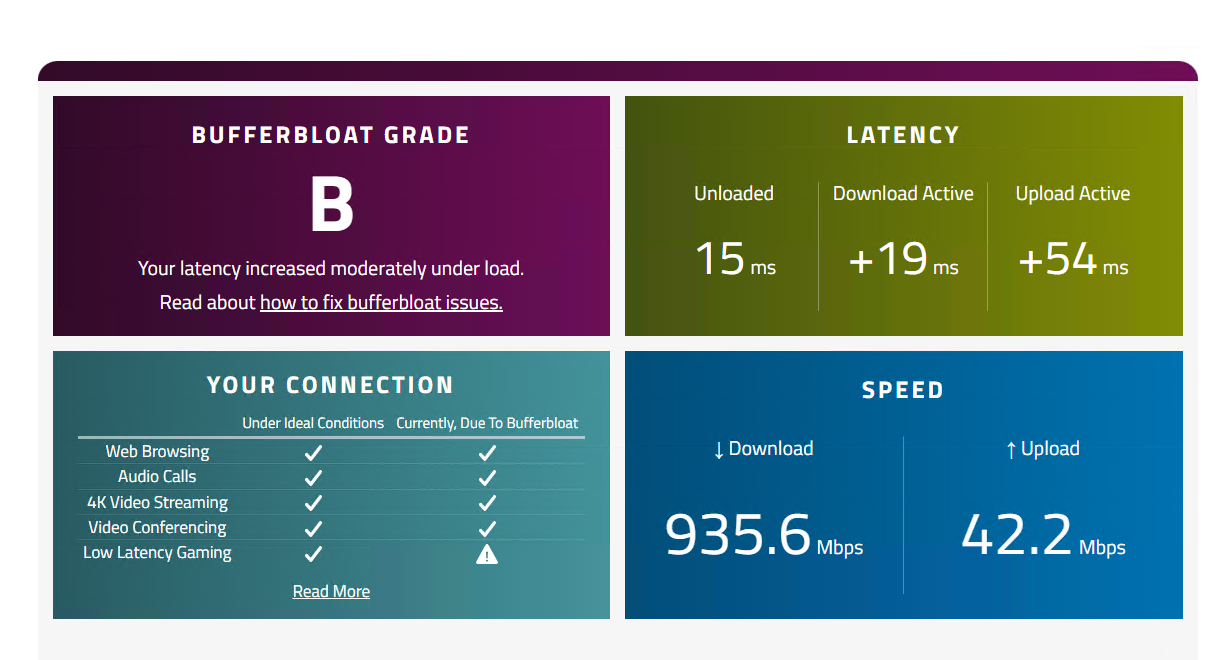
Another common culprit is bufferbloat. This happens when network devices try to queue too much data instead of sending it efficiently. The result is high latency under load—your internet feels fine until someone starts a big download, and suddenly everything else chokes.
Wi-Fi interference also plays a big role. Walls, neighboring networks, and even household appliances can disrupt wireless signals, creating micro-internetchocks that come and go unpredictably.
Finally, ISP-level congestion can’t be ignored. During peak hours, many users share the same infrastructure. Even with a fast plan, your connection can choke if too many neighbors are online at once.
Understanding these layers—device, router, Wi-Fi, and ISP—helps you diagnose internetchocks accurately instead of guessing.
Benefits of Solving Internetchocks (And Who Needs This Most)
Eliminating internetchocks delivers benefits that go far beyond “faster internet.” The real payoff is consistency and reliability.
For remote workers, fewer internetchocks mean:
- Stable video calls without awkward freezes
- Faster cloud file access
- Less stress during presentations or meetings
For gamers and streamers:
- Lower latency and smoother gameplay
- Consistent upload speeds for live streams
- Fewer rage-inducing disconnects
For families and shared households:
- Multiple users can coexist online peacefully
- Streaming doesn’t kill someone else’s work session
- Smart home devices behave reliably
Internetchocks disproportionately affect households with many connected devices and anyone who relies on real-time applications. If your work or hobbies depend on the internet behaving predictably, solving internetchocks is one of the highest ROI improvements you can make.
Step-by-Step Guide to Fixing Internetchocks at the Source


4
Step 1: Diagnose the Problem Properly
Before changing anything, you need to identify where internetchocks are happening. Start by observing patterns. Do problems occur only during peak hours? Only when someone is downloading? Only on Wi-Fi?
Run a speed test during a quiet period and again when the network feels choked. Pay attention not just to download speed, but to latency and upload performance. Tools that measure bufferbloat are especially revealing.
This diagnostic phase prevents random fixes and helps you target the real bottleneck.
Step 2: Optimize Your Router Settings
Your router is the traffic cop of your network. If it’s misconfigured—or outdated—it can easily create internetchocks.
Look for Quality of Service (QoS) or Smart Queue Management (SQM) settings. These features prioritize time-sensitive traffic like video calls and gaming over bulk downloads. When configured correctly, they dramatically reduce choking under load.
If your router doesn’t support these features well, it may be time for an upgrade. Modern routers handle congestion far better than older models.
Step 3: Reduce Wi-Fi Interference
Switching Wi-Fi channels, moving your router to a central location, or upgrading to dual-band or tri-band Wi-Fi can significantly reduce internetchocks caused by interference.
Whenever possible, use wired Ethernet connections for stationary devices. Even one or two critical devices moved off Wi-Fi can relieve congestion for everything else.
Step 4: Manage Bandwidth-Hungry Devices
Cloud backups, file sync tools, and streaming services often run quietly in the background. Schedule heavy uploads or downloads during off-peak hours, or limit their bandwidth through router settings.
This step alone often eliminates the worst internetchocks without any new hardware.
Tools, Comparisons, and Recommendations
When it comes to managing internetchocks, tools matter. Free tools can diagnose issues, while paid solutions often provide long-term control.
Free diagnostic tools are excellent for identifying bufferbloat, latency spikes, and congestion patterns. They help you understand what’s happening without spending a dime.
Paid routers and mesh systems, on the other hand, offer advanced traffic management, better Wi-Fi coverage, and automated optimizations. The trade-off is cost versus convenience and performance.
In my experience, upgrading a weak router delivers a bigger improvement than upgrading an already-fast internet plan. A well-managed connection at moderate speeds often feels better than a fast but chaotic one.
If you’re budget-conscious, start with configuration changes and diagnostics. If internetchocks persist, invest in hardware designed to handle modern network loads.
Common Internetchocks Mistakes and How to Fix Them
One of the most common mistakes is chasing speed instead of stability. People upgrade their internet plan repeatedly, hoping internetchocks will disappear, only to find the problem unchanged.
Another mistake is ignoring upload speeds. Many modern applications rely heavily on uploads, and when those saturate, everything chokes.
Using outdated hardware is another silent killer. Routers age faster than people realize, especially under today’s demands.
Finally, many users assume Wi-Fi issues are unavoidable. In reality, thoughtful placement, configuration, and selective wiring solve most wireless internetchocks.
The fix is simple but deliberate: diagnose first, optimize second, upgrade last.
Long-Term Strategies to Prevent Internetchocks
Preventing internetchocks is about building resilience into your network. That means planning for peak usage, not average usage.
Invest in equipment with headroom. Use routers that can handle more devices than you currently have. Keep firmware updated. Periodically reassess your network as your household or business grows.
Think of your internet like plumbing. You don’t just want enough water pressure for one tap—you want all taps working at once without sputtering.
Conclusion: Turning Internetchocks into a Thing of the Past
Internetchocks are frustrating, but they’re not mysterious or unavoidable. They’re the predictable result of congestion, mismanagement, and outdated assumptions about how the internet is used today.
By understanding what internetchocks are, why they happen, and how to address them step by step, you can transform your internet experience from unreliable to rock-solid. The payoff isn’t just speed—it’s confidence. Confidence that your connection will hold up when it matters most.
If you’ve ever felt powerless in the face of internet problems, consider this your reset. Diagnose, optimize, and take control. And if you’ve had your own battles with internetchocks, share your experience—chances are, someone else is dealing with the same thing right now.
FAQs
What exactly are internetchocks?
Internetchocks refer to internet slowdowns caused by congestion, poor traffic management, or network bottlenecks that restrict data flow.
Can internetchocks happen even with fast internet?
Yes. High speed doesn’t prevent internetchocks if latency, upload saturation, or router limitations are present.
Are internetchocks more common on Wi-Fi?
They’re often more noticeable on Wi-Fi due to interference and shared airtime, but wired networks can experience them too.
Do internetchocks affect gaming more than streaming?
Gaming is more sensitive to latency, while streaming is more sensitive to sustained bandwidth. Both can suffer, but in different ways.
Is upgrading my router worth it to fix internetchocks?
In many cases, yes. A modern router with good traffic management can dramatically reduce internetchocks

Michael Grant is a business writer with professional experience in small-business consulting and online entrepreneurship. Over the past decade, he has helped brands improve their digital strategy, customer engagement, and revenue planning. Michael simplifies business concepts and gives readers practical insights they can use immediately.