

A few years ago, a close family friend of mine was diagnosed with a heart condition that, not long ago, would have required invasive surgery, weeks in the hospital, and months of recovery. Instead, doctors repaired the problem using a minimally invasive, image-guided procedure. He walked the same day and was back to normal life in a matter of weeks. That moment made something very clear to me: medical technology innovations are no longer abstract ideas or distant promises—they are actively reshaping how we experience healthcare today.
Medical technology innovations matter because they sit at the intersection of human life and scientific progress. They determine how early diseases are detected, how precisely doctors can operate, how quickly patients recover, and how accessible care becomes for people living far from major hospitals. From AI-powered diagnostics and robotic surgery to wearable health trackers and telemedicine platforms, innovation is redefining what is possible in modern medicine.
In this in-depth guide, we’ll explore what medical technology innovations really mean, how they work in real-world settings, who benefits the most, and how healthcare providers and organizations can thoughtfully adopt them. Drawing from real examples, practical insights, and hands-on observations, this article is designed to give you a clear, human understanding of where healthcare is heading—and why it matters to all of us.
Medical Technology Innovations Explained: What They Really Mean in Everyday Healthcare
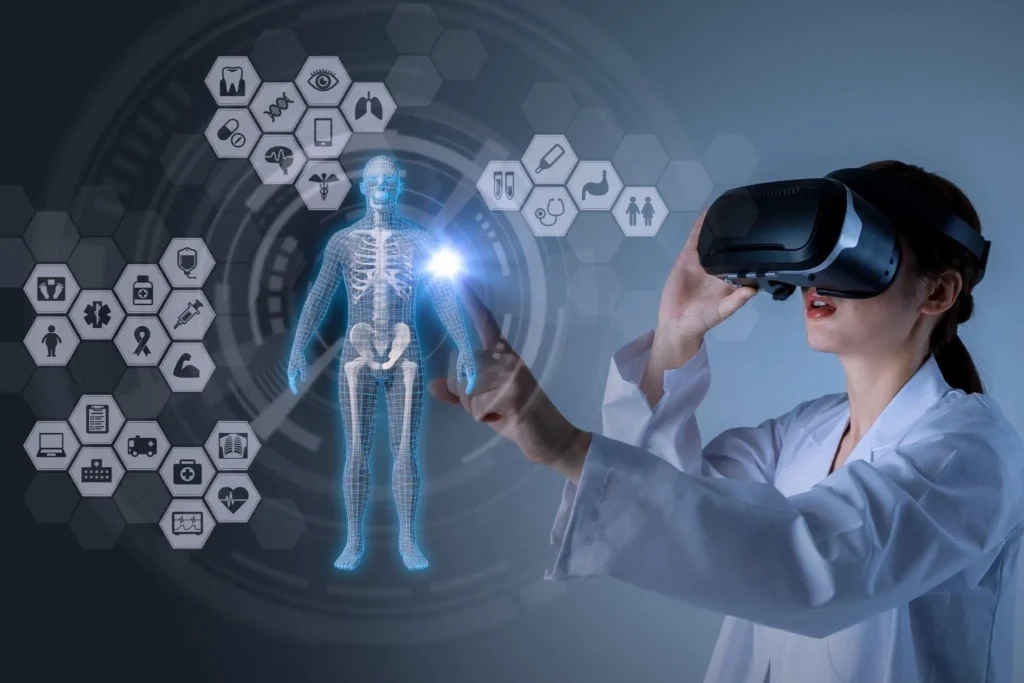
When people hear the phrase medical technology innovations, they often imagine futuristic robots or sci-fi-style machines. In reality, the concept is much broader and more practical. Medical technology innovations refer to new or improved tools, systems, software, devices, and techniques that enhance the prevention, diagnosis, treatment, and management of health conditions.
Think of healthcare like a toolbox. For decades, doctors relied on physical exams, basic imaging, and standardized treatments. Innovation adds smarter tools to that box—tools that can see deeper, analyze faster, and personalize care more accurately. For example, AI-assisted imaging doesn’t replace radiologists; it acts like a second set of highly trained eyes, flagging subtle patterns that might otherwise be missed.
Another way to understand this is to compare healthcare to navigation. In the past, doctors worked with paper maps and intuition. Today, medical technology innovations provide GPS-level guidance: real-time patient data, predictive analytics, and decision-support systems that help clinicians choose the safest and most effective route.
These innovations span multiple categories, including diagnostic technologies, therapeutic devices, digital health platforms, biotechnology, and data-driven systems. Regulatory bodies like the U.S. Food and Drug Administration play a crucial role in ensuring that new technologies are safe and effective before reaching patients.
At their core, medical technology innovations aim to make healthcare more accurate, more efficient, and more human—by freeing clinicians to focus on care rather than paperwork or guesswork.
Benefits and Use Cases of Medical Technology Innovations in the Real World
The true value of medical technology innovations becomes clear when you see how they are applied in everyday healthcare settings. One of the biggest benefits is earlier and more accurate diagnosis. Advanced imaging systems, AI-driven pathology tools, and genetic testing platforms can detect diseases at stages when treatment is simpler and outcomes are significantly better.
Another major advantage is personalized treatment. Instead of a one-size-fits-all approach, modern medical technologies analyze patient-specific data—genetics, lifestyle, and medical history—to tailor therapies. Cancer treatment is a prime example, where targeted therapies and precision medicine have improved survival rates while reducing side effects.
Hospitals and clinics also benefit operationally. Automation, smart scheduling systems, and digital records reduce administrative burden, allowing healthcare professionals to spend more time with patients. Organizations like Mayo Clinic have demonstrated how integrating advanced medical technologies can improve both patient outcomes and institutional efficiency.
For patients, accessibility is another game-changer. Telemedicine platforms bring care to rural or underserved areas, while wearable devices empower individuals to monitor chronic conditions like diabetes or heart disease from home. In emergency settings, connected ambulances and real-time data sharing can literally save lives by preparing hospitals before patients even arrive.
In short, medical technology innovations don’t just improve care—they reshape the entire healthcare experience for patients, providers, and systems alike.
Step-by-Step Guide to Adopting Medical Technology Innovations in Healthcare Settings
Implementing medical technology innovations isn’t about buying the newest gadget and hoping for the best. Successful adoption follows a thoughtful, step-by-step process rooted in real-world needs.
The first step is identifying a clear problem. Technology should solve a specific challenge—whether it’s reducing diagnostic errors, improving patient follow-up, or streamlining workflows. Without a defined goal, even the most advanced tool can become an expensive distraction.
Next comes evaluation and validation. Healthcare leaders must assess clinical evidence, regulatory approval, and real-world performance. Peer-reviewed studies, pilot programs, and vendor transparency are essential here. Collaboration with clinicians is critical; technology adoption works best when doctors and nurses are involved early.
The third step is integration with existing systems. New tools must work seamlessly with electronic health records, imaging systems, and clinical workflows. Poor integration is one of the most common reasons innovations fail to deliver promised results.
Training and change management follow. Even intuitive technologies require proper onboarding. Staff need time to build confidence and trust in new systems. Finally, organizations should establish continuous monitoring and improvement, using performance metrics and feedback to refine usage over time.
This structured approach ensures that medical technology innovations enhance care rather than complicate it.
Tools, Comparisons, and Recommendations in Medical Technology Innovations
The ecosystem of medical technology innovations includes a wide range of tools, from free digital platforms to enterprise-level systems costing millions. Understanding the differences is essential for making informed decisions.
On the digital health side, free or low-cost tools often include basic telemedicine platforms or patient engagement apps. These are useful for small practices or pilot programs but may lack advanced analytics, security features, or scalability. Paid solutions, by contrast, offer deeper integration, AI capabilities, and regulatory compliance support.
AI-powered diagnostic platforms, such as those developed by IBM Watson Health, demonstrate how paid solutions can analyze vast datasets to support clinical decision-making. However, they also require significant investment in data quality and infrastructure.
Medical devices follow a similar pattern. Entry-level monitoring devices may suffice for general wellness, while FDA-approved clinical devices are necessary for diagnosis and treatment. The key is matching the tool to the use case, budget, and patient population.
No single tool is “best” universally. The best choice is the one that aligns with clinical goals, integrates smoothly, and delivers measurable improvements in care.
Common Mistakes in Medical Technology Innovations—and How to Fix Them
One of the most frequent mistakes organizations make is adopting technology for novelty rather than necessity. Shiny new tools can be appealing, but without a clear clinical purpose, they often go underused. The fix is simple: start with patient and provider needs, not marketing hype.
Another common error is underestimating training requirements. Even experienced clinicians need time to adapt to new workflows. Skipping proper training leads to frustration and resistance. Investing in education and ongoing support makes a measurable difference.
Data privacy and security are also frequent pain points. Healthcare data is highly sensitive, and failing to prioritize cybersecurity can have serious consequences. Compliance with standards and regular audits are non-negotiable.
Finally, many organizations neglect post-implementation evaluation. Without tracking outcomes, it’s impossible to know whether an innovation is truly effective. Continuous measurement and adjustment turn technology adoption into long-term success.
The Future Outlook of Medical Technology Innovations
Looking ahead, medical technology innovations will continue to move toward predictive, preventive, and personalized care. Advances in AI, genomics, and connected devices will allow healthcare systems to anticipate health issues before symptoms appear. Remote monitoring and virtual care will become standard, not exceptional.
Collaboration between technology companies, healthcare providers, and regulators will shape how quickly these innovations reach patients. The challenge will be balancing speed with safety, innovation with ethics, and efficiency with compassion.
What remains constant is the human goal at the center of all this progress: helping people live healthier, longer, and more fulfilling lives.
Conclusion
Medical technology innovations are not about replacing doctors or turning healthcare into a machine-driven process. They are about augmenting human expertise, reducing uncertainty, and expanding access to high-quality care. When thoughtfully adopted, these innovations improve outcomes, empower patients, and support clinicians in doing what they do best—caring for people.
If you’re a healthcare professional, administrator, or simply someone curious about the future of medicine, now is the time to engage with these technologies, ask smart questions, and stay informed. The future of healthcare is already here, and it’s being shaped one innovation at a time.
FAQs
What are medical technology innovations?
They are new or improved tools, systems, and techniques that enhance healthcare delivery, diagnosis, treatment, and patient management.
How do medical technology innovations benefit patients?
They enable earlier diagnosis, personalized treatments, faster recovery, and improved access to care through digital platforms.
Are medical technology innovations safe?
Most are rigorously tested and regulated by authorities like the FDA before clinical use.
Do these innovations replace doctors?
No. They support clinicians by providing better data and tools, not replacing human judgment.
What role does AI play in medical technology innovations?
AI helps analyze complex data, improve diagnostics, and support clinical decision-making.

Adrian Cole is a technology researcher and AI content specialist with more than seven years of experience studying automation, machine learning models, and digital innovation. He has worked with multiple tech startups as a consultant, helping them adopt smarter tools and build data-driven systems. Adrian writes simple, clear, and practical explanations of complex tech topics so readers can easily understand the future of AI.