

If you’ve ever opened a dense research paper with genuine intent—only to close it ten minutes later feeling overwhelmed—you’re not alone. I’ve been there more times than I can count. Long abstracts packed with jargon, equations without context, references that send you down endless rabbit holes. Multiply that experience by hundreds of papers a year, and you start to see the real problem.
This is exactly why paper explainer AI has gone from a “nice-to-have” tool to something researchers, students, analysts, founders, and content professionals rely on daily.
We’re living in an era where knowledge production is exploding. Tens of thousands of academic papers are published every single day across medicine, AI, economics, engineering, social sciences, and beyond. The bottleneck is no longer access—it’s comprehension. Knowing what matters, why it matters, and how to use it in the real world is where most people struggle.
Paper explainer AI solves that gap.
This guide is written for people who actually deal with research in the real world—not just academics chasing citations. If you’re a student trying to survive literature reviews, a founder validating ideas, a marketer mining studies for insights, or a professional who simply needs to understand complex papers quickly, this article is for you.
By the end, you’ll know:
- What paper explainer AI really is (beyond marketing buzzwords)
- How it works under the hood—without technical fluff
- Where it shines, where it fails, and how to use it responsibly
- Which tools actually deliver value in practice
- How to integrate it into real workflows without losing accuracy or credibility
This isn’t theory. It’s field-tested, experience-driven insight.
What Is Paper Explainer AI? (From Beginner to Expert Understanding)
At its core, paper explainer AI is an artificial intelligence system designed to read, interpret, and explain academic or technical papers in clear, human-friendly language.
But that definition barely scratches the surface.
Think of it like this: a traditional PDF reader shows you text. A paper explainer AI gives you understanding. It doesn’t just summarize—it interprets intent, structure, and relevance.
A Simple Analogy That Actually Works
Imagine you’re watching a foreign-language documentary:
- A basic translation tool gives you subtitles word-for-word.
- A paper explainer AI is like a knowledgeable guide sitting next to you, pausing the video and saying, “Here’s what this part really means—and why it matters.”
That difference is huge.
What Paper Explainer AI Typically Does
A well-built paper explainer AI can:
- Break down abstracts into plain English
- Explain methods, results, and conclusions step-by-step
- Translate equations and models into conceptual explanations
- Identify key contributions and limitations
- Answer questions about specific sections of a paper
- Compare findings with prior research
Unlike generic summarization tools, these systems are trained (or fine-tuned) to understand academic structure: hypotheses, methodologies, datasets, statistical significance, and citations.
Beginner → Advanced Understanding
For beginners, paper explainer AI acts like a patient tutor:
- “What is this paper about?”
- “Why did the authors do this study?”
- “What did they find?”
For advanced users, it becomes a research assistant:
- “How does this method differ from X?”
- “What assumptions does this model rely on?”
- “What are the weaknesses in their experimental design?”
That flexibility is what makes paper explainer AI so powerful across skill levels.
Why Paper Explainer AI Is Exploding Right Now
The rise of paper explainer AI didn’t happen in a vacuum. It’s a response to several converging pressures.
1. Research Volume Is Outpacing Human Capacity
No professional—no matter how smart or disciplined—can read everything in their field anymore. Even staying aware of new developments is difficult.
Paper explainer AI doesn’t replace deep reading. It filters signal from noise so your time is spent where it actually matters.
2. Research Is Crossing Disciplines
AI papers now influence healthcare. Economics papers shape policy tech. Psychology informs product design. Most people don’t have formal training across all these domains.
Paper explainer AI acts as a bridge, translating specialized language into accessible insight without requiring years of background study.
3. Speed Is a Competitive Advantage
Whether you’re writing content, building products, or making investment decisions, speed matters. Understanding a paper in 15 minutes instead of two hours compounds over time.
4. Accessibility and Equity
Historically, academic comprehension favored those with elite education or mentorship. Paper explainer AI lowers that barrier, making advanced knowledge usable for more people worldwide.
Benefits and Real-World Use Cases of Paper Explainer AI



Who Benefits Most?
Paper explainer AI isn’t niche. It’s surprisingly universal.
Students and Researchers
- Faster literature reviews
- Clearer understanding of methods and results
- Reduced cognitive overload during exam prep or thesis writing
Founders and Product Teams
- Validate ideas using academic evidence
- Understand feasibility without reading dozens of dense papers
- Identify gaps worth building for
Content Writers and SEO Professionals
- Extract accurate insights from research
- Avoid misrepresenting studies
- Build authority-driven content faster
Professionals (Healthcare, Finance, Policy)
- Stay updated without drowning in PDFs
- Make informed decisions based on real evidence
Before vs After: A Real Comparison
Before paper explainer AI:
- Skimming abstracts
- Guessing relevance
- Misinterpreting conclusions
- Abandoning papers halfway through
After paper explainer AI:
- Clear summaries upfront
- Confidence in understanding
- Focused deep reading
- Better decisions backed by evidence
The difference isn’t subtle—it’s transformative.
How to Use Paper Explainer AI: A Step-by-Step Practical Guide
This is where most articles stay vague. Let’s get practical.
Step 1: Choose the Right Paper
Not all papers deserve equal attention. Use:
- Abstract relevance
- Publication source
- Citation count (contextual, not absolute)
Paper explainer AI works best when you’re intentional about input quality.
Step 2: Upload or Link the Paper
Most tools allow:
- PDF uploads
- DOI or URL links
- Section-by-section parsing
Pro tip: Always start with the abstract and conclusion first.
Step 3: Ask Smart Questions (This Matters More Than You Think)
Instead of:
- “Summarize this paper”
Try:
- “What problem is this paper solving?”
- “What’s novel about their approach?”
- “What assumptions does this study rely on?”
- “Where might the results fail in real-world conditions?”
The quality of your prompts determines the quality of insight.
Step 4: Validate Key Claims
Paper explainer AI is powerful—but not infallible.
- Cross-check critical numbers
- Skim original tables or figures
- Verify conclusions against data
Think of AI as an accelerator, not a replacement for judgment.
Step 5: Apply Insights to Your Context
The real value comes from translation:
- “How does this affect my project?”
- “What can I safely ignore?”
- “What should I explore deeper?”
That’s where experience meets automation.
Best Paper Explainer AI Tools: Honest Comparisons and Recommendations
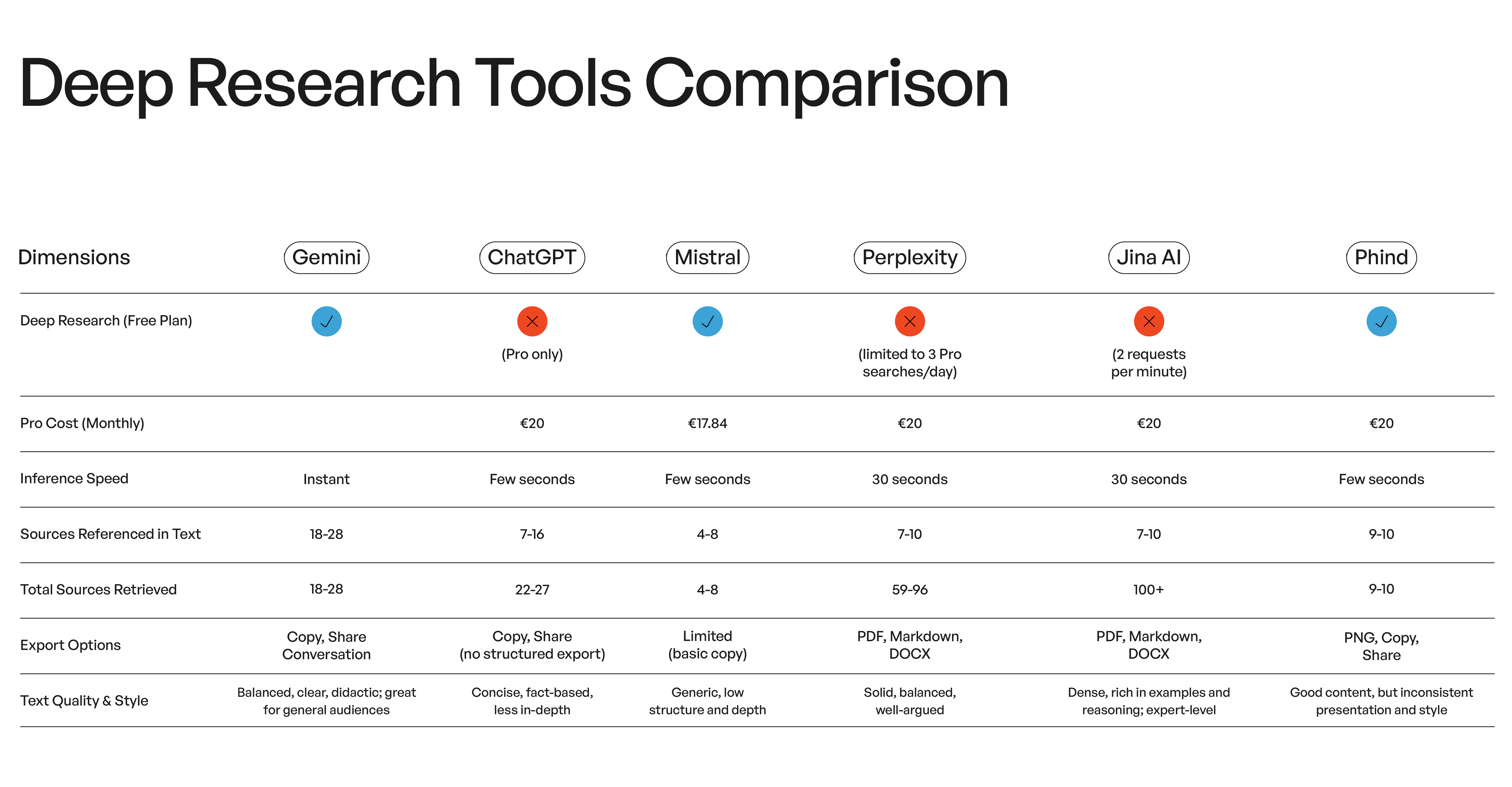
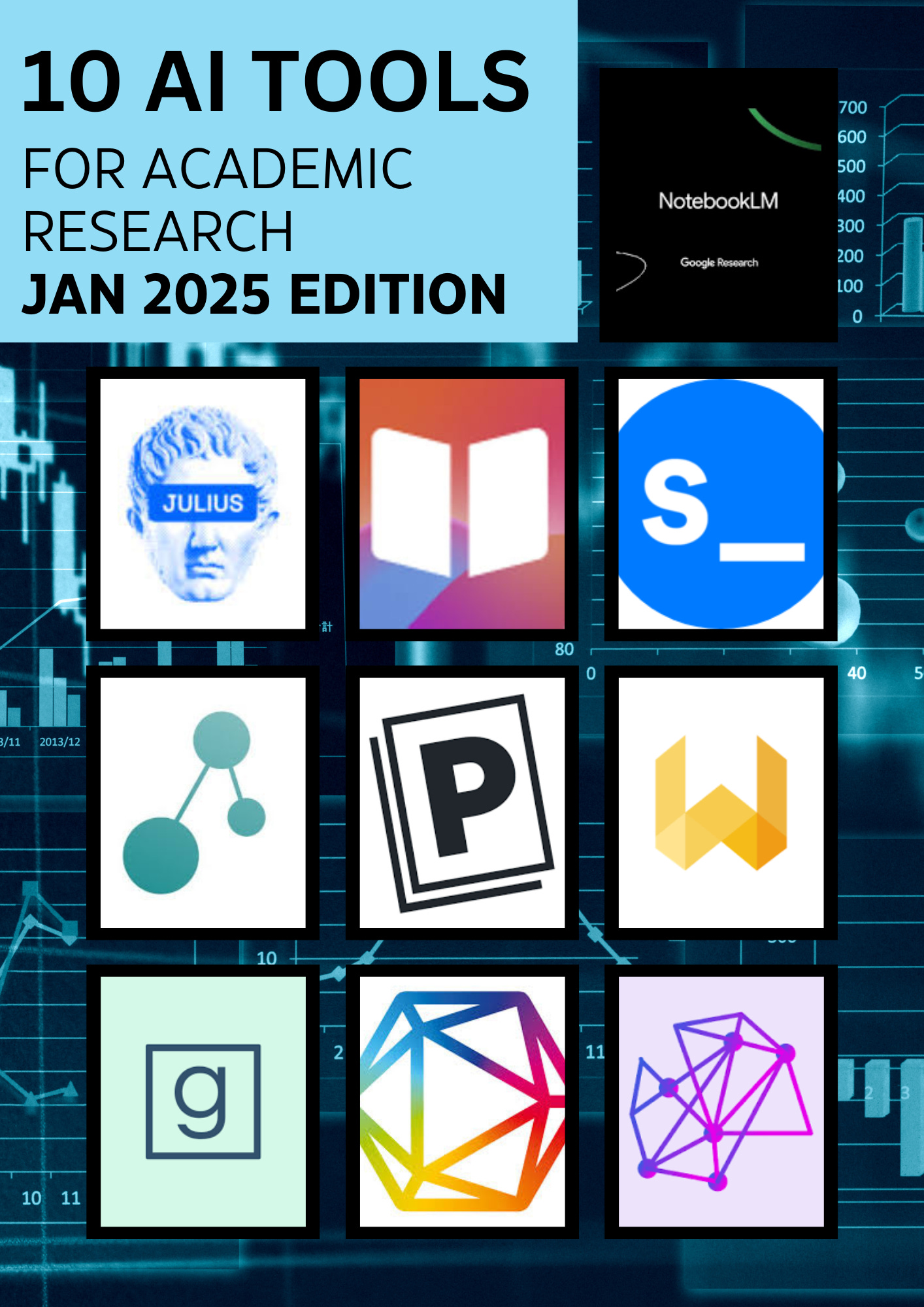
General-Purpose AI Models
- OpenAI tools (e.g., ChatGPT)
Pros: Flexible, conversational, strong reasoning
Cons: Not paper-specific, requires good prompting
Best for: Cross-domain understanding and exploration - Anthropic models (Claude)
Pros: Long-context handling, nuanced explanations
Cons: Less structured for citations
Best for: Deep reading and conceptual clarity
Research-Focused Platforms
- SciSpace
Pros: Built specifically for papers, inline explanations
Cons: Less flexible outside academic use
Best for: Students and formal research - Elicit
Pros: Literature discovery, evidence-based answers
Cons: Learning curve
Best for: Systematic reviews and evidence mapping
Free vs Paid: What Actually Matters
Paid tools save time and reduce friction—but free tools can still deliver value if you:
- Ask precise questions
- Validate outputs
- Understand limitations
Don’t overpay until you outgrow the basics.
Common Mistakes With Paper Explainer AI (And How to Avoid Them)
Mistake 1: Treating AI Output as Ground Truth
AI can misunderstand nuance. Always verify critical claims.
Mistake 2: Asking Vague Questions
“Summarize this” produces shallow insight. Precision unlocks value.
Mistake 3: Skipping Original Figures and Tables
Visual data often contains insights summaries miss.
Mistake 4: Ignoring Methodology
Results are meaningless without understanding how they were obtained.
Mistake 5: Overusing Without Thinking
Paper explainer AI enhances thinking—it doesn’t replace it.
The people who benefit most are those who combine AI speed with human judgment.
Ethical, Academic, and Professional Considerations
Using paper explainer AI responsibly matters.
- Always cite original sources
- Don’t misrepresent findings
- Avoid plagiarism by paraphrasing thoughtfully
- Use AI for understanding, not deception
Most institutions are becoming more accepting of AI-assisted reading—not AI-generated scholarship.
The Future of Paper Explainer AI
We’re still early.
Expect:
- Better citation tracking
- Cross-paper comparison
- Visual explanations of methods
- Domain-specialized explainers
Paper explainer AI will likely become as normal as spellcheck—quietly essential.
Conclusion: Turning Information Overload Into Understanding
Paper explainer AI isn’t about shortcuts. It’s about leverage.
When used thoughtfully, it:
- Saves time
- Improves comprehension
- Expands access to knowledge
- Strengthens decision-making
If you work with research in any form, learning how to use paper explainer AI well is no longer optional—it’s a competitive advantage.
Start small. Stay curious. Validate often. And let AI handle the heavy lifting so your mind can focus on insight, creativity, and judgment.
FAQs
What is paper explainer AI used for?
To understand academic and technical papers faster and more clearly.
Is paper explainer AI accurate?
Generally yes for explanations, but always verify critical details.
Can students use paper explainer AI ethically?
Yes—when used for learning, not plagiarism.
Does paper explainer AI replace reading papers?
No. It complements and accelerates reading.
Which fields benefit most from paper explainer AI?
Science, AI, medicine, economics, and interdisciplinary research.

Adrian Cole is a technology researcher and AI content specialist with more than seven years of experience studying automation, machine learning models, and digital innovation. He has worked with multiple tech startups as a consultant, helping them adopt smarter tools and build data-driven systems. Adrian writes simple, clear, and practical explanations of complex tech topics so readers can easily understand the future of AI.