
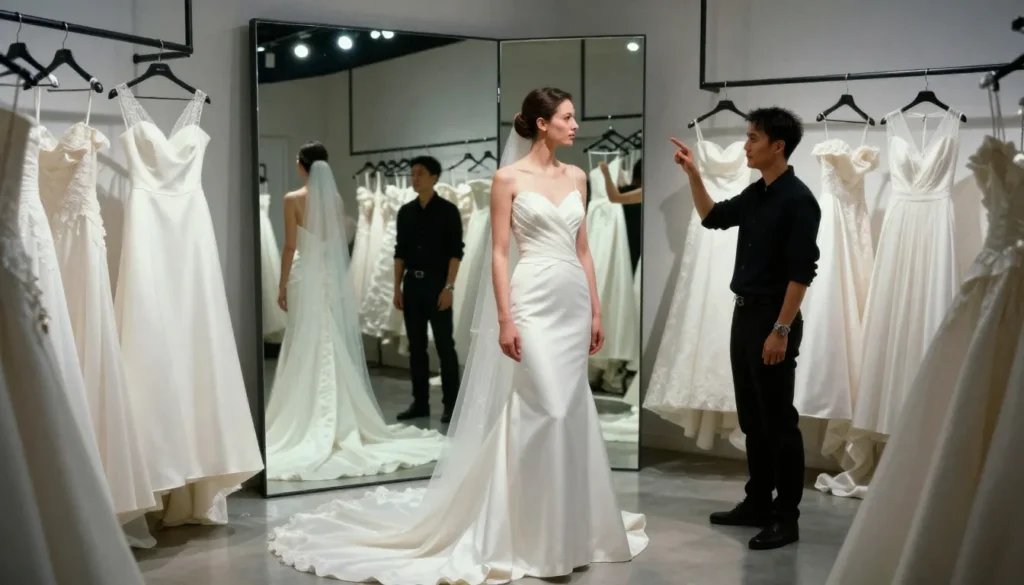
The first time I realized how powerful a white wedding dress could be was while watching my cousin Sofia prepare for her backyard wedding. She had spent months insisting she wanted a floral print dress something unconventional, something “her.” But when the seamstress placed a simple white crepe gown on her, she froze, then whispered, “Oh… this is what getting married feels like.” It wasn’t dramatic or princess-like. It wasn’t something out of a magazine. Yet in that moment, that white dress reflected every bit of tenderness, hope, and joy she carried into her marriage. It wasn’t the dress itself that moved her it was the feeling it awakened.
That’s the quiet magic of a white wedding dress. Even in a world full of color, individuality, and endless choices, so many brides still find themselves drawn to white not out of tradition or pressure, but because it somehow captures something timeless and deeply personal.
Today’s brides are rewriting the rules of bridal fashion, blending tradition with self-expression, and using the classic white gown as a canvas to tell their unique story. If you’re exploring the world of white wedding dresses whether you’re drawn to minimalist silk, romantic lace, structured satin, or ethereal tulle this guide will help you understand the meaning behind the color, how to choose the right shade, and what steps to follow so your dress feels like an extension of your heart and personality.
The Meaning Behind the White Wedding Dress: More Than Tradition
Most people remember learning that white wedding dresses became popular because Queen Victoria wore one in 1840, but the modern meaning of the white dress has evolved far beyond that moment. Today, the white wedding gown symbolizes joy, celebration, transformation, and emotional clarity. It represents a fresh beginning, a moment of stepping into something new with confidence and love.
Even more importantly, white has become a symbol of personal expression rather than societal expectation. Brides choose white because it feels uplifting. It brightens photographs, enhances natural radiance, and pairs beautifully with nearly any décor or wedding theme. Whether you’re planning a boho desert wedding, a chic city rooftop ceremony, or a classic ballroom event, white adapts, reflects, and elevates your style.
The beauty of white is that it’s not just one color. It’s a whole spectrum including ivory, pearl, natural white, eggshell, soft cream, blush-toned whites, and champagne-infused neutrals. This wide range allows every bride to find a shade that feels like home.
Why White Wedding Dresses Remain Iconic in Modern Bridal Fashion
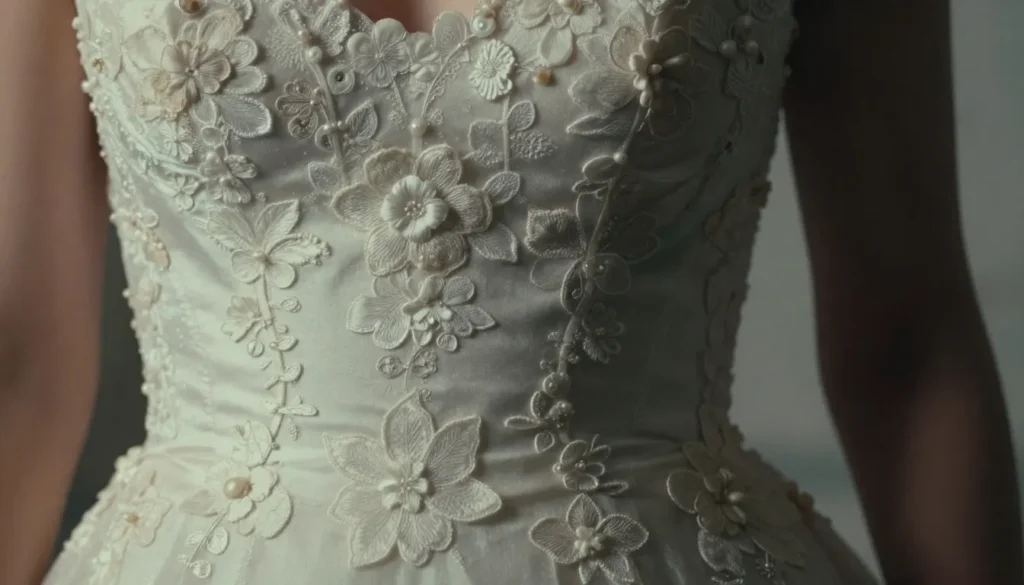
Bridal designers continue to reinvent the white wedding dress in ways that feel both timeless and cutting-edge. Brands like Vera Wang, Pronovias, Monique Lhuillier, Amsale, Maggie Sottero, and Berta redefine white every season, blending craftsmanship with contemporary bridal aesthetics. While early 2000s brides gravitated toward strapless bodices and heavy beading, today’s collections feature minimalist silhouettes, 3D floral appliqués, hand-sewn lace motifs, and sculptural skirts that feel like wearable art.
In the age of social media, white wedding dresses have also become moments of storytelling. Think of Hailey Bieber’s custom Off-White gown, Priyanka Chopra’s embellished Ralph Lauren masterpiece, or Serena Williams’ show-stopping Alexander McQueen ensemble. Each dress told a different story powerful, romantic, deeply personal all under the umbrella of white.
Not to mention, white remains the favorite for couples who want cohesive visual aesthetics. It complements any bouquet, blends beautifully with natural scenery, and offers endless room for accessories, from cathedral veils to statement earrings.
How to Choose the Perfect White Wedding Dress: A Simple, Heart-Centered Guide
The process of finding your dress isn’t just about fashion it’s emotional, intuitive, and deeply personal. But with so many choices, it helps to follow a gentle roadmap.
The first step is to explore your style without judgment. Too many brides begin the process thinking they have to fit a mold romantic, modern, vintage-inspired, or glam. Instead, start by asking yourself how you want to feel on your wedding day. Confident? Graceful? Bold? Effortlessly elegant? Once you find the feeling you’re chasing, the style often reveals itself.
The next step is to understand silhouettes because they influence your comfort and movement. A-line dresses offer universal flattery and balance. Mermaid gowns highlight curves and add drama. Ball gowns create breathtaking volume and fairy-tale elegance. Sheath and slip dresses evoke minimalism and natural form. Fit-and-flare dresses combine curve definition with comfortable mobility. Each silhouette tells a different story, and your body’s relationship with the fabric matters just as much as your eye’s reaction.
Then comes fabric. Brides who dream of a structured, regal look often choose satin or mikado. Those craving flow and softness turn to chiffon or tulle. Lace lovers seek romantic detail, while crepe fans appreciate a smooth, modern finish. Fabric doesn’t just affect appearance it controls comfort, weight, and how the dress moves with you.
Trying on dresses is where everything comes to life. The gown you fall in love with might not be the one you imagined. Remember the story of Sofia? The dress chose her, not the other way around. When you start trying dresses, stay open, breathe deeply, and allow yourself to be surprised. Bridal stylists often say: “The dress you least expect is the one you’ll love the most.”
Finally, alterations shape your gown to your body. Even the most beautifully crafted designer dress transforms completely after tailoring. A lifted hem, a fitted bodice, or added bust cups can turn a great dress into a perfect one.
The Shades of White: Finding the One That Loves You Back
Different shades of white have different personalities. Pure white is bright and crisp, ideal for brides who love an editorial, modern look. Natural white feels softer and photographs beautifully. Ivory remains the most popular shade because of its warm undertones and universal flattery. Cream, eggshell, and buttercream shades feel vintage and romantic. Champagne whispers elegance with a hint of gold, while nude or blush underlays create depth behind lace appliqués.
Lighting plays a huge role in choosing the right shade. Bridal boutiques often use artificial lighting, but your wedding might be outdoors at sunset, inside a church, or on a beach. Take your dress near a window or if allowed step outside briefly to see how natural light interacts with the color. You want the shade to blend with your skin, not fight against it.
Matching Your Dress to Your Venue and Wedding Aesthetic
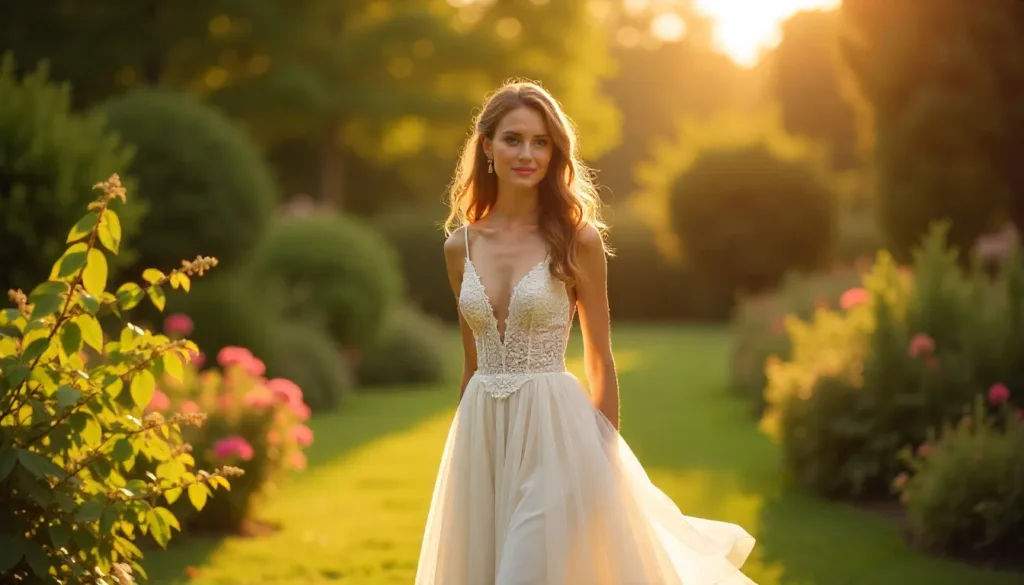
The beauty of a white wedding dress lies in its versatility, but certain styles work especially well with specific venues. A beach ceremony welcomes light, airy chiffon and soft draping. A garden wedding embraces lace, floral motifs, and ethereal tulle. A grand ballroom responds beautifully to satin ball gowns, long trains, and sparkling embellishments. A modern city rooftop pairs effortlessly with minimalist silhouettes and architectural details.
Choosing a dress that harmonizes with your surroundings creates a cohesive visual story. Brides who consider the backdrop—whether lush greenery, ocean waves, candlelit interiors, or sleek modern lines—often feel their photos and overall wedding style come together with ease.
Real-Life Examples: How Brides Chose Their White Wedding Dress
One bride I worked with, Marisol, dreamed of a romantic vineyard wedding. She initially gravitated toward a structured satin ball gown, but when she stepped into a soft ivory lace dress with vine-like appliqués, it felt like the vineyard was woven into her gown. Suddenly, her dress matched her venue and her personality in the most magical way.
Another bride, Tara, planned an elopement in New York City. She wanted something fashion-forward and modern, so she chose a sleek crepe column dress with a draped open back. The dress mirrored the clean lines of the skyscrapers around her and allowed her to move through the city with effortless grace.
Meanwhile, Mia a bride with a rustic barn wedding chose a flowing tulle skirt with a fitted lace bodice. The dress felt whimsical and grounded, reflecting her down-to-earth personality while capturing the romance of her candlelit ceremony.
Common Mistakes to Avoid When Shopping for a White Wedding Dress
Shopping for a wedding dress is emotional, which can lead to decisions you may second-guess later. One of the biggest mistakes brides make is bringing too many people to their appointment. Too many opinions can drown out your own, leaving you uncertain about your instincts. It’s better to bring one or two trusted people who understand your style and respect your feelings.
Another mistake is choosing a dress based solely on trends. While it’s exciting to see what’s popular on Instagram or TikTok, trends fade. Your photos last forever. A dress should reflect you not an algorithm.
Many brides also underestimate the importance of comfort. If you can’t sit, dance, hug, or breathe comfortably, the beauty of the dress won’t matter. You should feel at ease, not restricted.
Underestimating alterations is another misstep. A dress rarely fits perfectly off the rack. Tailoring ensures the gown honors your body’s unique shape. Skipping this step can make even the most luxurious dress appear unfinished.
Lastly, some brides avoid exploring different silhouettes due to preconceived ideas about their bodies. But confidence comes from how a dress makes you feel not how closely it aligns with an expectation. Try everything once. You may surprise yourself.
Comparing Popular White Wedding Dress Styles
Modern brides often find themselves choosing between minimalist, romantic, glam, boho, or classic gowns. Minimalist dresses focus on clean lines, high-quality fabrics, and simplicity. Think crepe sheaths, satin slips, or structured mikado A-lines. Romantic gowns emphasize softness lace sleeves, tulle layers, floral details, or cascading skirts. Glamorous gowns often feature beading, shimmer, fitted silhouettes, and dramatic trains. Bohemian dresses feel earthy and whimsical, with flowing fabrics and artistic detailing. Classic gowns lean timeless sweetheart necklines, satin ballgowns, and silhouettes inspired by icons like Grace Kelly and Kate Middleton.
Understanding these categories helps brides articulate what resonates emotionally and visually.
Product Recommendations for Brides Exploring White Wedding Dresses
Brides seeking classic elegance may fall in love with Pronovias’ satin A-line gowns, which blend structure with softness. Minimalist brides often adore Amsale or Sarah Seven, both known for clean silhouettes and modern draping. For romantic lace designs, Maggie Sottero and Monique Lhuillier offer globally loved collections filled with texture and femininity. Boho brides gravitate toward Rue De Seine, Willowby by Watters, and Lillian West for their whimsical details.
For budget-friendly options, BHLDN provides a range of designs with quality craftsmanship and accessible price points, while David’s Bridal offers size-inclusive collections and custom options.
Caring for Your White Wedding Dress Before and After the Ceremony
Once you’ve found your gown, you’ll want to care for it like the treasure it is. Store the dress in a breathable garment bag never plastic away from moisture and direct sunlight. Transport it carefully on the day of your wedding, and consider professional steaming at your venue to remove any travel creases.
After your wedding, preservation protects your dress for years to come. Professional bridal preservation services clean the gown, remove stains, and package it in an acid-free archival box. Brides who cherish the idea of passing their gown down or repurposing it later often choose this route.
Why Sustainability Matters in Modern Bridal Fashion
More brides today are choosing ethically made white wedding dresses. Designers like Reformation, Leanne Marshall, and Pure Magnolia use eco-conscious fabrics and sustainable production practices. Many brides opt for pre-loved gowns through platforms like Stillwhite and Nearly Newlywed, helping reduce environmental impact without compromising beauty or style.
Some brides even choose to rewear their gown after the wedding, dye it a new color, or tailor it into a cocktail dress giving the garment new life while preserving its sentimental value.
Conclusion:
Choosing your white wedding dress isn’t just about planning for one day it’s about stepping into a version of yourself that feels brave, beautiful, and ready for the life you’re building. It doesn’t matter whether your gown has lace sleeves, a silk skirt, a dramatic train, or minimalist details. What matters is the feeling you get when you look in the mirror and realize you’re seeing yourself stepping into forever.
Your dress should make you feel radiant. It should complement your heart. And when you finally walk down that aisle whether on a beach, in a garden, inside a cathedral, or across a mountaintop you’ll know you chose the dress meant for you.
If you’re ready to begin your journey, now is the perfect time to explore different designers, schedule an appointment, or start gathering inspiration. Your perfect white wedding dress is already waiting to meet you and I’m here anytime you want help choosing it.
FAQs About White Wedding Dresses
Do white wedding dresses have to be pure white?
Not at all. Most brides today choose ivory or natural white because they flatter skin tones and photograph beautifully.
How early should I start looking for my gown?
Eight to twelve months before the wedding is ideal, especially if you’re ordering from a designer.
What if I don’t look good in white?
There are many versions of white, and one will suit you. Ivory, cream, champagne, and nude underlays can warm your complexion beautifully.
Can a simple white dress be elegant?
Absolutely. Minimalist gowns are currently among the most popular due to their chic, timeless appeal.
How do I keep my dress clean during the wedding?
A fabric-safe stain-removal pen, a bustle for dancing, and a bridesmaid dedicated to fluffing your train can help keep it pristine.
Can I wear white if I’m not having a traditional ceremony?
Yes. White suits elopements, backyard weddings, courthouse ceremonies, and destination events just as well as large celebrations.

Sofia Bennett is a fashion writer and style observer known for her clean sense of aesthetics and trend analysis. She has covered fashion shows, reviewed designer collections, and interviewed independent creators. Sofia specializes in connecting fashion with real-life lifestyle choices, helping readers understand what looks good — and why.