
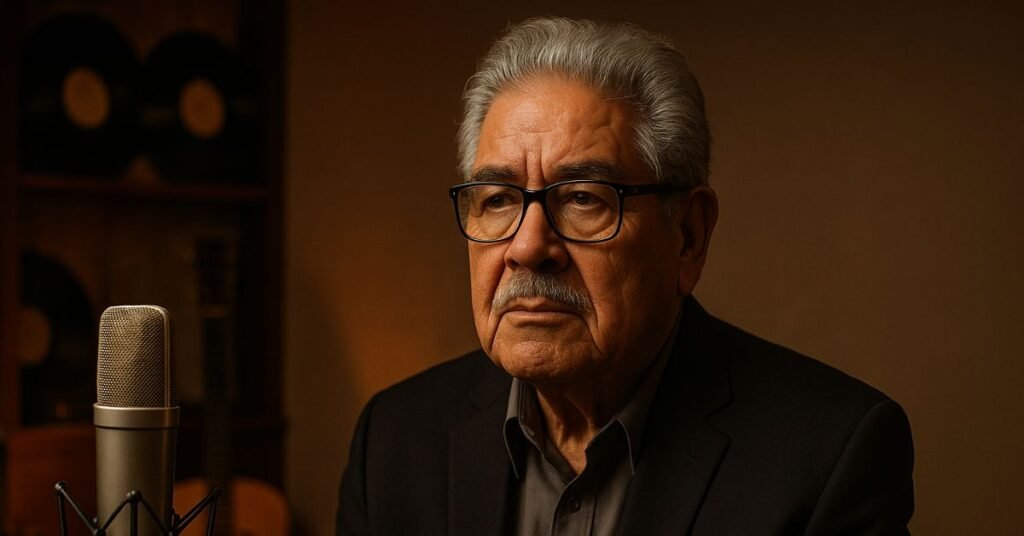
Abraham Quintanilla — few names evoke as rich a tapestry of music, family devotion, triumph, tragedy, and cultural change quite like his. As the father and driving force behind one of the most iconic figures in Latin music history, Selena Quintanilla, Abraham Quintanilla shaped not just a career, but an entire genre’s place in the cultural landscape. In this comprehensive article, we’ll explore the life, legacy, influence, and impact of Abraham Quintanilla — from his early musical roots to his recent passing — with warm insight, human storytelling, and practical perspective for anyone curious about the man behind the music.
Note: Abraham Quintanilla Jr. died on December 13, 2025, at the age of 86, as confirmed by his family on social media.
Introduction
Have you ever wondered what it takes to nurture a musical genius — especially when that genius blossoms into a cultural icon beloved across generations? In the world of Tejano and Latin music, Abraham Quintanilla stands as a testament to the power of belief, perseverance, and unwavering dedication.
Abraham’s journey wasn’t handed to him on a silver platter. It was marked by early musical dreams, family sacrifices, and the heartbreak of losing a child at the height of her fame. Yet through it all, he remained a champion of artistic expression — not just for his daughter Selena, but for the genre and community she represented.
In this article, we’ll take you on a deep, human, SEO-optimized exploration of who Abraham Quintanilla was: his beginnings, his career, his role in Selena’s rise to stardom, the real-world impact he left behind, and what we can learn from his life.
Who Was Abraham Quintanilla? A Beginner-Friendly Overview
When you hear the name Abraham Quintanilla, think of a man whose life was entwined with music from the very beginning. Born Abraham Isaac Quintanilla Jr. on February 22, 1939, in Corpus Christi, Texas, he grew up in a Mexican-American household where music was part of the family’s fabric.
Early Musical Roots
In the 1950s, Abraham was more than a music lover — he was a performer. He joined a group called Los Dinos, a band that played doo-wop and Chicano music throughout Texas, showcasing raw talent and the influence of mid-century American musical currents.
Here’s an easy analogy: imagine a young musician in a small American town, dreaming big but needing to wear many hats — singer, guitarist, songwriter — just to make his sound heard. That was Abraham’s early life. His own musical passion laid the foundation for how he would later see his children’s potential.
From Performer to Mentor
In the late 1960s, Abraham stepped back from performing to focus on raising his family — but music never left him. When he discovered that his daughter, Selena, had an extraordinary voice, he didn’t just see talent; he saw possibility. He formed a family band — Selena y Los Dinos — with his children Selena, A.B. and Suzette at the core. tpr.org
Think of this as a gardener not only planting seeds, but watering and nurturing them until they bloom. Abraham wasn’t just a dad — he became the band’s manager, mentor, spokesperson, and tireless advocate.
The Benefits & Real-World Impact of Abraham Quintanilla’s Work
So why does Abraham Quintanilla’s story matter — beyond the headlines and celebrity legacy? Here’s a breakdown of the benefits and real-world impact of his work:
1. Championing Tejano Music
For decades, Tejano music was a regional genre with limited mainstream reach. Through strategic management and relentless touring, Abraham helped elevate Tejano into the broader Latin music consciousness.
- Industry recognition: Selena became one of the most successful Tejano artists of all time.
- Genre pride: Tejano music became a sound that both Latino and broader audiences could rally behind.
This kind of genre elevation is similar to how pioneers in other art forms introduce niche sounds to global audiences — but on a deeply personal, family-driven scale.
2. Mentorship That Changed Lives
Abraham didn’t just manage Selena — he mentored her. That mentorship taught her discipline, stage presence, and business savvy.
Imagine a coach who not only trains an athlete but also protects them from career pitfalls — that was Abraham’s role, for better and for worse. His guidance helped propel Selena into international success.
3. Legacy Preservation
After Selena’s tragic murder in 1995, Abraham became one of the key stewards of her legacy — through albums, documentaries, film adaptations, and honoring her memory with organizations and foundations.
Whether you’re an artist, a parent, or someone interested in legacy leadership, there’s a practical lesson here: how influence can extend beyond a lifetime when stewarded with intentional care.
Step-By-Step: How Abraham Quintanilla Built & Managed A Musical Career
If you’re curious about how Abraham Quintanilla structured a musical career — whether for a band, solo artist, or creative venture — here’s a clear walk-through inspired by his work with Selena y Los Dinos:
Step 1: Recognize and Nurture Talent
- Observation: Abraham didn’t wait for external approval — he saw Selena’s gift early.
- Action: He created performance opportunities (family gatherings, local events, then bigger gigs).
Key insight: Talent needs a platform — even small ones matter.
Step 2: Build a Supportive Structure
Establish roles and responsibilities early. Abraham ensured:
- A.B. played bass,
- Suzette played drums,
- Selena led with vocals.
This clarity gave the group a professional feel from the outset.
Step 3: Create Strategic Exposure
- Target local venues like family restaurants or community events.
- Build audiences one city at a time.
- Invest time in performances — this wasn’t about instant fame, but sustainable audience growth.
Real tip: Think local before global.
Step 4: Manage Logistics With Precision
From travel arrangements to contracts and promotions, Abraham handled the business behind the scenes. Even today, knowing contracts, marketing, and finances is crucial for any artist career.
Step 5: Learn From Feedback
As the band grew, so did expectations. Abraham had to balance artistic growth with market demands — a skill essential in the music industry.
Tools, Comparisons & Recommendations (What Modern Artists Can Learn)
Even though Abraham’s journey began decades before digital tools, his principles are timeless. Let’s translate his legacy into tools and strategies modern creators can use:
Traditional vs. Modern Tools
| Category | Abraham’s Era | Today’s Equivalent |
|---|---|---|
| Booking Gigs | Local venues, family networks | Online platforms (GigSalad, Bandsintown) |
| Promotion | Word-of-mouth, radio, flyers | Social media, streaming playlists, YouTube |
| Recording | Studio time booked manually | Home studios, DAWs like Logic Pro or Pro Tools |
| Audience Building | Live shows | Social platforms, digital ads |
Takeaway: The principle of community engagement remains the same — but the tools have evolved.
Common Mistakes & How Abraham Quintanilla Avoided (or Faced) Them
Every journey has missteps. Abraham’s story isn’t exception — it’s instructive.
Mistake #1: Over-Controlling Creative Direction
Some critics say Abraham’s intense oversight limited artistic exploration early on. Whether this was protective or restrictive is debated among fans. Reddit
Fix: Balance structure with space for creative autonomy.
Mistake #2: Focusing Too Narrowly
Early on, Abraham was hesitant to embrace English-language music — a sign some saw as limiting Selena’s crossover reach.
Fix: Evaluate audience trends and pivot wisely.
Mistake #3: Relying Too Much on One Strategy
Music and media have changed dramatically. Artists today benefit from diversifying platforms early.
Fix: Embrace tools like streaming, short-form video, and direct digital fan engagement.
Conclusion
Abraham Quintanilla’s life story is more than a music headline — it’s an inspiration for anyone striving to make an impact through talent, tenacity, and love. Whether you’re an artist seeking guidance, a parent navigating the creative journey with your child, or simply someone who appreciates cultural history, Abraham’s legacy teaches us:
- Dreams must be cultivated, not just discovered.
- Success requires both vision and practical management.
- Legacy is built through consistency, love, and resilience.
His passing in December 2025 leaves a powerful legacy — one that continues through Selena’s music, Q-Productions, and the countless lives touched by his family’s work.
If you’ve found this story inspiring or have memories of Abraham’s impact, I’d love to hear your thoughts in the comments below.
FAQs
Who was Abraham Quintanilla?
Abraham Quintanilla Jr. was an American singer, songwriter, producer, and talent manager best known as the father and manager of Tejano music star Selena Quintanilla. He was instrumental in launching and shaping her career.
When did Abraham Quintanilla die?
He died on December 13, 2025, at age 86, as confirmed by his son via social media.
What musical group did Abraham Quintanilla form?
He formed Selena y Los Dinos, a band featuring his children, which became a major force in Tejano music.
Did Abraham Quintanilla have a music career?
Yes, before managing Selena, he performed with Los Dinos, a musical group active in Texas during the 1950s and ’60s.
How did Abraham influence Selena’s legacy?
After Selena’s death in 1995, Abraham worked to preserve her legacy through film, documentaries, albums, and charitable foundations

Hannah Price is a digital journalist who covers breaking news, global events, and trending stories with accuracy and speed. She has previously contributed to several online magazines and has built a reputation for verifying facts before publishing. Hannah believes in responsible reporting and aims to present stories in a way that readers can trust.