

When was the last time you sat at a table so full of food you had to pass plates sideways—while laughter bounced off the walls and someone inevitably said, “Remember when we burned the roast that one year?”
That moment—when families get together for a big feast and presents are exchanged—is more than just a holiday cliché. It’s one of the last few rituals that reliably pulls people out of their routines and back into the same room.
In my decade-plus as a professional writer and researcher, I’ve watched trends come and go. Digital invitations replaced paper ones. Group chats replaced phone calls. But this tradition? It has endured. Not because it’s perfect—but because it meets a very human need we still haven’t outgrown.
In this guide, I’ll break down why this tradition exists, what it actually gives us, how to plan it without stress, and how to avoid the common mistakes that turn meaningful gatherings into exhausting obligations. Whether you’re hosting for the first time or trying to reclaim the joy of it all, you’ll walk away with practical, real-world insight you can actually use.
What It Really Means When Families Get Together for a Big Feast and Presents Are Exchanged
At its core, this phrase describes a shared human ritual that shows up across cultures, religions, and generations.
Strip away the decorations, menus, and wrapping paper, and what’s left is simple:
- People pause their normal lives
- They gather intentionally
- They share food, which symbolizes abundance and care
- They exchange gifts, which represent thoughtfulness and connection
Think of it like a yearly “reset button” for relationships.
Food is the anchor. A big feast forces people to slow down, sit together, and engage. You can’t rush a meal like that. It demands presence. Presents, on the other hand, are symbolic—not transactional. The best ones say, “I see you. I know you. I thought about you.”
This tradition exists because it solves a modern problem: disconnection.
Even families who love each other deeply can drift apart due to work schedules, distance, and daily stress. A planned gathering creates a socially acceptable reason to stop, show up, and reconnect—without having to explain why it matters.
You’ll see this structure repeated everywhere:
- Religious holidays
- Cultural festivals
- Milestone celebrations
- Annual family reunions
Different names, same blueprint.
The Real Benefits (That Go Way Beyond Food and Gifts)
Emotional and Psychological Benefits
From firsthand experience, I can tell you these gatherings often do more emotional heavy lifting than we realize.
They:
- Reaffirm family identity (“This is who we are”)
- Create shared memories that outlast the event
- Provide emotional closure to a long year
- Reduce feelings of isolation—especially for older relatives
For kids, these events are foundational. Years later, they won’t remember the price of gifts—but they’ll remember how the house felt.
Social and Relationship Benefits
When families get together for a big feast and presents are exchanged, something subtle happens: status fades.
The CEO sits next to the college student. The toddler interrupts the conversation. Everyone eats the same food. That leveling effect strengthens bonds and reminds people they belong.
These gatherings also:
- Repair strained relationships (sometimes quietly)
- Reinforce traditions and values
- Encourage intergenerational storytelling
- Create a sense of continuity and stability
Who This Tradition Is Best For (and When to Rethink It)
Best for:
- Families seeking deeper connection
- Long-distance relatives
- Households with children or elders
- Anyone craving meaningful traditions
May need adjusting for:
- Highly conflicted families (boundaries matter)
- Financially stressed hosts
- People dealing with grief or burnout
The key isn’t forcing the tradition—it’s adapting it so it serves the people involved.
How to Plan a Meaningful Gathering (Step by Step)
Step 1: Define the Purpose Before the Menu
Before you plan food or gifts, ask one simple question:
“What do I want people to feel when they leave?”
Is it warmth? Laughter? Gratitude? Relaxation?
This answer will guide every decision—guest list, meal complexity, activities, even gift style.
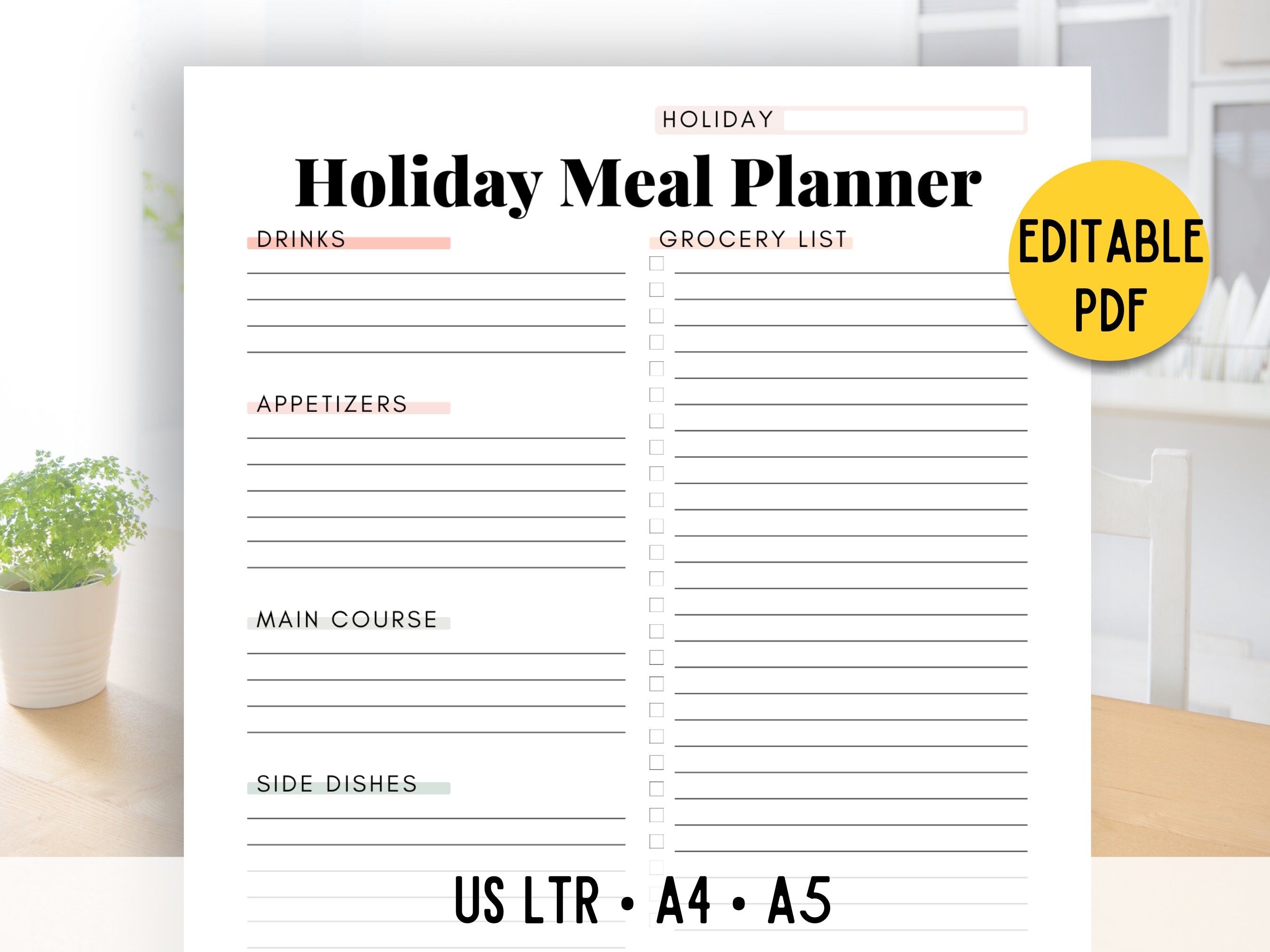
Step 2: Keep the Feast Big—but Not Complicated
A “big feast” doesn’t mean culinary Olympics.
In fact, the best gatherings I’ve attended followed this rule:
- One standout main dish
- A few meaningful sides
- One nostalgic dessert
Pro tip from experience: Familiar beats fancy every time.
Let others contribute. Potlucks reduce stress and increase ownership.
Step 3: Create Structure Without Rigidity
Loose structure keeps chaos from taking over:
- Arrival window
- Meal time
- Gift exchange moment
- Open-ended hangout time
Avoid over-scheduling. The magic often happens in the unscripted moments.
Step 4: Thoughtful Gift Exchange (Without Pressure)
Good gift exchanges focus on meaning, not money.
Options that work well:
- Secret gift exchanges
- Theme-based gifts (books, handmade, food)
- Group gifts for shared use
- Experience gifts
Set expectations early to avoid awkwardness.
Step 5: Build in Connection, Not Entertainment
You don’t need elaborate games. Sometimes all it takes is:
- A shared story prompt
- Looking through old photos
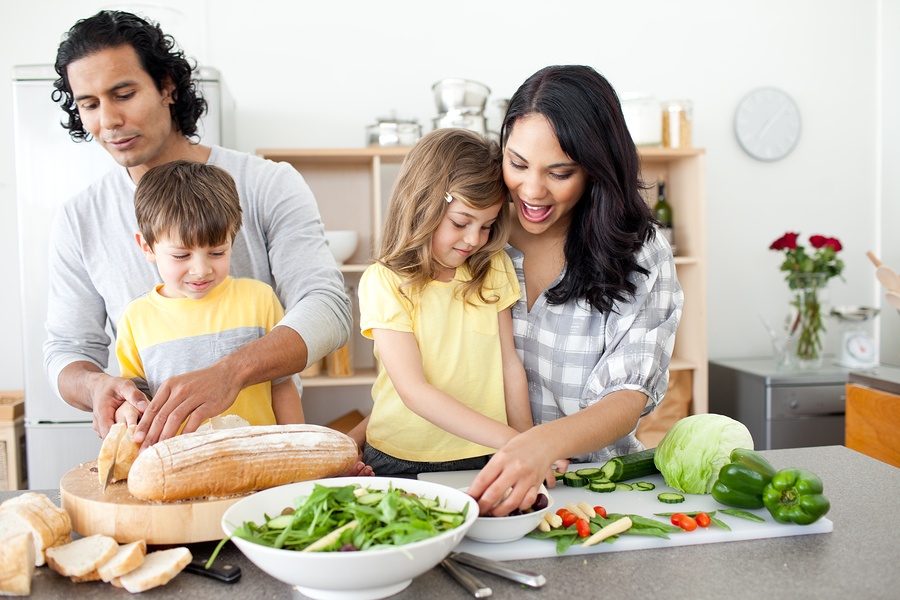
- Cooking together
- A gratitude round before eating
These moments create emotional glue.
Tools, Approaches, and Practical Recommendations
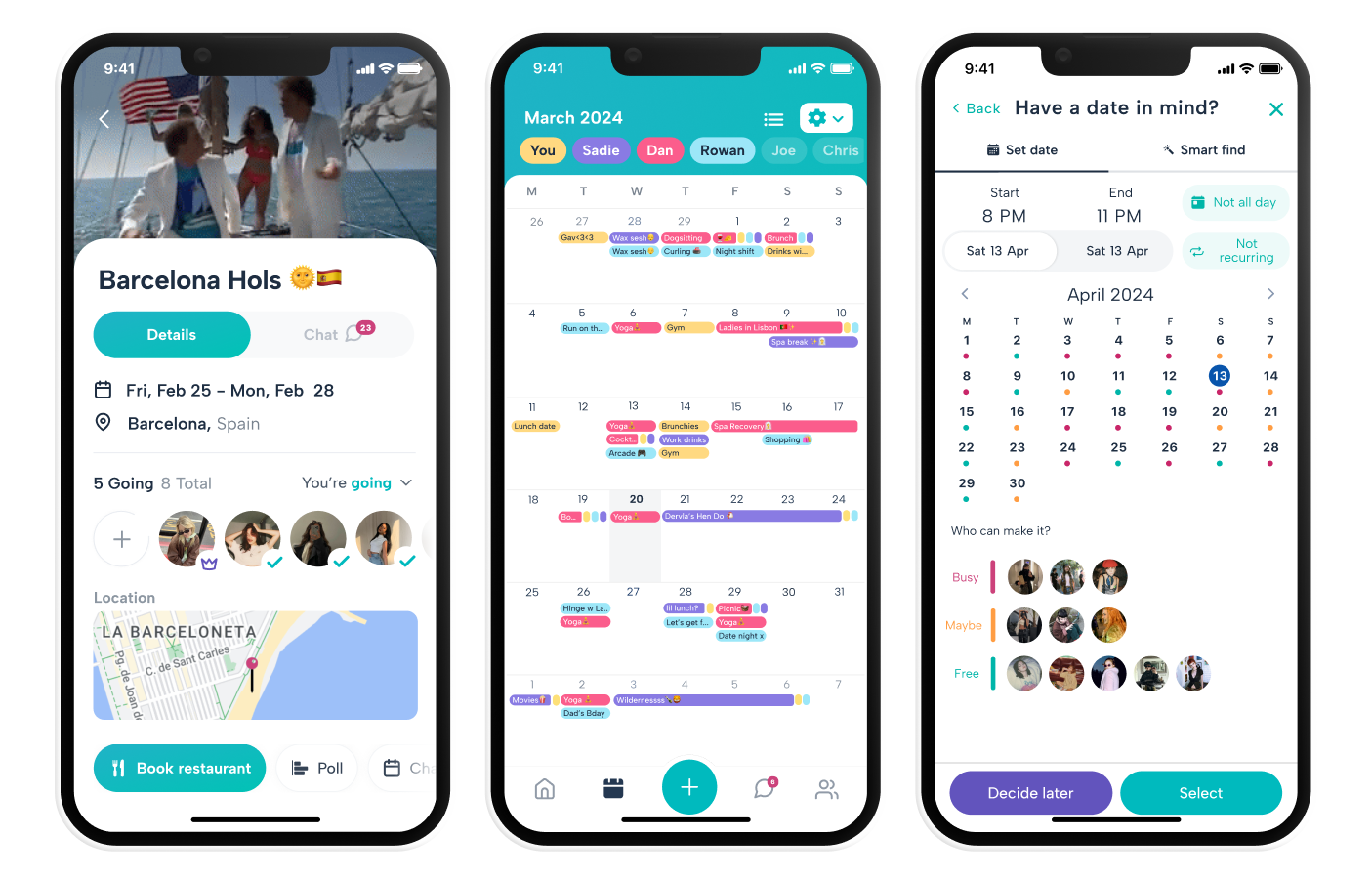

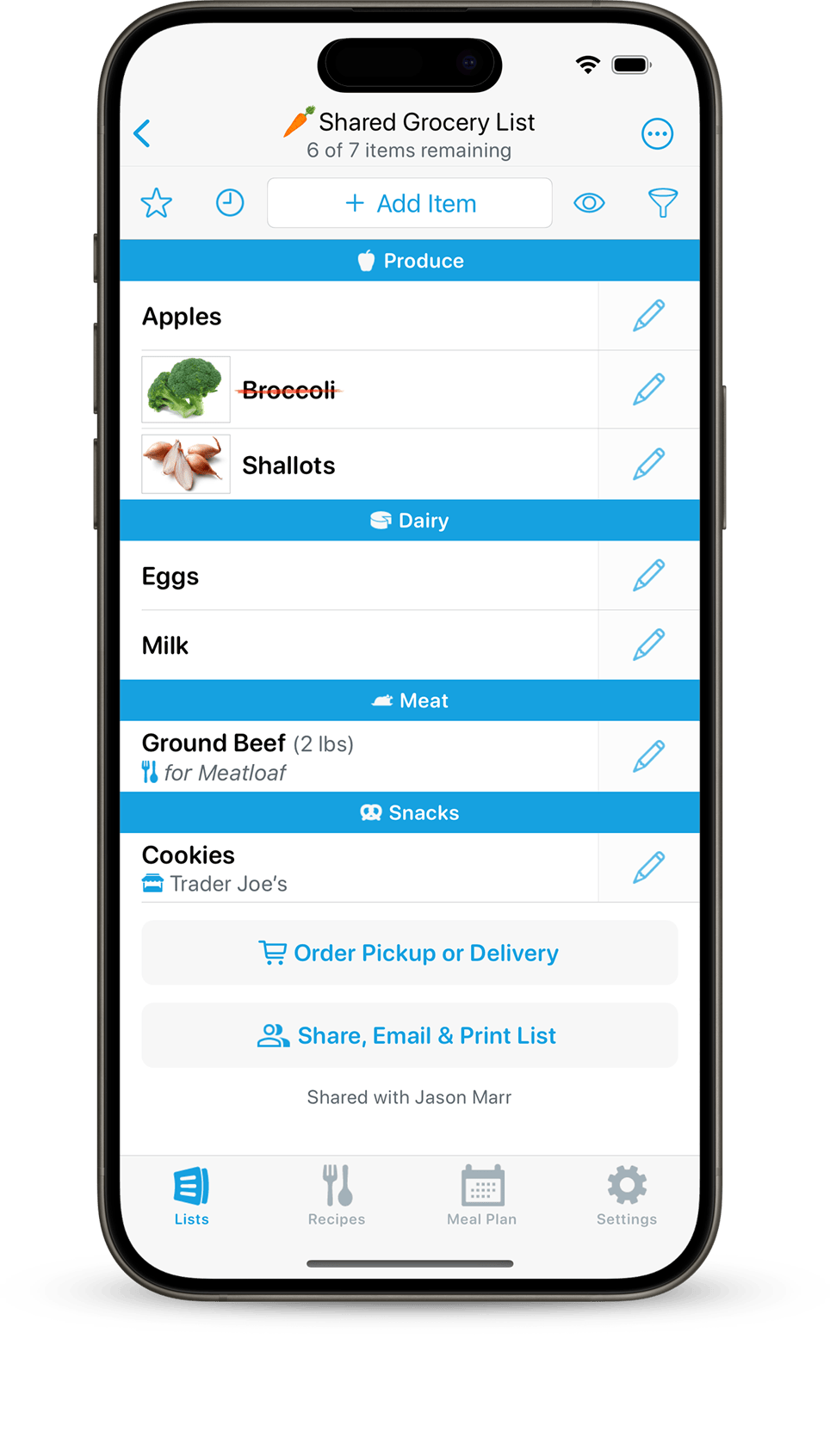
Planning Tools That Actually Help
Free options:
- Shared notes or documents for menus
- Group chats for coordination
- Online sign-up sheets for dishes
Paid or premium tools:
- Event-planning apps (useful for large families)
- Shared digital wish lists
- Grocery delivery for hosts
Free vs Paid: What’s Worth It?
From experience, spend money where it reduces stress, not where it adds complexity.
Worth paying for:
- Food delivery
- Cleaning services (before or after)
- Simple décor bundles
Not necessary:
- Overpriced tableware
- Excessive decorations
- Trend-driven gifts
My Professional Recommendation
If you only invest in one thing, invest in time:
- Prep earlier
- Delegate more
- Simplify expectations
That’s where the real return comes from.
Common Mistakes (and How to Fix Them)
Mistake 1: Trying to Impress Instead of Connect
Why it happens: Social pressure and comparison
Fix: Choose comfort over performance
Mistake 2: Overloading the Host
Why it happens: Control issues or guilt
Fix: Assign roles clearly and early
Mistake 3: Ignoring Emotional Dynamics
Why it happens: Avoidance
Fix: Set boundaries and time limits
Mistake 4: Treating Gifts as Obligations
Why it happens: Tradition without intention
Fix: Redefine what “giving” means
Mistake 5: Forgetting Why You’re There
Why it happens: Stress
Fix: Pause, breathe, and be present
Conclusion: Why This Tradition Is Still Worth Protecting
When families get together for a big feast and presents are exchanged, it’s not about perfection—it’s about presence.
In a world optimized for speed and productivity, these gatherings ask us to slow down, sit together, and remember who we are to each other. That’s powerful. That’s rare. And that’s worth preserving—even if it looks different every year.
If you take one thing from this guide, let it be this:
The success of a gathering isn’t measured by how smooth it was—but by how connected people felt when it ended.
If you have your own traditions, lessons learned, or hard-earned tips, share them. These stories are how traditions survive—and evolve.
FAQs
1. Why do families get together for a big feast and presents are exchanged?
Because it fulfills emotional, social, and cultural needs—connection, gratitude, and belonging.
2. Does the feast have to be expensive?
No. Meaning matters far more than money. Simple, shared meals work best.
3. What if my family has tension?
Set boundaries, shorten the event, or redefine traditions in smaller groups.
4. Are gifts necessary?
Not always. Many families replace gifts with experiences or shared activities.
5. How can introverts enjoy these gatherings?
Build in quiet spaces, shorter visits, and clear expectations.
6. What’s the best way to reduce stress as a host?
Delegate, simplify the menu, and focus on connection—not perfection.
7. Can friends replace family for this tradition?
Absolutely. Chosen family counts.
8. How do you keep this tradition meaningful over time?
By adapting it to current realities while preserving its emotional core.

Hannah Price is a digital journalist who covers breaking news, global events, and trending stories with accuracy and speed. She has previously contributed to several online magazines and has built a reputation for verifying facts before publishing. Hannah believes in responsible reporting and aims to present stories in a way that readers can trust.