
If you’ve ever stared at a folder full of stunning AI images and asked yourself where do I sell my AI art, you’re not alone. That question is quietly echoing through Discord servers, Reddit threads, and late-night Google searches everywhere. AI art tools have lowered the barrier to creation, but they’ve also raised a new challenge: figuring out where your work actually belongs—and where it can realistically make money.
This guide is written for creators who want clarity, not hype. We’ll walk through what selling AI art really means today, the platforms that work (and the ones that don’t), step-by-step strategies, common pitfalls, and how real creators are building sustainable income streams. By the end, you’ll know exactly where to sell your AI art, how to position it, and what to do next.
Where Do I Sell My AI Art (Quick Overview for Beginners)
When people ask “where do I sell my AI art,” they’re often really asking three different questions at once:
- Where will my AI art be accepted?
- Where can it actually sell?
- Where does it make sense for my goals and skill level?
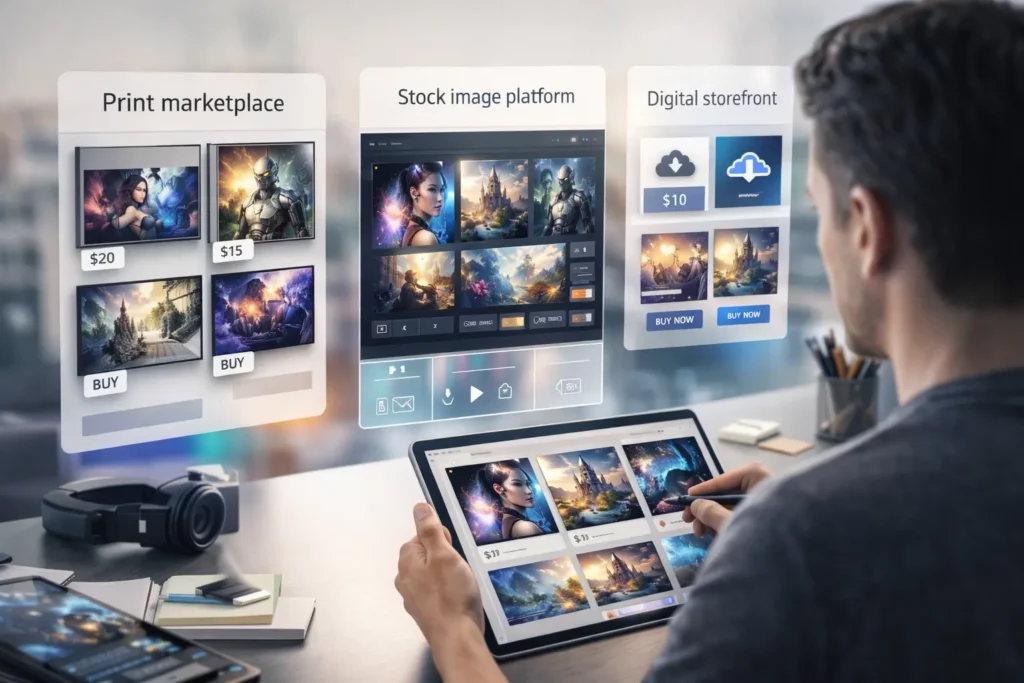
The short answer is that AI art can be sold across marketplaces, stock platforms, print-on-demand shops, NFTs, and even private client commissions. The longer answer—and the one that matters—is that each option serves a different purpose and requires a different mindset.
Some platforms reward volume. Others reward originality and branding. Some are passive income-friendly, while others feel more like running a small business. Understanding these differences upfront saves you months of frustration and prevents the all-too-common “I uploaded 200 images and made $3” experience.
Before we dive into platforms, let’s break down what selling AI art really involves.
What It Actually Means to Sell AI Art (And Why Context Matters)
Selling AI art isn’t just about uploading images and waiting for sales. At its core, you’re selling visual solutions. That might be wall art for a living room, illustrations for a blog, background assets for a game, or conceptual images for branding.
Think of AI as your camera, not your business. Just like photography, the value comes from:
- Your taste and curation
- Your understanding of what people want
- Your ability to package and present the work
A fantasy portrait might flop as a stock image but sell brilliantly as a print. A minimalist abstract might fail on Etsy but perform well on Adobe Stock. The same image can succeed or fail depending on where you list it and how you describe it.
This is why the “where do I sell my AI art” question can’t be answered with a single platform. The right place depends on your art style, goals, and tolerance for marketing.
Why Selling AI Art Is Worth It (And Who It’s Best For)
AI art selling isn’t a get-rich-quick scheme, but it is one of the most accessible creative side hustles available right now. The benefits are real when expectations are realistic.
First, it’s scalable. One image can be sold hundreds or thousands of times, especially on stock or print platforms. Second, it’s flexible. You can work around a day job, create in bursts, and automate large parts of the process. Third, it rewards learning. The better you understand prompts, trends, and buyers, the more your income grows.
Selling AI art works especially well for:
- Designers who want supplemental income
- Writers and content creators expanding into visuals
- Hobby artists testing monetization
- Entrepreneurs building niche brands
If you enjoy experimenting, learning platforms, and refining your eye, AI art selling can evolve from a side project into a serious income stream.
Step-by-Step: How to Start Selling AI Art the Right Way
Before choosing platforms, you need a foundation. Skipping these steps is the fastest way to burn out.
Start by clarifying your use case. Are you selling decorative art, commercial assets, or collectibles? This decision shapes everything from image dimensions to licensing language.
Next, review your AI tool’s license. Most major generators allow commercial use, but details matter. Keep records of tool versions and terms in case platforms ask.
Then, curate ruthlessly. Ten strong images outperform 200 generic ones. Look for consistency in style, color palette, or subject matter.
After that, prepare your files properly. Upscale when needed, remove artifacts, and export in formats platforms prefer. Add accurate titles, descriptions, and keywords—this is where most sellers lose visibility.
Finally, choose one or two platforms to start. Master them before expanding. Focus beats spreading yourself thin.
Marketplaces: Where Most AI Artists Start (And Why)
Selling AI Art on Etsy

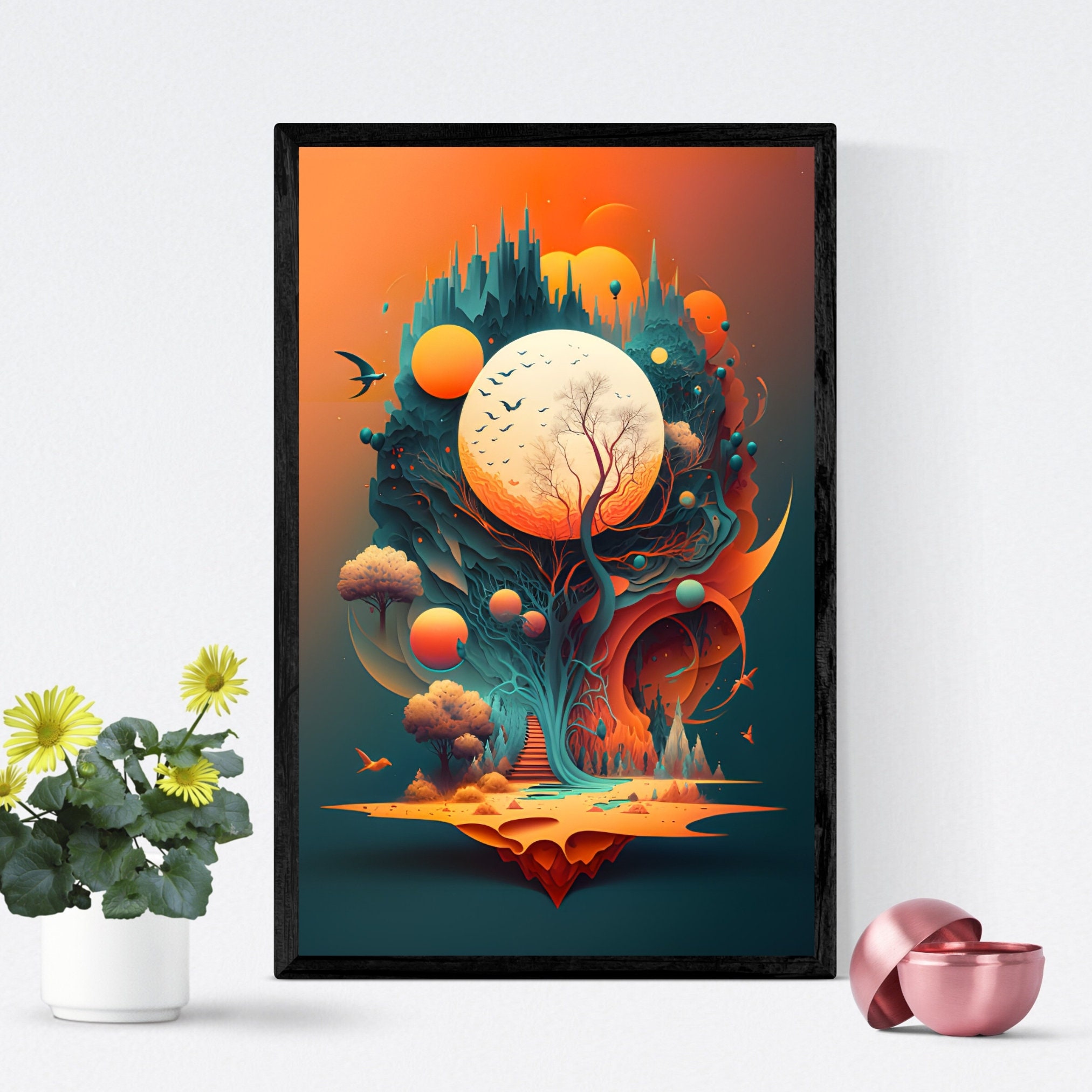

Etsy is often the first answer to “where do I sell my AI art,” and for good reason. It’s built for digital products and visual discovery. AI art performs especially well as printable wall art, posters, and themed bundles.
The upside is demand. Buyers already come looking for art. The downside is competition. Success on Etsy depends less on raw image quality and more on niche positioning. “AI art” doesn’t sell; “moody gothic wall art for dark academia offices” does.
Pricing typically ranges from $3–$15 per digital download, with bundles performing better than single files. SEO within Etsy matters more than social media promotion for most shops.
Selling AI Art on Creative Market


Creative Market caters to designers, not casual buyers. AI art here works best as textures, backgrounds, concept packs, or themed illustration sets.
Approval is curated, which reduces competition but raises the bar. The advantage is higher price points and more professional buyers. The challenge is presentation—mockups, previews, and clear licensing explanations matter.
Selling AI Art on Gumroad

Gumroad is ideal if you already have an audience or want full control. You can sell AI art packs, prompt bundles, wallpapers, or exclusive collections.
There’s no built-in discovery, so traffic must come from social media, email lists, or content marketing. The upside is flexibility and higher margins. The downside is that you are responsible for visibility.
Stock Platforms: Passive Income Potential (With Caveats)
Adobe Stock and Shutterstock
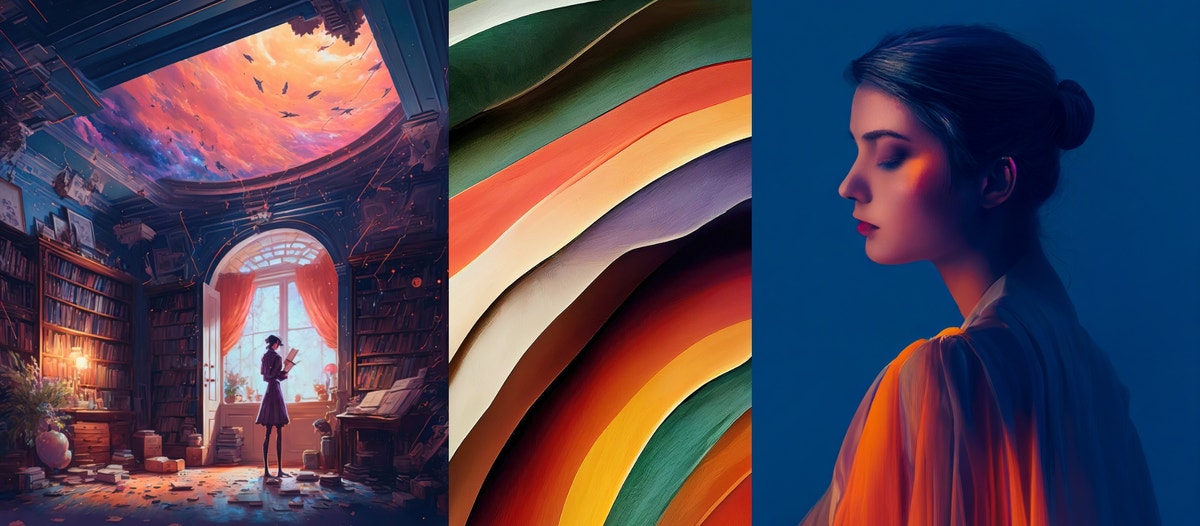

Adobe Stock and Shutterstock both accept AI art, with clear labeling requirements. These platforms favor commercial-friendly visuals: business concepts, backgrounds, abstract designs, and lifestyle metaphors.
Income is slower but more passive. One strong image can generate sales for years. However, originality matters. Oversaturated subjects get buried quickly.
Metadata is critical here. Keyword accuracy often matters more than artistic flair.
Print-on-Demand: Turning AI Art Into Physical Products
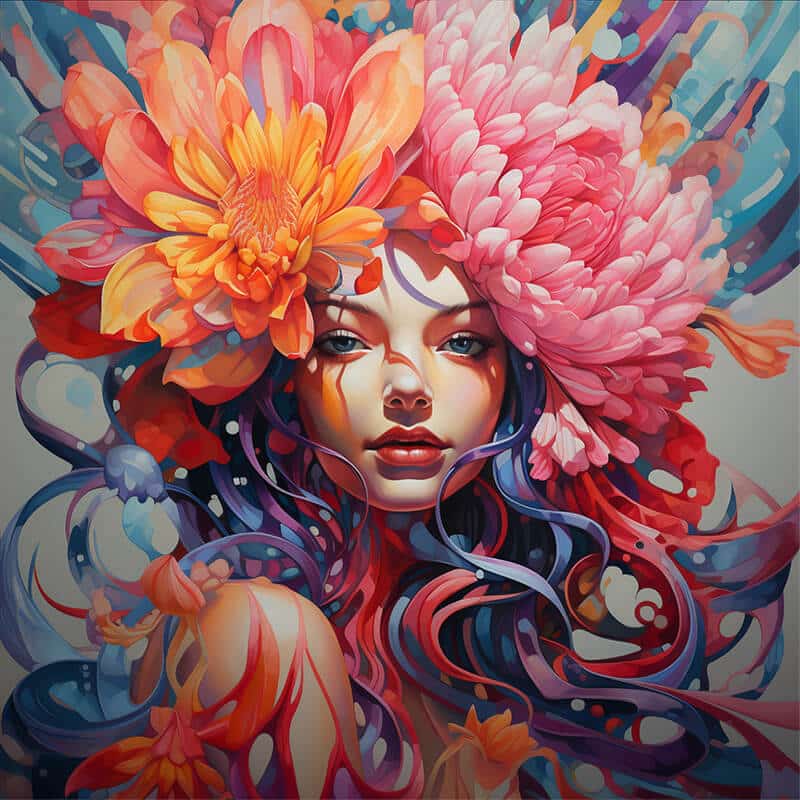


Print-on-demand platforms let you sell AI art as posters, canvases, phone cases, and apparel without holding inventory. You upload designs, set prices, and the platform handles production and shipping.
This model shines when you build a recognizable style or brand. A single viral design can outperform months of stock uploads. Margins vary, and quality control matters, so always order samples.
POD works best when paired with Etsy, Shopify, or a niche audience.
NFTs: High Risk, High Learning Curve
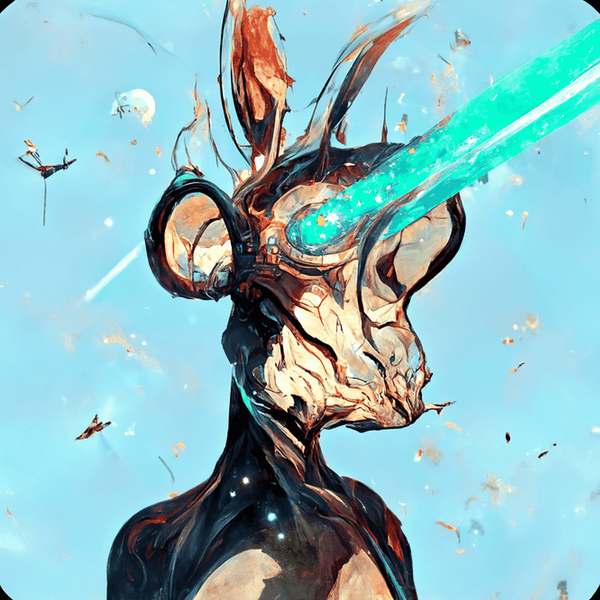


OpenSea made many people rich—and many more disappointed. NFTs are no longer an easy entry point. AI art NFTs succeed when paired with storytelling, community, and consistency.
If you enjoy experimentation and building an audience, NFTs can still work. If you’re looking for stable income, they’re usually not the best starting point.
Commissions and Custom AI Art
One of the most overlooked answers to “where do I sell my AI art” is directly to people. Custom portraits, book covers, YouTube thumbnails, and concept art are in constant demand.
Platforms like Fiverr and direct outreach can turn AI skills into service income. Clients care less about how the image was made and more about results.
Common Mistakes That Kill AI Art Sales (And How to Fix Them)
The biggest mistake is uploading generic work. If your art looks like everyone else’s, it will be priced like everyone else’s—and ignored.
Another common error is ignoring licensing clarity. Buyers need to know what they’re allowed to do with your art. Spell it out.
Many sellers also quit too early. Most platforms reward consistency over time. It’s normal to see slow traction at first.
Finally, poor presentation kills conversions. Titles, thumbnails, and mockups matter more than most creators realize.
Choosing the Right Platform for You
There is no universal best place to sell AI art. The best platform is the one that matches:
- Your art style
- Your willingness to market
- Your income goals
- Your patience level
Many successful sellers use two or three platforms strategically rather than trying everything at once.
Conclusion: Your Next Move Matters More Than the Platform
Asking where do I sell my AI art is the right starting question—but action is what creates results. Pick one platform, commit to learning it, and treat AI art like a creative business, not a lottery ticket.
The creators who succeed aren’t necessarily the most technical. They’re the ones who show up consistently, learn from feedback, and adapt.
If you’re willing to do that, there has never been a better time to start.
FAQs About Selling AI Art
Where do I sell my AI art as a beginner?
Etsy and stock platforms are the most beginner-friendly starting points.
Is it legal to sell AI art?
Yes, as long as your AI tool allows commercial use and you follow platform rules.
Can I sell the same AI art on multiple platforms?
Usually yes, unless a platform requires exclusivity.
How much money can you make selling AI art?
Income varies widely, from pocket change to full-time earnings, depending on strategy and consistency.
Do buyers care that it’s AI art?
Most buyers care about quality and usefulness, not the tool used.

Adrian Cole is a technology researcher and AI content specialist with more than seven years of experience studying automation, machine learning models, and digital innovation. He has worked with multiple tech startups as a consultant, helping them adopt smarter tools and build data-driven systems. Adrian writes simple, clear, and practical explanations of complex tech topics so readers can easily understand the future of AI.