
Have you ever wondered how your phone knows which route will save you 12 minutes, how Netflix seems to read your mind, or how a business can predict customer demand months in advance? All of that comes back to one core idea: technology in information.
Technology in information isn’t just about computers, servers, or software. It’s about how information is collected, stored, processed, analyzed, protected, and transformed into decisions that actually matter. From small startups tracking customer behavior to global governments managing healthcare records, this concept quietly runs the modern world.
What makes this topic especially important right now is scale. We’re producing more data in a single day than entire civilizations once produced in centuries. Without strong information technologies, that data is useless noise. With the right systems, it becomes insight, efficiency, and competitive advantage.
In this guide, you’ll learn what technology in information really means, how it works in practice, where it delivers the most value, and how you can apply it intelligently—whether you’re a student, business owner, IT professional, or simply someone who wants to understand the digital world more clearly.
Technology in Information: A Clear, Beginner-Friendly Explanation
Technology in information refers to the tools, systems, and processes used to manage information throughout its entire lifecycle. That includes how data is created, captured, stored, processed, shared, analyzed, and secured.
A helpful analogy is a modern library. Information is the books. Technology is everything that helps organize those books, track who borrows them, digitize them, recommend new titles, and protect rare editions. Without technology, you’d have stacks of paper and chaos. With it, you have structure and intelligence.
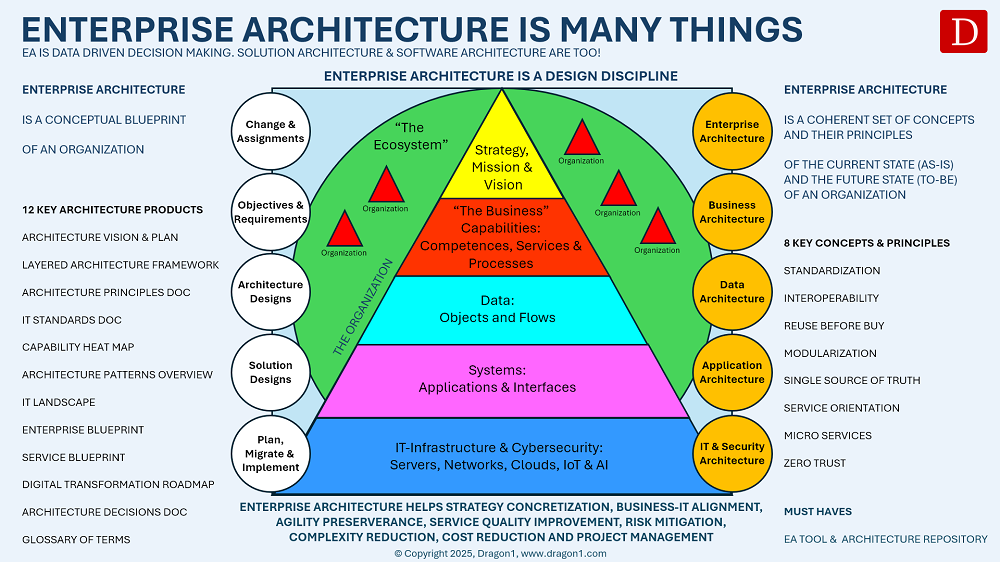
At its core, technology in information includes several interconnected layers:
Data collection technologies such as sensors, forms, APIs, and user interactions
Storage systems like databases, cloud platforms, and data warehouses
Processing tools that clean, structure, and transform raw data
Analysis technologies such as dashboards, algorithms, and AI models
Security systems that protect information from loss or misuse
Delivery mechanisms that present insights to people or systems
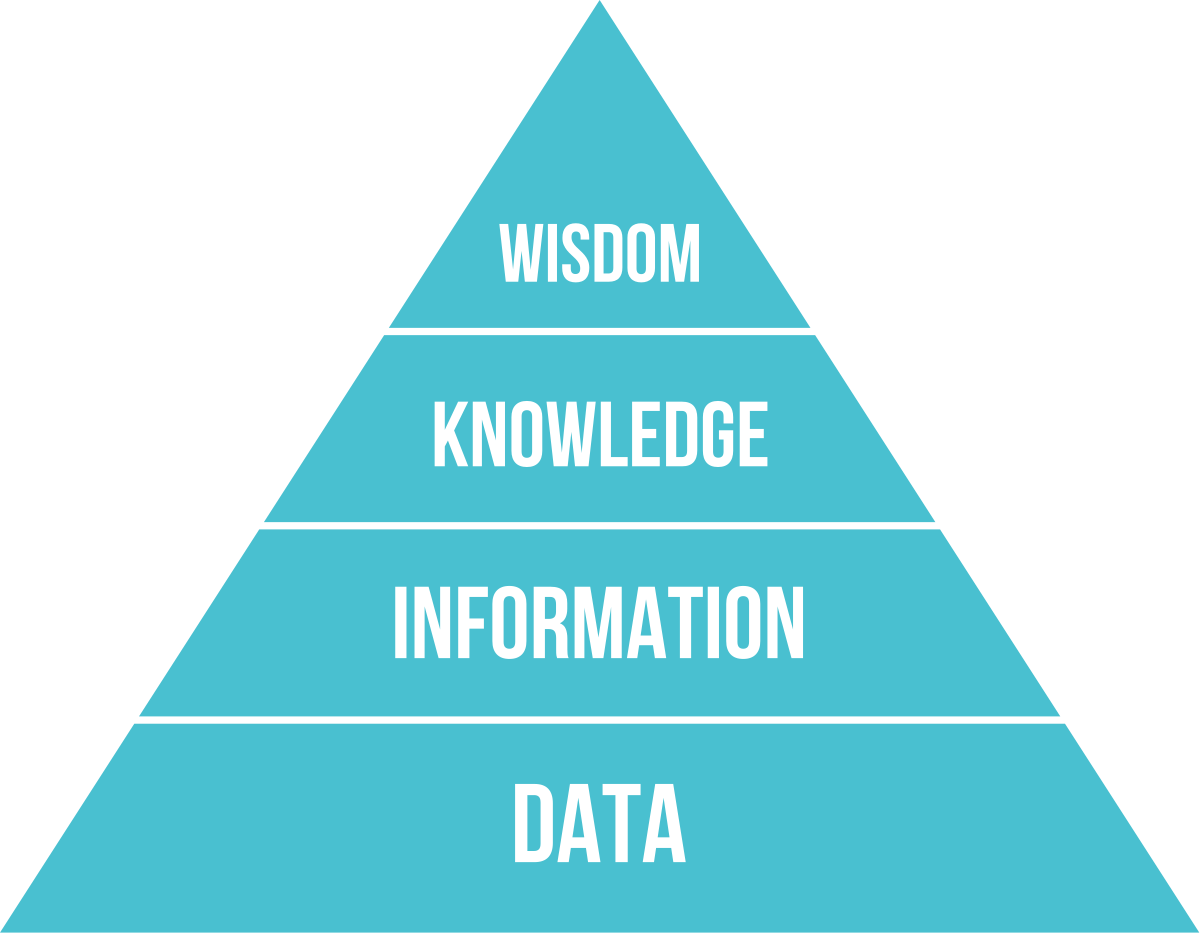
The key idea is that information becomes valuable only when technology enables it to be accurate, accessible, timely, and actionable. A spreadsheet sitting untouched on a laptop has potential. A well-designed information system turns that potential into impact.

How Technology in Information Evolved (And Why It Matters Today)
Understanding where we came from helps explain why today’s information technologies are so powerful—and sometimes overwhelming.
Early information systems were manual. Think filing cabinets, paper ledgers, and handwritten reports. They worked, but only at very small scales. As organizations grew, errors increased and insights lagged behind reality.
The introduction of computers transformed information handling. Databases replaced filing cabinets. Email replaced memos. Enterprise systems automated payroll, inventory, and accounting. For the first time, information could move faster than people.
The real shift happened with the internet and cloud computing. Information became global, real-time, and massively scalable. A small business gained access to tools once reserved for governments and multinational corporations.
Today, technology in information is defined by:
Cloud infrastructure that scales instantly
Big data platforms handling petabytes of information
Artificial intelligence that finds patterns humans can’t
Real-time analytics driving instant decisions
Automation that reduces human error and cost
This evolution matters because modern decisions are only as good as the information behind them. In fast-moving industries, delayed or inaccurate data isn’t just inconvenient—it’s dangerous.
Core Components of Technology in Information Systems
To truly understand technology in information, you need to see how its building blocks fit together. Most real-world systems include these core components.
Data Input and Collection
This is where information enters the system. It can come from:
User actions on websites or apps
Sensors and IoT devices
Transactions and forms
External APIs and data feeds
Good systems prioritize accuracy at this stage. Poor input quality leads to unreliable outputs, no matter how advanced the technology.
Storage and Management
Once collected, information must be stored securely and efficiently. This includes:
Relational databases for structured data
NoSQL systems for flexibility and scale
Cloud storage for accessibility and redundancy
Data governance rules to maintain integrity
The goal is not just storage, but easy retrieval and long-term reliability.
Processing and Transformation
Raw data is messy. Processing technologies clean, normalize, and enrich it. This step removes duplicates, fixes errors, and prepares data for analysis.
Analysis and Intelligence
This is where value is created. Analytical tools identify trends, patterns, and insights. This may involve:
Statistical analysis
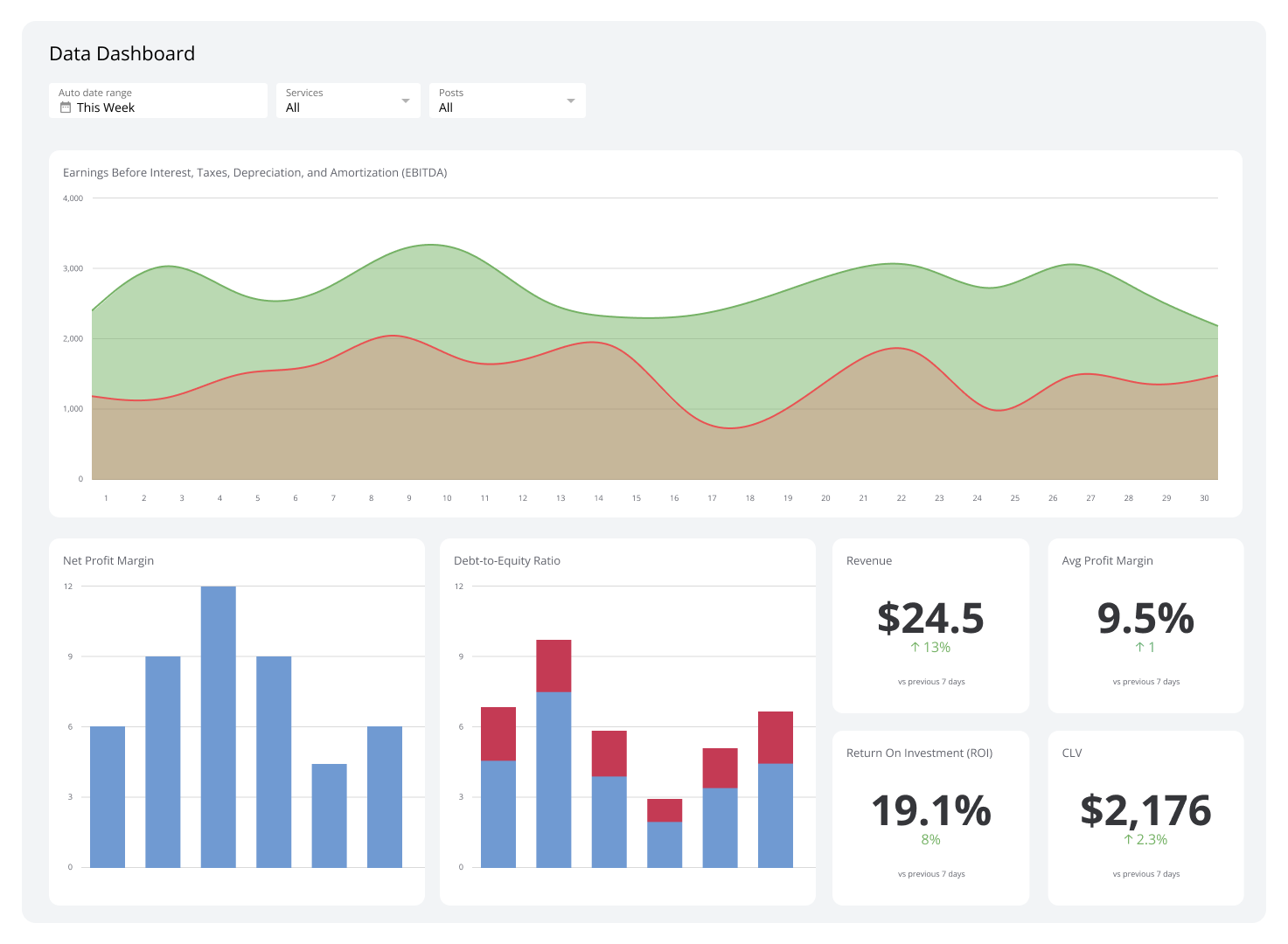
Dashboards and reporting
Predictive modeling
Machine learning and AI
Security and Compliance
Information is an asset—and a liability if mishandled. Security technologies protect confidentiality, integrity, and availability while meeting legal requirements.
Real-World Benefits and Use Cases of Technology in Information
Technology in information delivers practical, measurable benefits across nearly every industry. Here’s how it shows up in the real world.
Business and Enterprise Operations
Companies use information technology to:
Understand customer behavior and preferences
Optimize supply chains and inventory
Automate repetitive tasks
Reduce operational costs
Make data-driven strategic decisions
For example, retailers analyze purchasing patterns to predict demand, avoiding both overstock and shortages.
Healthcare and Life Sciences
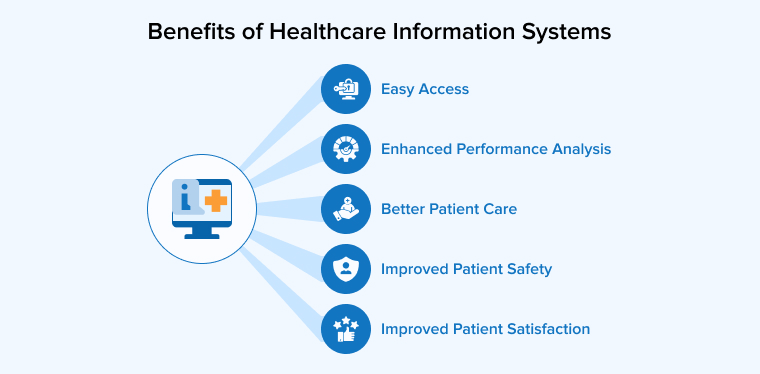
In healthcare, information technology saves lives. Electronic health records, diagnostic algorithms, and real-time monitoring systems improve accuracy and speed.
Doctors can access patient histories instantly. Researchers analyze massive datasets to identify treatment effectiveness. Hospitals reduce errors through automated alerts and decision support systems.
Education and Learning
Educational institutions use technology in information to personalize learning, track progress, and improve outcomes. Learning management systems collect data on student engagement, helping instructors adjust methods in real time.
Government and Public Services
Governments rely on information systems for taxation, social services, public safety, and infrastructure planning. When implemented well, these systems increase transparency and efficiency.

Who Technology in Information Is Best Suited For
This isn’t just an IT concern. Technology in information benefits:
Business owners seeking clarity and control
Managers making complex decisions
Marketers optimizing campaigns
Healthcare professionals improving care
Students building future-proof skills
Policy makers designing effective programs
If you rely on information to decide what to do next—which is almost everyone—this topic matters to you.
A Step-by-Step Guide to Implementing Technology in Information
Whether you’re building a system from scratch or improving an existing one, this structured approach helps avoid costly mistakes.
Step 1: Define Clear Information Goals
Start with questions, not tools. What decisions do you need to make? What information supports those decisions? Clear goals prevent overengineering.
Step 2: Identify Data Sources
Map where information comes from. Internal systems, customer interactions, third-party data, and sensors may all play a role.
Step 3: Choose the Right Infrastructure
Select storage and processing technologies based on scale, budget, and complexity. Cloud platforms are often ideal for flexibility.
Step 4: Design for Quality and Security
Build validation, access controls, and backups into the system from day one. Retrofitting security later is expensive and risky.
Step 5: Enable Analysis and Insight
Implement dashboards, reports, and analytical models that match user needs. Insights should be understandable, not just accurate.
Step 6: Iterate and Improve
Information systems evolve. Regular reviews, feedback, and optimization keep technology aligned with real-world needs.


Tools, Comparisons, and Expert Recommendations
Choosing the right tools can make or break your information strategy. Below is a practical overview.
Data Storage and Cloud Platforms
Cloud providers like Amazon Web Services, Microsoft Azure, and Google Cloud offer scalable, secure infrastructure.
Free tiers are great for learning and small projects. Paid plans unlock performance, compliance, and support.
Analytics and Visualization Tools
Tools such as dashboards and BI platforms transform raw data into insights. Paid tools often provide better integration and automation, while free options work well for simple use cases.
Automation and Integration Tools
Automation reduces manual effort and errors. Integration platforms connect systems so information flows smoothly across departments.
Free vs Paid: An Honest Comparison
Free tools lower barriers to entry but may lack scalability, support, or security. Paid tools offer reliability, advanced features, and compliance—critical for growing organizations.
Common Mistakes in Technology in Information (And How to Fix Them)
Even experienced teams stumble. Here are frequent pitfalls and practical fixes.
Ignoring data quality at the source leads to unreliable insights. Fix this by validating inputs early.
Collecting too much data without purpose creates noise. Start with clear questions.
Underestimating security risks exposes sensitive information. Build protection in from the beginning.
Overcomplicating systems reduces adoption. Design for real users, not ideal scenarios.
Failing to update systems causes stagnation. Schedule regular reviews and upgrades.
The Future of Technology in Information
Looking ahead, information technology will become more autonomous, predictive, and embedded in daily life. AI-driven insights, real-time decision systems, and ethical data governance will define the next phase.
Organizations that treat information as a strategic asset—not just a technical one—will adapt faster and perform better.
Conclusion: Turning Information Into Impact
Technology in information is the invisible engine behind modern life. When implemented thoughtfully, it transforms raw data into clarity, confidence, and competitive advantage. When ignored or misused, it creates confusion and risk.
The real value lies not in tools alone, but in how people design, govern, and use information systems to solve real problems. Start with purpose, invest in quality, and let technology amplify human judgment—not replace it.
If you found this guide useful, explore related tools, share your experiences, or start mapping how information flows through your own organization.
FAQs
What is technology in information in simple terms?
It’s the use of digital tools and systems to manage, analyze, and protect information so it can support decisions.
Is technology in information the same as IT?
IT is a subset. Technology in information focuses more broadly on how information creates value, not just infrastructure.
Why is technology in information important for businesses?
It improves decision-making, efficiency, customer understanding, and long-term competitiveness.
Do small businesses need advanced information technology?
Yes, but scaled appropriately. Even simple systems can deliver major benefits when aligned with goals.
How does AI fit into technology in information?
AI analyzes large datasets, identifies patterns, and automates insights that humans would miss.
Is data security part of technology in information?
Absolutely. Protecting information is a core component of any effective system.

Adrian Cole is a technology researcher and AI content specialist with more than seven years of experience studying automation, machine learning models, and digital innovation. He has worked with multiple tech startups as a consultant, helping them adopt smarter tools and build data-driven systems. Adrian writes simple, clear, and practical explanations of complex tech topics so readers can easily understand the future of AI.